






 Video Library


Comprehensive Questions
Total Questions : 15
Showing 15 questions, Sign in for moreAn infant age 2-months has a tentative diagnosis of congenital heart defect. During physical assessment, the nurse notes that the infant has a pulse rate of 168 beats/minute and a respiratory rate of 72 breaths/ minute. In which position should the nurse place the infant?
A nurse is caring for a 1-month-old client. Which factor indicating a cardiac defect might be found when assessing this client?
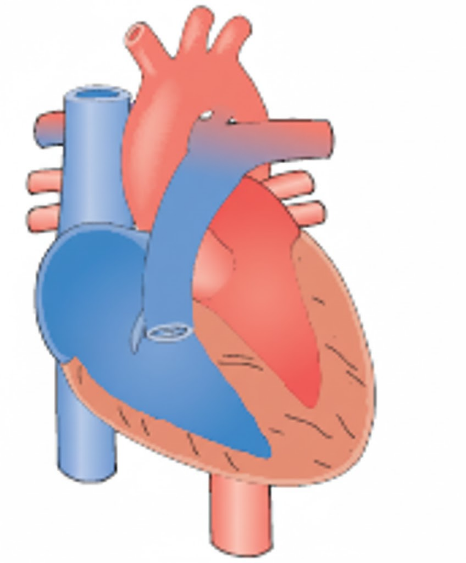
The nurse is caring for an infant with a heart defect that involves increased pulmonary blood flow. Which illustration shows a congenital heart disorder with increased pulmonary blood flow?
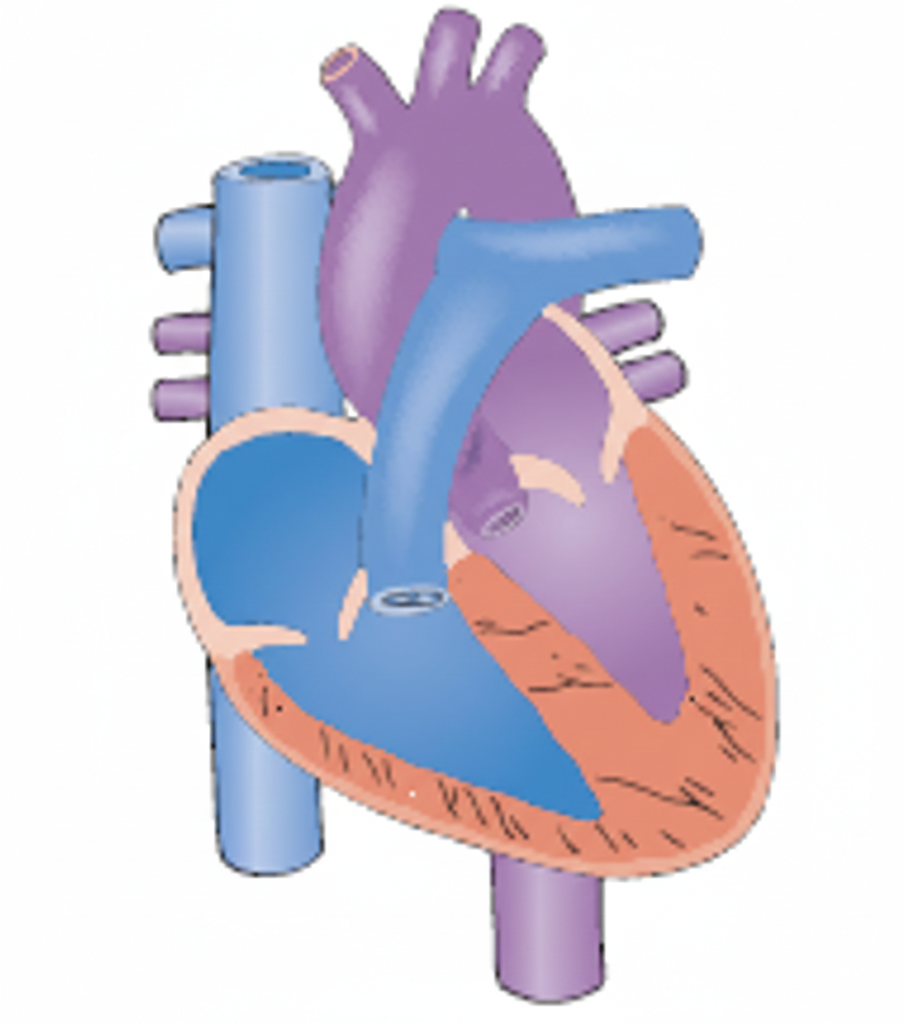
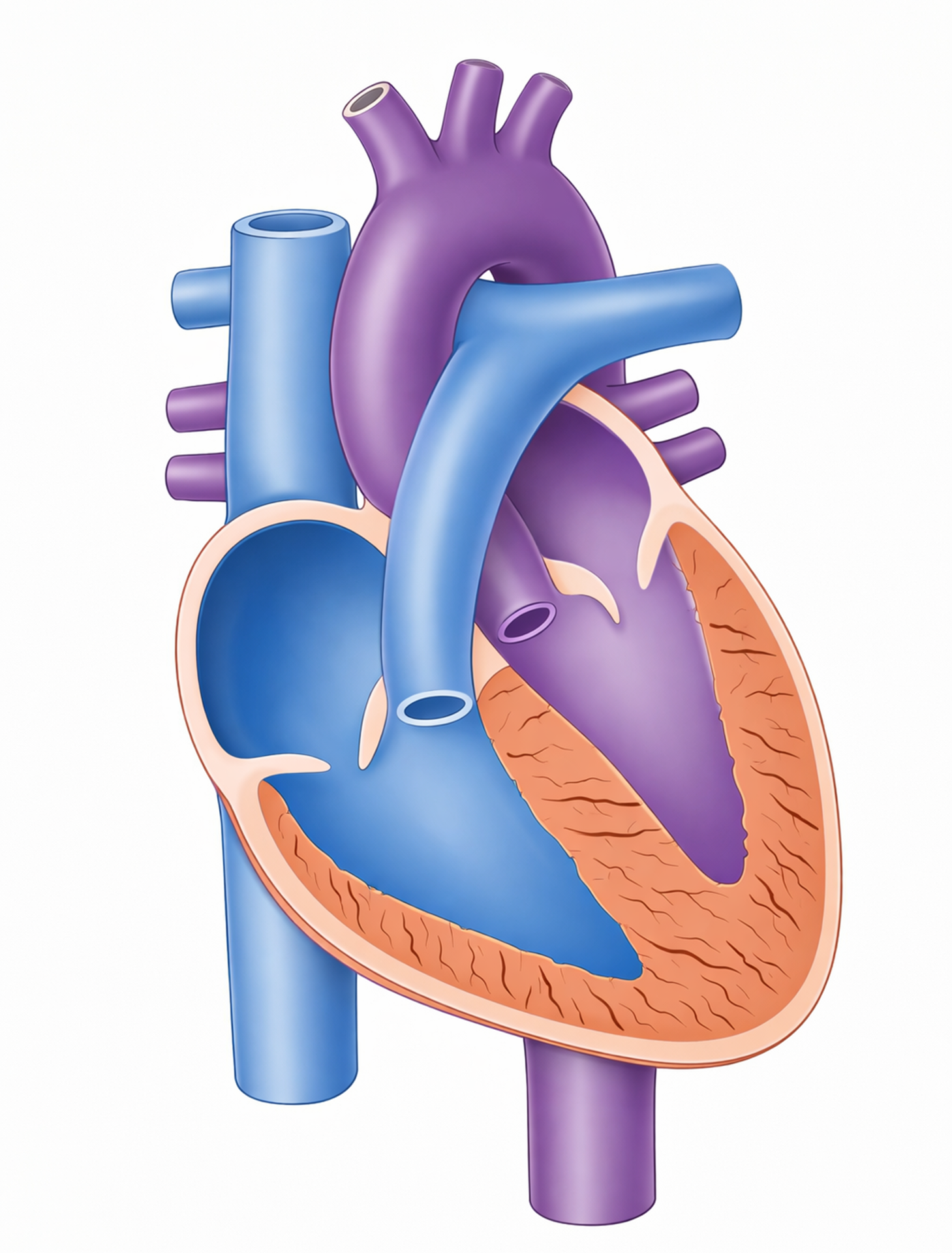
B.
. 
C.
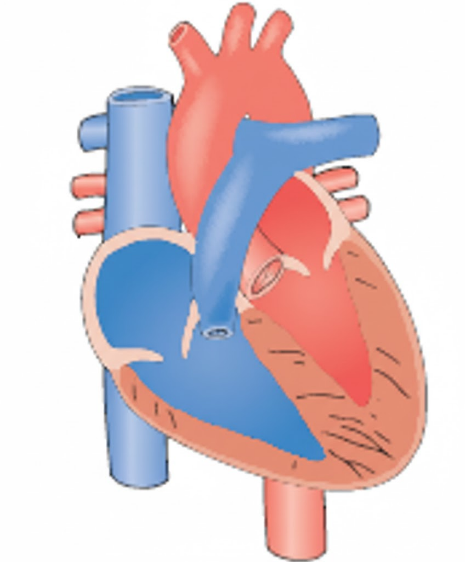
D.
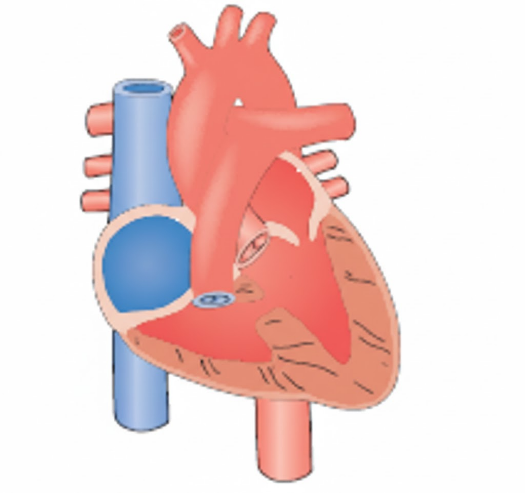
A 3-year-old child is on postoperative day 5 for an atrial septal defect repair. Which nursing diagnosis would be most appropriate?
A nurse is educating the parents of a child with an atrial septal defect regarding the child’s condition.
Which of the following information would be appropriate for the nurse to provide?
A nurse is educating student nurses on congenital heart defects. Eisenmenger’s complex consists of pulmonary vascular resistance exceeding systemic pressure. This can occur in which cardiac anomaly when untreated?
A nurse is caring for a child with a ventricular septal defect. Which curative surgical intervention is recommended for this client?
A child with a ventricular septal defect repair is receiving dopamine (Intropin) post-operatively. The nurse should teach the child’s parents that this medication is most likely to be given for which action?
The parents of a 3-month-old ask why their baby will not have an operation to correct a ventricular septal defect (VSD). The nurse’s best response is:
A baby, exhibiting no obvious signs of congestive heart failure, has been diagnosed with a small ventricular septal defect. Which of the following information should the nurse explain to the baby’s parents?
A nurse is caring for a child with AV canal defect. Upon entering the room, the nurse sees the mother lying in bed with the child, who is lying flat and drinking from a bottle. Which intervention should be implemented?
A newborn with patent ductus arteriosus was delivered 6 hours earlier and is being held by his mother. As the nurse enters the room to assess the neonate’s vital signs, the mother says, “The physician says that my baby has a heart murmur. Does that mean he has a bad heart?” Which response by the nurse would be the most appropriate?
A nurse is preparing to administer indomethacin (Indocin®) to an infant diagnosed with patent ductus arteriosus (PDA). By which route should the nurse expect to administer the indomethacin for this infant?
The parents of a newborn child have just been told that he has a heart defect known as patent ductus arteriosus. Which statement made by the parents indicates that teaching has been effective?
A nurse is caring for a client with patent ductus arteriosus. Which assessment finding is consistent with this diagnosis?
Sign Up or Login to view all the 15 Questions on this Exam
Join over 100,000+ nursing students using Naxlex’s science-backend flashcards, practice tests and expert solutions to improve their grades and reach their goals.
Sign Up Now