






 Video Library


Please set your exam date
Acute Respiratory Disorders
Study Questions
Practice Exercise 1
A nurse teaches a client with intermittent allergic rhinitis that which of the following interventions is the most effective way to decrease allergic symptoms?
Explanation
Allergic rhinitis is an IgE-mediated hypersensitivity reaction that occurs when a person is exposed to allergens such as pollen, dust mites, animal dander, or mold. The most effective long-term management strategy is avoidance of triggers, which prevents the immune system from initiating the allergic cascade that leads to symptoms such as sneezing, nasal congestion, rhinorrhea, and pruritus.
Rationale for Correct Answer
2. Identify and avoid triggers of the allergic reaction. Avoidance of allergens directly reduces exposure to the inciting antigens, preventing activation of mast cells and subsequent release of histamine and other inflammatory mediators. This intervention addresses the root cause of intermittent allergic rhinitis and is the most effective method to decrease the frequency and severity of symptoms.
Rationale for Incorrect Answers
1. Undergo weekly immunotherapy. Immunotherapy can modify the immune response to allergens over time, but it is a long-term strategy that requires months to years of therapy and is not the most immediately effective intervention for symptom reduction in intermittent allergic rhinitis.
3. Use cromolyn nasal spray prophylactically year-round. Cromolyn sodium stabilizes mast cells and prevents mediator release, but it is less effective than allergen avoidance and must be used frequently and consistently before allergen exposure. Year-round use is not always practical or necessary for intermittent symptoms.
4. Use over-the-counter antihistamines and decongestants during an acute attack. These medications provide symptomatic relief but do not prevent allergic reactions or reduce long-term symptom frequency. They are adjunctive rather than primary interventions for controlling allergic rhinitis.
Test-Taking Strategy
• Focus on interventions that prevent the underlying pathophysiology of the allergic response.
• Differentiate between preventive measures (avoidance, immunotherapy) and symptom management (antihistamines, decongestants).
• Choose the option that addresses the root cause rather than temporary symptom relief.
Take-Home Points
• Allergen avoidance is the most effective strategy to reduce allergic rhinitis symptoms.
• Pharmacologic therapies are supportive but do not eliminate exposure to triggers.
• Immunotherapy is long-term and preventive but not immediately effective for intermittent symptoms.
A nurse teaches a client with allergic rhinitis who reports severe nasal congestion, sneezing, and watery, itchy eyes and nose at various times of the year about symptom control. Which instruction should the nurse include?
Explanation
Allergic rhinitis is triggered by exposure to specific allergens that activate IgE-mediated responses, causing histamine release and inflammatory symptoms in the nasal mucosa and conjunctiva. Understanding personal triggers helps the client implement avoidance strategies, which is the most effective long-term method for symptom control and prevention of exacerbations.
Rationale for Correct Answer
4. Keep a diary of when the allergic reaction occurs and what precipitates it. Tracking symptom patterns and associated triggers allows the client and healthcare provider to identify specific environmental or seasonal allergens. This information supports individualized interventions, including avoidance strategies and targeted pharmacologic therapy, thereby improving symptom management and reducing unnecessary medication use.
Rationale for Incorrect Answers
1. Avoid all intranasal sprays and oral antihistamines. This is incorrect because pharmacologic treatments such as intranasal corticosteroids and oral antihistamines are effective for controlling symptoms. Complete avoidance of these medications may lead to uncontrolled allergic reactions and reduced quality of life.
2. Limit the usage of nasal decongestant spray to 10 days. While limiting decongestant use is important to prevent rebound congestion (rhinitis medicamentosa), this instruction addresses only one type of medication, not the overall symptom control strategy.
3. Use oral decongestants at bedtime to prevent symptoms during the night. Oral decongestants may help with nasal congestion, but they do not target the underlying allergic response. Additionally, using them at night can cause insomnia or cardiovascular side effects, making this a less safe and less effective recommendation.
Test-Taking Strategy
• Identify interventions that allow the client to understand and manage triggers, not just treat symptoms.
• Separate symptom-relief strategies (decongestants, antihistamines) from preventive strategies (tracking triggers, allergen avoidance).
• Choose answers that empower client self-management and long-term control.
Take-Home Points
• Keeping a symptom and trigger diary is a key tool for managing allergic rhinitis effectively.
• Knowledge of individual triggers supports targeted avoidance and more precise use of medications.
• Symptom-relief medications are adjuncts; understanding triggers addresses the underlying cause.
A nurse is teaching a client with allergic rhinitis about trigger avoidance. Which environmental factor is most likely to worsen allergic rhinitis?
Explanation
Allergic rhinitis is an IgE-mediated hypersensitivity reaction triggered by allergens such as pollen, dust mites, mold spores, and animal dander. Exposure to these allergens activates mast cells, leading to histamine release and resulting in sneezing, nasal congestion, rhinorrhea, and itchy eyes and nose. Pollen is a common seasonal allergen that can directly exacerbate symptoms in susceptible individuals.
Rationale for Correct Answer
2. Exposure to pollen. Pollen contains proteins recognized by IgE antibodies in sensitized individuals. Contact with these proteins stimulates mast cells and basophils, releasing histamine and other inflammatory mediators. This immune activation produces the characteristic symptoms of allergic rhinitis and is a primary environmental factor worsening the condition.
Rationale for Incorrect Answers
1. Sudden temperature changes. Rapid temperature fluctuations may trigger vasomotor rhinitis or transient nasal irritation, but they do not activate IgE-mediated allergic pathways and are less likely to produce the full spectrum of allergic rhinitis symptoms.
3. Strong emotional stress. Stress can influence immune function and may exacerbate perception of symptoms, but it is not a direct allergen and does not reliably trigger histamine-mediated allergic responses.
4. Cold, dry air. Exposure to cold or dry air can cause nasal dryness or irritation, which may worsen congestion temporarily, but it is not an allergen and does not initiate the immune cascade responsible for allergic rhinitis.
Test-Taking Strategy
• Focus on environmental exposures that directly trigger IgE-mediated immune responses.
• Differentiate between true allergens and nonspecific irritants that may mimic symptoms.
• Prioritize interventions targeting avoidance of known allergenic triggers.
Take-Home Points
• Pollen is a major trigger of seasonal allergic rhinitis.
• Symptom exacerbation occurs when allergens directly interact with sensitized immune cells.
• Irritants like temperature changes or dry air may worsen discomfort but are not primary allergens.
A nurse is assessing a client with acute viral rhinitis. Which findings should the nurse expect? Select all that apply
Explanation
Acute viral rhinitis, commonly called the common cold, is caused by viral pathogens such as rhinoviruses. The infection leads to inflammation of the nasal mucosa, increased vascular permeability, and stimulation of mucous glands. Typical clinical manifestations include clear nasal discharge, sneezing, and nasal congestion, reflecting the body’s immune response to viral invasion.
Rationale for Correct Answers
1. Clear, watery nasal discharge. Early in viral rhinitis, mucosal inflammation and increased glandular secretion produce a clear, watery rhinorrhea, which is a hallmark symptom of viral infection.
3. Sneezing. Viral infection of the nasal mucosa triggers reflex sneezing as part of the body’s mechanism to expel pathogens from the upper airway.
4. Nasal congestion. Inflammation and edema of the nasal mucosa reduce airway patency, causing obstruction and the sensation of congestion.
Rationale for Incorrect Answers
2. Fever greater than 102°F (39°C). Viral rhinitis typically causes low-grade or absent fever. High-grade fever is more consistent with influenza or bacterial infections rather than uncomplicated viral rhinitis.
5. Purulent nasal drainage lasting 10 days. Purulent drainage persisting longer than 7–10 days suggests bacterial sinusitis or secondary bacterial infection, not uncomplicated viral rhinitis.
Test-Taking Strategy
• Identify classic viral symptoms: watery rhinorrhea, sneezing, congestion, low-grade fever.
• Exclude findings associated with bacterial infection or severe systemic illness.
• Recognize that duration and quality of nasal discharge help differentiate viral from bacterial etiology.
Take-Home Points
• Viral rhinitis produces clear, watery discharge, sneezing, and nasal congestion.
• High fever and prolonged purulent drainage indicate bacterial infection, not viral rhinitis.
• Symptom assessment and duration guide appropriate management and patient education.
Practice Exercise 2
A nurse in a clinic is assessing a client with sinusitis. Which technique should the nurse use to identify clinical manifestations of this disorder?
Explanation
Sinusitis is the inflammation or infection of the paranasal sinuses, most commonly the maxillary and frontal sinuses. This inflammation leads to mucosal edema, impaired sinus drainage, and increased pressure within the sinus cavities, producing pain and tenderness. Palpation of the orbital and sinus areas allows the nurse to directly assess for tenderness, pressure, or pain, which are hallmark clinical manifestations of sinusitis.
Rationale for Correct Answer
4. Palpation of the orbital areas. Palpating the frontal and maxillary sinus regions allows the nurse to identify tenderness and discomfort that arise from inflamed sinus mucosa. This technique helps distinguish sinus pain from other types of facial or headache pain by localizing the discomfort to the affected sinus. Additionally, palpation can reveal asymmetry or swelling, which supports the clinical diagnosis and helps guide further evaluation or imaging if needed.
Rationale for Incorrect Answers
1. Percussion of the posterior lobes of the lungs. Percussion of the lungs is used to assess for consolidation, fluid accumulation, or hyperinflation within the pulmonary tissue. Sinusitis affects the paranasal cavities rather than the lower respiratory tract, so percussion of the lungs would not reveal relevant clinical manifestations. Relying on this technique could lead to a missed or delayed diagnosis, as it does not evaluate the site of pathology.
2. Auscultation of the trachea. Tracheal auscultation is intended to assess airflow, airway obstruction, or abnormal breath sounds such as stridor or wheezing. Since sinusitis is limited to the upper airway and sinus cavities, auscultation of the trachea provides no information regarding sinus inflammation or tenderness. Using this technique could misdirect the assessment and delay identification of sinus-specific symptoms.
3. Inspection of the conjunctiva. Visual inspection of the conjunctiva can detect injection or pallor, which may occur in some systemic or ocular conditions. Sinusitis generally does not produce consistent changes in the conjunctiva, so this inspection is not diagnostic. Relying on conjunctival findings alone could lead to underrecognition of sinus inflammation and inappropriate management.
Test-Taking Strategy
• Focus on assessment techniques that evaluate the anatomical structures directly affected by sinusitis.
• Eliminate options that assess the lower respiratory tract or unrelated structures, as they do not reflect sinus pathology.
• Prioritize palpation and symptom localization when differentiating sinusitis from other causes of facial or headache pain.
Take-Home Points
• Palpation of the frontal and maxillary sinus areas is the most effective technique to identify sinusitis symptoms.
• Lung percussion, tracheal auscultation, and conjunctival inspection are not reliable for assessing sinus inflammation.
• Accurate assessment of tenderness and pressure guides diagnosis, treatment, and further evaluation.
A nurse is assessing a client with suspected acute bacterial sinusitis. Which finding most strongly supports this diagnosis?
Explanation
Acute bacterial sinusitis occurs when bacterial pathogens, most commonly Streptococcus pneumoniae or Haemophilus influenzae, infect the paranasal sinuses, leading to prolonged inflammation, mucosal edema, and obstruction of sinus drainage. This results in increased sinus pressure and localized pain, especially over the affected sinus areas. Facial pain that intensifies when bending forward is a hallmark symptom because changes in head position increase pressure within the inflamed sinus cavities, strongly supporting the bacterial etiology.
Rationale for Correct Answer
2. Facial pain that worsens when bending forward. Bacterial sinus infections cause accumulation of mucus and inflammatory exudate, which increases pressure within the sinuses. This pressure produces localized pain that intensifies with movement or bending, particularly in the maxillary and frontal sinuses. The persistence of severe facial pain, unlike viral sinusitis which is usually milder, strongly supports acute bacterial involvement rather than a viral or allergic cause.
Rationale for Incorrect Answers
1. Clear nasal discharge lasting 3 days. Short-term, clear rhinorrhea is typical of viral upper respiratory infections or early allergic reactions, not bacterial sinusitis. Bacterial infections usually produce purulent or thick nasal drainage that persists beyond 10 days or worsens after an initial improvement. This symptom alone is insufficient to confirm bacterial etiology.
3. Sneezing with nasal itching. Sneezing and nasal itching are classic features of allergic rhinitis due to IgE-mediated hypersensitivity. These symptoms reflect histamine release and mucosal irritation but are not typical of bacterial sinus infections, which primarily cause congestion, pressure, and purulent drainage.
4. Low-grade fever resolved within 24 hours. Bacterial sinusitis often causes persistent or escalating fever along with localized pain and purulent discharge. A brief, low-grade fever that resolves quickly is more consistent with a viral infection rather than bacterial sinus involvement.
Test-Taking Strategy
• Focus on hallmark signs that differentiate bacterial from viral or allergic sinus conditions: persistent facial pain, purulent drainage, and pressure changes.
• Eliminate findings associated with short-term viral illness or IgE-mediated allergies.
• Remember that pain exacerbated by movement or bending forward indicates localized sinus pressure, a key bacterial indicator.
Take-Home Points
• Severe, localized facial pain that worsens with bending forward strongly suggests acute bacterial sinusitis.
• Short-duration clear discharge, sneezing, or transient low-grade fever are more consistent with viral or allergic causes.
• Symptom duration, quality of nasal discharge, and response to positional changes help distinguish bacterial from nonbacterial sinus conditions.
A nurse is providing discharge teaching to a client with acute sinusitis. Which interventions should the nurse recommend to promote sinus drainage and symptom relief? Select all that apply
Explanation
Acute sinusitis causes inflammation and obstruction of the paranasal sinuses, resulting in mucosal edema, thickened secretions, and impaired drainage. Interventions that maintain hydration, promote mucociliary clearance, and reduce sinus pressure can alleviate symptoms and prevent complications. Strategies such as increasing fluid intake, applying warm compresses, performing saline irrigation, and elevating the head during sleep support sinus drainage, decrease congestion, and improve comfort.
Rationale for Correct Answers
1. Increase oral fluid intake. Adequate hydration thins mucus secretions, which improves sinus drainage and reduces the risk of mucus stasis. Thinner secretions are less likely to obstruct the sinus ostia, facilitating resolution of infection and symptom relief. Increased fluid intake also supports overall immune function and recovery from infection.
2. Apply warm, moist compresses to the face. Local heat applied to the frontal and maxillary sinus areas promotes vasodilation and increases blood flow, which can reduce congestion and alleviate pressure. Warm compresses also help soften thick secretions, enhancing their movement through the sinus passages. This intervention provides both symptomatic relief and aids mechanical drainage of the inflamed sinuses.
4. Perform saline nasal irrigation. Saline irrigation flushes mucus, allergens, and pathogens from the nasal passages and sinus ostia. This mechanical clearance decreases mucosal swelling, reduces bacterial load, and improves ventilation of the sinuses. Regular irrigation supports mucociliary function and shortens the duration of sinusitis symptoms.
5. Sleep with the head elevated. Elevating the head during sleep decreases venous congestion in the nasal and sinus mucosa. This position reduces sinus pressure, promotes drainage, and minimizes nocturnal nasal obstruction. Proper positioning supports comfort and facilitates effective sinus clearance while resting.
Rationale for Incorrect Answer
3. Use topical nasal decongestants for longer than 7 days. Prolonged use of topical decongestants can cause rebound congestion (rhinitis medicamentosa), worsening nasal obstruction over time. These medications are intended for short-term symptom relief, typically no longer than 3–7 days. Extended use does not improve sinus drainage and can delay recovery from sinusitis.
Test-Taking Strategy
• Focus on interventions that enhance sinus drainage and reduce mucosal swelling.
• Avoid recommendations that carry risk for complications or rebound effects.
• Choose strategies that are supportive, noninvasive, and evidence-based for symptom relief.
Take-Home Points
• Hydration, warm compresses, saline irrigation, and head elevation promote sinus drainage and relieve pressure.
• Prolonged topical decongestant use should be avoided due to the risk of rebound congestion.
• Effective self-care measures complement pharmacologic therapy and support faster recovery from sinusitis.
Practice Exercise 3
A nurse is teaching a client with type 1 diabetes mellitus about influenza prevention. The client asks whether an influenza vaccine is necessary every year. What is the best response by the nurse?
Explanation
Clients with type 1 diabetes mellitus are at increased risk for influenza-related complications, including pneumonia, hospitalization, and worsening glycemic control. Annual influenza vaccination is recommended because circulating influenza virus strains change yearly due to antigenic drift. The trivalent or quadrivalent inactivated vaccine provides protection against the most common seasonal strains and is safe for individuals with chronic conditions such as diabetes.
Rationale for Correct Answer
1. “You should get the trivalent inactivated influenza vaccine that is injected every year.” Annual vaccination is necessary because influenza viruses frequently mutate, and immunity from prior vaccines or infections does not reliably protect against new strains. Inactivated vaccines stimulate an immune response without causing infection, providing safe and effective protection for high-risk populations. Clients with diabetes are especially encouraged to receive yearly vaccines to reduce the risk of severe influenza and its complications, including hospitalization and hyperglycemia.
Rationale for Incorrect Answers
2. “Only health care workers in contact with high-risk patients should be immunized each year.” Influenza vaccination is recommended for all high-risk individuals, including those with chronic medical conditions such as diabetes, not just health care workers. Limiting vaccination to occupational exposure ignores the personal risk of severe illness associated with diabetes. This statement could result in inadequate protection and increased morbidity in the client.
3. “An annual vaccination is not necessary because previous immunity will protect you for several years.” Immunity from past influenza infections or vaccines wanes over time and is strain-specific. Antigenic drift alters viral hemagglutinin and neuraminidase proteins, rendering previous antibodies less effective. Relying on outdated immunity leaves the client vulnerable to infection and serious complications.
4. “Antiviral drugs, such as zanamivir (Relenza), eliminate the need for vaccine except in the older adult.” Antiviral medications are used for treatment or prophylaxis after exposure but do not replace vaccination as a primary prevention strategy. They are not 100% effective, can have side effects, and are not recommended as a substitute for annual vaccination. Vaccination remains the safest and most effective method to prevent influenza in high-risk individuals.
Test-Taking Strategy
• Identify clients at high risk for influenza complications, including those with chronic diseases such as diabetes.
• Recall that influenza viruses mutate annually, necessitating yearly vaccination.
• Distinguish between prevention (vaccine) and treatment/prophylaxis (antivirals) to select the most appropriate recommendation.
Take-Home Points
• Annual influenza vaccination is critical for clients with type 1 diabetes to prevent severe infection and complications.
• Immunity from prior infection or vaccination does not provide lasting protection due to viral mutation.
• Antivirals are supportive but cannot replace routine vaccination as the primary preventive measure.
A nurse is teaching a group of clients about influenza. Which statement by a client indicates a need for further clarification?
Explanation
Maintaining hydration is essential during influenza infection because fever, sweating, and decreased oral intake can lead to fluid loss and dehydration. Adequate fluid intake helps thin respiratory secretions, supports mucociliary clearance, and maintains overall cellular and organ function. Avoiding fluids worsens symptom severity and can contribute to complications such as hypotension, electrolyte imbalance, and kidney injury.
Rationale for Correct Answer
2. “I need to avoid drinking fluids if I develop symptoms.” This statement is incorrect because fluid restriction during influenza is harmful. Clients should increase oral fluid intake to compensate for fluid loss from fever and respiratory secretions. Proper hydration improves mucus clearance, reduces the risk of secondary infections, and supports the immune response. Teaching the client to maintain adequate hydration is a critical component of influenza management.
Rationale for Incorrect Answers
1. “I should wash my hands after blowing my nose to prevent spreading the virus.” Hand hygiene is a key preventive measure for influenza transmission. Washing hands after sneezing, coughing, or touching contaminated surfaces reduces the spread of viral particles. This statement demonstrates correct understanding and does not require clarification.
3. “I need a flu shot every year because of the different flu strains.” Annual influenza vaccination is recommended due to antigenic drift and changing circulating strains. Receiving the flu shot yearly provides protection against the most common strains each season. This statement reflects accurate knowledge and does not require correction.
4. “I should sneeze into my elbow rather than my hands.” Sneezing into the elbow prevents contamination of the hands and reduces the spread of respiratory droplets. This technique is an effective infection-control strategy recommended by public health authorities. The statement is correct and demonstrates proper understanding of preventive measures.
Test-Taking Strategy
• Identify statements that contradict evidence-based recommendations for symptom management and prevention.
• Focus on client behaviors that support immune function, such as hydration and hygiene.
• Distinguish between preventive practices and harmful misconceptions.
Take-Home Points
• Adequate fluid intake is essential during influenza to maintain hydration and support immune function.
• Hand hygiene and respiratory etiquette reduce viral transmission.
• Annual vaccination protects against evolving influenza strains and remains a cornerstone of prevention.
A nurse is teaching a client diagnosed with influenza about preventing transmission to others. Which instructions should the nurse include? Select all that apply
Explanation
Influenza is transmitted primarily through respiratory droplets and contact with contaminated surfaces. Preventive measures aim to reduce droplet spread, minimize surface contamination, and limit exposure to susceptible individuals. Covering the mouth and nose, practicing hand hygiene, wearing masks, and staying home while infectious are evidence-based strategies to prevent transmission.
Rationale for Correct Answers
1. Cover the mouth and nose when coughing or sneezing. Coughing and sneezing expel respiratory droplets containing influenza virus. Covering the mouth and nose with a tissue or the elbow reduces the distance droplets travel and decreases the risk of infecting others. Proper respiratory etiquette is a cornerstone of infection control in respiratory illnesses.
2. Perform frequent hand hygiene. Influenza virus can survive on surfaces for hours, and hands serve as a common vehicle for transmission. Washing hands with soap and water or using alcohol-based sanitizer removes viral particles, preventing self-inoculation and spread to others. Consistent hand hygiene is essential in both home and community settings.
3. Wear a mask when in close contact with others. Masks act as a barrier to respiratory droplets, protecting both the infected client and those nearby. Mask use is particularly important when isolation is not feasible, such as in shared living spaces or healthcare settings. This measure reduces the likelihood of airborne droplet transmission.
5. Stay home until fever-free for at least 24 hours. Fever is a marker of active infection and contagiousness. Remaining home while febrile prevents exposure of coworkers, classmates, or vulnerable populations to the virus. Public health guidelines recommend at least 24 hours of fever-free status without antipyretics before returning to normal activities.
Rationale for Incorrect Answer
4. Share utensils only after rinsing with water. Influenza is primarily transmitted via respiratory droplets, not through brief utensil sharing or casual contact with saliva. Simply rinsing utensils does not provide significant prevention and is not a recommended or necessary strategy. Emphasis should be placed on respiratory and hand hygiene instead.
Test-Taking Strategy
• Prioritize interventions that block respiratory droplet spread and contact transmission.
• Eliminate options that are not evidence-based for influenza transmission.
• Focus on actions that protect others in both home and community settings.
Take-Home Points
• Influenza prevention relies on droplet precautions: covering coughs, hand hygiene, mask use, and isolation during fever.
• Transmission through utensils or casual surface contact is less significant than respiratory routes.
• Adherence to these measures reduces infection risk to household members and the broader community.
A nurse is caring for a hospitalized client with confirmed influenza. Which infection-control precaution is most appropriate?
Explanation
Influenza is primarily transmitted via respiratory droplets produced when an infected person coughs, sneezes, or talks. Droplet precautions reduce the risk of transmission to healthcare workers and other clients by using masks, eye protection, and limiting close contact. Implementing droplet precautions promptly is essential in hospital settings to prevent nosocomial outbreaks.
Rationale for Correct Answer
3. Droplet precautions. Influenza viruses spread through large respiratory droplets that travel short distances (usually <3 feet). Nurses should wear surgical masks when within close proximity of the client, and clients should be instructed to cover their mouth and nose when coughing or sneezing. This approach effectively reduces transmission without requiring the specialized ventilation needed for airborne precautions.
Rationale for Incorrect Answers
1. Airborne precautions. Airborne precautions are necessary for pathogens that remain suspended in air over long distances, such as tuberculosis, measles, or varicella. Influenza does not remain airborne long enough to require negative-pressure rooms or respirators.
2. Contact precautions only. Contact precautions are used for infections transmitted via direct or indirect contact, such as MRSA or C. difficile. Influenza requires protection from droplets, not solely from surface contamination.
4. Protective isolation. Protective isolation (reverse isolation) is designed to protect immunocompromised clients from infection, not to prevent them from spreading disease. This approach is not indicated for a client with influenza.
Test-Taking Strategy
• Determine the mode of transmission of the infectious agent.
• Recognize that droplet precautions apply to influenza, not airborne or contact-only scenarios.
• Focus on interventions that limit spread to others in close proximity.
Take-Home Points
• Influenza requires droplet precautions in healthcare settings.
• Surgical masks and patient education on respiratory hygiene are essential.
• Airborne or contact precautions are not indicated unless co-infections or other risks exist.
Practice Exercise 4
A nurse is teaching a client about how microorganisms can reach the lungs and cause pneumonia. Which routes should the nurse include? Select all that apply
Explanation
Pneumonia occurs when pathogens bypass the host’s defense mechanisms and reach the lower respiratory tract, leading to inflammation and infection of the lung parenchyma. Microorganisms can enter the lungs through direct inhalation of airborne particles, aspiration of oropharyngeal or gastric contents, or hematogenous dissemination from systemic infections.
Rationale for Correct Answers
1. Aspiration. Microbes from the mouth, throat, or stomach can be aspirated into the lower airways, particularly in clients with impaired swallowing, altered consciousness, or reflux. Aspiration bypasses the upper airway defenses, such as cilia and mucus, allowing direct colonization of the lungs. This is a common route for bacterial pneumonia, especially in hospitalized or critically ill patients.
3. Inhalation of microbes in the air. Pathogens such as Streptococcus pneumoniae, Mycoplasma pneumoniae, or Legionella can be transmitted via airborne droplets. Inhalation of contaminated particles allows microorganisms to reach alveoli directly, triggering infection and inflammation. This route is particularly relevant for community-acquired pneumonia and outbreaks in crowded or poorly ventilated environments.
5. Hematogenous spread from infections elsewhere in the body. Bacteria or viruses can enter the bloodstream from infections in other sites, such as endocarditis or urinary tract infections, and seed the lungs. Hematogenous dissemination bypasses the respiratory tract’s natural barriers, allowing systemic infections to manifest as pneumonia. This mechanism is especially important in immunocompromised individuals or those with invasive infections.
Rationale for Incorrect Answers
2. Lymphatic spread. Although lymphatic channels drain pulmonary tissue, they are not a primary pathway for microorganisms to initially reach the lungs. Most respiratory pathogens enter via inhalation or aspiration rather than traveling through the lymphatic system first. Lymphatic involvement usually occurs secondary to established infection rather than as a direct route of entry.
4. Touch contact with infectious microbes. Direct hand or surface contact with pathogens does not directly introduce microorganisms into the lower respiratory tract. Transmission via touch requires subsequent self-inoculation of the mouth or nose, making it an indirect route rather than a primary mechanism for pneumonia development.
Test-Taking Strategy
• Focus on pathways that allow pathogens to bypass upper airway defenses and reach the alveoli.
• Differentiate between primary routes of lung infection (aspiration, inhalation, hematogenous) and indirect or secondary routes (touch, lymphatic spread).
• Identify risk factors associated with each pathway to support patient education and preventive care.
Take-Home Points
• Pneumonia pathogens primarily enter the lungs through aspiration, inhalation, or hematogenous spread.
• Lymphatic and touch routes are not direct pathways for lung infection.
• Understanding these mechanisms helps in identifying at-risk clients and implementing effective prevention strategies.
A nurse is teaching a client about pneumonia. Why is classifying pneumonia as community-acquired pneumonia (CAP) or medical care–associated pneumonia (MCAP) clinically useful?
Explanation
Classifying pneumonia as community-acquired pneumonia (CAP) or medical care–associated pneumonia (MCAP) helps clinicians anticipate the likely pathogens based on the setting in which the infection was acquired. CAP typically involves pathogens such as Streptococcus pneumoniae or Haemophilus influenzae, whereas MCAP often involves multidrug-resistant organisms like Pseudomonas aeruginosa or Staphylococcus aureus. This classification allows clinicians to select empiric antibiotic therapy that effectively targets the most probable pathogens while awaiting culture results.
Rationale for Correct Answer
3. Causative agents can be predicted and empiric treatment is often effective. The site of acquisition provides valuable information about the likely bacteria or viruses responsible for pneumonia. Empiric antibiotic therapy can be initiated promptly based on predicted pathogens, improving clinical outcomes and reducing complications. Classification also guides infection-control practices and helps monitor resistance patterns in different care settings.
Rationale for Incorrect Answers
1. Atypical pneumonia syndrome is more likely to occur in MCAP. Atypical pneumonia, caused by organisms such as Mycoplasma pneumoniae or Chlamydophila pneumoniae, is more commonly associated with community-acquired infections, not MCAP. MCAP is more often linked to multidrug-resistant typical bacterial pathogens acquired in healthcare settings. Therefore, this statement misrepresents the epidemiology of atypical pneumonia.
2. Diagnostic testing does not have to be used to identify causative agents. Diagnostic testing such as sputum culture, blood culture, or imaging is important for confirming the pathogen and guiding therapy adjustments but during the waiting period, empiric antibiotic therapy is administered to the patient. Relying solely on empiric prediction without testing can lead to ineffective treatment or failure to identify resistant organisms.
5. IV antibiotic therapy is necessary for MCAP but oral therapy is adequate for CAP. The route of antibiotic administration depends on the severity of the pneumonia and the client’s clinical condition, not strictly on whether it is CAP or MCAP. Mild CAP may require oral antibiotics, but severe CAP may necessitate IV therapy, just as some MCAP cases can be managed with oral antibiotics once stable. This statement oversimplifies treatment decisions.
Test-Taking Strategy
• Focus on the purpose of pneumonia classification: predicting likely pathogens and guiding empiric therapy.
• Differentiate CAP and MCAP based on setting, common organisms, and resistance risk.
• Avoid statements that overgeneralize treatment routes or misattribute atypical pathogens.
Take-Home Points
• CAP and MCAP classification helps predict causative organisms and guides empiric therapy.
• Empiric antibiotic selection improves outcomes while awaiting culture results.
• Severity and clinical status, not just the site of acquisition, determine the route of antibiotic administration.
A nurse is reviewing pneumonia types with a client. The microorganisms Pneumocystis jiroveci (PCP) and cytomegalovirus (CMV) are associated with which type of pneumonia?
Explanation
Opportunistic pneumonia occurs when normally non-pathogenic microorganisms or latent infections cause disease in individuals with compromised immune systems, such as clients with HIV/AIDS, cancer, or those receiving immunosuppressive therapy. Pneumocystis jiroveci (PCP) and cytomegalovirus (CMV) typically do not cause pneumonia in healthy individuals but can lead to severe respiratory infections in immunocompromised clients. Identifying opportunistic pathogens is critical for targeted prophylaxis, early treatment, and prevention of life-threatening complications.
Rationale for Correct Answer
2. Opportunistic pneumonia. Opportunistic pneumonia arises in hosts with weakened immune defenses, allowing organisms that are usually harmless or latent to proliferate in the lungs. PCP is a fungal pathogen that commonly causes pneumonia in clients with advanced immunodeficiency, while CMV is a viral pathogen that reactivates in immunocompromised individuals. Early recognition and appropriate antimicrobial or antiviral therapy are essential to reduce morbidity and mortality in this population.
Rationale for Incorrect Answers
1. Bronchial pneumonia. Bronchial pneumonia, also called lobular pneumonia, refers to a pattern of inflammation in the lungs, typically caused by bacterial pathogens such as Streptococcus pneumoniae or Haemophilus influenzae. It is not defined by opportunistic organisms like PCP or CMV, and it can occur in otherwise healthy individuals.
3. Hospital-associated pneumonia. Hospital-associated (nosocomial) pneumonia arises 48 hours or more after hospital admission and is often caused by multidrug-resistant bacteria such as Pseudomonas aeruginosa or Staphylococcus aureus. Opportunistic pathogens like PCP and CMV are not characteristic of hospital-acquired pneumonia unless the patient is immunocompromised.
4. Community-acquired pneumonia. Community-acquired pneumonia develops outside healthcare settings and is most commonly caused by typical bacterial pathogens such as S. pneumoniae, H. influenzae, or atypical bacteria like Mycoplasma pneumoniae. Opportunistic pathogens are not generally responsible for CAP in immunocompetent individuals.
Test-Taking Strategy
• Identify the patient population associated with the pathogens: immunocompromised versus healthy.
• Associate PCP and CMV with weakened immunity rather than typical bacterial infections.
• Eliminate options related to anatomical patterns or setting of acquisition that do not specify immune status.
Take-Home Points
• PCP and CMV cause pneumonia primarily in immunocompromised clients.
• Opportunistic pneumonia requires early recognition and targeted therapy to prevent severe outcomes.
• Community-acquired and hospital-associated pneumonia are usually caused by bacteria, not opportunistic organisms.
A nurse is assessing clients for risk of developing pneumonia. Which clients have an increased risk? Select all that apply
Explanation
Pneumonia risk increases in individuals with impaired immune function, compromised airway protection, or decreased respiratory clearance. Conditions such as dysphagia, immunodeficiency, mechanical ventilation, or neuromuscular disorders impair the body’s ability to prevent pathogen entry or clear secretions, making these clients more susceptible to infection. Recognizing high-risk populations is essential for targeted prevention and prompt intervention.
Rationale for Correct Answers
1. Client who has dysphagia. Dysphagia increases the risk of aspiration of oropharyngeal or gastric contents into the lungs. Aspiration bypasses normal upper airway defenses and introduces bacteria directly into the lower respiratory tract. This is a major predisposing factor for aspiration pneumonia.
2. Client who has AIDS. AIDS causes profound immunodeficiency by depleting CD4+ T lymphocytes, impairing both cell-mediated and humoral immunity. Immunocompromised clients cannot effectively fight infections, making them highly susceptible to opportunistic and typical pathogens that cause pneumonia. Common opportunistic pathogens include Pneumocystis jiroveci, CMV, and bacterial organisms.
5. Client who has a closed head injury and is receiving ventilation. Mechanical ventilation bypasses natural airway defenses and can introduce pathogens directly into the lungs. Clients with neurological injuries often have impaired cough reflexes and altered consciousness, further increasing the risk of ventilator-associated pneumonia. Strict infection-control and monitoring are essential in these patients.
6. Client who has myasthenia gravis. Myasthenia gravis causes weakness of the respiratory and swallowing muscles, impairing cough and airway clearance. Reduced ability to clear secretions allows microbial colonization of the lungs and increases the likelihood of aspiration. Neuromuscular weakness significantly elevates the risk for both community-acquired and hospital-acquired pneumonia.
Rationale for Incorrect Answers
3. Client who was vaccinated for pneumococcus and influenza 6 months ago. Vaccination significantly reduces the risk of pneumococcal and influenza-related pneumonia. While vaccination does not eliminate all risk, a recently immunized, otherwise healthy client has a lower likelihood of developing pneumonia. Therefore, vaccination confers protection rather than increasing susceptibility.
4. Client who is postoperative and has received local anesthesia. Local anesthesia does not depress respiratory function or compromise airway protection. Postoperative risk of pneumonia is higher with general anesthesia or immobility, which impair deep breathing and cough reflex. Local anesthesia alone does not substantially increase pneumonia risk.
Test-Taking Strategy
• Identify clients with impaired immunity, airway protection, or respiratory muscle function.
• Recognize that mechanical ventilation, neuromuscular disease, aspiration risk, and immunodeficiency are key predisposing factors.
• Eliminate clients who are protected by vaccination or have minimal respiratory compromise.
Take-Home Points
• Pneumonia risk is elevated in clients with dysphagia, immunodeficiency, mechanical ventilation, or neuromuscular disorders.
• Vaccination and preserved airway protection reduce risk.
• Early identification of high-risk clients supports preventive measures and vigilant monitoring.
A nurse is planning care for an 80-year-old client living in an independent living facility with home health support who has been diagnosed with pneumonia and started on an oral antibiotic. Which nursing diagnosis is most appropriate?
Explanation
Older adults with pneumonia are at increased risk for fluid volume deficit due to fever, increased insensible fluid loss, decreased oral intake, and potential difficulty accessing fluids. Pneumonia can cause systemic inflammatory responses, which further increase metabolic demands and insensible losses through tachypnea and diaphoresis. Identifying this as a risk rather than an actual deficit emphasizes the need for proactive interventions to prevent dehydration.
Rationale for Correct Answer
2. Risk for fluid volume deficit. Clients with pneumonia are prone to dehydration because infection increases insensible fluid losses from fever and rapid breathing. Older adults often have a diminished thirst response, making them less likely to compensate for these losses. Planning interventions such as encouraging oral fluids, monitoring intake and output, and assessing for early signs of dehydration can prevent actual fluid deficits and associated complications.
Rationale for Incorrect Answers
1. Risk for imbalanced nutrition. Although pneumonia may reduce appetite, nutrition is not the primary concern unless the client demonstrates inadequate intake or weight loss. The immediate and more pressing physiologic risk is fluid imbalance due to fever and respiratory losses.
3. Fluid volume deficit. An actual fluid volume deficit diagnosis requires evidence of existing dehydration, such as hypotension, concentrated urine, dry mucous membranes, or decreased skin turgor. In this scenario, the client has not yet shown these signs, making this a risk rather than an actual problem.
4. Fluid volume excess. Fluid volume excess is characterized by edema, weight gain, or pulmonary congestion, which are not typical manifestations in an older adult with pneumonia receiving oral antibiotics. This diagnosis is not appropriate in the absence of signs of fluid overload.
Test-Taking Strategy
• Assess whether a condition is present or only a potential risk based on current clinical data.
• Consider older adults’ increased susceptibility to fluid imbalance due to age-related physiological changes.
• Select nursing diagnoses that prioritize prevention of complications in acute infections.
Take-Home Points
• Older adults with pneumonia are at high risk for fluid volume deficit due to fever, tachypnea, and decreased intake.
• Risk diagnoses are appropriate when no objective signs of the problem are present but potential exists.
• Nursing interventions should focus on hydration monitoring, oral intake encouragement, and early detection of fluid imbalance.
Comprehensive Questions
A nurse is obtaining a health history from a 76-year-old client with suspected community-acquired pneumonia (CAP). What does the nurse expect the client or caregiver to report?
Explanation
Pneumonia is a leading cause of hospitalization and mortality in older adults, often presenting with atypical symptoms such as confusion, weakness, or subtle respiratory changes. Age-related immune senescence, decreased lung compliance, and chronic comorbidities like COPD or diabetes increase susceptibility. Prompt diagnosis through clinical assessment, chest imaging, and laboratory tests, combined with timely antimicrobial therapy, is critical to prevent severe complications such as sepsis and respiratory failure.
Rationale for Correct Answer
1. Confusion. Elderly clients may develop confusion from hypoxia, systemic inflammation, or metabolic disturbances caused by pneumonia. Cognitive changes can appear before fever, cough, or sputum production, making mental status an early diagnostic clue.
Rationale for Incorrect Answers
2. A recent loss of consciousness. Loss of consciousness is not a common presenting symptom of CAP. This finding typically suggests a neurological or cardiovascular event rather than an initial manifestation of pneumonia. Assessing for syncope or fainting is important in differential diagnosis, but it does not reliably indicate community-acquired pneumonia in older adults.
3. An abrupt onset of fever and chills. Fever and chills are classic signs of pneumonia in younger adults, but older adults often have a blunted febrile response due to decreased thermoregulation and immune system changes. Relying on fever as the primary symptom may delay diagnosis in elderly clients. This emphasizes the need to consider atypical presentations such as confusion or functional decline.
4. A gradual onset of headache and sore throat. Headache and sore throat develop slowly and are more characteristic of viral upper respiratory infections, not bacterial CAP. These symptoms do not typically indicate pneumonia, especially in older adults, and should not be used alone to guide diagnosis. Emphasis should be placed on identifying respiratory symptoms, cognitive changes, and other risk factors for infection.
Test-Taking Strategy
• Focus on atypical or subtle presentations in elderly clients, particularly changes in mental status.
• Consider that classic symptoms like fever, cough, and chills may be absent or mild.
• Eliminate options consistent with unrelated acute events or viral upper respiratory infections.
Take-Home Points
• Confusion is a key early sign of pneumonia in older adults and may precede respiratory symptoms.
• Classic signs such as fever and chills may be absent due to age-related immune changes.
• Early recognition of atypical presentations enables timely diagnosis, treatment, and prevention of complications.
A nurse is reviewing treatment planning for a client with pneumonia. On what is the initial antibiotic treatment for pneumonia based?
Explanation
Initial antibiotic therapy for pneumonia is typically empiric, based on clinical assessment rather than confirmed microbiology. History taking, physical examination, and chest x-ray findings provide essential information about the likely causative pathogen, the location and extent of lung involvement, and the client’s risk factors. Using these findings allows the clinician to initiate timely treatment, which is critical in preventing complications such as sepsis, respiratory failure, or prolonged hospitalization.
Rationale for Correct Answer
4. History and physical examination and characteristic chest x-ray findings. Clinicians use the client’s symptom profile, comorbidities, and radiographic evidence of infiltrates to determine the most likely pathogens. Chest x-ray can identify lobar or multilobar involvement and helps differentiate bacterial from atypical pneumonia. Prompt empiric antibiotic therapy guided by these assessments improves outcomes while awaiting culture confirmation.
Rationale for Incorrect Answers
1. The severity of symptoms. Severity alone guides decisions regarding hospitalization or level of care, but it does not identify the causative pathogen. Treatment decisions require knowledge of likely organisms, not just symptom intensity. Relying solely on symptom severity could result in inappropriate antibiotic selection.
2. The presence of characteristic leukocytes. Leukocytosis indicates an inflammatory response but does not identify the specific microorganism causing pneumonia. White blood cell counts can be elevated in viral infections, bacterial infections, or other inflammatory states, making them insufficient to guide empiric therapy. Using leukocyte counts alone could lead to incorrect treatment.
3. Gram stains and cultures of sputum specimens. Gram stains and cultures are useful for confirming the pathogen and adjusting therapy but are not typically available immediately. Empiric treatment must begin promptly to reduce morbidity and mortality, before culture results are returned. Cultures primarily guide modification of therapy rather than initial antibiotic selection.
Test-Taking Strategy
• Focus on what guides initial empiric therapy, which relies on clinical assessment and imaging.
• Eliminate options that require delayed or confirmatory testing, such as cultures or leukocyte analysis.
• Consider severity separately, as it informs care setting, not antibiotic selection.
Take-Home Points
• Initial pneumonia treatment is empiric, guided by history, physical exam, and chest x-ray.
• Laboratory tests like sputum cultures confirm the pathogen but do not delay empiric therapy.
• Early initiation of appropriate antibiotics based on clinical assessment improves patient outcomes.
A nurse in a clinic is caring for a client whose partner reports that the client woke up this morning, did not recognize him, and did not know where she was. The client reports chills and chest pain that is worse upon inspiration. What is the priority nursing action?
Explanation
In a client with suspected pneumonia, prioritization is critical to prevent respiratory compromise and systemic complications. Nurses should first assess airway, breathing, and circulation, monitoring for tachypnea, hypoxia, or hemodynamic instability. Prompt diagnostic testing including chest X-ray and laboratory studies, along with timely oxygen therapy, antimicrobial administration, and vital sign monitoring, guides early intervention and improves patient outcomes.
Rationale for Correct Answer
1. Obtain baseline vital signs and oxygen saturation. Vital signs provide information on fever, tachycardia, hypotension, or tachypnea, all of which can indicate systemic infection or sepsis. Oxygen saturation identifies hypoxemia, a common complication of pneumonia that may require supplemental oxygen. Prompt assessment ensures rapid recognition of life-threatening conditions and establishes baseline data for ongoing monitoring.
Rationale for Incorrect Answers
2. Obtain a sputum culture. Sputum cultures are important for identifying the causative organism and guiding antibiotic therapy but are not the immediate priority in a potentially unstable client. Delaying assessment of vital signs and oxygenation could risk deterioration if hypoxia or sepsis is present. Cultures can be obtained after stabilization.
3. Obtain a complete history from the client. History is valuable for understanding symptom onset, risk factors, and comorbidities, but acute confusion and pleuritic pain indicate a possible medical emergency. Immediate assessment of vital signs and oxygenation takes precedence to ensure patient safety.
4. Provide a pneumococcal vaccination. Vaccination is a preventive measure, not an acute treatment. Administering a vaccine does not address the client’s current symptoms of potential pneumonia and hypoxia. It is inappropriate as a priority action in the context of acute illness.
Test-Taking Strategy
• Identify life-threatening or urgent conditions (confusion, chest pain, hypoxia) before diagnostic testing or preventive care.
• Prioritize actions that assess stability and guide immediate interventions.
• Recognize that prevention or diagnostic procedures follow stabilization in acutely ill clients.
Take-Home Points
• Acute confusion with pleuritic chest pain and chills may indicate pneumonia with hypoxia or sepsis in older adults.
• Initial assessment of vital signs and oxygen saturation is the priority nursing action.
• Diagnostic tests and preventive measures should be addressed after the client’s immediate stability is ensured.
A nurse is teaching a client about home management of acute sinusitis. Which interventions should the nurse advise the client to implement? Select all that apply
Explanation
Home management of acute sinusitis focuses on promoting sinus drainage, relieving congestion, and maintaining hydration to reduce symptom severity. Interventions such as warm compresses, saline nasal sprays, decongestants, and increased fluid intake help decrease mucosal swelling, thin secretions, and support the body’s natural clearance mechanisms. These measures can improve comfort and facilitate recovery, complementing prescribed medical treatment if needed.
Rationale for Correct Answers
2. Apply warm compresses to the face. Warm, moist heat applied over the affected sinuses increases blood flow, promotes relaxation of inflamed tissues, and helps thin secretions. This facilitates drainage through the sinus ostia, reducing pressure and pain. Consistent use can improve comfort and support faster resolution of sinus inflammation.
3. Use saline nasal spray. Saline sprays or irrigations mechanically flush mucus, allergens, and pathogens from the nasal passages. They improve mucociliary clearance, reduce congestion, and maintain nasal moisture. Saline irrigation is safe, effective, and recommended as part of routine sinusitis self-care.
4. Take over-the-counter decongestants. Decongestants reduce mucosal swelling, open sinus passages, and improve ventilation. Short-term use (typically 3–7 days) can relieve nasal obstruction and enhance drainage of sinus secretions. Overuse should be avoided due to the risk of rebound congestion.
5. Drink plenty of fluids. Adequate hydration thins mucus, making it easier to clear from the nasal passages and sinuses. Hydration also supports immune function and helps prevent complications such as secondary bacterial infections. Encouraging fluid intake is a simple and effective measure to aid recovery.
Rationale for Incorrect Answers
1. Take over-the-counter antacids. Antacids have no therapeutic effect on sinus inflammation or drainage. They do not relieve sinus pressure or congestion and are not recommended as part of sinusitis self-care. Using antacids unnecessarily does not benefit symptom management.
6. Spend time outdoors in the sunlight. Exposure to sunlight does not directly improve sinus drainage or relieve inflammation. Outdoor activity may exacerbate symptoms if allergens such as pollen are present. Sunlight is not considered an evidence-based intervention for acute sinusitis management.
Test-Taking Strategy
• Focus on interventions that reduce mucosal swelling, promote drainage, and support hydration.
• Eliminate options unrelated to sinus physiology or symptom relief.
• Identify self-care measures that complement prescribed medical therapy for acute sinusitis.
Take-Home Points
• Warm compresses, saline sprays, decongestants, and adequate fluid intake support sinus drainage and symptom relief.
• Avoid overuse of decongestants to prevent rebound congestion.
• Non-evidence-based interventions such as antacids or sunlight exposure do not contribute to recovery.
A public health nurse is planning a flu shot clinic and is working on advertising. Which groups should the nurse prioritize when advertising the flu shot clinic? Select all that apply
Explanation
The Centers for Disease Control and Prevention (CDC) offers guidelines to identify clients at high risk for influenza-related complications and severe illness. High-risk groups include children aged 6–59 months, pregnant individuals, and adults over 50 years. People with chronic respiratory conditions, their caregivers, household contacts, and health-care workers are also prioritized for influenza vaccination to reduce the risk of serious outcomes.
Rationale for Correct Answers
1. Pregnant women. Pregnancy suppresses immune function and increases the risk of severe influenza, hospitalization, and adverse fetal outcomes. Vaccinating pregnant women protects both the mother and the newborn, who cannot be vaccinated immediately after birth. Promoting influenza vaccination in this population is a high-priority public health strategy.
3. Nursing assistants at a nursing home. Healthcare workers, including nursing assistants, are at high risk of both acquiring and transmitting influenza to vulnerable populations. Long-term care residents often have chronic illnesses and weakened immune systems, making vaccination of staff essential to prevent outbreaks. This aligns with infection-control and public health recommendations.
6. Spinal cord–injured population at an assisted living facility. Individuals with spinal cord injuries often have impaired respiratory function and reduced mobility, which increase the risk of severe influenza and secondary pneumonia. Assisted living residents are also in communal settings where influenza can spread rapidly. Prioritizing vaccination protects both individual health and the facility population.
Rationale for Incorrect Answers
2. Grade school children. Grade school children are not considered a vulnerable population according to the CDC. The childhood population at risk is age 6-59 months and this is preschool.
4. A hypertension clinic population. Although hypertension is common, it does not by itself significantly increase the risk of severe influenza complications. While vaccination is still recommended for adults, it is not as high a priority compared to populations with immunosuppression, extreme age, or communal living.
5. Outpatient psychiatric population. This group is generally not at high risk for severe influenza unless they have additional comorbidities. Vaccination is beneficial but does not require prioritization over high-risk or highly transmissible groups.
Test-Taking Strategy
• Identify populations at high risk for complications or high-risk transmitters of influenza.
• Prioritize healthcare workers caring for vulnerable clients.
• Eliminate groups without significant immunosuppression, communal living, or transmission potential.
Take-Home Points
• Pregnant women, immunocompromised or mobility-impaired adults, and healthcare workers in long-term care are top priorities for influenza vaccination.
• Vaccinating high-risk and high-transmission populations prevents severe illness and community outbreaks.
• Public health campaigns should focus on both individual protection and population-level prevention.
A nurse is working at a telephone health service. Which advice should the nurse give to a client who has had 3 days of symptoms strongly suggestive of influenza?
Explanation
Supportive care is the cornerstone of managing uncomplicated influenza. Adequate rest helps the immune system respond effectively to the viral infection, and increased fluid intake prevents dehydration caused by fever, sweating, and insensible losses. Hydration also helps thin respiratory secretions, facilitates clearance, and reduces the risk of complications such as secondary bacterial infections.
Rationale for Correct Answer
2. Rest and increase fluid intake to 3 liters of fluid per day. Clients with influenza often experience fever, tachypnea, and sweating, all of which increase fluid loss. Drinking sufficient fluids maintains blood volume, supports kidney function, and helps thin mucus in the airways for easier clearance. Rest conserves energy, supports immune function, and promotes recovery from systemic viral symptoms such as fatigue, myalgia, and fever.
Rationale for Incorrect Answers
1. Return to work after another day of rest. Returning to work too early risks worsening fatigue, prolonging illness, and transmitting the virus to others. The client should remain home until fully recovered and fever-free to prevent complications and community spread. Advising an early return does not align with evidence-based infection control practices.
3. Use over-the-counter antihistamines. Antihistamines are not effective against influenza virus and do not reduce fever, myalgia, or respiratory symptoms. Their use may provide minor relief for rhinorrhea or sneezing but is not a primary treatment strategy for influenza. Relying on antihistamines alone does not address dehydration, fatigue, or systemic symptoms.
4. Make an appointment to get the flu shot. Vaccination is preventive and is most effective before influenza infection occurs. Post-infection vaccination does not treat current illness, and the client will not gain immediate benefit. Advising a flu shot after symptoms have already started is not clinically useful for managing active influenza.
Test-Taking Strategy
• Identify interventions that support the body’s recovery from viral infection.
• Eliminate preventive or non-therapeutic options, such as vaccination or antihistamines for systemic symptoms.
• Prioritize hydration and rest as the safest, evidence-based approach for uncomplicated influenza.
Take-Home Points
• Influenza management is primarily supportive: rest, hydration, and symptom monitoring.
• Early return to work or relying on antihistamines alone is insufficient and may worsen outcomes.
• Flu vaccination is preventive and should be administered before influenza season, not during acute illness.
A nurse is caring for a client hospitalized for a severe case of pneumonia. The client asks why a sputum sample is needed. What is the nurse’s best response?
Explanation
Sputum samples are collected to identify the causative microorganism responsible for the pneumonia. Knowing the specific pathogen allows clinicians to tailor antibiotic therapy to target the organism effectively, improving treatment outcomes and reducing the risk of resistance. Empiric antibiotics may be started initially, but culture results guide adjustments to ensure optimal therapy.
Rationale for Correct Answer
4. Help select the appropriate antibiotic. Sputum cultures reveal the bacterial, fungal, or occasionally viral agent causing the infection. Identifying the pathogen and its sensitivities allows clinicians to prescribe the most effective antibiotic or modify therapy if initial empiric treatment is insufficient. This approach minimizes unnecessary broad-spectrum antibiotic use and improves recovery while preventing antimicrobial resistance.
Rationale for Incorrect Answers
1. Complete the first of three samples to be collected. Multiple sputum samples may be recommended in some cases, but the primary purpose is to identify the pathogen, not merely to collect multiple specimens. Focusing on the number of samples does not explain why the test is clinically important for treatment planning.
2. Differentiate between pneumonia and atelectasis. Imaging studies, such as chest x-ray or CT scan, are more useful for distinguishing pneumonia from atelectasis. Sputum cultures do not provide information about lung tissue collapse; their role is microbiologic rather than diagnostic of lung structure.
3. Encourage expectoration of secretions. Although expectoration may help clear mucus from the airways, this is a supportive measure and not the primary purpose of sputum collection. The clinical goal of the sample is identification of the causative pathogen for targeted therapy.
Test-Taking Strategy
• Determine the main purpose of diagnostic tests: sputum culture is for pathogen identification, not symptom relief or imaging correlation.
• Focus on interventions that directly guide treatment decisions.
• Eliminate options related to procedural steps or supportive care that do not affect antibiotic selection.
Take-Home Points
• Sputum samples identify the pathogen causing pneumonia and guide appropriate antibiotic therapy.
• Empiric antibiotics may be adjusted based on culture and sensitivity results.
• Supportive measures such as mucus clearance are important but not the reason for sputum testing.
A nurse is assessing a client diagnosed with Pneumocystis carinii pneumonia (PCP) secondary to AIDS. Which symptoms should the nurse expect to find?
Explanation
PCP is an opportunistic fungal infection that primarily affects immunocompromised clients, such as those with advanced HIV/AIDS. Classic manifestations include progressive dyspnea, low-grade fever, nonproductive cough, and fatigue, often worsening over days to weeks. These symptoms result from alveolar inflammation, impaired gas exchange, and the body’s inflammatory response to the fungal organism.
Rationale for Correct Answer
1. Dyspnea, fever, nonproductive cough, and fatigue. PCP primarily involves the alveoli, causing impaired oxygenation and respiratory distress. Fever reflects the inflammatory response to infection, while fatigue results from systemic illness and hypoxemia. The nonproductive cough is characteristic because PCP does not typically produce purulent secretions, unlike bacterial pneumonia.
Rationale for Incorrect Answers
2. Weight loss, night sweats, persistent diarrhea, and hypothermia. These signs are more characteristic of chronic HIV infection or opportunistic gastrointestinal infections, not PCP. While immunocompromised clients may experience these systemic symptoms, they are not the primary manifestations of pulmonary infection caused by PCP.
3. Dysphagia, yellow-white plaques in the mouth, and sore throat. These are hallmarks of oral candidiasis, another opportunistic infection common in AIDS patients. Although clients with PCP may have concurrent infections, oral thrush is not a defining feature of PCP.
4. Lung crackles, chest pain, and small, painless purple-blue skin lesions. Purple-blue skin lesions are indicative of Kaposi sarcoma, and lung crackles or chest pain may occur in bacterial pneumonia or other lung pathologies. These findings are not specific to PCP, which primarily causes diffuse alveolar involvement with minimal adventitious lung sounds initially.
Test-Taking Strategy
• Focus on typical respiratory manifestations of PCP: hypoxia, nonproductive cough, dyspnea, and low-grade fever.
• Differentiate PCP from other opportunistic infections based on system involvement (oral, gastrointestinal, dermatologic).
• Eliminate options that describe chronic HIV symptoms or unrelated opportunistic diseases.
Take-Home Points
• PCP presents with progressive dyspnea, low-grade fever, nonproductive cough, and fatigue in immunocompromised clients.
• Oral, gastrointestinal, and dermatologic opportunistic infections are distinct from PCP.
• Early recognition of respiratory compromise in PCP is critical for timely treatment with antifungal therapy and oxygen support.
A nurse is developing a plan of care for a client hospitalized with an acute case of pneumonia. No orders have been written, so the nurse contacts the physician. Which intervention should the nurse ensure is included in the client’s plan of care?
Explanation
Clients with pneumonia often experience fever, increased respiratory rate, and insensible fluid losses, which can lead to dehydration. Maintaining adequate hydration through oral and intravenous fluids helps thin respiratory secretions, improve mucociliary clearance, and support overall physiologic stability. This critical intervention facilitates recovery while awaiting specific medical orders for medications.
Rationale for Correct Answer
3. Increasing intravenous (IV) and oral fluid intake. Adequate fluid intake helps mobilize pulmonary secretions, making coughing more effective and reducing the risk of mucus plugging. Fever associated with pneumonia increases fluid loss, so IV fluids may be necessary if the client cannot maintain oral intake. Hydration also supports cardiovascular stability and renal function, both of which can be compromised during acute illness.
Rationale for Incorrect Answers
1. Avoiding antipyretics because of liver toxicity. Antipyretics such as acetaminophen are commonly used to reduce fever and improve comfort; avoiding them unnecessarily can lead to increased metabolic demand and dehydration. Standard doses are safe in clients without significant liver disease.
2. Including antiviral medication, such as amantadine (Symmetrel®). Antivirals are not indicated for bacterial pneumonia, which is the most common cause of community-acquired pneumonia requiring hospitalization. Their use would not address the current infection and may delay appropriate therapy.
4. Obtaining a physical therapy consult for increasing activity. While mobilization is beneficial in general, initiating physical therapy is not a priority intervention for acute pneumonia; focus should first be on stabilizing respiratory function and supporting hydration.
Test-Taking Strategy
• Prioritize interventions that directly support respiratory function and recovery in acute pneumonia.
• Recognize that hydration improves mucus clearance and prevents complications.
• Eliminate options that do not address immediate physiologic needs.
Take-Home Points
• Maintaining hydration is a cornerstone of pneumonia care.
• IV and oral fluids help thin secretions and support systemic stability.
• Medications and physical therapy are secondary until basic physiologic needs are addressed.
A nurse is caring for a 76-year-old client admitted to a surgical unit following a right colectomy. The client has IV fluids, oxygen via nasal cannula, and a right abdominal dressing. The nurse identifies the nursing diagnosis: Risk for infection (pneumonia) related to age-related functional changes in the respiratory system. Which age-related assessment most likely prompted this diagnosis?
Explanation
Older adults often experience a decreased cough reflex due to age-related changes in the respiratory system, including weakened respiratory muscles and diminished sensitivity of airway receptors. A weakened cough impairs the ability to clear secretions and pathogens from the lower airways, increasing susceptibility to infections such as pneumonia. This physiologic change, combined with postoperative immobility and surgical stress, makes the client particularly vulnerable to pulmonary complications.
Rationale for Correct Answer
4. Decreased cough reflex. The cough reflex is a critical defense mechanism that removes mucus, microbes, and debris from the respiratory tract. In older adults, reduced muscle strength and decreased receptor sensitivity blunt this reflex, allowing secretions to accumulate. Postoperative clients are at further risk because pain and immobility can limit deep breathing and effective coughing, increasing the likelihood of pneumonia.
Rationale for Incorrect Answers
1. Decreased residual volume. Residual volume actually tends to increase with aging due to loss of elastic recoil, not decrease. Changes in residual volume alone do not directly impair airway clearance or cough effectiveness, so this is less likely to prompt a nursing diagnosis of pneumonia risk.
2. Increased vital capacity. Vital capacity decreases, rather than increases, with age because of reduced lung elasticity and thoracic expansion. An increased vital capacity is not consistent with typical age-related changes and would not indicate increased pneumonia risk.
3. Increased PaO₂. Arterial oxygen tension (PaO₂) generally decreases with age due to less efficient gas exchange. An increased PaO₂ is not expected in older adults and would not suggest impaired respiratory defense mechanisms.
Test-Taking Strategy
• Focus on age-related changes that directly impair airway clearance and defense against infection.
• Identify physiologic factors that compromise the cough reflex or mucociliary function.
• Eliminate options that are either physiologically inaccurate or unrelated to infection risk.
Take-Home Points
• Decreased cough reflex in older adults is a major contributor to pneumonia risk.
• Postoperative clients with impaired airway clearance require vigilant monitoring and preventive interventions.
• Nursing care should include measures to support airway clearance, such as incentive spirometry, deep breathing exercises, and early mobilization.
A nurse is assessing lung sounds on a client with pneumonia who reports pain during inspiration and expiration. The nurse hears loud grating sounds over the lung fields. The nurse should document the client’s pain level and which lung sound?
Explanation
A pleural friction rub occurs when inflamed pleural surfaces rub together during respiratory movement, producing a coarse, grating or squeaking sound. This sound is often accompanied by sharp pain that worsens with inspiration and expiration. In clients with pneumonia, inflammation can extend to the pleura, making a friction rub a key auscultatory finding that guides assessment and management.
Rationale for Correct Answer
4. Pleural friction rub was heard upon auscultation. The rub results from pleural inflammation causing the visceral and parietal pleura to lose their smooth gliding surfaces. Pain during respiration correlates with the mechanical irritation of the inflamed pleura. Documenting both the sound and associated pain is essential for accurate assessment, monitoring progression, and evaluating response to treatment.
Rationale for Incorrect Answers
1. Lung sounds were clear upon auscultation. Clear lung sounds indicate no abnormal airway or alveolar findings. In this case, the presence of a grating sound and respiratory pain clearly indicates abnormal findings, so documenting “clear” would be inaccurate and could delay treatment.
2. Fine crackles were heard upon auscultation. Fine crackles are brief, high-pitched sounds produced by the sudden opening of small airways or alveoli, often associated with fluid accumulation or atelectasis. Crackles do not produce grating sounds and are not typically associated with pleuritic pain, making this an inappropriate documentation choice.
3. Wheezing was heard upon auscultation. Wheezing is a continuous, high-pitched musical sound caused by narrowed airways, often from bronchospasm or obstruction. Wheezing does not have the coarse, grating quality described and is not associated with pleuritic pain, so it does not match this client’s presentation.
Test-Taking Strategy
• Identify lung sounds by quality, timing, and associated symptoms such as pain.
• Recognize that pleuritic pain with a grating sound indicates pleural involvement rather than airway obstruction or alveolar fluid.
• Eliminate sounds inconsistent with the described quality (crackles, wheezes, or clear lungs).
Take-Home Points
• A pleural friction rub produces a coarse, grating sound and is often associated with pain during both inspiration and expiration.
• Documentation should include both the auscultated sound and the client’s reported pain.
• This finding indicates pleural inflammation, often secondary to pneumonia, and should prompt ongoing monitoring and treatment evaluation.
A nurse is educating a group of high-risk adults about preventing pneumonia. Which strategies are appropriate? Select all that apply
Explanation
Prevention of pneumonia in high-risk adults involves vaccination, lifestyle modification, and infection-control measures. Vaccines protect against common pathogens, smoking cessation reduces airway irritation and improves lung defense mechanisms, and hand hygiene prevents the spread of respiratory pathogens. These interventions are evidence-based strategies to reduce both the incidence and severity of pneumonia.
Rationale for Correct Answers
1. Receiving the pneumococcal conjugate (PCV20) or polysaccharide (PPSV23) vaccine. Vaccination stimulates immunity against Streptococcus pneumoniae, a leading cause of community-acquired pneumonia. High-risk adults, such as those over 65 or with chronic illnesses, benefit from protection against invasive pneumococcal disease. Vaccination significantly reduces hospitalization, complications, and mortality associated with pneumonia.
2. Smoking cessation. Smoking damages cilia in the respiratory tract, impairs mucociliary clearance, and increases susceptibility to infections. Quitting smoking restores airway defenses over time, lowering the risk of respiratory infections, including pneumonia. This is a crucial preventive measure for high-risk populations.
3. Annual influenza vaccination. Influenza infection can predispose individuals to secondary bacterial pneumonia. Annual vaccination reduces the risk of influenza and indirectly lowers the incidence of influenza-associated pneumonia. High-risk adults are prioritized for yearly immunization to prevent severe outcomes.
5. Regular hand hygiene. Handwashing prevents the transmission of respiratory pathogens, including viruses and bacteria that can cause pneumonia. Proper hand hygiene is a simple, effective, and evidence-based preventive strategy. It is particularly important in community and healthcare settings to protect vulnerable adults.
Rationale for Incorrect Answer
4. Using antibiotics prophylactically every month. Routine prophylactic antibiotics are not recommended for pneumonia prevention due to the risk of antimicrobial resistance, adverse drug effects, and disruption of normal microbiota. Antibiotics should only be used for confirmed infections or specific medical indications, not as a preventive measure in the general high-risk population.
Test-Taking Strategy
• Focus on interventions that enhance immunity, reduce exposure, or improve lung defense mechanisms.
• Eliminate options that involve inappropriate or non-evidence-based prophylaxis, such as routine antibiotic use.
• Consider which strategies are practical, safe, and supported by public health guidelines.
Take-Home Points
• Pneumococcal and influenza vaccines, smoking cessation, and hand hygiene are key strategies to prevent pneumonia in high-risk adults.
• Routine antibiotic prophylaxis is not recommended and can be harmful.
• Education should emphasize lifestyle, immunization, and infection-control practices for effective pneumonia prevention.
A nurse is caring for a client diagnosed with influenza. Which complication should the nurse monitor for due to the risk of bacterial coinfection?
Explanation
Influenza virus can damage respiratory epithelial cells, impairing mucociliary clearance and local immune defenses. This creates an environment conducive to secondary bacterial infections, including sinusitis and bacterial pneumonia. Monitoring for these complications is essential because they significantly increase morbidity and may require prompt antibiotic therapy.
Rationale for Correct Answer
1. Sinusitis and secondary bacterial pneumonia. Viral influenza infection can disrupt the epithelial barrier and reduce macrophage and neutrophil function in the respiratory tract. Bacteria such as Streptococcus pneumoniae or Staphylococcus aureus can then colonize the sinuses or alveoli, causing secondary infections. Clinically, this may present as persistent fever, purulent sputum, or worsening respiratory distress, requiring early recognition and intervention.
Rationale for Incorrect Answers
2. Mild allergic rhinitis. Allergic rhinitis is an immune-mediated reaction to allergens and is not a complication of influenza infection. It does not arise from viral-induced epithelial damage or bacterial colonization, making it unrelated to the client’s current viral illness.
3. Chronic obstructive pulmonary disease (COPD) unrelated to infection. While COPD may predispose clients to worse influenza outcomes, COPD itself is a chronic condition, not a complication caused by influenza. Exacerbations may occur, but they are not synonymous with secondary bacterial infection.
4. Hepatitis. Influenza primarily affects the respiratory tract, and viral infection does not directly cause hepatitis. Liver involvement is uncommon and would not be a routine complication to monitor for bacterial coinfection.
Test-Taking Strategy
• Identify complications that result from secondary bacterial infection following influenza.
• Eliminate chronic conditions or non-infectious issues that are unrelated to viral epithelial damage.
• Focus on respiratory tract complications that worsen morbidity if unrecognized.
Take-Home Points
• Influenza predisposes clients to bacterial sinusitis and pneumonia due to epithelial damage and impaired immunity.
• Persistent or worsening respiratory symptoms after initial influenza onset should raise suspicion for secondary infection.
• Early recognition and treatment of bacterial coinfection reduce complications and hospitalizations.
A nurse is evaluating a client with perennial allergic rhinitis. Which symptom finding would most strongly suggest an allergic rather than viral cause?
Explanation
Perennial allergic rhinitis is an immune-mediated response to year-round allergens, such as dust mites, pet dander, or mold. The hallmark features include clear, watery nasal discharge, nasal congestion, sneezing, and ocular symptoms like itchy, watery eyes. These symptoms help differentiate allergic rhinitis from viral upper respiratory infections, which often involve fever, malaise, and thicker nasal secretions.
Rationale for Correct Answer
2. Clear, watery nasal discharge with itchy eyes. Allergic rhinitis triggers histamine release, causing vasodilation, increased capillary permeability, and stimulation of sensory nerves. This results in watery rhinorrhea, sneezing, nasal congestion, and pruritus of the eyes, nose, or throat. These features are typically persistent, recurrent, and non-febrile, strongly pointing toward an allergic etiology rather than viral infection.
Rationale for Incorrect Answers
1. Fever and body aches. These systemic symptoms are characteristic of viral infections, such as influenza or common cold, rather than allergies. Allergic rhinitis does not typically provoke fever, myalgia, or systemic malaise. Documenting these findings would suggest a viral or bacterial cause rather than an allergic one.
3. Thick, yellow-green nasal discharge. Purulent nasal discharge usually indicates bacterial infection rather than an allergic response. Allergic rhinitis is associated with thin, watery secretions, not colored, thick mucus. Persistent thick discharge should prompt evaluation for sinusitis or other infectious etiologies.
4. Sore throat and mild fatigue. Mild pharyngeal irritation and fatigue are common in viral infections but are not distinguishing features of allergic rhinitis. Allergic rhinitis is primarily localized to the upper airway and eyes, with minimal systemic symptoms.
Test-Taking Strategy
• Focus on classic allergic manifestations: watery rhinorrhea, nasal and ocular pruritus, and sneezing.
• Eliminate systemic or purulent symptoms that suggest infection rather than allergy.
• Consider chronicity and triggers: perennial symptoms point to ongoing allergen exposure.
Take-Home Points
• Clear, watery nasal discharge with itchy eyes is a hallmark of allergic rhinitis.
• Fever, body aches, and thick nasal secretions suggest viral or bacterial infection.
• Accurate differentiation between allergic and infectious causes guides appropriate treatment.
A client diagnosed with influenza develops high fever, productive cough with purulent sputum, and pleuritic chest pain on day 5 of illness. The nurse recognizes this as:
Explanation
Secondary bacterial pneumonia is a common complication of influenza, typically occurring 3–7 days after the initial viral illness. Viral infection damages respiratory epithelium and impairs mucociliary clearance, allowing bacteria such as Streptococcus pneumoniae or Staphylococcus aureus to colonize and cause infection. The appearance of high fever, purulent sputum, and pleuritic chest pain signals bacterial superinfection rather than the natural course of viral influenza.
Rationale for Correct Answer
2. Secondary bacterial pneumonia. The client’s worsening symptoms after several days of influenza of high fever, productive purulent cough, and pleuritic pain are classic indicators of bacterial coinfection. The shift from nonproductive to productive cough with purulent sputum differentiates bacterial superinfection from viral influenza, which typically causes mild, nonpurulent respiratory symptoms. Prompt recognition allows initiation of appropriate antibiotic therapy and supportive care, reducing the risk of severe complications or hospitalization.
Rationale for Incorrect Answers
1. Typical viral influenza progression. Influenza alone usually presents with fever, myalgia, headache, dry cough, and malaise that gradually improve over 3–5 days. The onset of purulent sputum and pleuritic pain is not typical for uncomplicated viral influenza. Mistaking bacterial superinfection for normal viral progression could delay necessary antibiotic therapy.
3. Allergic rhinitis complication. Allergic rhinitis presents with clear rhinorrhea, sneezing, nasal congestion, and itchy eyes but does not cause high fever, purulent sputum, or pleuritic chest pain. These symptoms are inconsistent with allergic processes and indicate a pulmonary infection instead.
4. Unrelated asthma exacerbation. Asthma exacerbations may cause wheezing, dyspnea, and cough but are not typically associated with high fever, purulent sputum, or pleuritic chest pain. The temporal relationship with influenza infection and the purulent nature of the sputum strongly suggest secondary bacterial pneumonia rather than asthma.
Test-Taking Strategy
• Note new or worsening symptoms after initial improvement in a viral illness.
• Identify hallmark signs of bacterial superinfection: high fever, purulent sputum, pleuritic pain.
• Eliminate allergic or chronic respiratory conditions that do not produce systemic or purulent symptoms.
Take-Home Points
• Secondary bacterial pneumonia is a serious complication of influenza, usually occurring several days after initial viral infection.
• Purulent sputum, high fever, and pleuritic chest pain distinguish bacterial pneumonia from viral influenza.
• Early recognition and treatment with appropriate antibiotics are essential to reduce morbidity and mortality.
Exams on Acute Respiratory Disorders
Custom Exams
Login to Create a Quiz
Click here to loginLessons
 Naxlex
Just Now
Naxlex
Just Now
Notes Highlighting is available once you sign in. Login Here.
Objectives
- Differentiate acute respiratory disorders based on anatomical location, severity, and clinical presentation.
- Compare the pathophysiology and manifestations of rhinitis, sinusitis, influenza, and pneumonia.
- Identify causative agents and transmission patterns associated with common upper and lower respiratory infections.
- Recognize key assessment findings and diagnostic tests used to confirm acute respiratory disorders.
- Apply evidence-based nursing interventions to manage inflammation, promote airway clearance, and prevent complications.
- Distinguish viral from bacterial respiratory infections to support appropriate antimicrobial and supportive therapy.
- Explain risk factors and vulnerable populations associated with severe respiratory illness and adverse outcomes.
- Educate patients on prevention strategies, including vaccination, infection control measures, and medication adherence.
Introduction
Acute respiratory disorders represent a broad spectrum of inflammatory and infectious conditions affecting the respiratory tract, ranging from mild, self-limiting upper airway irritations to life-threatening lung infections. These disorders are typically categorized by their anatomical location: the upper respiratory tract and the lower respiratory tract.
Among the most common upper respiratory conditions are rhinitis and sinusitis. Rhinitis is characterized by the inflammation of the nasal mucous membranes, often resulting in congestion and sneezing, while sinusitis involves the inflammation of the paranasal sinuses, frequently leading to pressure and facial pain. While these are often viral or allergic in origin, they can significantly impact daily quality of life.
More systemic and severe are influenza and pneumonia. Influenza, or "the flu," is a highly contagious viral infection that attacks the entire respiratory system, distinguished by its rapid onset of high fever, muscle aches, and respiratory distress. If left unchecked, or in vulnerable populations, these infections can descend deeper into the system, progressing to pneumonia. Pneumonia is a serious infection that causes the alveoli (air sacs) in the lungs to fill with fluid or pus, severely impairing gas exchange.3 Understanding the progression and distinct clinical features of these disorders is vital for timely intervention and effective clinical management.
Comparison of Key Features
|
Disorder |
Primary Location |
Common Symptoms |
Severity |
|
Rhinitis |
Nasal passages |
Sneezing, runny nose |
Mild |
|
Sinusitis |
Paranasal sinuses |
Facial pain, pressure |
Mild to Moderate |
|
Influenza |
Systemic / Respiratory |
Fever, body aches, cough |
Moderate to Severe |
|
Pneumonia |
Alveoli (Lungs) |
Chest pain, productive cough, dyspnea |
High / Critical |
Rhinitis
Rhinitis is the inflammation of the nasal mucosa and is one of the most common upper respiratory disorders.
Pathophysiology and Classification
- Allergic Rhinitis: A Type 1 hypersensitivity reaction. Upon inhalation of an allergen (pollen, dander, mold), antigen-specific Immunoglobulin E (IgE) is produced. This triggers mast cells and basophils to release histamine, leukotrienes, and prostaglandins, causing capillary leak, mucus production, and tissue swelling.
- Acute Viral Rhinitis (Common Cold): An upper respiratory infection caused by more than 200 viruses, most commonly the rhinovirus. It is spread by airborne droplets from coughing or sneezing and by direct hand-to-hand contact.
Clinical Manifestations
- Allergic: Sneezing, watery and itchy eyes, and clear nasal discharge. On examination, the nasal turbinates appear pale, boggy, and edematous.
- Viral: Tickling or irritation in the throat, followed by sneezing, nasal congestion, and watery eyes. As the infection progresses, nasal discharge becomes thicker and may turn yellow or green. Systemic symptoms include low-grade fever, headache, and malaise.
Investigations
- Skin Testing: Identifying specific allergens via prick or intradermal tests.
- Serum IgE: Elevated levels in allergic rhinitis.
- WBC with Differential: May show an increase in eosinophils in allergic cases.
Nursing Management and Medications
- Antihistamines: First-generation (Diphenhydramine) cause sedation; second-generation (Loratadine, Cetirizine) are non-sedating.
- Nasal Corticosteroids: (Fluticasone) Used to decrease local inflammation; these are the most effective treatment for allergic rhinitis.
- Decongestants: (Pseudoephedrine or Oxymetazoline).
- Patient Education: Teach patients not to use topical decongestant sprays for more than 3 days to avoid Rhinitis Medicamentosa (rebound congestion).
Complications
- Secondary Bacterial Infection: Indicated by a fever higher than 101 degrees F, swollen glands, or severe ear pain.
- Otitis Media: Infection of the middle ear due to eustachian tube blockage.
- Sinusitis: Extension of inflammation into the paranasal sinuses.
Sinusitis
Sinusitis occurs when the exit from the sinuses is blocked by inflammation or hypertrophy of the mucosa. The trapped secretions provide a rich medium for bacteria, viruses, and fungi to grow.
Classification
- Acute: Begins within 1 week of an upper respiratory infection and lasts less than 4 weeks.
- Subacute: Lasts 4 to 12 weeks.
- Chronic: Lasts longer than 12 weeks and is often associated with allergies or nasal polyps.
Clinical Manifestations
- Pain and Pressure: Located over the affected sinus (maxillary pain in the cheeks/teeth; frontal pain in the forehead; ethmoid pain between the eyes).
- Purulent Drainage: Thick, colored nasal discharge.
- Congestion: Difficulty breathing through the nose and a diminished sense of smell (anosmia).
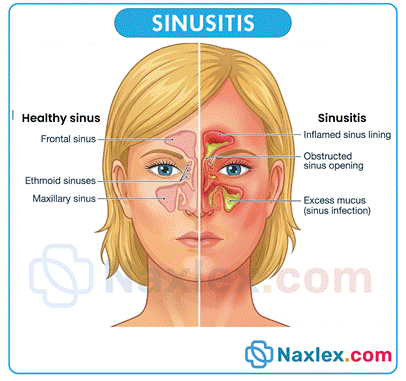
Investigations
- Sinus Palpation: Assessing for tenderness by applying firm pressure over the sinus cavities.
- Transillumination: Using a light against the sinus in a dark room; infected sinuses do not allow light to pass through (opaque).
- Imaging: CT scans are the gold standard for visualizing chronic sinusitis or identifying anatomical obstructions like a deviated septum.
Nursing Interventions
- Promote Drainage: Advise use of hot showers (steam), humidifiers, and saline nasal sprays.
- Hydration: Increase fluid intake to 2 to 3 liters per day to thin secretions.
- Pharmacology: Amoxicillin is typically the first-line antibiotic for bacterial sinusitis. Teach the patient to finish the entire course.
Complications
- Orbital Cellulitis: Spread of infection to the eye socket, causing swelling and possible vision loss.
- Meningitis: Spread of infection to the brain lining, signaled by a stiff neck (nuchal rigidity) and severe headache.
Influenza
Influenza is a highly contagious respiratory illness that affects millions of Americans annually, with 5% to 20% of the population contracting the virus each year. Seasonal influenza occurs from September through April, peaking between November and March, and leads to over 200,000 hospitalizations and approximately 20,000 deaths annually. Influenza viruses are classified into three types—A, B, and C—with types A and B causing significant human illness. Influenza A, the most common and virulent type, is further subtyped based on hemagglutinin (H) and neuraminidase (N) proteins, and it can infect humans and various animals, sometimes resulting in pandemics when new strains emerge. Influenza B and C infect only humans, with type B causing regional epidemics and type C producing mild illness. The virus’s ability to mutate accounts for widespread disease and the need for annual vaccination, especially in high-risk populations. Transmission occurs via direct animal contact, contaminated surfaces, and human-to-human droplet spread, with an incubation period of 1 to 4 days and peak infectiousness occurring shortly after exposure.
Pathophysiology
Influenza viruses (Types A, B, and C) have a remarkable ability to mutate. Type A is the most common and causes the most severe outbreaks. The virus destroys the ciliated epithelium of the respiratory tract, which impairs the body’s ability to clear secretions.
Clinical Manifestations
- Abrupt Onset: Fever, chills, and profound malaise.
- Systemic Symptoms: Severe generalized myalgia (muscle aches) and headache.
- Respiratory Symptoms: Sore throat and a dry, hacking cough.
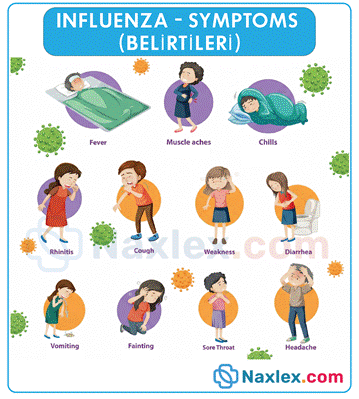
Investigations
- Rapid Influenza Diagnostic Tests (RIDTs): Nasal swabs that give results in less than 30 minutes. Note: These have a high false-negative rate.
- Viral Culture: The "gold standard" for identifying the specific strain but takes 3 to 10 days for results.
Nursing Management
- Droplet Precautions: Use a private room and wear a mask when within 3 feet of the patient.
- Antivirals: (Oseltamivir/Tamiflu). These must be started within 24 to 48 hours of symptom onset to be effective.
- Prevention: Annual vaccination is recommended for everyone age 6 months and older.
Complications
- Primary Influenza Pneumonia: Direct viral infection of the lungs.
- Secondary Bacterial Pneumonia: The most common complication. Suspect this if the patient improves and then suddenly develops a high fever and productive cough.
Pneumonia
Pneumonia is an acute infection of the lung parenchyma. Prior to 1936, it was the leading cause of death in the United States. The introduction of sulfa drugs and penicillin marked a major turning point in the treatment of pneumonia, leading to substantial reductions in mortality. Since then, continued advancements in antibiotic therapy have greatly improved clinical outcomes. Nevertheless, pneumonia remains a significant cause of morbidity and mortality. Community-acquired pneumonia (CAP) is currently the sixth leading cause of death among adults aged 65 years and older in the United States.
Classifications
- Community-Acquired (CAP): Contracted by a person outside of the healthcare system.
- Hospital-Acquired (HAP): Occurs 48 hours or more after hospital admission.
- Ventilator-Associated (VAP): Occurs more than 48 hours after endotracheal intubation.
- Aspiration Pneumonia: Results from the abnormal entry of secretions or substances (food, stomach acid) into the lower airway.
Risk Factors
- Recent abdominal or thoracic surgery
- Older age (>65 years)
- Exposure to air pollution
- Altered level of consciousness, including alcoholism, head injury, seizures, anesthesia, drug overdose, or stroke
- Prolonged bed rest and immobility
- Chronic diseases, such as chronic lung or liver disease, diabetes mellitus, heart disease, cancer, and chronic kidney disease
- Debilitating illness
- Exposure to animals, including bats, birds, rabbits, and farm animals
- Immunosuppression due to disease or therapy (corticosteroids, cancer chemotherapy, HIV infection, or immunosuppressive therapy after organ transplantation)
- Inhalation or aspiration of noxious substances
- Enteral nutrition via nasogastric or nasointestinal tubes
- Intravenous (IV) drug use
- Malnutrition
- Recent antibiotic use
- Residence in a long-term care facility
- Smoking
- Tracheal intubation, including endotracheal intubation
Pathophysiology: The Four Stages
- Congestion: Microorganisms reach the alveoli, leading to an outpouring of fluid.
- Red Hepatization: Massive dilation of capillaries occurs; alveoli fill with organisms, red blood cells, and fibrin. The lungs appear solid and red, like a liver.
- Gray Hepatization: Blood flow decreases; leukocytes and fibrin consolidate in the affected area.
- Resolution: Macrophages ingest and remove the debris, and lung tissue eventually returns to normal function.
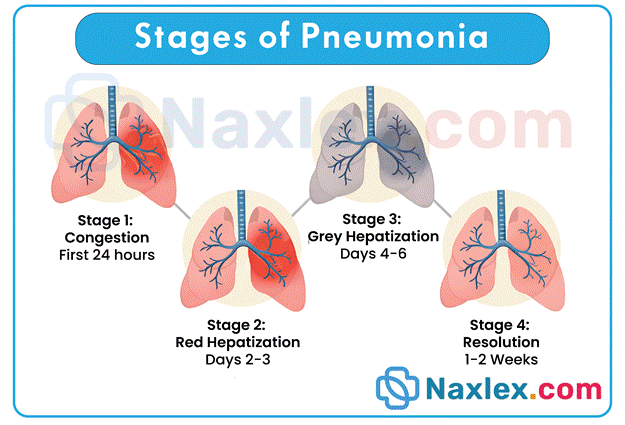 Clinical Manifestations
- Respiratory: Tachypnea, dyspnea, and use of accessory muscles.
- Cough: Productive cough with sputum that may be green, yellow, or rust-colored.
- Physical Exam:
- Crackles (rales) or wheezing on auscultation.
- Dullness on percussion over the consolidated area.
- Increased tactile fremitus.
- Gerontologic Note: In older adults, the primary symptom is often confusion or lethargy due to hypoxia, rather than fever or cough.
Investigations and Diagnostics
- Chest X-Ray: Shows areas of consolidation (infiltrates). This is the primary diagnostic tool.
- Sputum Culture and Sensitivity: Essential to identify the organism and the correct antibiotic. This must be obtained before the first dose of antibiotics is given.
- Arterial Blood Gases (ABGs): May show respiratory acidosis and hypoxemia.
- CBC: Usually shows an elevated White Blood Cell (WBC) count (leukocytosis).
- Pulse Oximetry: Usually shows oxygen saturation (SaO2) less than 92 percent.
Nursing Management and Priorities
- Airway Clearance:
- Place the patient in High-Fowler’s position (90 degrees).
- Encourage the use of an Incentive Spirometer (10 times per hour while awake).
- Perform Chest Physiotherapy (CPT) to loosen thick secretions.
- Oxygenation: Titrate supplemental oxygen to keep SaO2 at 92 to 95 percent (or as ordered).
- Hydration: Encourage 2 to 3 liters of oral fluid daily to thin mucus and make it easier to cough up.
- Nutrition: Provide high-calorie, small, frequent meals to prevent fatigue.
- Antibiotic Therapy: Ensure the first dose is administered as soon as the sputum culture is collected.
Drug therapy for Pneumonia
Community-Acquired Pneumonia (CAP)Treatment Options
Patient Status and Recommended Therapy
|
Patient Variable |
Treatment Options |
|
Outpatient – Previously healthy No antibiotics in past 3 months and no risk for drug-resistant S. pneumoniae |
Macrolide OR doxycycline |
|
Outpatient – With comorbidities COPD, diabetes, chronic heart, liver, lung, or renal disease, malignancy, or antibiotic use in past 3 months |
Respiratory fluoroquinolone OR β-lactam plus macrolide(Doxycycline may substitute for macrolide) |
|
Outpatient – Regions with ≥25% macrolide-resistant S. pneumoniae |
Respiratory fluoroquinolone OR β-lactam plus macrolide |
|
Inpatient – Medical unit |
Respiratory fluoroquinolone OR β-lactam plus macrolide |
|
Inpatient – ICU |
β-lactam plus azithromycin OR β-lactam plus respiratory fluoroquinolone |
Special Conditions
|
Condition |
Recommended Treatment |
|
Pseudomonas infection |
Antipneumococcal, antipseudomonal β-lactam plus ciprofloxacin or levofloxacin OR β-lactam plus aminoglycoside and azithromycin OR β-lactam plus aminoglycoside and antipneumococcal fluoroquinolone |
|
Pseudomonas infection with penicillin allergy |
Substitute aztreonam for β-lactam |
|
Community-acquired MRSA (CA-MRSA) |
Add vancomycin or linezolid (Zyvox) |
Types of Antibiotics
|
Antibiotic Class |
Examples |
|
Macrolides |
Erythromycin; azithromycin (Zithromax); clarithromycin (Biaxin) |
|
Fluoroquinolones |
Moxifloxacin (Avelox, Vigamox); levofloxacin (Levaquin); gemifloxacin (Factive) |
|
β-Lactams |
High-dose amoxicillin; amoxicillin/clavulanate (Augmentin); cefpodoxime (Vantin); ceftriaxone (Rocephin); cefuroxime (Ceftin) |
|
Antipneumococcal, antipseudomonal β-lactams |
Imipenem/cilastatin (Primaxin); meropenem (Merrem); cefepime (Maxipime); piperacillin/tazobactam (Zosyn) |
Complications
- Pleurisy is a common complication of pneumonia and involves inflammation of the pleural lining.
- Pleural effusion occurs when fluid accumulates in the pleural space and usually resolves within 1 to 2 weeks, although some cases require thoracentesis.
- Empyema develops when purulent fluid collects in the pleural cavity and requires antibiotic therapy and drainage.
- Pneumothorax can occur when air enters the pleural space and causes partial or complete lung collapse.
- Atelectasis occurs when alveoli collapse and typically improves with effective coughing and deep breathing.
- Lung abscess is an uncommon complication but may occur in pneumonia caused by Staphylococcus aureus or gram-negative organisms.
- Bacteremia occurs when bacteria enter the bloodstream and is more likely with Streptococcus pneumoniae and Haemophilus influenzae infections.
- Sepsis occurs when bacteremia becomes systemic and may progress to shock and multisystem organ dysfunction syndrome.
- Pericarditis can result from the spread of infection to the pericardium.
- Meningitis may occur, particularly with Streptococcus pneumoniae, and should be suspected in patients with altered mental status.
- Acute respiratory failure is a severe complication that occurs when pneumonia impairs the lungs’ ability to exchange oxygen and carbon dioxide.
Patient Education
- Teach the importance of the Pneumococcal and Influenza vaccines.
- Advise on smoking cessation.
- Explain the necessity of finishing all prescribed antibiotics, even if the patient feels better after two days.
Summary
- Acute respiratory disorders range from mild upper airway inflammation to life-threatening lower respiratory infections.
- Rhinitis is characterized by nasal mucosal inflammation, commonly allergic or viral, and involves IgE-mediated immune responses.
- Sinusitis results from obstruction of sinus drainage, leading to microbial growth, facial pain, and purulent discharge.
- Influenza is an acute systemic viral illness with abrupt onset, high contagion, and significant risk of pneumonia.
- Pneumonia is an infection of the lung parenchyma that impairs gas exchange through alveolar inflammation and consolidation.
- Diagnostic testing includes imaging, laboratory studies, pulmonary assessments, and microbiologic cultures to guide treatment.
- Nursing management focuses on airway support, oxygenation, hydration, and timely medication administration.
- Complications such as respiratory failure, sepsis, and pleural disorders require early recognition and prompt intervention to reduce mortality.
Naxlex
Videos
Login to View Video
Click here to loginTake Notes on Acute Respiratory Disorders
This filled cannot be empty
Join Naxlex Nursing for nursing questions & guides! Sign Up Now