






 Video Library


Please set your exam date
Asthma
Study Questions
Practice Exercise 1
A nurse is assessing a client with asthma. Which of the following is a risk factor associated with this disease?
Explanation
Asthma is a chronic inflammatory airway disorder strongly associated with atopy and hypersensitivity reactions. Environmental allergens trigger immune-mediated inflammation, bronchoconstriction, and airway hyperresponsiveness in susceptible individuals. Identification of allergic risk factors is essential for prevention, education, and long-term asthma control.
Rationale for Correct Answer
2. Environmental allergies. Environmental allergens such as pollen, dust mites, mold, and animal dander are major risk factors for the development and exacerbation of asthma. Exposure to these allergens leads to IgE-mediated inflammation, airway edema, mucus production, and bronchial hyperresponsiveness. Clients with allergic rhinitis or eczema frequently develop asthma due to this shared atopic pathway.
Rationale for Incorrect Answers
1. Gender. Gender alone is not considered a modifiable or primary risk factor for asthma development. Although asthma prevalence varies by age and sex, gender does not directly cause airway inflammation or hypersensitivity. It is not sufficient by itself to explain the pathophysiology of asthma.
3. Alcohol use. Alcohol consumption is not recognized as a direct risk factor for asthma. Certain alcoholic beverages may trigger symptoms in sensitive individuals due to additives such as sulfites, but alcohol itself does not cause chronic airway inflammation. This option does not reflect a common or established risk factor.
4. Race. Race is not a biological cause of asthma, though disparities exist in prevalence and outcomes due to socioeconomic, environmental, and access-to-care factors. These differences reflect social determinants of health rather than inherent racial risk. Asthma pathophysiology is driven by immune and environmental mechanisms, not race itself.
Test-Taking Strategy
• Focus on factors that directly contribute to airway inflammation and hypersensitivity.
• Identify known atopic conditions that share immunologic mechanisms with asthma.
• Eliminate demographic variables that do not directly cause disease pathology.
Take-Home Points
• Environmental allergies are a major risk factor for asthma development and exacerbation.
• Asthma is closely linked to atopy and IgE-mediated immune responses.
• Identification and avoidance of allergens are key components of asthma management and prevention.
A client with intermittent asthma is trying to identify specific triggers of asthma. What should the nurse explain?
Explanation
Asthma exacerbations occur when triggers increase airway inflammation, mucus production, and bronchial hyperresponsiveness. Viral upper respiratory infections are among the most frequent and clinically significant precipitants of acute asthma attacks. Education about infectious triggers is critical for early symptom recognition and timely intervention.
Rationale for Correct Answer
4. Viral upper respiratory infections are a common precipitating factor in acute asthma attacks. Respiratory viruses damage airway epithelium and stimulate inflammatory mediators that increase bronchial hyperreactivity. This inflammatory response narrows airways and lowers the threshold for bronchospasm. Viral infections are a leading cause of asthma exacerbations across all age groups, especially in individuals with intermittent asthma.
Rationale for Incorrect Answers
1. Food and drug allergies do not manifest in respiratory symptoms. Food and medication allergies can provoke bronchospasm, airway edema, and increased mucus production. These reactions may trigger asthma symptoms or anaphylaxis in sensitized individuals. Denying respiratory involvement ignores well-established immunologic responses.
2. Exercise-induced asthma is seen only in individuals with sensitivity to cold air. Exercise-induced bronchoconstriction occurs due to airway cooling and drying from increased ventilation. This mechanism can occur in both warm and cold environments. Cold air may worsen symptoms, but it is not required for exercise-induced asthma to develop.
3. Asthma attacks are psychogenic in origin and can be controlled with relaxation techniques. Asthma is a chronic inflammatory airway disorder with immune-mediated and structural airway changes. Emotional stress may worsen symptoms but does not cause asthma attacks independently. Relaxation strategies may support symptom management but cannot replace pharmacologic therapy.
Test-Taking Strategy
• Select triggers that directly increase airway inflammation or bronchial hyperresponsiveness.
• Eliminate options that minimize asthma as psychological or deny immunologic mechanisms.
• Recall that infections are among the most common precipitants of acute asthma exacerbations.
Take-Home Points
• Viral upper respiratory infections are a major trigger for asthma attacks.
• Asthma is a physiologic inflammatory disease, not a psychogenic condition.
• Accurate trigger identification improves prevention and self-management of asthma.
A client is concerned that he may have asthma. Of the symptoms that he relates to the nurse, which ones suggest asthma or risk factors for asthma? Select all that apply
Explanation
Asthma is a chronic inflammatory airway disorder commonly associated with atopy, nocturnal symptoms, and comorbid conditions that increase airway irritation. Allergic diseases, nighttime cough, and gastroesophageal reflux are well-established risk factors or manifestations of asthma. Identifying these features supports further diagnostic evaluation and appropriate management.
Rationale for Correct Answers
1. Allergic rhinitis. Allergic rhinitis and asthma share common immunologic pathways involving IgE-mediated hypersensitivity. Inflammation of the upper airway contributes to lower airway hyperresponsiveness, a relationship known as the “united airway” concept. Clients with allergic rhinitis are at increased risk for developing asthma.
3. History of skin allergies. Skin allergies, such as eczema or atopic dermatitis, indicate an atopic predisposition. Atopy reflects an exaggerated immune response to allergens that also affects the airways. Individuals with a history of skin allergies have a significantly higher likelihood of developing asthma.
4. Cough, especially at night. Nocturnal cough is a classic symptom of asthma due to increased airway hyperreactivity and vagal tone during sleep. This symptom may occur even in the absence of wheezing, particularly in cough-variant asthma. Nighttime cough strongly suggests underlying airway inflammation.
5. Gastric reflux or heartburn. Gastroesophageal reflux disease (GERD) can trigger bronchoconstriction through microaspiration or vagal reflexes. Acid reflux irritates the airway mucosa, worsening asthma symptoms or contributing to chronic cough. GERD is a recognized comorbidity and risk factor for asthma exacerbations.
Rationale for Incorrect Answer
2. Prolonged inhalation. Prolonged inhalation is not a symptom or recognized risk factor for asthma. It does not indicate airway inflammation, bronchial hyperresponsiveness, or allergic predisposition. This finding does not contribute to asthma diagnosis or risk assessment.
Test-Taking Strategy
• Identify features associated with atopy, nocturnal symptoms, and airway irritation.
• Select options that reflect known comorbid conditions linked to asthma pathophysiology.
• Eliminate findings that do not reflect immune or respiratory dysfunction.
Take-Home Points
• Allergic rhinitis, eczema, nighttime cough, and GERD are strong indicators or risk factors for asthma.
• Asthma frequently coexists with other atopic and reflux conditions.
• Recognizing these features supports early diagnosis and targeted management.
A client asks the nurse why some people develop asthma while others do not. Which explanation by the nurse is most accurate?
Explanation
Asthma is a chronic inflammatory airway disorder with a multifactorial etiology. Both inherited susceptibility and environmental exposures interact to produce airway hyperresponsiveness and inflammation. This interaction explains individual variation in asthma development despite similar lifestyles or environments.
Rationale for Correct Answer
2. “Asthma can result from a combination of genetic factors and environmental exposures.” Genetic factors influence immune regulation, airway structure, and inflammatory responsiveness. Environmental exposures such as allergens, tobacco smoke, air pollution, and viral respiratory infections activate inflammatory pathways in genetically susceptible individuals. The interaction between these factors leads to chronic airway inflammation, reversible airflow obstruction, and asthma symptoms.
Rationale for Incorrect Answers
1. “Asthma develops only if you exercise too much.” Exercise does not cause asthma but can trigger bronchoconstriction in individuals with underlying airway hyperresponsiveness. Exercise-induced symptoms reflect a physiologic response to increased ventilation and airway drying, not disease causation. This explanation incorrectly identifies a trigger as the cause of asthma.
3. “Asthma occurs when your diet lacks certain vitamins.” Nutritional deficiencies do not directly cause asthma or the chronic airway inflammation characteristic of the disease. Although diet may influence general immune health, asthma development involves complex immune and environmental interactions. This statement oversimplifies asthma pathophysiology and is scientifically inaccurate.
4. “Asthma is caused by drinking cold liquids.” Drinking cold liquids has no evidence-based association with the development of asthma. Cold exposure may provoke transient symptoms in sensitive individuals but does not initiate chronic inflammatory airway disease. This explanation lacks physiologic plausibility and scientific support.
Test-Taking Strategy
• Choose explanations reflecting multifactorial disease mechanisms rather than single behaviors or myths.
• Distinguish between asthma causes and asthma triggers.
• Eliminate options that lack immunologic or physiologic basis.
Take-Home Points
• Asthma results from an interaction between genetic predisposition and environmental exposures.
• Exercise, cold exposure, or diet alone do not cause asthma.
• Understanding asthma etiology supports accurate education and prevention strategies.
A nurse is educating a client about common triggers that may lead to asthma symptoms. Which of the following are known etiologic factors for asthma? Select all that apply
Explanation
Asthma is a chronic inflammatory disorder of the airways characterized by bronchial hyperresponsiveness, airway inflammation, and reversible airflow obstruction. The development of asthma is multifactorial and influenced by both genetic susceptibility and environmental exposures that trigger immune-mediated airway inflammation. Understanding etiologic factors helps clients identify risks and implement preventive strategies.
Rationale for Correct Answers
1. Viral respiratory infections in childhood. Early-life viral respiratory infections, particularly those caused by RSV or rhinovirus, are strongly associated with the later development of asthma. These infections can alter immune system development and promote a Th2-dominant inflammatory response in genetically susceptible individuals. Recurrent or severe viral infections can also damage airway epithelium, increasing long-term airway hyperreactivity.
2. Smoking or secondhand smoke exposure. Tobacco smoke is a potent airway irritant that promotes chronic inflammation and increased mucus production. Exposure to cigarette smoke, including secondhand smoke, impairs normal lung development in children and exacerbates airway hyperresponsiveness. This exposure increases both the risk of developing asthma and the severity of asthma symptoms.
3. Occupational exposure to chemicals or dust. Occupational asthma can result from repeated exposure to airborne irritants such as chemicals, solvents, fumes, or organic and inorganic dusts. These substances can directly injure airway tissues or trigger immune-mediated hypersensitivity reactions. Over time, chronic exposure leads to persistent airway inflammation and bronchoconstriction.
5. Genetic predisposition. A family history of asthma, allergic rhinitis, or atopic dermatitis significantly increases an individual’s risk of developing asthma. Genetic factors influence immune regulation, IgE production, and airway responsiveness. Asthma is considered a polygenic disorder in which inherited susceptibility interacts with environmental triggers.
Rationale for Incorrect Answer
4. High intake of vitamin C. Vitamin C intake has not been shown to cause or increase the risk of asthma development. In contrast, vitamin C functions as an antioxidant and may play a protective role in reducing oxidative stress in the airways. There is no evidence supporting high vitamin C intake as an etiologic factor for asthma.
Test-Taking Strategy
• Focus on factors that promote airway inflammation or immune dysregulation.
• Select options involving environmental exposures and inherited risk, which are central to asthma pathophysiology.
• Eliminate choices that describe nutritional intake without evidence of causing airway disease.
Take-Home Points
• Asthma arises from an interaction between genetic susceptibility and environmental triggers.
• Viral infections, smoke exposure, and occupational irritants contribute to chronic airway inflammation and hyperresponsiveness.
• Not all lifestyle or dietary factors are causative; focus on those supported by immunologic and pulmonary evidence.
Practice Exercise 2
A client with asthma is being assessed. What is an indication of marked bronchoconstriction with air trapping and hyperinflation of the lungs?
Explanation
Asthma is characterized by reversible airway inflammation, bronchoconstriction, and increased mucus production, which can lead to air trapping and lung hyperinflation during severe exacerbations. When air becomes trapped in the alveoli, intrathoracic pressure increases and normal lung recoil is impaired. These pathophysiologic changes produce characteristic structural findings on imaging studies.
Rationale for Correct Answer
4. Chest x-ray showing a flattened diaphragm. Lung hyperinflation causes downward displacement and flattening of the diaphragm due to increased residual air volume in the lungs. This radiographic finding reflects significant air trapping resulting from marked bronchoconstriction and prolonged expiration. Flattened diaphragms indicate chronic or severe obstruction that interferes with normal ventilatory mechanics.
Rationale for Incorrect Answers
1. SaO₂ of 85%. An oxygen saturation of 85% indicates significant hypoxemia and impaired gas exchange. This finding reflects ventilation–perfusion mismatch rather than structural hyperinflation of the lungs. Although severe asthma can cause hypoxemia, oxygen saturation alone does not specifically demonstrate air trapping or hyperinflation.
2. PEF rate of <150 L/min. A markedly reduced peak expiratory flow rate indicates severe airway obstruction and limited expiratory airflow. This measurement reflects bronchoconstriction severity but does not directly identify air trapping or lung hyperinflation. PEF assesses airflow limitation rather than changes in lung volumes or thoracic structure.
3. FEV₁ of 85% of predicted. An FEV₁ at 85% of predicted is within normal or near-normal limits for lung function. This value suggests minimal airflow obstruction rather than severe bronchoconstriction. Such a result would not be consistent with air trapping or hyperinflation.
Test-Taking Strategy
• Look for findings that represent structural or volumetric changes associated with air trapping.
• Differentiate between airflow measurements and radiographic evidence of hyperinflation.
• Recall that hyperinflation alters diaphragm position and lung anatomy.
Take-Home Points
• Air trapping and hyperinflation cause flattening of the diaphragm on chest imaging.
• Oxygen saturation and peak flow primarily reflect gas exchange and airflow limitation, not lung volume changes.
• Radiographic findings are key indicators of chronic or severe obstructive lung pathology.
A nurse is assessing a client with suspected asthma. The client reports episodic shortness of breath and wheezing. On auscultation, the nurse notes expiratory wheezes and prolonged expiratory phase. Which additional finding most strongly supports the diagnosis of asthma?
Explanation
Asthma is a chronic inflammatory disorder of the airways characterized by reversible airflow obstruction, bronchial hyperresponsiveness, and episodic exacerbations. During an asthma episode, bronchoconstriction and airway edema narrow the airways, particularly affecting expiration. These changes increase the work of breathing and lead to compensatory use of additional muscles to facilitate airflow.
Rationale for Correct Answer
3. Use of accessory muscles during expiration. Accessory muscle use indicates increased work of breathing due to airway obstruction and difficulty moving air out of the lungs. In asthma, prolonged expiration occurs because narrowed airways resist airflow, requiring recruitment of abdominal and intercostal muscles to generate sufficient expiratory force. This finding directly reflects the pathophysiology of bronchoconstriction and supports the diagnosis of asthma.
Rationale for Incorrect Answers
1. Clubbing of fingers. Clubbing is associated with chronic hypoxemia seen in conditions such as lung cancer, cystic fibrosis, or interstitial lung disease. Asthma is typically a reversible airway disease and does not cause long-standing hypoxia severe enough to produce digital clubbing. The presence of clubbing would suggest an alternative chronic pulmonary pathology.
2. Productive cough with green sputum. Green or purulent sputum suggests bacterial infection, such as pneumonia or bronchitis. Asthma exacerbations are usually associated with nonproductive cough or minimal clear sputum due to mucus hypersecretion. Purulent sputum does not support asthma as the primary diagnosis.
4. Hemoptysis. Hemoptysis indicates bleeding within the respiratory tract and is commonly associated with infections, pulmonary embolism, tuberculosis, or malignancy. Asthma does not typically cause airway bleeding or blood-tinged sputum. This finding would warrant evaluation for other serious pulmonary conditions.
Test-Taking Strategy
• Focus on findings that reflect increased airway resistance and work of breathing.
• Eliminate options associated with infection, chronic hypoxia, or bleeding.
• Recall that asthma primarily affects expiration due to bronchial narrowing.
Take-Home Points
• Accessory muscle use during expiration is a key sign of significant bronchoconstriction.
• Asthma causes reversible airflow obstruction rather than chronic hypoxic changes.
• Findings suggestive of infection or bleeding indicate alternative diagnoses, not asthma.
A client with asthma is undergoing a methacholine challenge test. The nurse knows that a positive test result indicates:
Explanation
The methacholine challenge test is a bronchoprovocation study used to evaluate airway responsiveness when asthma is suspected but baseline spirometry is normal. Methacholine is a cholinergic agonist that directly stimulates airway smooth muscle contraction. An exaggerated bronchoconstrictive response indicates abnormal airway sensitivity.
Rationale for Correct Answer
1. Airway hyperresponsiveness consistent with asthma. A positive methacholine challenge test is defined by a significant decrease in FEV₁ after inhalation of methacholine. This response demonstrates heightened airway sensitivity and reversible bronchoconstriction, which are defining features of asthma. The test supports the diagnosis by reproducing physiologic airway narrowing under controlled conditions.
Rationale for Incorrect Answers
2. Presence of a bacterial respiratory infection. Bacterial infections cause airway inflammation and purulent secretions but do not produce immediate bronchoconstriction in response to methacholine. The methacholine test does not assess infectious processes or identify pathogens. A positive result reflects airway reactivity rather than infection.
3. Chronic obstructive pulmonary disease. COPD is characterized by fixed or poorly reversible airflow limitation due to emphysematous or chronic bronchitic changes. Patients with COPD typically have a less pronounced response to methacholine compared with those who have asthma. The test is not used to diagnose COPD and does not confirm irreversible airway obstruction.
4. Pulmonary embolism. Pulmonary embolism affects pulmonary perfusion rather than airway smooth muscle tone. Methacholine does not provoke vascular obstruction or clot formation. Diagnostic testing for pulmonary embolism relies on imaging and laboratory studies, not bronchoprovocation.
Test-Taking Strategy
• Associate methacholine challenge testing with provoked bronchoconstriction.
• Eliminate options involving infection, vascular obstruction, or fixed airway disease.
• Recall that asthma is defined by reversible airflow limitation and airway hyperreactivity.
Take-Home Points
• Methacholine causes bronchoconstriction in individuals with airway hyperresponsiveness.
• A positive test strongly supports a diagnosis of asthma.
• The test does not diagnose infections, embolic events, or fixed obstructive lung disease.
A nurse is interpreting the results of a client’s pulmonary function tests (PFTs). Which finding is most indicative of reversible airway obstruction typical of asthma?
Explanation
Asthma is characterized by episodic, reversible airway obstruction caused by bronchial smooth muscle constriction, airway inflammation, and mucus production. Pulmonary function testing is used to evaluate airflow limitation and the degree of reversibility following bronchodilator administration. Demonstration of improved expiratory airflow after bronchodilator therapy is a key diagnostic feature of asthma.
Rationale for Correct Answer
1. FEV₁ increases by 15% after administration of a short-acting bronchodilator. An increase in FEV₁ of 12% or more after bronchodilator use indicates significant reversibility of airway obstruction. This improvement reflects relaxation of bronchial smooth muscle and reduction of airflow resistance. Such reversibility is a defining physiologic hallmark of asthma.
Rationale for Incorrect Answers
2. FEV₁ remains unchanged after bronchodilator therapy. Lack of improvement in FEV₁ suggests fixed airflow obstruction rather than reversible disease. This pattern is more consistent with chronic obstructive pulmonary disease or advanced airway remodeling. Absence of reversibility does not support a diagnosis of asthma.
3. FVC is significantly decreased, with no change after bronchodilator. A reduced forced vital capacity without bronchodilator response suggests restrictive lung disease or severe air trapping. Restrictive disorders involve reduced lung compliance rather than bronchial smooth muscle constriction. This pattern does not reflect the reversible obstruction characteristic of asthma.
4. Total lung capacity is reduced. Reduced total lung capacity indicates restrictive lung pathology such as pulmonary fibrosis or neuromuscular disease. Asthma typically presents with normal or increased total lung capacity due to air trapping. A decreased TLC is inconsistent with asthma pathophysiology.
Test-Taking Strategy
• Identify findings that demonstrate improvement after bronchodilator use.
• Eliminate patterns associated with fixed obstruction or restrictive lung disease.
• Recall that FEV₁ reversibility is central to asthma diagnosis.
Take-Home Points
• Asthma is defined by reversible airflow limitation.
• A post-bronchodilator increase in FEV₁ confirms airway reversibility.
• Restrictive patterns and nonresponsive airflow obstruction argue against asthma.
A nurse is assessing a client with chronic asthma who reports increased shortness of breath over the past week. Auscultation reveals diminished breath sounds bilaterally with scattered wheezing. The nurse recognizes that diminished breath sounds in an asthmatic client may indicate:
Explanation
Asthma exacerbations involve progressive airway narrowing due to bronchospasm, mucosal edema, and increased mucus production. As obstruction worsens, airflow through the bronchi becomes significantly reduced. In severe cases, reduced airflow limits sound transmission, resulting in diminished or even absent breath sounds on auscultation.
Rationale for Correct Answer
2. Severe airway obstruction requiring urgent intervention. Diminished breath sounds in an asthmatic client indicate markedly reduced airflow caused by critical bronchoconstriction. This finding suggests impending respiratory failure because minimal air is moving through the airways despite increased respiratory effort. Recognition of this sign is essential, as it requires immediate assessment and aggressive management to prevent hypoxemia and respiratory arrest.
Rationale for Incorrect Answers
1. Mild, well-controlled asthma. Mild or well-controlled asthma typically presents with normal breath sounds between exacerbations. Airflow is adequate, and wheezing may be absent. Diminished breath sounds are inconsistent with effective asthma control.
3. Early recovery from an exacerbation. Recovery from an asthma exacerbation is associated with improving airflow and resolution of bronchoconstriction. Breath sounds generally become clearer as wheezing decreases and air movement improves. Diminished breath sounds suggest worsening rather than improvement.
4. Pulmonary embolism. Pulmonary embolism primarily affects pulmonary perfusion rather than airway caliber. Breath sounds in pulmonary embolism are often normal unless complications such as pleural effusion occur. This condition does not explain diffuse diminished breath sounds with wheezing.
Test-Taking Strategy
• Recognize that very quiet lungs in asthma signal danger, not improvement.
• Distinguish between reduced airflow and improving airway patency.
• Prioritize findings that indicate life-threatening respiratory compromise.
Take-Home Points
• Diminished breath sounds in asthma reflect critical airway narrowing.
• Quiet lung fields can precede respiratory failure.
• This finding warrants immediate intervention and close monitoring.
Practice Exercise 3
A nurse on a medical-surgical unit admits a client. Two hours after admission, the client’s SaO2 is 91%, and he exhibits audible wheezes and uses accessory muscles. Which medication should the nurse expect to administer?
Explanation
Acute wheezing, accessory muscle use, and decreased oxygen saturation indicate acute airway obstruction with increased work of breathing. These findings are consistent with bronchoconstriction requiring rapid bronchodilation. Immediate pharmacologic management targets relaxation of airway smooth muscle to restore airflow and improve oxygenation.
Rationale for Correct Answer
4. Beta-2 agonist. Short-acting beta-2 adrenergic agonists, such as albuterol, directly stimulate beta₂ receptors in bronchial smooth muscle. This stimulation causes rapid muscle relaxation, bronchodilation, and decreased airway resistance. Administration of a beta₂ agonist is the first-line treatment for acute bronchospasm accompanied by wheezing and accessory muscle use.
Rationale for Incorrect Answers
1. Antibiotic. Antibiotics are used to treat bacterial infections and do not provide immediate relief of bronchoconstriction. The client’s presentation reflects acute airflow limitation rather than confirmed infection. Delaying bronchodilator therapy in favor of antibiotics would not address the urgent respiratory compromise.
2. Beta-blocker. Beta-blockers antagonize beta-adrenergic receptors and can worsen bronchoconstriction by inhibiting beta₂-mediated bronchodilation. Use of beta-blockers in a client with wheezing can precipitate severe bronchospasm. This medication class is contraindicated in acute obstructive airway conditions.
3. Antiviral. Antiviral medications treat viral replication but have no immediate effect on airway tone. They do not reverse bronchospasm or improve oxygenation during an acute respiratory event. The client’s symptoms require rapid bronchodilation rather than antiviral therapy.
Test-Taking Strategy
• Focus on signs of acute bronchospasm and respiratory distress.
• Select medications that provide rapid airway smooth muscle relaxation.
• Eliminate treatments that do not act immediately on airflow obstruction.
Take-Home Points
• Audible wheezing and accessory muscle use indicate acute bronchoconstriction.
• Short-acting beta₂ agonists are first-line therapy for rapid bronchodilation.
• Medications that block beta receptors or treat infection do not relieve acute wheezing.
A nurse is teaching a client about going from a metered-dose inhaler (MDI) to a dry powder inhaler (DPI). Which statement by the client shows the nurse that the client needs more teaching?
Explanation
Dry powder inhalers (DPIs) are medication delivery devices used in respiratory conditions such as asthma and chronic obstructive pulmonary disease (COPD). They deliver powdered medication directly to the lungs without the need for propellants, relying on the patient’s inhalation effort. Proper technique, including correct inhalation, device preparation, and breath-holding, is essential for effective drug deposition, symptom control, and improved pulmonary function.
Rationale for Correct Answer
4. “I will store it in the bathroom so I will be able to clean it when I need to.” DPIs must be kept dry because moisture can cause the powdered medication to clump and obstruct proper aerosolization. Bathrooms are humid environments that increase the risk of moisture exposure, leading to decreased medication delivery. This statement reflects a misunderstanding of proper DPI storage and indicates the need for further teaching.
Rationale for Incorrect Answers
1. “I do not need to use the spacer like I used to.” Spacers are used with metered-dose inhalers to improve coordination and medication delivery. DPIs are breath-actuated and do not require spacers for effective use. This statement correctly reflects the difference between MDI and DPI devices.
2. “I will hold my breath for 10 seconds or longer if I can.” Breath-holding after inhalation allows time for medication particles to deposit in the lower airways. This practice improves drug absorption and therapeutic effectiveness. The statement demonstrates correct inhaler technique.
3. “I will not shake this inhaler like I did with my old inhaler.” Shaking is required for MDIs to mix propellant and medication, but it is not required for DPIs. Shaking a DPI can disrupt the powdered medication dose. This statement correctly reflects appropriate DPI use.
Test-Taking Strategy
• Focus on storage and handling requirements unique to dry powder inhalers.
• Identify statements that would compromise medication delivery.
• Recall that DPIs are moisture-sensitive and breath-activated.
Take-Home Points
• Dry powder inhalers must be stored in a dry environment.
• Spacers and shaking are not used with DPIs.
• Proper technique and storage are critical for effective inhaled therapy.
A nurse is evaluating a client’s understanding of asthma self-management before discharge. Which actions by the client demonstrate understanding? Select all that apply.
Explanation
Asthma is a chronic inflammatory airway disorder characterized by episodic bronchoconstriction and variable airflow limitation. Long-term asthma management focuses on preventing exacerbations by minimizing exposure to factors that provoke airway inflammation and hyperresponsiveness. Client education is essential to reduce symptom frequency and prevent acute attacks.
Rationale for Correct Answers
1. Checking peak flow readings daily and comparing them with personal best values. Daily peak expiratory flow (PEF) monitoring allows clients to detect early airway obstruction before symptoms become severe. Comparing current readings to a personal best provides objective data to guide decisions outlined in the asthma action plan, such as adjusting medications or seeking care. This practice supports proactive management and reduces the risk of sudden, severe exacerbations.
3. Using a short-acting bronchodilator before planned exercise when exercise is a known trigger. Exercise-induced bronchoconstriction occurs due to airway cooling and drying, leading to smooth muscle contraction. Pre-treatment with a short-acting beta₂-agonist relaxes bronchial smooth muscle and prevents airflow limitation during physical activity. This demonstrates appropriate anticipatory management based on known personal triggers.
4. Scheduling regular follow-up visits to reassess inhaler technique and symptom control. Regular follow-up visits allow healthcare providers to evaluate asthma control, adjust therapy, and correct inhaler technique, which is a common cause of poor medication delivery. Asthma severity and control can change over time, requiring reassessment to prevent under- or overtreatment. This action reflects an understanding that asthma management is ongoing rather than episodic.
Rationale for Incorrect Answers
2. Increasing the frequency of the rescue inhaler without notifying the healthcare provider. Frequent reliance on short-acting beta₂-agonists indicates poor asthma control and increased airway inflammation. Overuse can mask worsening disease and delay necessary adjustments to controller therapy, such as inhaled corticosteroids. Clients should report increased use to a healthcare provider rather than independently escalating treatment.
5. Initiating oral corticosteroids independently at the first sign of wheezing. Oral corticosteroids are reserved for moderate to severe exacerbations and are typically initiated under provider guidance due to systemic side effects. Unsupervised use increases the risk of immunosuppression, hyperglycemia, hypertension, and adrenal suppression. Proper self-management involves following a prescribed action plan, not independent initiation of systemic therapy unless explicitly instructed.
Test-Taking Strategy
- Select actions that reflect preventive care, monitoring, and collaboration with healthcare providers.
- Eliminate choices that involve unsupervised medication escalation, especially systemic drugs.
- Remember that increased rescue inhaler use signals poor control, not effective self-management.
Take-Home Points
- Daily peak flow monitoring supports early detection of asthma worsening.
- Short-acting bronchodilators can be used preventively before known triggers like exercise.
- Ongoing follow-up is essential to maintain control and optimize therapy.
- Independent escalation of rescue or systemic medications indicates poor understanding of asthma self-management.
A client newly diagnosed with asthma is preparing for discharge. Which point should a nurse emphasize during the client’s teaching?
Explanation
Asthma is a chronic inflammatory airway disorder characterized by episodic bronchoconstriction and variable airflow limitation. Long-term asthma management focuses on preventing exacerbations by minimizing exposure to factors that provoke airway inflammation and hyperresponsiveness. Client education is essential to reduce symptom frequency and prevent acute attacks.
Rationale for Correct Answer
2. Limit exposure to sources that trigger an attack. Asthma exacerbations are commonly precipitated by identifiable triggers such as allergens, smoke, respiratory infections, and environmental irritants. Avoidance of these triggers reduces airway inflammation and decreases the likelihood of bronchoconstriction. Emphasizing trigger identification and avoidance is a cornerstone of effective asthma self-management.
Rationale for Incorrect Answers
1. Contact the care provider only if nighttime wheezing becomes a concern. Nighttime wheezing is a sign of poor asthma control and should prompt timely evaluation. Delaying communication until nocturnal symptoms occur can allow airway inflammation to progress. Clients should be taught to report worsening symptoms earlier to avoid life-threatening events.
3. Use a peak flow meter only if symptoms are worsening. Peak flow monitoring is most effective when used regularly to detect early declines in airflow before symptoms appear. Relying on symptoms alone delays intervention and increases the risk of severe exacerbations. Routine peak flow measurements support proactive asthma management.
4. Use inhaled steroid medication as a rescue inhaler. Inhaled corticosteroids reduce airway inflammation but do not provide rapid bronchodilation. Rescue therapy requires short-acting beta₂ agonists for quick symptom relief. Misusing inhaled steroids as rescue medication can delay effective treatment during acute attacks.
Test-Taking Strategy
• Focus on preventive strategies central to chronic asthma management.
• Distinguish between controller and rescue medications.
• Eliminate options that delay intervention or promote improper medication use.
Take-Home Points
• Trigger avoidance is essential to preventing asthma exacerbations.
• Peak flow monitoring should be routine, not symptom-triggered.
• Inhaled corticosteroids are maintenance medications, not rescue therapies.
A nurse is teaching a client with moderate persistent asthma about the use of inhaled corticosteroids (ICS). Which statement by the client indicates a need for further teaching?
Explanation
Inhaled corticosteroids (ICS) are controller medications for asthma that reduce airway inflammation, prevent exacerbations, and improve long-term lung function. They are not designed to provide rapid relief of acute bronchospasm. Understanding the difference between controller and rescue medications is essential for safe and effective asthma management.
Rationale for Correct Answer
3. “I can use this inhaler as a rescue when I suddenly wheeze.” ICS have a delayed onset of action and do not provide immediate bronchodilation. Using an ICS for acute symptoms is ineffective and can delay proper treatment with a short-acting beta₂ agonist. This misunderstanding indicates the client requires further teaching about correct inhaler use.
Rationale for Incorrect Answers
1. “I should rinse my mouth after using my inhaler to prevent thrush.” Rinsing the mouth after ICS use is recommended to prevent oral candidiasis, a common side effect of corticosteroid inhalation. This statement reflects correct understanding of safe inhaler technique. No further teaching is needed for this point.
2. “I will use my ICS inhaler every day even if I feel fine.” Daily use of ICS is necessary to maintain airway anti-inflammatory effects and prevent exacerbations. Asthma control depends on consistent use, not symptom presence. This statement demonstrates correct comprehension of the medication regimen.
4. “This medication helps reduce inflammation in my airways.” ICS reduce mucosal edema, airway hyperresponsiveness, and inflammatory cell activity. Understanding this mechanism is essential for adherence and proper asthma management. The client’s statement correctly describes the purpose of the inhaler.
Test-Taking Strategy
• Identify statements that misrepresent the purpose or timing of the medication.
• Eliminate options that describe correct technique or intended effect.
• Recall that rescue and controller medications serve different roles in asthma care.
Take-Home Points
• Inhaled corticosteroids are maintenance therapy, not for acute relief.
• Daily adherence prevents exacerbations even when asymptomatic.
• Mouth rinsing reduces the risk of oral candidiasis associated with ICS.
Comprehensive Questions
A nurse in the emergency department is caring for a client admitted with an acute asthma attack. Which findings indicate the client’s respiratory status is declining? Select all that apply
Explanation
Acute asthma exacerbations involve airway inflammation, bronchoconstriction, and mucus plugging, which can rapidly impair gas exchange. Worsening respiratory status is indicated by increased work of breathing, hypoxemia, hypercapnia, or evidence of cardiac strain due to hypoxia. Early recognition of signs of deterioration is critical to prevent respiratory failure and cardiac complications.
Rationale for Correct Answers
3. Retraction of sternal muscles. Retractions indicate that accessory muscles are being recruited to overcome severe airway obstruction. This reflects increased work of breathing and impending respiratory fatigue. Sternal and intercostal retractions are classic signs of worsening respiratory distress in asthma.
5. Premature ventricular complexes (PVCs). Hypoxia, hypercapnia, and acidosis during severe asthma can precipitate cardiac irritability. PVCs may indicate myocardial stress related to hypoxemia and declining oxygen delivery. Their presence signals potential cardiovascular compromise secondary to respiratory failure.
Rationale for Incorrect Answers
1. SaO₂ 95%. Oxygen saturation of 95% is within normal limits and does not indicate acute deterioration. While trending downward saturations are concerning, 95% alone does not reflect a declining respiratory status. This value suggests adequate oxygenation at the moment of measurement.
2. Wheezing. Wheezing is a common finding in asthma and reflects airway narrowing. Its presence alone does not indicate worsening status, as wheezing may persist even with stable oxygenation and ventilation. Clinical deterioration is better indicated by signs of fatigue, hypoxemia, or cardiac stress.
4. Pink mucous membranes. Pink mucous membranes indicate adequate oxygenation and perfusion. Cyanosis or pallor would suggest hypoxia or poor oxygen delivery. Normal mucous membrane color does not signal declining respiratory function.
Test-Taking Strategy
• Focus on signs of increased work of breathing and cardiac complications.
• Identify findings that reflect physiologic deterioration rather than baseline asthma symptoms.
• Eliminate options indicating normal oxygenation or typical asthma signs.
Take-Home Points
• Retractions signal severe airway obstruction and respiratory fatigue.
• Cardiac arrhythmias such as PVCs may result from hypoxia and acidosis.
• Normal oxygen saturation, wheezing, and pink mucous membranes do not alone indicate declining status.
A nurse is completing discharge teaching with a client prescribed prednisone (Deltasone) for asthma. Which client statement indicates a need for further teaching?
Explanation
Oral prednisone is a systemic corticosteroid used to treat inflammatory and autoimmune conditions, including asthma exacerbations. It works by suppressing immune responses and reducing inflammation. To minimize gastrointestinal irritation, it is usually taken with food or milk. Proper dosing, tapering, and monitoring for side effects such as hyperglycemia, immunosuppression, and osteoporosis are essential for safe and effective therapy.
Rationale for Correct Answer
3. “I will take my medication on an empty stomach.” Prednisone should be taken with food or milk to reduce gastric irritation and the risk of GI upset or ulceration. Taking it on an empty stomach increases the likelihood of nausea, abdominal pain, and potential bleeding. This statement demonstrates a misunderstanding of safe corticosteroid administration, indicating the need for further teaching.
Rationale for Incorrect Answers
1. “I will drink plenty of fluids while taking this medication.” Maintaining adequate hydration helps prevent corticosteroid-induced fluid retention and supports overall metabolic function. This is a correct and appropriate self-care measure. No additional teaching is needed for this point.
2. “I will tell the doctor if I have black, tarry stools.” Black, tarry stools may indicate gastrointestinal bleeding, a potential complication of corticosteroid use. Reporting this symptom promptly allows for early intervention. This statement reflects correct knowledge of warning signs associated with prednisone therapy.
4. “I will monitor my mouth for canker sores.” Oral ulcers can occur with corticosteroid therapy due to mucosal thinning or immunosuppression. Monitoring the mouth is a preventive and appropriate measure. This demonstrates correct understanding of potential adverse effects.
Test-Taking Strategy
• Identify statements that increase the risk of adverse effects due to improper administration.
• Distinguish between correct self-care measures and incorrect practices.
• Recall that corticosteroids should be taken with food or milk to protect the GI tract.
Take-Home Points
• Prednisone can irritate the gastrointestinal mucosa.
• Always take systemic corticosteroids with food or milk.
• Monitor for GI bleeding and oral mucosal changes during therapy.
A nurse is reinforcing teaching with a client on the purpose of taking a bronchodilator. Which statement by the client indicates the teaching was effective?
Explanation
Bronchodilators are medications that relax smooth muscle in the airways, improving airflow in conditions such as asthma. They include short-acting and long-acting agents, delivered via inhalers, nebulizers, or oral formulations. Proper administration technique, timing, and monitoring for side effects like tachycardia, tremors, or nervousness are essential for achieving optimal symptom relief and maintaining pulmonary function.
Rationale for Correct Answer
2. “I take this medication to prevent asthma attacks.” Long-acting bronchodilators are used as maintenance therapy to prevent bronchospasm and reduce the frequency of asthma exacerbations. This statement reflects an understanding that the medication’s primary role is prophylaxis rather than treatment of acute symptoms. Effective teaching is demonstrated when the client recognizes the preventive purpose of the bronchodilator.
Rationale for Incorrect Answers
1. “This medication can decrease my immune response.” Bronchodilators do not suppress the immune system; this is a side effect associated with corticosteroids. Misattributing immune suppression to bronchodilators indicates misunderstanding of the medication’s mechanism of action. The statement is inaccurate and does not reflect correct teaching.
3. “I need to take this medication with food.” Bronchodilators can be taken with or without food; timing relative to meals is not critical. Emphasizing food intake is unnecessary and may reflect confusion with other medications like corticosteroids. This statement does not indicate understanding of the drug’s purpose.
4. “This medication has a slow onset to treat my symptoms.” Rescue bronchodilators, such as short-acting beta₂ agonists, have a rapid onset to relieve acute bronchospasm. Describing the medication as slow-acting is incorrect for acute symptom relief and demonstrates misunderstanding. Knowledge of onset is essential for safe and effective use.
Test-Taking Strategy
• Focus on the primary therapeutic goal of bronchodilator therapy.
• Eliminate statements that describe side effects, timing with food, or incorrect onset of action.
• Recall that preventive bronchodilators are for maintenance, while short-acting agents are for rescue.
Take-Home Points
• Bronchodilators relax airway smooth muscle to improve airflow.
• Long-acting bronchodilators prevent asthma attacks; short-acting agents relieve acute symptoms.
• Understanding the purpose ensures proper and safe use of the medication.
A client is admitted to the emergency department with an acute asthma attack. Which client assessment is of greatest concern to the nurse?
Explanation
A silent chest is a life-threatening respiratory sign indicating severe airway obstruction, often seen in acute asthma exacerbations. It occurs when airflow is so limited that breath sounds are minimal or absent, despite ongoing respiratory effort. Immediate assessment, oxygen therapy, and emergency interventions such as bronchodilators or advanced airway management are critical to prevent respiratory failure and ensure patient survival.
Rationale for Correct Answer
2. Markedly diminished breath sounds with no wheezing. In acute asthma, severe bronchoconstriction can prevent air movement through the bronchi, making wheezes quiet or absent. This “silent chest” is an ominous sign of life-threatening obstruction, hypoxemia, and potential respiratory failure. Immediate assessment, oxygen support, and rapid bronchodilator therapy are required to prevent further deterioration.
Rationale for Incorrect Answers
1. The presence of a pulsus paradoxus. Pulsus paradoxus (a drop in systolic blood pressure >10 mmHg during inspiration) can indicate severe asthma but is less immediately life-threatening than absent breath sounds. It is an important clinical sign but does not replace the urgency of managing critical airflow obstruction.
3. Use of accessory muscles of respiration and a feeling of suffocation. Accessory muscle use and dyspnea are early indicators of respiratory distress. These signs show increased work of breathing but do not necessarily indicate impending respiratory failure. They are concerning but less critical than a silent chest.
4. A respiratory rate of 34 and increased pulse and blood pressure. Tachypnea, tachycardia, and elevated blood pressure reflect compensatory responses to hypoxemia and stress. These findings indicate moderate distress but are not as immediately life-threatening as absent breath sounds.
Test-Taking Strategy
• Identify the most severe physiologic indicator of airway compromise.
• Silent or markedly diminished breath sounds in asthma indicate near-complete obstruction.
• Prioritize interventions that prevent respiratory failure and hypoxia.
Take-Home Points
• A “silent chest” in asthma is a medical emergency.
• Diminished or absent breath sounds reflect critically reduced airflow.
• Accessory muscle use, pulsus paradoxus, and tachypnea are important but less urgent than absent breath sounds.
A client with asthma has the following arterial blood gas (ABG) results early in an acute asthma attack: pH 7.48, PaCO2 30 mm Hg, PaO2 78 mm Hg. What is the most appropriate action by the nurse?
Explanation
Early in an acute asthma attack, hyperventilation from bronchoconstriction and hypoxia leads to respiratory alkalosis. The ABG results show a high pH (alkalemia), low PaCO₂, and mildly decreased PaO₂, reflecting increased respiratory effort and CO₂ elimination. Monitoring trends in ABGs is crucial, as worsening obstruction can eventually lead to CO₂ retention and respiratory acidosis.
Rationale for Correct Answer
3. Document the findings and monitor the ABGs for a trend toward alkalosis. These ABG values are typical early in asthma exacerbation, indicating compensatory hyperventilation. Immediate intervention beyond standard bronchodilator therapy is not required at this stage. Ongoing monitoring allows the nurse to detect changes toward respiratory fatigue or acidosis.
Rationale for Incorrect Answers
1. Prepare the client for mechanical ventilation. Mechanical ventilation is reserved for clients showing signs of impending respiratory failure, such as rising PaCO₂, decreased pH, or absent breath sounds. At this early stage, the client is compensating well, and invasive support is unnecessary. Premature preparation could cause unnecessary anxiety and interventions.
2. Have the client breathe in a paper bag to raise the PaCO₂. Rebreathing exhaled CO₂ is dangerous in asthma, as it can worsen hypoxemia and increase work of breathing. This intervention is not recommended and could precipitate severe respiratory compromise.
4. Reduce the client’s oxygen flow rate to keep the PaO₂ at the current level. Oxygen should be titrated to maintain adequate oxygenation, not deliberately restricted. Lowering oxygen in a client with borderline hypoxemia could worsen tissue oxygen delivery.
Test-Taking Strategy
• Recognize typical early ABG changes in asthma: respiratory alkalosis from hyperventilation.
• Avoid interventions that are appropriate only for advanced respiratory failure.
• Focus on monitoring trends rather than reacting prematurely to early compensatory changes.
Take-Home Points
• Early asthma exacerbation often produces respiratory alkalosis (high pH, low PaCO₂).
• Monitor ABGs over time to detect worsening obstruction or respiratory fatigue.
• Mechanical ventilation and oxygen adjustments are only indicated if compensatory mechanisms fail.
A client presents to the emergency department with severe respiratory distress related to asthma. Which medication should the nurse anticipate being used first for relief?
Explanation
Acute asthma exacerbations are characterized by sudden bronchoconstriction, airway inflammation, and mucus production, leading to airflow obstruction. Rapid bronchodilation is essential to restore airflow, relieve dyspnea, and improve oxygenation. Short-acting beta₂ agonists (SABAs) such as albuterol are the first-line treatment for immediate symptom relief in severe asthma attacks.
Rationale for Correct Answer
4. Albuterol nebulizer. Albuterol is a fast-acting bronchodilator that relaxes smooth muscle in the bronchi, rapidly relieving bronchospasm. Nebulized administration allows for deep lung penetration, especially in clients with severe distress who may have difficulty using inhalers effectively. Prompt use of a SABA is the cornerstone of acute asthma management and can prevent progression to respiratory failure.
Rationale for Incorrect Answers
1. Prednisone orally. Oral corticosteroids reduce airway inflammation but have a delayed onset of action, taking several hours to exert significant effects. They are important for sustained management of an exacerbation but are not effective for immediate relief of bronchospasm. Relying on prednisone alone would leave the client in ongoing respiratory distress.
2. Ipratropium inhaler. Ipratropium is an anticholinergic bronchodilator that can provide additional relief when combined with SABAs. Its onset is slower and its effect is less potent than albuterol in acute severe asthma. It is considered adjunctive therapy, not first-line rescue therapy.
3. Fluticasone inhaler. Fluticasone is an inhaled corticosteroid used for long-term airway inflammation control. It does not provide immediate bronchodilation and is not indicated for acute relief. Administering fluticasone during a severe attack would not improve airflow quickly.
Test-Taking Strategy
• Identify the fastest-acting medication for relief of acute bronchospasm.
• Distinguish between rescue (SABA) and maintenance (corticosteroid or anticholinergic) therapy.
• Eliminate options that have delayed onset or adjunctive roles in acute exacerbations.
Take-Home Points
• Short-acting beta₂ agonists like albuterol are first-line therapy for acute asthma attacks.
• Corticosteroids and inhaled anticholinergics support treatment but do not provide immediate relief.
• Rapid bronchodilation can prevent progression to respiratory failure in severe asthma.
A client with asthma is being evaluated for medication management. Which medications are the most effective in improving asthma control by reducing bronchial hyperresponsiveness, blocking the late-phase reaction, and inhibiting migration of inflammatory cells? Select all that apply
Explanation
Inhaled corticosteroids (ICS) such as fluticasone, budesonide, beclomethasone, and mometasone are the most effective medications for long-term asthma control. They reduce airway inflammation, decrease bronchial hyperresponsiveness, block late-phase allergic reactions, and inhibit migration of inflammatory cells, which directly addresses the underlying pathophysiology of asthma. ICS are considered first-line therapy for persistent asthma, helping prevent exacerbations and reducing the need for rescue medications.
Rationale for Correct Answer
3. Fluticasone (Flovent). Fluticasone is an ICS that suppresses airway inflammation, decreases eosinophil infiltration, and reduces mucus production, improving airflow and lung function. Its anti-inflammatory effects target both early and late-phase allergic reactions, providing long-term symptom control. Regular use prevents acute exacerbations and maintains airway stability.
6. Budesonide (Pulmicort). Budesonide works by blocking inflammatory mediators, stabilizing mast cells, and preventing the migration of inflammatory cells into the airway. It reduces airway hyperresponsiveness and improves baseline lung function, making it a cornerstone of long-term asthma management.
7. Beclomethasone (Qvar). Beclomethasone decreases airway inflammation by reducing cytokine production and limiting immune cell activity, which reduces hyperresponsiveness and mucus secretion. Consistent use prevents exacerbations and improves overall control of asthma symptoms.
9. Mometasone (Asmanex Twisthaler). Mometasone is an ICS that inhibits chemotaxis of eosinophils, stabilizes mast cells, and blocks late-phase inflammatory responses. This medication reduces airway obstruction and improves symptom management, particularly in moderate to severe persistent asthma.
Rationale for Incorrect Answers
1. Zileuton (Zyflo CR). Zileuton is a leukotriene synthesis inhibitor that interferes with the production of leukotriene inflammatory mediators, which cause bronchoconstriction. It is less potent than ICS for long-term asthma control and is usually used as adjunct therapy.
2. Omalizumab (Xolair). Omalizumab is an anti-IgE monoclonal antibody that prevents IgE from attaching to mast cells and blocks release of inflammatory mediators. It is reserved for moderate-to-severe allergic asthma unresponsive to ICS and is not first-line therapy.
5. Montelukast (Singulair). Montelukast is a leukotriene receptor antagonist that blocks the action of leukotrienes to reduce inflammation and bronchoconstriction. Although helpful as adjunct therapy, it does not achieve the same level of anti-inflammatory control as ICS.
4. Salmeterol (Serevent). Salmeterol is a long-acting beta₂-adrenergic agonist that provides bronchodilation but does not address underlying inflammation. It is used only in combination with ICS to prevent exacerbations.
8. Methylxanthine (theophylline). Theophylline is a bronchodilator used when other long-term options are unavailable or unaffordable. It has minimal anti-inflammatory effect and requires serum monitoring due to toxicity risk.
Test-Taking Strategy
• Identify medications that target inflammation and prevent late-phase reactions, not just relieve bronchospasm.
• Eliminate drugs that are adjuncts or bronchodilators without anti-inflammatory effects.
• Focus on ICS as first-line therapy for persistent asthma control.
Take-Home Points
• Inhaled corticosteroids (fluticasone, budesonide, beclomethasone, mometasone) improve asthma control by targeting airway inflammation.
• Leukotriene modifiers, anti-IgE therapy, LABAs, and methylxanthines are adjuncts for specific situations.
• Long-term asthma management requires anti-inflammatory therapy, not just symptom relief.
A client with moderate asthma makes several statements about their medications. Which statements inform the nurse that the client needs more teaching? Select all that apply
Explanation
Clients with moderate asthma require consistent use of medications that control both airway inflammation and bronchoconstriction. Using only a long-acting beta₂ agonist (LABA) such as salmeterol (Serevent) without an inhaled corticosteroid (ICS) places the client at high risk for uncontrolled inflammation, severe asthma exacerbations, and hospitalization, because LABAs do not address the underlying inflammatory process that drives airway hyperresponsiveness. Additionally, asthma medications do not directly treat gastroesophageal reflux disease (GERD), and assuming they do may lead to suboptimal asthma control and increased risk of respiratory complications.
Rationale for Correct Answers
1. “If I can’t afford all of my medicines, I will only use the salmeterol (Serevent).” Salmeterol is a LABA that relieves bronchospasm by relaxing airway smooth muscle but does not suppress the airway inflammation responsible for chronic asthma symptoms. Using a LABA alone can mask symptoms while inflammation progresses, which may precipitate severe exacerbations or sudden respiratory failure. Guidelines from the National Asthma Education and Prevention Program (NAEPP) state that LABAs must always be combined with ICS to safely and effectively manage moderate-to-severe asthma.
6. “My gastroesophageal reflux disease (GERD) medications will help my asthma and my asthma medications will help my GERD.” GERD medications, such as proton pump inhibitors or H2 blockers, reduce gastric acid but have no direct effect on bronchial inflammation or airway hyperreactivity. Asthma medications, particularly ICS and bronchodilators, target the respiratory system, not the gastrointestinal tract. Assuming crossover efficacy may lead to delayed appropriate therapy, persistent airway inflammation, and increased risk of asthma exacerbations.
Rationale for Incorrect Answers
2. “I will stay inside if there is a high pollen count to prevent having an asthma attack.” Avoiding environmental triggers such as pollen, dust, or pet dander is a proven non-pharmacologic strategy to reduce airway inflammation and bronchospasm. Staying indoors during high allergen exposure reduces the risk of acute asthma exacerbations. This statement reflects appropriate understanding of asthma self-management.
3. “I will rinse my mouth after using fluticasone (Flovent HFA) to prevent oral candidiasis.” Rinsing after using an ICS prevents fungal overgrowth in the oral cavity, which is a known local side effect of inhaled steroids. This practice reduces complications without affecting asthma control. The statement demonstrates correct medication technique and side-effect prevention.
4. “I must have omalizumab (Xolair) injected every 2 to 4 weeks because inhalers don’t help my asthma.” Omalizumab is an anti-IgE monoclonal antibody indicated for moderate-to-severe allergic asthma not controlled with ICS. The statement reflects appropriate understanding of biologic therapy timing and indication.
5. “I can use my inhaler three times, every 20 minutes, before going to the hospital if my peak flow has not improved.” This aligns with emergency asthma action plan instructions for short-acting bronchodilator use. It demonstrates correct knowledge of acute management and self-monitoring using peak flow readings.
Test-Taking Strategy
• Identify statements showing misuse of medications or misunderstanding of their purpose.
• Eliminate options reflecting correct asthma management, side-effect prevention, or environmental control.
• Focus on statements that indicate potential for uncontrolled airway inflammation or inappropriate reliance on unrelated therapies.
Take-Home Points
• LABAs must never be used alone; always combine with ICS to reduce risk of severe exacerbations.
• Asthma medications do not treat GERD, and each condition requires appropriate therapy.
• Misunderstanding medication purpose can lead to poor asthma control, persistent inflammation, and increased exacerbation risk.
A client is experiencing an acute asthma attack and exhibits signs of panic. What is the best action for the nurse to take to decrease the client’s sense of panic?
Explanation
An acute asthma attack is a sudden worsening of airway inflammation, bronchoconstriction, and mucus production that leads to dyspnea, wheezing, and chest tightness. Triggers may include allergens, respiratory infections, or exercise. Rapid assessment of airway, breathing, and oxygen saturation is essential. Prompt treatment with short-acting bronchodilators, systemic corticosteroids, and supplemental oxygen helps restore airflow and prevents respiratory failure.
Rationale for Correct Answer
2. Stay with the client and encourage slow, pursed-lip breathing. The nurse’s presence provides emotional support, reducing panic that can worsen airway constriction. Pursed-lip breathing slows exhalation, helps prolong airway pressure, and promotes more effective gas exchange. Guiding the client to focus on controlled breathing reduces work of breathing and oxygen demand, directly improving respiratory status during the acute attack.
Rationale for Incorrect Answers
1. Leave the client alone to rest in a quiet, calm environment. Leaving a client in severe respiratory distress alone is unsafe because rapid deterioration can occur, and assistance may be needed immediately. Isolation can increase anxiety and panic, worsening the breathing difficulty. Continuous observation is critical in acute asthma management.
3. Reassure the client that the attack can be controlled with treatment. Reassurance alone does not address the physiological effects of panic on breathing. Without active intervention to improve ventilation, the client may continue hyperventilating and experience worsening hypoxemia. Reassurance should accompany practical, supportive measures, not replace them.
4. Let the client know that frequent monitoring is being done using measurement of vital signs and SpO₂. Informing the client about monitoring provides some comfort but does not actively reduce panic or improve oxygenation. Passive observation does not teach coping strategies or actively assist the client in regulating breathing.
Test-Taking Strategy
• Identify interventions that directly reduce panic and improve respiratory mechanics.
• Recognize that reassurance alone or passive monitoring is insufficient during acute distress.
• Focus on strategies that combine emotional support with physiologic benefit.
Take-Home Points
• Panic can exacerbate respiratory distress in asthma attacks.
• Stay with the client and provide guided breathing to improve oxygenation.
• Emotional support combined with physiologic interventions is critical for safety and symptom relief.
A client with mild asthma is learning to use a peak flow meter. Which of the following instructions should the nurse include?
Explanation
A peak flow meter is a portable respiratory device used to measure peak expiratory flow rate (PEFR), reflecting the degree of airway obstruction in conditions such as asthma. It helps monitor disease control, detect early exacerbations, and guide treatment decisions. Regular use establishes a personal best, allowing comparison to green, yellow, and red zones for timely intervention, medication adjustment, and prevention of severe asthma attacks.
Rationale for Correct Answer
3. Follow the written asthma action plan (e.g., take quick-relief medication) if the expiratory flow rate is in the yellow zone. The yellow zone indicates moderate airway narrowing, signaling that the client’s asthma is worsening but not yet in severe danger. Following the action plan, such as using a short-acting beta₂ agonist or contacting a provider, prevents progression to a severe attack. Peak flow meters are most effective when paired with a structured plan that interprets readings and provides action steps.
Rationale for Incorrect Answers
1. Carry the flow meter with the client at all times in case an asthma attack occurs. While convenient, peak flow meters are not designed for emergency use during an acute attack; they are used for routine monitoring. Immediate attacks require rescue inhalers and emergency interventions, not measurement.
2. Use the flow meter to check the status of the client’s asthma every time the client takes quick-relief medication. Peak flow should be measured at consistent times daily, typically in the morning and evening, not immediately after using a rescue inhaler, because bronchodilation can temporarily mask airway obstruction. This practice would give misleading readings and reduce the effectiveness of monitoring trends.
4. Use the flow meter by emptying the lungs, closing the mouth around the mouthpiece, and inhaling through the meter as quickly as possible. Peak flow meters measure expiratory flow, not inspiratory flow. The correct technique is to inhale deeply, then blow out as forcefully and quickly as possible, ensuring accurate measurement of airway obstruction. Using inspiration instead of expiration gives invalid results.
Test-Taking Strategy
• Recall that peak flow meters measure expiratory force, not inspiratory.
• Look for the option that links readings to an actionable asthma management plan.
• Eliminate options describing emergency use or incorrect technique.
Take-Home Points
• Peak flow readings guide early detection of airway narrowing.
• Clients should follow a written asthma action plan based on readings.
• Correct technique and timing of measurement are essential for accurate monitoring.
A nurse is caring for a client with asthma. The nurse recognizes that additional teaching is needed when the client says:
Explanation
Asthma management requires safe, controlled use of medications with clear guidance from a healthcare provider. Over-the-counter (OTC) bronchodilators can have variable potency, dosing, and side effects, and inappropriate use may mask worsening asthma or precipitate adverse cardiovascular effects. Teaching must emphasize that all bronchodilator use should follow a prescribed regimen and that self-medicating without guidance is unsafe.
Rationale for Correct Answer
2. “I may use over-the-counter bronchodilator drugs occasionally if I develop chest tightness.” OTC bronchodilators, such as ephedrine-based inhalers or oral tablets, are not regulated for asthma management in the same way prescription medications are. Using them without a prescription can lead to tachycardia, arrhythmias, or worsening asthma control. This statement indicates misunderstanding about safe asthma treatment and the importance of adhering strictly to prescribed rescue medications.
Rationale for Incorrect Answers
1. “I should exercise every day if my symptoms are controlled.” Regular exercise is encouraged for clients with controlled asthma because it improves cardiopulmonary fitness and lung function. Clients should be educated to use pre-exercise bronchodilators if needed and monitor symptoms, making this statement correct.
3. “I should inform my spouse about my medications and how to get help if I have a severe asthma attack.” Sharing knowledge with family or caregivers is essential for safety during exacerbations, ensuring timely intervention if rescue therapy is needed. This reflects correct understanding of asthma self-management.
4. “A diary to record my medication use, symptoms, peak expiratory flow rates, and activity levels will help in adjusting my therapy.” Keeping a detailed diary allows the client and healthcare provider to monitor patterns, detect early exacerbations, and adjust treatment appropriately. This statement demonstrates correct self-management behavior.
Test-Taking Strategy
• Identify statements reflecting unsafe or unsupervised medication use.
• Recognize that correct statements often involve structured monitoring, safe exercise, and caregiver communication.
• Eliminate options that show proper adherence to therapy or proactive management.
Take-Home Points
• OTC bronchodilators should not be used without prescription guidance.
• Exercise is encouraged if asthma is controlled, with precautions.
• Family education and symptom diaries are essential tools for safe asthma management.
The nurse is evaluating a client with asthma about their knowledge of self-care. The nurse recognizes that additional instruction is needed when the client says:
Explanation
Asthma self-management relies on appropriate use of medications according to their purpose. Inhaled corticosteroids are controller medications that reduce airway inflammation over time and should be used daily, not as rescue therapy. Using corticosteroids only during acute symptoms indicates a misunderstanding of the difference between controller and rescue medications and can lead to poorly controlled asthma and increased risk of exacerbations.
Rationale for Correct Answer
1. “I use my corticosteroid inhaler when I feel short of breath.” Inhaled corticosteroids (ICS) are long-term anti-inflammatory agents, not rapid-acting bronchodilators. Using ICS only during symptomatic episodes does not relieve acute bronchoconstriction, which requires a short-acting beta₂ agonist. This statement indicates the client needs further teaching on daily preventive therapy to maintain airway control and prevent exacerbations.
Rationale for Incorrect Answers
2. “I get a flu shot every year and see my health care provider if I have an upper respiratory tract infection.” Annual influenza vaccination and prompt evaluation of infections are recommended for asthma clients because viral respiratory infections can precipitate exacerbations. This demonstrates correct understanding of preventive measures.
3. “I use my inhaler before I visit my aunt who has a cat, but I only visit for a few minutes because of my allergies.” Pre-exposure use of a rescue inhaler and limiting exposure to known allergens is an effective strategy to prevent exercise- or allergen-induced symptoms. This statement reflects appropriate trigger management.
4. “I walk 30 minutes every day but sometimes I have to use my bronchodilator inhaler before walking to prevent me from getting short of breath.” Using a short-acting beta₂ agonist prior to exercise to prevent bronchospasm is recommended for clients with exercise-induced asthma. This shows proper use of rescue medication as prophylaxis.
Test-Taking Strategy
• Identify statements that reflect misuse of controller medications.
• Remember that rescue inhalers treat acute symptoms, while corticosteroids prevent inflammation long-term.
• Eliminate options that describe correct preventive strategies or proper pre-exposure medication use.
Take-Home Points
• Inhaled corticosteroids must be used daily, even when asymptomatic.
• Rescue inhalers are for immediate symptom relief or pre-exposure prophylaxis.
• Correct asthma self-management includes vaccination, trigger avoidance, and appropriate exercise planning.
A nurse is assessing a client with asthma to determine the severity of their disease. The client reports daily symptoms, nighttime awakenings 3–4 times per week, and uses a short-acting beta-agonist daily. Based on these findings, the nurse identifies the asthma as:
Explanation
Asthma severity is classified based on frequency of symptoms, nighttime awakenings, and use of short-acting beta-agonists. Moderate persistent asthma is characterized by daily symptoms, nighttime awakenings more than once per week but not nightly, and daily use of rescue inhalers. Identifying the correct severity guides medication selection and monitoring strategies to prevent exacerbations and maintain control.
Rationale for Correct Answer
3. Moderate persistent. Daily symptoms indicate that asthma is beyond mild intermittent or mild persistent, and nighttime awakenings 3–4 times per week show significant disruption. Daily use of a short-acting beta-agonist confirms the need for daily controller therapy, as these clients often require low-to-medium dose inhaled corticosteroids plus a rescue inhaler. This classification aligns with national guidelines for tailoring pharmacologic management to disease severity.
Rationale for Incorrect Answers
1. Intermittent. Intermittent asthma presents with symptoms less than twice per week and nighttime awakenings less than twice per month. Daily symptoms and frequent nighttime awakenings clearly exceed the criteria for intermittent asthma, so this is incorrect.
2. Mild persistent. Mild persistent asthma involves symptoms more than twice per week but less than daily, and nighttime awakenings 3–4 times per month. The client’s daily symptoms and multiple weekly awakenings exceed these thresholds, making mild persistent an inaccurate classification.
4. Severe persistent. Severe persistent asthma is characterized by continuous symptoms, frequent nighttime awakenings often nightly, and limited physical activity. Although the client has daily symptoms, the pattern of 3–4 nighttime awakenings per week does not meet the severe threshold.
Test-Taking Strategy
• Focus on the frequency of symptoms, nighttime awakenings, and rescue inhaler use.
• Compare the client’s pattern with standard asthma classification tables.
• Eliminate options that represent less frequent or more extreme presentations than described.
Take-Home Points
• Moderate persistent asthma requires daily controller medication.
• Nighttime awakenings and daily symptoms are key indicators for severity classification.
• Correct classification guides appropriate pharmacologic therapy and monitoring.
A nurse is working with a client to update the client’s asthma action plan. The nurse knows that this action plan should include information on:
Explanation
Asthma action plans are individualized tools that help clients recognize worsening symptoms and take appropriate action. They include guidelines for medication adjustments, peak flow zones, trigger management, and emergency instructions. A peak flow reading less than 50% of the client’s personal best indicates a severe exacerbation, requiring immediate use of rescue medications and possible emergency care.
Rationale for Correct Answer
1. Medication adjustments that should be made if peak flow is less than 50% of normal. Action plans categorize peak flow readings into green, yellow, and red zones, with the red zone (<50% of personal best) indicating severe airway obstruction. The plan instructs the client to take prescribed rescue medications and seek urgent medical attention. Including specific medication actions ensures timely intervention to prevent respiratory failure.
Rationale for Incorrect Answers
2. Timeline for allergy skin testing. While allergy testing can guide long-term management, it is not part of immediate action planning for symptom control or exacerbation response. An asthma action plan focuses on acute symptom recognition and interventions, not elective testing schedules.
3. The most direct route when the client drives to the hospital. Directions to the hospital are not relevant to the clinical content of an asthma action plan, which prioritizes symptom monitoring, medication adjustments, and emergency instructions rather than logistics.
4. The best methods for chest physiotherapy (CPT). CPT is generally used in conditions with excessive mucus production such as cystic fibrosis, but it is not standard for asthma management. Including CPT instructions would not address the acute control and self-management focus of the asthma action plan.
Test-Taking Strategy
• Identify options that directly guide self-management during an acute exacerbation.
• Eliminate answers related to routine testing, transportation, or therapies unrelated to asthma control.
• Focus on peak flow zones and medication interventions, which are central to action plans.
Take-Home Points
• Asthma action plans include peak flow zones, symptom monitoring, and medication instructions.
• Red zone readings (<50% personal best) require immediate rescue therapy and possible emergency care.
• Non-emergent information such as allergy testing or CPT is not included in action plans.
A client with asthma has pronounced wheezing upon auscultation. Suspecting an impending asthma attack, a nurse should:
Explanation
An acute asthma attack is a sudden worsening of airway inflammation, bronchoconstriction, and mucus production that leads to dyspnea, wheezing, and chest tightness. Triggers may include allergens, respiratory infections, or exercise. Rapid assessment of airway, breathing, and oxygen saturation is essential. Prompt treatment with short-acting bronchodilators, systemic corticosteroids, and supplemental oxygen helps restore airflow and prevents respiratory failure.
Rationale for Correct Answer
3. Prepare to administer a nebulized beta-2 adrenergic agonist. Beta₂ agonists such as albuterol are fast-acting bronchodilators that reverse bronchoconstriction and relieve wheezing. Nebulized therapy allows continuous drug delivery, especially beneficial in moderate to severe exacerbations. Early administration reduces work of breathing and hypoxemia, preventing escalation to more invasive measures.
Rationale for Incorrect Answers
1. Have the client cough and deep breathe. Coughing and deep breathing are generally supportive measures but do not relieve bronchospasm. Attempting these alone in an impending asthma attack can delay effective treatment, increasing the risk of worsening respiratory distress.
2. Prepare to intubate the client. Intubation is reserved for life-threatening asthma exacerbations with respiratory failure or exhaustion. Preparing for intubation is premature when wheezing can still be managed with rapid-acting bronchodilators.
4. Have the client lie on his or her right side. Positioning may offer comfort but does not alleviate airway obstruction or bronchospasm. Upright positioning is generally preferred to maximize lung expansion and ventilation, making lying on the side non-therapeutic.
Test-Taking Strategy
• Identify the first-line intervention for acute asthma symptoms.
• Eliminate options that provide only supportive care or are reserved for severe respiratory failure.
• Focus on treatments that directly reverse airway obstruction.
Take-Home Points
• Pronounced wheezing signals impending asthma exacerbation.
• Short-acting beta₂ agonists are first-line therapy.
• Supportive measures and positioning are secondary; invasive interventions are for severe, refractory cases.
Exams on Asthma
Custom Exams
Login to Create a Quiz
Click here to loginLessons
 Naxlex
Just Now
Naxlex
Just Now
Notes Highlighting is available once you sign in. Login Here.
Objectives
- Explain the pathophysiology of asthma, including airway inflammation, bronchoconstriction, mucus production, and reversible airflow obstruction.
- Identify key risk factors and etiologic contributors to asthma, emphasizing genetic predisposition, environmental exposures, and age-related physiologic changes.
- Differentiate common triggers and precipitating factors that lead to acute asthma exacerbations.
- Recognize clinical manifestations of asthma, with emphasis on findings that indicate worsening or life-threatening airway obstruction.
- Interpret diagnostic tests used in asthma, including ABGs, pulmonary function tests, peak flow measurements, imaging, and bronchoprovocation testing.
- Distinguish asthma from other respiratory conditions by recognizing features of reversibility and airway hyperresponsiveness.
- Apply evidence-based nursing interventions to promote airway patency, optimize oxygenation, and reduce anxiety during asthma exacerbations.
- Evaluate pharmacologic management of asthma, including bronchodilators, anti-inflammatory agents, and biologic therapies, and their appropriate clinical use
Introduction
Asthma is a chronic inflammatory disorder of the airways characterized by episodic, reversible airflow obstruction caused by bronchoconstriction, airway edema, and increased mucus production. These changes lead to symptoms such as dyspnea, wheezing, chest tightness, and coughing, which may vary in frequency and severity over time. Asthma symptoms are often triggered by environmental, infectious, emotional, or pharmacologic factors and can range from mild, intermittent episodes to severe, life-threatening exacerbations. Effective asthma management focuses on early identification of triggers, ongoing assessment of respiratory function, appropriate medication therapy, and patient education to prevent complications and improve quality of life.
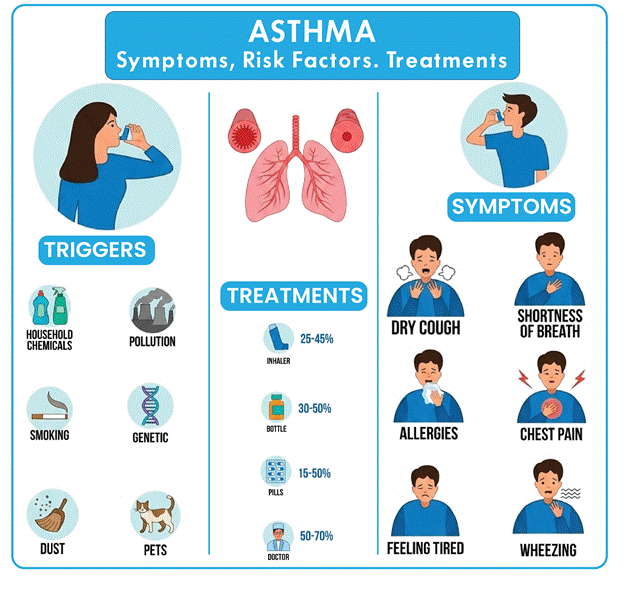
Risk Factors
- Older adult clients have decreased pulmonary reserves due to physiologic lung changes that occur with aging
- Older adult clients are more susceptible to infections
- Sensitivity of beta-adrenergic receptors decreases with age
- Decreased beta-receptor sensitivity reduces response to agonists, resulting in bronchospasms
- Family history of asthma
- Smoking
- Secondhand smoke exposure
- Environmental allergies
- Exposure to chemical irritants or dust
- Gastroesophageal reflux disease (GERD)
Triggers / Precipitating Factors
- Stress and emotional distress
- Medications
- Aspirin
- NSAIDs
- Beta-blockers
- Cholinergics
- Enzymes, including those in laundry detergents
- Chemicals (household cleaners)
- Sinusitis with postnasal drip
- Viral respiratory tract infection
Client Education & Health Promotion
- Instruct the client how to properly self-administer medications (nebulizers and inhalers)
- Educate the client regarding infection prevention techniques
- Encourage regular exercise as part of asthma therapy
- Promotes ventilation and perfusion
- Maintains cardiac health
- Enhances skeletal muscle strength
- Clients may require pre-medication
- Instruct client to use hot water to eliminate dust mites in bed linens
Clinical Manifestations
- Dyspnea
- Chest tightness
- Anxiety and/or stress
- Coughing
- Wheezing
- Mucus production
- Use of accessory muscles
- Prolonged exhalation
- Poor oxygen saturation (low SaO₂)
- Barrel chest or increased chest diameter
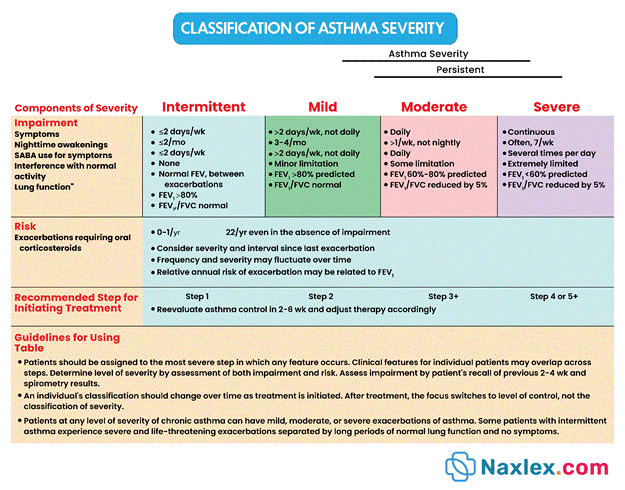
Diagnostic Testing
Laboratory Tests
- Arterial blood gases (ABGs)
- Hypoxemia: PaO₂ < 80 mm Hg
- Hypocarbia: PaCO₂ < 35 mm Hg (early attack)
- Hypercarbia: PaCO₂ > 45 mm Hg (later attack)
- Sputum cultures
- Presence of bacteria indicates infection
Pulmonary Function Tests
- Pulmonary function tests (PFTs) are the most accurate tests for diagnosing asthma and severity
- Forced vital capacity (FVC): volume of air exhaled from full inhalation to full exhalation
- Forced expiratory volume in the first second (FEV₁): volume exhaled during first second of forced exhalation
- Peak expiratory flow: fastest airflow rate reached during exhalation
- Decrease in FEV₁ by 15%–20% below expected value is common
- Increase in values by 12% after bronchodilator administration is diagnostic
Imaging
- Chest x-ray used to diagnose changes in chest structure over time
Management
Nursing Care
- Position client to maximize ventilation (high-Fowler’s = 90°)
- Administer oxygen therapy as prescribed
- Monitor cardiac rate and rhythm (irregular rhythm, tachycardia, PVCs)
- Initiate and maintain IV access
- Maintain a calm and reassuring demeanor
- Provide rest periods for older adults with dyspnea
- Design room and walkways to include rest opportunities
- Incorporate rest into ADLs
- Encourage prompt medical attention for infections and appropriate vaccinations
- Administer medications as prescribed
Medications
Bronchodilators (Inhalers)
Short-Acting Beta₂ Agonists
- Albuterol (Proventil, Ventolin)
- Rapid relief of acute symptoms
- Prevents exercise-induced asthma
Anticholinergics
- Ipratropium (Atrovent)
- Blocks parasympathetic nervous system
- Allows sympathetic bronchodilation
- Decreases pulmonary secretions
- Long-acting
- Used to prevent bronchospasms
Methylxanthines
- Theophylline (Theo-24)
- Requires close monitoring
- Narrow therapeutic range
- Used when other treatments are ineffective
Long-Acting Beta₂ Agonists
- Salmeterol (Serevent)
- Used for asthma attack prevention
Anti-Inflammatory Agents
- Corticosteroids
- Fluticasone (Flovent)
- Prednisone (Deltasone)
- Leukotriene antagonists
- Montelukast (Singulair)
- Mast cell stabilizers
- Cromolyn sodium (Intal)
- Monoclonal antibodies
- Omalizumab (Xolair)
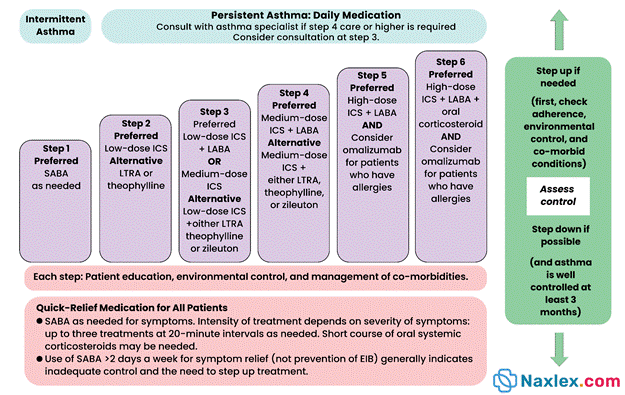
Complications
Respiratory Failure
- Persistent hypoxemia can lead to respiratory failure
- Nursing Actions
- Monitor oxygenation and acid-base balance
- Prepare for intubation and mechanical ventilation
Status Asthmaticus
- Life-threatening airway obstruction
- Often unresponsive to common treatment
- Findings
- Extreme wheezing
- Labored breathing
- Use of accessory muscles
- Distended neck veins
- Risk for cardiac and/or respiratory arrest
- Nursing Actions
- Prepare for emergency intubation
- Administer oxygen, bronchodilators, epinephrine
- Initiate systemic steroid therapy
Summary
- Asthma is a chronic inflammatory airway disorder marked by reversible airflow obstruction, bronchial hyperresponsiveness, and episodic exacerbations.
- Genetic susceptibility combined with environmental exposures (allergens, smoke, viral infections, occupational irritants) drives asthma development.
- Common triggers include stress, respiratory infections, aspirin/NSAIDs, beta-blockers, chemical irritants, and sinus disease with postnasal drip.
- Hallmark clinical findings include dyspnea, wheezing, prolonged expiration, accessory muscle use, mucus production, and decreased oxygen saturation.
- Pulmonary function testing is central to diagnosis, with reduced FEV₁ and significant post-bronchodilator improvement confirming reversible obstruction.
- Severe asthma indicators include diminished breath sounds, hyperinflation on imaging, hypoxemia, and rising PaCO₂, signaling impending respiratory failure.
- Management prioritizes airway support, oxygen therapy, calm environment, infection prevention, and prompt administration of prescribed medications.
- Complications such as respiratory failure and status asthmaticus are life-threatening and require rapid recognition, aggressive treatment, and potential intubation.
Naxlex
Videos
Login to View Video
Click here to loginTake Notes on Asthma
This filled cannot be empty
Join Naxlex Nursing for nursing questions & guides! Sign Up Now