





 Video Library


Please set your exam date
Spinal Cord Injury
Study Questions
Practice Exercise 1
When planning community education for prevention of spinal cord injuries, what group should the nurse target?
Explanation
The population most at risk for spinal cord injuries (SCIs) is adolescent and young adult men, primarily because of their participation in high-risk activities such as reckless driving, contact sports, and violence. This group also demonstrates higher rates of substance use, which further increases the likelihood of injury through impaired judgment. For this reason, prevention programs are most effective when directed at young men, as they represent the demographic with the greatest incidence of SCIs.
Rationale for correct answer:
4. Adolescent and young adult men. This group accounts for the majority of SCIs due to behaviors that predispose them to trauma, such as unsafe driving and extreme sports. Their developmental stage often includes risk-taking tendencies, which amplifies their vulnerability. Focusing preventive education on this population has the highest potential to decrease overall SCI incidence.
Rationale for incorrect answers:
1. Older men. Although older adults are more likely to experience falls, their injuries typically result in fractures or degenerative conditions rather than acute traumatic SCIs. Their lower participation in high-risk behaviors reduces their overall risk compared to young men. Therefore, they are not the primary target for SCI prevention education.
2. Teenage girls. Teenage girls have a significantly lower incidence of SCIs compared to males of the same age group. While they may experience injuries from sports or accidents, the overall frequency is much less. Thus, prevention programs targeting them would have a limited impact on reducing the total burden of SCIs.
3. Elementary school–age children. Children in this age group are vulnerable to injuries such as bicycle or playground accidents, but these rarely result in SCIs compared to adolescent trauma. Their risk is considerably lower than that of young adult men. For this reason, they are not the priority group for SCI prevention efforts.
Take-home points:
- Adolescent and young adult men are the priority population for SCI prevention due to their high-risk behaviors.
- Prevention programs should focus on safe driving, sports precautions, and substance use reduction.
- Directing education toward the highest-risk demographic maximizes the effectiveness of community interventions.
A 70-year-old patient is admitted after falling from his roof. He has a spinal cord injury at the C7 level. What findings during the assessment identify the presence of spinal shock?
Explanation
Spinal shock is a temporary condition that occurs immediately after a spinal cord injury (SCI) and is characterized by a complete loss of motor, sensory, reflex, and autonomic function below the level of injury. In this state, patients present with flaccid paralysis and total sensory loss, which may mimic complete cord transection. Importantly, spinal shock is not a permanent state, as reflexes and spasticity often return once the shock resolves. Recognizing the manifestations of tetraplegia with sensory loss helps differentiate spinal shock from other conditions such as long-term spasticity or localized deficits.
Rationale for correct answer:
2. Tetraplegia with total sensory loss. Spinal shock involves the immediate loss of all voluntary motor function and sensation below the level of injury. At the C7 level, this results in tetraplegia because all four extremities are affected. The absence of sensory and reflex activity is a hallmark feature distinguishing spinal shock from other complications of SCI.
Rationale for incorrect answers:
1. Paraplegia with a flaccid paralysis. Paraplegia indicates lower limb involvement only, which would occur in thoracic or lumbar injuries, not a cervical injury at C7. While flaccidity is seen in spinal shock, the distribution here is incomplete for the described injury. Therefore, this option does not accurately reflect the clinical picture.
3. Total hemiplegia with sensory and motor loss. Hemiplegia affects only one side of the body and is more typical of conditions like stroke rather than SCI. A C7 lesion produces bilateral deficits, not unilateral weakness. This makes hemiplegia inconsistent with spinal shock presentation.
4. Spastic tetraplegia with loss of pressure sensation. Spasticity occurs after spinal shock resolves as reflex activity returns, not during the acute phase. Early spinal shock is marked by flaccidity, not spasticity. Thus, this option describes a later stage, not the initial findings of spinal shock.
Take-home points:
- Spinal shock is an acute, temporary loss of all neurologic function below the level of injury.
- It is characterized by flaccid paralysis, sensory loss, and absent reflexes, not spasticity.
- Recognition of spinal shock is essential to differentiate it from permanent neurologic deficits.
Which syndrome of incomplete spinal cord lesion is described as cord damage common in the cervical region resulting in greater weakness in upper extremities than lower?
Explanation
Central cord syndrome is the most common type of incomplete spinal cord injury, typically occurring in the cervical region. It is characterized by disproportionately greater weakness in the upper extremities compared to the lower extremities, due to the anatomical arrangement of corticospinal tracts. Sensory loss and bladder dysfunction may also occur, but the hallmark finding is the upper limb motor deficit. Recognition of this pattern is essential for accurate diagnosis and targeted rehabilitation.
Rationale for correct answer:
1. Central cord syndrome. This syndrome usually results from hyperextension injuries, particularly in older adults with cervical spondylosis. The damage to central gray and white matter affects fibers serving the upper limbs more than the lower. Consequently, patients demonstrate greater motor weakness in the arms than in the legs, distinguishing this condition from other incomplete cord syndromes.
Rationale for incorrect answers:
2. Anterior cord syndrome. This syndrome results from damage to the anterior spinal artery or anterior cord structures, leading to loss of motor function, pain, and temperature sensation below the level of injury. However, it typically spares posterior column functions such as position sense and vibration. It does not present with the disproportionate upper extremity weakness seen in central cord syndrome.
3. Posterior cord syndrome. This is a rare condition that causes loss of proprioception, vibration, and fine touch while preserving motor function and pain/temperature sensation. Patients may have difficulty with balance and coordination, but motor weakness is not a primary feature. Thus, it does not match the clinical description of greater upper extremity weakness.
4. Cauda equina and conus medullaris syndromes. These syndromes involve damage to the lumbosacral nerve roots or the distal spinal cord, causing flaccid paralysis, sensory loss in a saddle distribution, and bowel/bladder dysfunction. Because they affect the lower body, they cannot explain weakness that is more severe in the upper extremities.
Take-home points:
- Central cord syndrome leads to greater arm weakness than leg weakness.
- Commonly seen after cervical hyperextension injuries, especially in older adults.
- Differentiation from other incomplete cord syndromes is based on motor and sensory patterns.
The patient is diagnosed with Brown-Séquard syndrome after a knife wound to the spine. Which description accurately describes this syndrome?
Explanation
Brown-Séquard syndrome is a rare form of incomplete spinal cord injury that typically results from penetrating trauma such as stab or gunshot wounds. It is characterized by ipsilateral motor paralysis and loss of proprioception, with contralateral loss of pain and temperature sensation below the level of the lesion. This distinct pattern occurs because motor and proprioception tracts cross at different levels of the spinal cord compared to sensory tracts. Recognition of this syndrome is vital for accurate diagnosis and targeted rehabilitation planning.
Rationale for correct answer:
2. Spinal cord damage resulting in ipsilateral motor paralysis and contralateral loss of pain and sensation below the level of the lesion. This description matches the hallmark presentation of Brown-Séquard syndrome. The ipsilateral loss is due to corticospinal and dorsal column tract damage, while contralateral sensory loss occurs from spinothalamic tract disruption. This unique neurological pattern reflects the crossing pathways of spinal cord tracts.
Rationale for incorrect answers:
1. Damage to the most distal cord and nerve roots, resulting in flaccid paralysis of the lower limbs and areflexic bowel and bladder. This describes cauda equina syndrome, which involves injury to the lumbosacral nerve roots, not hemisection of the spinal cord. Unlike Brown-Séquard syndrome, it produces flaccid paralysis, saddle anesthesia, and severe bladder/bowel dysfunction.
3. Rare cord damage resulting in loss of proprioception below the lesion level with retention of motor control and temperature and pain sensation. This describes posterior cord syndrome, which affects the dorsal columns. While proprioception is impaired, motor strength and pain/temperature sensation are preserved, making it inconsistent with Brown-Séquard syndrome.
4. Often caused by flexion injury with acute compression of cord resulting in complete motor paralysis and loss of pain and temperature sensation below the level of injury. This describes anterior cord syndrome, caused by flexion or vascular compromise of the anterior spinal artery. It produces complete motor loss and loss of pain/temperature sensation but spares proprioception, differing from the pattern seen in Brown-Séquard syndrome.
Take-home points:
- Brown-Séquard syndrome leads to ipsilateral motor/proprioception loss + contralateral pain/temperature loss.
- Most often caused by penetrating trauma (e.g., knife or gunshot wounds).
- Distinct neurological deficits reflect the different crossing points of motor and sensory tracts.
What causes an initial incomplete spinal cord injury to result in complete cord damage?
Explanation
An initial incomplete spinal cord injury can progress to a complete injury due to secondary injury mechanisms, rather than just the primary trauma. These include edema, ischemia, hemorrhage, and accumulation of toxic metabolites, which together cause cord infarction and necrosis. The progression underscores the importance of rapid recognition, stabilization, and interventions to minimize secondary injury.
Rationale for correct answer:
3. Infarction and necrosis of the cord caused by edema, hemorrhage, and metabolites. This is the central mechanism behind incomplete injuries becoming complete. Edema and hemorrhage impair circulation, while metabolites contribute to further cellular destruction. These processes culminate in cord infarction and irreversible necrosis.
Rationale for incorrect answers:
1. Edematous compression of the cord above the level of the injury. While edema can worsen neurological deficits, it usually occurs at the site of injury rather than strictly above it. It contributes to secondary injury but does not fully explain the conversion to complete damage.
2. Continued trauma to the cord resulting from damage to stabilizing ligaments. Ligament damage may cause instability and additional trauma, but this is more related to mechanical factors. The critical progression to complete injury stems from pathophysiologic secondary changes, not repeated trauma alone.
4. Mechanical transection of the cord by sharp vertebral bone fragments after the initial injury. This represents a primary injury mechanism leading to immediate complete cord damage. It does not describe the process by which an initially incomplete injury worsens to complete.
Take-home points:
- Secondary injury mechanisms (ischemia, hemorrhage, edema, toxic metabolites) drive progression from incomplete to complete cord damage.
- Early interventions aim to minimize secondary injury and preserve function.
- Distinguishing between primary vs. secondary injury mechanisms is essential for clinical management.
Practice Exercise 2
Two days following a spinal cord injury, a patient asks continually about the extent of impairment that will result from the injury. What is the best response by the nurse?
Explanation
The best response is that the extent of impairment cannot be determined until secondary injury is resolved. After a spinal cord injury, initial findings may not reflect the permanent outcome because spinal shock and secondary processes such as edema, hemorrhage, and ischemia obscure the true degree of cord damage. This response provides realistic information while avoiding false reassurance.
Rationale for correct answer:
2. The extent of your injury cannot be determined until the secondary injury to the cord is resolved. Secondary injury processes evolve over days, meaning that accurate prediction of long-term impairment is not possible in the acute stage. This explanation helps the patient understand why uncertainty exists and sets realistic expectations. It also reinforces the importance of ongoing monitoring and reassessment.
Rationale for incorrect answers:
1. “You will have more normal function when spinal shock resolves and the reflex arc returns.” While reflexes may return after spinal shock, function is not guaranteed to improve. This statement risks giving false reassurance rather than acknowledging the uncertain prognosis.
3. “When your condition is more stable, MRI will be done to reveal the extent of the cord damage.” MRI is helpful in visualizing structural damage but cannot always predict functional recovery. This response focuses too narrowly on a test and does not address the role of secondary injury processes.
4. “Because long-term rehabilitation can affect the return of function, it will be years before we can tell what the complete effect will be.” Rehabilitation does influence recovery, but functional outcomes are usually more predictable within weeks to months, not years. This response is unnecessarily discouraging and inaccurate.
Take-home points:
- Prognosis after spinal cord injury is often uncertain in the first days due to secondary injury processes.
- Nurses should provide honest yet supportive communication, emphasizing that outcomes become clearer over time.
- Avoiding false reassurance while giving realistic explanations builds trust and reduces patient anxiety.
The patient was in a traffic collision and is experiencing loss of function below C4. Which effect must the nurse be aware of to provide priority care for the patient?
Explanation
With a spinal cord injury below C4, the patient retains diaphragmatic control through the phrenic nerve, but loses the use of intercostal and accessory muscles. This results in respiratory diaphragmatic breathing, which is less efficient and increases the risk of hypoventilation. The priority is to monitor respiratory effort, oxygenation, and signs of fatigue to intervene before respiratory failure develops.
Rationale for correct answer:
1. Respiratory diaphragmatic breathing. The diaphragm is innervated by the phrenic nerve (C3–C5), so injuries below C4 generally preserve diaphragmatic function. However, without intercostal muscle activity, chest expansion is impaired, leading to shallow breathing and poor cough reflex. Close monitoring and respiratory support are essential to prevent complications.
Rationale for incorrect answers:
2. Loss of all respiratory muscle function. This occurs with injuries at or above C4, where even diaphragmatic control is lost. Because this patient’s injury is below C4, the diaphragm remains functional.
3. Decreased response of the sympathetic nervous system. Autonomic dysfunction occurs with higher thoracic injuries, but it is not the most immediate threat compared to compromised breathing mechanics. The priority remains respiratory monitoring and support.
4. GI hypomotility with paralytic ileus and gastric distention. Gastrointestinal effects do occur after SCI, but they are not the primary concern in the acute phase. Airway and breathing always take precedence.
Take-home points:
- SCI below C4 leads to diaphragmatic breathing, but impaired chest expansion due to loss of intercostal and accessory muscles.
- Patients remain at risk for respiratory insufficiency and ineffective coughing, requiring vigilant monitoring.
- Airway and respiratory status are always prioritized before autonomic or gastrointestinal concerns.
A patient is admitted to the emergency department with a spinal cord injury at the level of T2. Which finding is of most concern to the nurse?
Explanation
A heart rate of 42 bpm indicates severe bradycardia, which is a life-threatening complication of neurogenic shock seen with high thoracic spinal cord injuries such as T2. Neurogenic shock results from loss of sympathetic innervation, leading to unopposed parasympathetic activity. This can rapidly compromise cardiac output and perfusion, making it the most urgent concern compared to the other findings.
Rationale for correct answer:
2. Heart rate of 42 bpm. Bradycardia this severe reflects autonomic dysfunction with impaired sympathetic control of the heart. Without immediate intervention, it can progress to dangerously low cardiac output and circulatory collapse. Early recognition and treatment with atropine or pacing support are critical to stabilize the patient.
Rationale for incorrect answers:
1. SpO₂ of 92%. Although slightly low, this oxygen saturation is not immediately life-threatening compared to severe bradycardia. Supplemental oxygen can be provided while more urgent cardiac concerns are addressed.
3. Blood pressure of 88/60 mm Hg. Hypotension is common in neurogenic shock, but by itself it is less critical than profound bradycardia. Severe hypotension usually develops in combination with bradycardia, but a heart rate of 42 bpm poses the more immediate risk.
4. Loss of motor and sensory function in arms and legs. While neurologic deficits are significant for long-term disability, they are not life-threatening in the acute phase. Cardiovascular instability takes precedence in the emergency setting.
Take-home points:
- Neurogenic shock from high thoracic SCI leads to severe bradycardia and hypotension due to loss of sympathetic tone.
- Bradycardia is the most urgent concern, as it can cause dangerously low cardiac output and circulatory collapse.
- In acute SCI, airway, breathing, and circulation always take priority over neurologic deficits.
A patient with a spinal cord injury has spinal shock. The nurse plans care for the patient based on what knowledge?
Explanation
Spinal shock is a temporary condition following spinal cord injury characterized by flaccid paralysis, loss of reflexes, and absent sensation below the level of injury. During this phase, the nervous system is in a state of suppression, and autonomic functions such as bowel and bladder reflexes are also absent. Resolution of spinal shock is indicated by the return of reflex activity, which typically presents as spasticity, hyperreflexia, and reflex bladder emptying, signaling that the spinal cord has regained some level of reflex arc activity.
Rationale for correct answer:
3. Resolution of spinal shock is manifested by spasticity, hyperreflexia, and reflex emptying of the bladder. These findings indicate that reflex arcs below the level of injury are becoming functional again. Although voluntary control may not return, the reappearance of reflex activity signifies the end of spinal shock. This is an important milestone in prognosis and care planning.
Rationale for incorrect answers:
1. Rehabilitation measures cannot be initiated until spinal shock has resolved. Rehabilitation can and should begin early to maintain mobility, prevent complications, and support patient adjustment. Waiting for spinal shock to resolve would delay essential interventions.
2. The patient will need continuous monitoring for hypotension, tachycardia, and hypoxemia. These findings are associated with neurogenic shock, not spinal shock. Spinal shock primarily involves loss of motor, sensory, and reflex activity rather than hemodynamic instability.
4. The patient will have complete loss of motor and sensory functions below the level of the injury but autonomic functions are not affected. In spinal shock, autonomic functions are also suppressed. Bladder, bowel, and sexual reflexes are absent until the condition resolves.
Take-home points:
- Spinal shock causes temporary flaccid paralysis, sensory loss, and absent reflexes below the level of injury.
- Return of reflexes (spasticity, hyperreflexia, reflex bladder emptying) signals resolution of spinal shock.
- It is distinct from neurogenic shock, which involves hemodynamic instability due to autonomic dysfunction.
In counseling patients with spinal cord lesions regarding sexual function, how should the nurse advise a male patient with a complete lower motor neuron lesion?
Explanation
A complete lower motor neuron (LMN) lesion destroys the reflex arcs in the sacral spinal cord that control reflexogenic erections. Without these reflex pathways, the patient cannot achieve reflexogenic erections, which are usually mediated by direct physical stimulation. Additionally, the loss of descending pathways prevents psychogenic erections, leaving the patient unable to achieve any form of erection, ejaculation, or orgasm. Counseling must be sensitive, realistic, and supportive, highlighting the importance of alternative methods of intimacy and sexual satisfaction.
Rationale for correct answer:
4. He will probably be unable to have either psychogenic or reflexogenic erections and no ejaculation or orgasm. This is because the sacral reflex centers necessary for reflexogenic erections are damaged in LMN lesions. Psychogenic input also cannot bypass the disruption, meaning sexual function is severely impaired. This explanation allows the patient to understand the physiological basis of dysfunction and prepare for adjustments in sexual health.
Rationale for incorrect answers:
1. He is most likely to have reflexogenic erections and may experience orgasm if ejaculation occurs. Reflexogenic erections require intact sacral reflex arcs, which are destroyed in LMN lesions. Therefore, this option does not apply to this type of injury.
2. He may have uncontrolled reflex erections but orgasm and ejaculation are usually not possible. Reflex erections are possible in upper motor neuron lesions, but not in LMN lesions, because the reflex centers are damaged. This statement inaccurately describes the effect of LMN lesions.
3. He has a lesion with the greatest possibility of successful psychogenic erection with ejaculation and orgasm. Psychogenic erections may occur in incomplete LMN lesions, but they are unlikely in complete lesions. The disruption of both descending pathways and reflex arcs makes this option incorrect.
Take-home points:
- Complete LMN lesions damage sacral reflex arcs, eliminating both reflexogenic and psychogenic erections.
- Sexual counseling should address realistic expectations and provide emotional and relational support.
- Alternative methods of intimacy and referral to sexual health specialists can improve quality of life.
Practice Exercise 3
Following a T2 spinal cord injury, the patient develops paralytic ileus. While this condition is present, what should the nurse anticipate that the patient will need?
Explanation
When paralytic ileus occurs after a spinal cord injury, bowel motility is absent, leading to abdominal distention, nausea, and vomiting. Oral or tube feedings are contraindicated until bowel sounds and peristalsis return. Nasogastric suctioning is required to decompress the stomach, prevent vomiting and aspiration, and reduce abdominal discomfort until bowel function resumes.
Rationale for correct answer:
4. Nasogastric suctioning. This prevents complications of ileus by removing gastric contents, thereby avoiding aspiration, distention, and metabolic imbalances. It also provides symptomatic relief and prevents further GI complications.
Rationale for incorrect answers:
1. IV fluids. While IV fluids are used for hydration, they do not address gastric decompression or relieve ileus. They may be given alongside NG suction but are not the priority intervention.
2. Tube feedings. Enteral feeding is contraindicated in paralytic ileus, as the GI tract cannot process nutrients until bowel function returns. Starting tube feedings would increase risk of aspiration and worsening distention.
3. Parenteral nutrition. Total parenteral nutrition (TPN) may be considered only if the paralytic ileus is prolonged, but it is not the initial management. Early care focuses on gastric decompression.
Take-home points:
- Paralytic ileus is common in the acute phase of spinal cord injury.
- Nasogastric suctioning is the immediate nursing intervention until bowel sounds and motility return.
- Nutrition support (enteral/parenteral) is delayed until GI function stabilizes.
How is urinary function maintained during the acute phase of spinal cord injury?
Explanation
During the acute phase of spinal cord injury, bladder function is disrupted due to spinal shock, resulting in urinary retention. At this stage, the bladder is areflexic and cannot empty on its own. An indwelling catheter is used to maintain urinary drainage, prevent bladder overdistention, and reduce the risk of complications until bladder function stabilizes.
Rationale for correct answer:
1. An indwelling catheter. This provides continuous bladder drainage during spinal shock when voluntary and reflex bladder control are absent. It also prevents complications such as overdistention, reflux, and infection related to urinary stasis.
Rationale for incorrect answers:
2. Intermittent catheterization. This method is preferred once the acute phase resolves and reflex bladder activity returns, but it is not used initially because the bladder cannot contract. Early use would risk overdistention and damage.
3. Insertion of a suprapubic catheter. This is a more invasive procedure, typically considered for long-term bladder management when intermittent catheterization is not feasible. It is not indicated during the acute phase.
4. Use of incontinent pads to protect the skin. Pads may protect skin from moisture if incontinence occurs, but they do not address the problem of retention during spinal shock. Reliance on pads could lead to serious complications such as bladder rupture.
Take-home points:
- Urinary retention is expected in the acute phase of spinal cord injury due to spinal shock.
- Indwelling catheterization is the standard management to ensure bladder emptying and prevent complications.
- Once stabilized, patients usually transition to intermittent catheterization for long-term bladder management.
A week following a spinal cord injury at T2, a patient experiences movement in his leg and tells the nurse that he is recovering some function. What is the nurse’s best response to the patient?
Explanation
Acknowledging the patient’s observation while assessing the movement directly is the most therapeutic and appropriate nursing response. This validates the patient’s feelings, encourages active participation in care, and allows the nurse to objectively evaluate whether the movement represents voluntary recovery or reflex activity. It balances optimism with clinical assessment without giving false reassurance or dismissing the patient’s progress.
Rationale for correct answer:
2. “That could be a really positive finding. Can you show me the movement?” This response supports patient engagement, allows the nurse to assess the quality of the movement, and provides hope without making unrealistic promises. It reflects therapeutic communication by validating the patient’s concerns while gathering clinical information.
Rationale for incorrect answers:
1. “It is really still too soon to know if you will have a return of function.” While factually correct, this response dismisses the patient’s hope and may create unnecessary discouragement. It lacks therapeutic value.
3. “That’s wonderful. We will start exercising your legs more frequently now.” This assumes that the movement is functional recovery and could lead to false reassurance. Rehabilitation intensity should be guided by professional evaluation, not solely the patient’s report.
4. “I’m sorry but the movement is only a reflex and does not indicate normal function.” This is overly dismissive and may harm the patient’s motivation. While reflexes can return after spinal shock, assuming this without assessment is not appropriate.
Take-home points:
- Therapeutic communication should acknowledge patient concerns while seeking objective assessment.
- Early movements after spinal cord injury may represent either reflex activity or true recovery, requiring careful evaluation.
- Balancing realism with hope is essential in supporting patient motivation during rehabilitation.
A patient with paraplegia has developed an irritable bladder with reflex emptying. What will be most helpful for the nurse to teach the patient?
Explanation
Intermittent self-catheterization is the most effective long-term management for patients with reflex (spastic) bladder after spinal cord injury. This method ensures complete bladder emptying, reduces urinary stasis, and significantly lowers the risk of urinary tract infections compared with indwelling catheters. Teaching self-catheterization promotes independence, supports renal health, and improves quality of life.
Rationale for correct answer:
2. How to perform intermittent self-catheterization. This technique allows regular emptying of the bladder, preventing overdistention and infection. It also enables patients to manage their urinary function independently, which is essential for rehabilitation and long-term adaptation.
Rationale for incorrect answers:
1. Hygiene care for an indwelling urinary catheter. While infection prevention is important, indwelling catheters are avoided for long-term use due to the high risk of urinary tract infections and complications such as urethral damage.
3. To empty the bladder with manual pelvic pressure in coordination with reflex voiding patterns. Although this may be used in some cases, it is less reliable than intermittent catheterization and may not ensure complete bladder emptying, leading to urinary stasis and complications.
4. That a urinary diversion, such as an ileal conduit, is the easiest way to handle urinary elimination. Urinary diversion is a surgical option reserved for patients who cannot manage bladder function with less invasive strategies. It is not a first-line intervention.
Take-home points:
- Intermittent catheterization is the gold standard for managing reflex bladder after spinal cord injury.
- It promotes independence, safety, and infection prevention compared with long-term indwelling catheters.
- Surgical diversion is only considered when conservative methods fail.
During the patient’s process of grieving for the losses resulting from spinal cord injury, what should the nurse do?
Explanation
Grieving after a spinal cord injury is a long-term process because the patient continually faces new challenges and limitations. The nurse’s role is to provide ongoing support, normalize the grieving process, and help the patient develop coping strategies. Acceptance may take years, and grief often resurfaces at different stages of recovery and adaptation.
Rationale for correct answer:
1. Help the patient to understand that working through the grief will be a lifelong process. This approach validates the patient’s feelings and prepares them for ongoing adjustment. It emphasizes that grief is not linear and may recur at different stages of rehabilitation and life changes.
Rationale for incorrect answers:
2. Assist the patient to move through all stages of the mourning process to acceptance. While nurses support patients through grief, they cannot control or force progression through stages. Each patient experiences grief uniquely and may not follow a predictable path.
3. Let the patient know that anger directed at the staff or the family is not a positive coping mechanism. Although anger may be difficult to manage, it is a normal part of the grieving process. The nurse should acknowledge and redirect it constructively rather than labeling it as negative.
4. Facilitate the grieving process so that it is completed by the time the patient is discharged from rehabilitation. Grieving is not expected to be complete within a rehabilitation timeframe. Expecting closure by discharge is unrealistic and may increase frustration or guilt.
Take-home points:
- Grieving after spinal cord injury is lifelong and nonlinear, resurfacing at different times.
- Nurses should provide validation, support, and constructive coping strategies rather than rushing the process.
- Acceptance evolves gradually, and rehabilitation should focus on adjustment and adaptation, not forced resolution.
Comprehensive Questions
A patient is admitted to the ICU with a C7 spinal cord injury and diagnosed with Brown-Séquard syndrome. On physical examination, the nurse would most likely find:
Explanation
Brown-Séquard syndrome is a type of incomplete spinal cord lesion caused by hemisection of the spinal cord, often due to trauma such as a stab wound. The hallmark finding is ipsilateral motor paralysis and loss of proprioception below the level of the lesion, along with contralateral loss of pain and temperature sensation. This occurs because the corticospinal and dorsal column tracts cross at different levels of the central nervous system, leading to a distinct pattern of deficits.
Rationale for correct answer:
4. Ipsilateral motor loss and contralateral sensory loss below C7. Damage to the corticospinal tract on one side causes motor weakness on the same side, while disruption of the spinothalamic tract leads to loss of pain and temperature on the opposite side. This combination is the classic presentation of Brown-Séquard syndrome.
Rationale for incorrect answers:
1. Upper extremity weakness only. This finding would not fully explain the mixed motor and sensory deficits seen in Brown-Séquard syndrome, and it is more characteristic of central cord syndrome.
2. Complete motor and sensory loss below C7. This describes complete spinal cord injury, not an incomplete lesion like Brown-Séquard syndrome. Patients retain some functions because only one half of the cord is damaged.
3. Loss of position sense and vibration in both lower extremities. This pattern would be more consistent with posterior cord syndrome, where bilateral loss of proprioception occurs without significant motor involvement.
Take-home points:
- Brown-Séquard syndrome produces a classic asymmetric pattern: motor and proprioception loss on the same side, and pain/temperature loss on the opposite side.
- It results from hemisection of the spinal cord, often due to trauma such as a stab wound or tumor.
- Differentiating incomplete cord syndromes is critical for accurate assessment and targeted rehabilitation.
A patient is admitted to the hospital with a C4 spinal cord injury after a motorcycle collision. The patient’s BP is 84/50 mm Hg, his pulse is 38 beats/minute, and he remains orally intubated. The nurse determines that this pathophysiologic response is caused by:
Explanation
A spinal cord injury at the C4 level interrupts sympathetic nervous system innervation, leading to neurogenic shock. This is characterized by hypotension, bradycardia, and vasodilation due to unopposed parasympathetic activity. The loss of sympathetic tone prevents normal vasoconstriction and heart rate regulation, resulting in decreased cardiac output and systemic vascular resistance.
Rationale for correct answer:
4. Loss of sympathetic nervous system innervation resulting in peripheral vasodilation. Sympathetic pathways originate from the thoracic spinal cord; injury above this region disrupts their function. Without sympathetic input, systemic vasodilation and bradycardia occur, producing the hallmark signs of neurogenic shock.
Rationale for incorrect answers:
1. Increased vasomotor tone after injury. This is incorrect because the problem is not increased but decreased vasomotor tone. Loss of sympathetic control leads to vasodilation, not vasoconstriction.
2. A temporary loss of sensation and flaccid paralysis below the level of injury. This describes spinal shock, which causes motor and sensory deficits, but it does not account for the hemodynamic instability seen in this case.
3. Loss of parasympathetic nervous system innervation resulting in vasoconstriction. Parasympathetic innervation is not lost; instead, it remains unopposed when sympathetic tone is absent. This results in vasodilation and bradycardia, not vasoconstriction.
Take-home points:
- A high cervical injury can cause neurogenic shock due to loss of sympathetic tone.
- The classic signs are hypotension, bradycardia, and vasodilation.
- Differentiating between spinal shock (motor/sensory loss) and neurogenic shock (hemodynamic instability) is critical for accurate care.
Goals of rehabilitation for the patient with an injury at the C6 level include: Select all that apply
Explanation
A C6 spinal cord injury allows partial use of the shoulders and upper arms as well as wrist extension. With adaptive devices and rehabilitation, patients can achieve independence in many activities of daily living (ADLs) but cannot ambulate independently because leg function is absent.
Rationale for correct answers:
2. Feed self with hand devices. Patients at C6 can use adaptive hand devices to feed themselves because they retain shoulder movement and partial wrist control.
3. Assist with transfer activities. With training, patients can participate in transfers using sliding boards or mechanical lifts.
4. Drive adapted van from wheelchair. Adaptive driving controls make this possible with upper extremity strength and wrist function.
5. Push a wheelchair on a flat surface. C6 patients have enough arm and wrist strength to propel a manual wheelchair on level ground.
Rationale for incorrect answer:
1. Stand erect with leg brace. This requires lower extremity motor function, which is absent at the C6 injury level. Standing with braces is possible only with lower thoracic or lumbar injuries, not cervical.
Take-home points:
- C6 injury patients have functional use of shoulders, arms, and wrists but no voluntary leg function.
- They can achieve independence in feeding, transfers, mobility, and some driving with adaptive equipment.
- Walking or standing independently is not realistic at this level of injury.
A patient with a C7 spinal cord injury undergoing rehabilitation tells the nurse he must have the flu because he has a bad headache and nausea. The nurse’s first priority is to:
Explanation
In a patient with a spinal cord injury at or above T6, sudden severe headache and nausea are hallmark signs of autonomic dysreflexia, a life-threatening emergency caused by an exaggerated sympathetic response to noxious stimuli (such as bladder distention, fecal impaction, or skin irritation). The nurse’s first action is to check the patient’s blood pressure to confirm the diagnosis, since autonomic dysreflexia results in severe hypertension.
Rationale for correct answer:
3. Take the patient’s blood pressure. Confirms whether the symptoms are due to autonomic dysreflexia by detecting dangerous hypertension, which requires immediate intervention.
Rationale for incorrect answers:
1. Call the physician. Contacting the provider is important but not the first action—the nurse must first assess the patient’s BP to confirm the condition.
2. Check the patient’s temperature. Headache and nausea are not early signs of infection in this context; checking temperature delays recognition of a true emergency.
4. Elevate the head of the bed to 90 degrees. This is an essential intervention to lower blood pressure, but assessment (BP check) must be done first to confirm the cause of symptoms.
Take-home points:
- Autonomic dysreflexia presents with severe headache, nausea, flushing, bradycardia, and hypertension in SCI patients at or above T6.
- First priority is to check blood pressure to confirm the condition.
- Once confirmed, the nurse elevates the HOB, removes noxious stimuli, and notifies the physician.
For a 65-year-old woman who has lived with a T1 spinal cord injury for 20 years, which health teaching instructions should the nurse emphasize?
Explanation
Older adults with spinal cord injury still require routine age-appropriate health screenings, including annual mammograms for women over 65. Preventive care remains critical, as persons with SCI may face increased risks of secondary complications, but they are not exempt from general health risks such as breast cancer.
Rationale for correct answer:
1. A mammogram is needed every year. Standard health maintenance is essential for SCI patients, and regular mammography helps with early detection of breast cancer.
Rationale for incorrect answers:
2. Bladder function tends to improve with age. Neurogenic bladder does not improve with aging; in fact, complications (UTIs, renal impairment, incontinence) may worsen.
3. Heart disease is not common in persons with spinal cord injury. Heart disease is common in SCI patients due to immobility, altered lipid metabolism, and reduced physical activity.
4. As a person ages, the need to change body position is less important. Pressure injury risk increases with both aging and immobility, making repositioning even more important.
Take-home points:
- Routine age-appropriate cancer screenings (like mammograms) remain a priority for SCI patients.
- Neurogenic bladder and cardiovascular disease risk persist or worsen with age.
- Skin care and pressure relief measures remain crucial throughout the lifespan.
A nurse is planning care for a client who suffered a spinal cord injury (SCI) involving a T12 fracture 1 week ago. The client has no muscle control of the lower limbs, bowel, or bladder. Which of the following should be the nurse’s highest priority?
Explanation
The highest priority in a patient with a recent T12 spinal cord injury is prevention of further spinal cord damage. At one week post-injury, the spinal cord remains vulnerable to secondary injury from movement, improper handling, or additional trauma. Protecting the spinal cord ensures that existing neurological function is preserved, which is critical for long-term outcomes.
Rationale for correct answer:
1. Prevention of further damage to the spinal cord. Maintaining spinal immobilization, careful positioning, and avoiding movements that could exacerbate injury are essential to prevent additional neurological loss. Preserving remaining function is the most critical immediate concern.
Rationale for incorrect answers:
2. Prevention of contractures of the lower extremities. This is important for long-term mobility and function but is a secondary priority compared to protecting the spinal cord.
3. Prevention of skin breakdown of areas that lack sensation. Pressure injury prevention is critical, but it is not more urgent than preventing permanent neurological damage.
4. Prevention of postural hypotension when placing the client in a wheelchair. Orthostatic hypotension precautions are necessary during rehabilitation but are not the immediate priority in the acute post-injury phase.
Take-home points:
- Immediate care after SCI focuses on protecting the spinal cord to preserve neurological function.
- Secondary concerns include contracture prevention, skin care, and hemodynamic stability.
- Early and careful handling can significantly influence long-term functional outcomes.
A nurse is caring for a client with a spinal cord injury who reports a severe headache and is sweating profusely. Vital signs include BP of 220/110 mm Hg, with an apical heart rate of 54/min. Which of the following actions should the nurse take first?
Explanation
These manifestations indicate autonomic dysreflexia, a medical emergency in patients with spinal cord injuries at or above T6. The first priority is to sit the client upright to lower blood pressure and reduce the risk of stroke. Immediate interventions focus on relieving the precipitating stimulus while monitoring cardiovascular status.
Rationale for correct answer:
2. Sit the client upright in bed. Elevating the head of the bed promotes venous pooling in the lower extremities, reducing systemic blood pressure and mitigating the acute risks of hypertensive crisis. This is the fastest and most effective initial intervention while assessing the cause of the episode.
Rationale for incorrect answers:
1. Notify the provider. Important, but provider notification should occur after immediate safety measures are initiated. Delaying action could increase risk of stroke or seizure.
3. Check the client’s urinary catheter for blockage. Bladder distention is a common trigger, but assessment of the cause comes after immediate BP control.
4. Administer antihypertensive medication. Medication may be needed if symptoms persist, but nonpharmacologic interventions (sitting upright, removing stimuli) are first-line emergency care.
Take-home points:
- Autonomic dysreflexia is a life-threatening emergency marked by severe hypertension, headache, and diaphoresis.
- Immediate priority is to sit the patient upright to reduce blood pressure.
- Identify and remove the triggering stimulus promptly to prevent complications such as stroke or seizure.
A nurse is caring for a client who has a C4 spinal cord injury. Which of the following should the nurse recognize the client as being at the greatest risk for?
Explanation
A C4 spinal cord injury can result in paralysis of the diaphragm and intercostal muscles, which significantly compromises respiratory function. The greatest risk is respiratory compromise, which can lead to hypoventilation, hypoxia, and potential respiratory failure. Maintaining airway patency and monitoring respiratory status are top priorities in acute care.
Rationale for correct answer:
4. Respiratory compromise. C4 injuries impair diaphragmatic and accessory muscle function, making the patient highly dependent on ventilatory support. Early recognition of respiratory difficulty and timely interventions are critical to prevent life-threatening complications.
Rationale for incorrect answers:
1. Neurogenic shock. While possible in high-level SCI, neurogenic shock typically occurs acutely and is managed; it is not as immediately life-threatening as respiratory compromise in C4 injuries.
2. Paralytic ileus. Paralytic ileus is more common in thoracic and lumbar injuries; it is secondary in priority to airway and breathing concerns.
3. Stress ulcer. Stress ulcers are a potential complication but develop later and are not an immediate threat to life compared with respiratory failure.
Take-home points:
- C4 SCI patients are at highest risk for respiratory compromise due to diaphragmatic paralysis.
- Continuous monitoring of oxygenation, ventilation, and airway is essential.
- Early intervention with mechanical ventilation or suctioning may be required to maintain life-sustaining respiration.
A nurse is caring for a client who experienced a cervical spine injury 24 hr ago. Which of the following types of prescribed medications should the nurse clarify with the provider?
Explanation
Muscle relaxants can have significant side effects in patients with acute cervical spinal cord injury, including respiratory depression, hypotension, and sedation. In the early post-injury phase, careful consideration is needed because these medications may exacerbate already compromised respiratory function. The nurse should clarify the order to ensure it is appropriate for the patient’s current neurological and respiratory status.
Rationale for correct answer:
4. Muscle relaxants. The client will still be in spinal shock 24 hr following the injury. The client will not
experience muscle spasms until after the spinal shock has resolved, making muscle relaxants
unnecessary at this time.
Rationale for incorrect answers:
1. Glucocorticoids. Glucocorticoids are appropriate medications to administer at this time as they are not universally contraindicated.
2. Plasma expanders. These are standard in managing hypotension or neurogenic shock and are appropriate in acute SCI care.
3. H2 antagonists. Used prophylactically to prevent stress ulcers, which are common in immobile patients, and are safe for acute SCI management.
Take-home points:
- Muscle relaxants may impair respiratory function in cervical SCI and require careful evaluation before use.
- Clarify medication orders to ensure safety and appropriateness based on the patient’s condition.
- Standard medications like plasma expanders and H2 antagonists are generally safe and part of routine acute SCI care.
A nurse is caring for a client who experienced a cervical spine injury 3 months ago. Which of the following types of bladder management methods should the nurse use for this client?
Explanation
A condom catheter is an appropriate bladder management method for a male patient with a cervical spinal cord injury who has some voluntary voiding or reflex bladder emptying. This method is noninvasive, reduces the risk of urethral trauma, and allows for continuous urinary drainage without the complications of an indwelling catheter. Proper placement and hygiene are essential to prevent skin breakdown and infection.
Rationale for correct answer:
1. Condom catheter. This method provides a safe and convenient option for male patients with SCI who can void reflexively or partially, reducing the risk of urinary tract infections compared with indwelling catheters. It is less invasive and allows the patient to maintain some independence in urinary management.
Rationale for incorrect answers:
2. Intermittent urinary catheterization. While generally preferred for long-term bladder management, it may not be needed if the patient can void adequately with a condom catheter.
3. Crede’s method. Manual compression of the bladder is less safe and can increase the risk of urethral trauma or reflux, particularly in high-level injuries.
4. Indwelling urinary catheter. Continuous catheterization carries a higher risk of infection and urethral injury, making it less desirable for long-term use.
Take-home points:
- A condom catheter is suitable for male SCI patients with reflex or partial voiding.
- Proper placement and hygiene are essential to prevent skin breakdown and infection.
- More invasive methods like indwelling catheters or Crede’s method are reserved for patients who cannot void adequately.
The patient’s spinal cord injury is at T4. What is the highest-level goal of rehabilitation that is realistic for this patient to have?
Explanation
For a patient with a T4 spinal cord injury, rehabilitation goals focus on independence in self-care and manual wheelchair use. Motor function of the upper body is typically preserved, allowing the patient to propel a wheelchair and perform activities of daily living independently. Ambulation with leg braces is usually not realistic because lower limb motor function is impaired at this level.
Rationale for correct answer:
3. Be independent in self-care and wheelchair use. T4 injuries preserve upper body strength and trunk control, enabling the patient to feed, dress, and mobilize using a manual wheelchair. This level of independence is the most functional and safe outcome in rehabilitation.
Rationale for incorrect answers:
1. Indoor mobility in manual wheelchair. This is achievable but represents a minimal goal, underutilizing preserved upper-body function.
2. Ambulate with crutches and leg braces. Lower limb function is generally insufficient for safe ambulation at the T4 level, making this unrealistic.
4. Completely independent ambulation with short leg braces and canes. This requires significant lower limb motor function, which is not present at T4, so this goal is not feasible.
Take-home points:
- T4 SCI patients retain upper-body function, making self-care and manual wheelchair use achievable.
- Ambulation with leg braces is typically not realistic due to lower limb paralysis.
- Rehabilitation goals should emphasize maximizing independence and safety in daily activities.
What is one indication for early surgical therapy of the patient with a spinal cord injury?
Explanation
Early surgical intervention is indicated when there is continued compression of the spinal cord, which can worsen neurological deficits. Prompt decompression helps prevent permanent damage, reduce inflammation, and improve the potential for neurological recovery. Timing of surgery is critical to minimize secondary injury and optimize functional outcomes.
Rationale for correct answer:
4. Evidence of continued compression of the cord is apparent. Ongoing compression can exacerbate ischemia and necrosis of spinal tissue. Surgical decompression relieves pressure on the cord, limiting further neurologic compromise and improving recovery potential. Early identification and intervention are essential in preventing irreversible deficits.
Rationale for incorrect answers:
1. There is incomplete cord lesion involvement. While incomplete lesions have better prognosis, this alone does not mandate immediate surgery.
2. The ligaments that support the spine are torn. Ligament injury may require stabilization but is not the primary indicator for urgent decompression.
3. A high cervical injury causes loss of respiratory function. Respiratory compromise is managed supportively; surgical intervention is not indicated solely for loss of function unless compression is present.
Take-home points:
- Continued cord compression is a key indication for early spinal surgery.
- Early decompression reduces secondary injury and improves neurological outcomes.
- Not all spinal injuries require immediate surgery; assessment of compression and stability guides intervention.
A patient is admitted to the emergency department with a possible cervical spinal cord injury following an automobile crash. During admission of the patient, what is the highest priority for the nurse?
Explanation
The highest priority for a patient with a possible cervical spinal cord injury is maintaining a patent airway. High cervical injuries can impair respiratory muscles, putting the patient at risk for respiratory compromise or arrest. Securing airway patency takes precedence over other assessments and interventions to prevent hypoxia and further neurologic injury.
Rationale for correct answer:
1. Maintaining a patent airway. Cervical SCI, especially above C4, can compromise the diaphragm and intercostal muscles. Ensuring adequate oxygenation is life-saving and prevents secondary injury caused by hypoxia. Airway management takes precedence even if spinal immobilization is required simultaneously.
Rationale for incorrect answers:
2. Maintaining immobilization of the cervical spine. While critical to prevent further cord injury, airway compromise has a more immediate threat to life and must be addressed first.
3. Assessing the patient for head and other injuries. A full trauma assessment is important but secondary to ensuring airway and oxygenation.
4. Assessing the patient’s motor and sensory function. Neurologic assessment is essential for baseline documentation, but interventions must prioritize life-threatening problems like airway compromise.
Take-home points:
- Airway management is the top priority in cervical spinal cord injuries.
- Immobilization should then be maintained to prevent further injury.
- Neurologic and trauma assessments follow stabilization of life-threatening conditions.
Without surgical stabilization, what method of immobilization for the patient with a cervical spinal cord injury should the nurse expect to be used?
Explanation
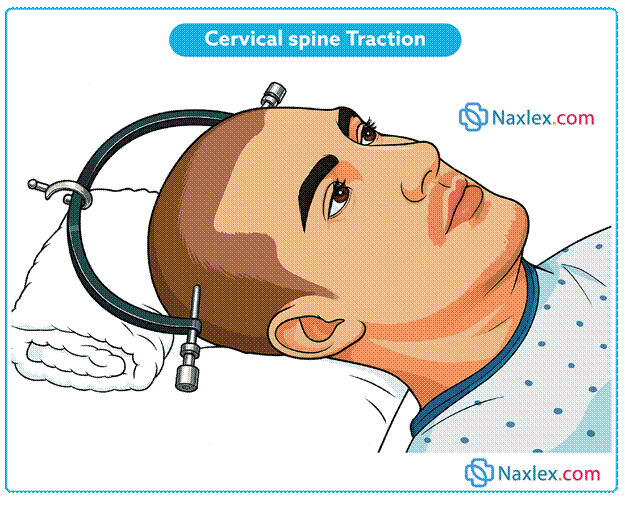
For patients with a cervical spinal cord injury who have not undergone surgical stabilization, skeletal traction with skull tongs is commonly used to maintain spinal alignment. This method provides continuous immobilization and realigns vertebrae while allowing for gradual reduction of fractures. Proper nursing care includes monitoring for traction-related complications and maintaining pin site integrity.
Rationale for correct answer:
3. Skeletal traction with skull tongs. Traction provides immobilization and stabilization of the cervical spine while preventing further injury. It allows for controlled alignment of cervical vertebrae and reduces pressure on the spinal cord. Nurses must ensure proper positioning, weight management, and regular neurovascular assessments.
Rationale for incorrect answers:
1. Kinetic beds. These beds are used mainly for spinal precautions in thoracic and lumbar injuries, not for cervical stabilization.
2. Hard cervical collar. This provides immobilization for minor or stable injuries but is insufficient for unstable cervical fractures.
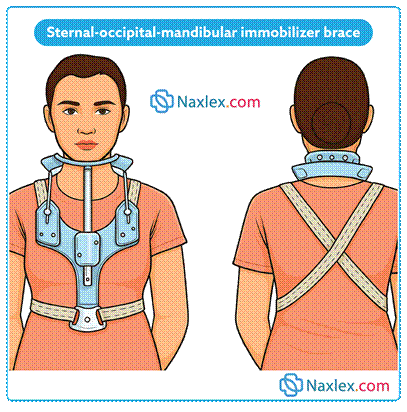
4. Sternal-occipital-mandibular immobilizer brace. This brace is rarely used and does not provide the precise alignment achieved with skeletal traction in acute unstable cervical injuries.
Take-home points:
- Skeletal traction with skull tongs is standard for unstable cervical SCI without surgery.
- Continuous monitoring and pin care are essential to prevent complications.
- Traction maintains spinal alignment and minimizes further neurologic damage.
The health care provider has ordered IV dopamine (Intropin) for a patient in the emergency department with a spinal cord injury. The nurse determines that the drug is having the desired effect when what is observed in patient assessment?
Explanation
IV dopamine is administered to patients with spinal cord injury to maintain adequate blood pressure and perfusion, particularly to the spinal cord. An appropriate response is an increase in systolic and mean arterial pressure, which helps prevent secondary spinal cord injury. The desired effect is achieved when blood pressure rises to target levels, improving organ perfusion without causing tachycardia or arrhythmias.
Rationale for correct answer:
3. Blood pressure of 106/82 mm Hg. Dopamine acts as a vasopressor at moderate to high doses, increasing vascular tone and cardiac output. This rise in blood pressure ensures sufficient spinal cord perfusion, reducing ischemic injury. Monitoring blood pressure is the primary indicator of therapeutic effectiveness.
Rationale for incorrect answers:
1. Heart rate of 68 bpm. Dopamine may increase heart rate at higher doses; a normal heart rate alone does not indicate effective perfusion.
2. Respiratory rate of 24. Dopamine has minimal direct effect on respiratory rate; this is not a reliable measure of drug efficacy.
4. Temperature of 96.8°F (36.0°C). Dopamine does not influence body temperature; normalizing temperature is unrelated to therapeutic effect.
Take-home points:
- Dopamine is used to maintain adequate blood pressure and perfusion after spinal cord injury.
- Blood pressure monitoring is the key indicator of therapeutic effectiveness.
- Heart rate, respiratory rate, and temperature are secondary and do not reflect the drug’s primary action.
Exams on Spinal Cord Injury
Custom Exams
Login to Create a Quiz
Click here to loginLessons
 Naxlex
Just Now
Naxlex
Just Now
Notes Highlighting is available once you sign in. Login Here.
Objectives
- Explain the etiology and pathophysiology of SCI, distinguishing between primary injury mechanisms and secondary injury processes.
- Classify spinal cord injuries by neurological level and completeness.
- Differentiate spinal shock from neurogenic shock, recognizing their impact on hemodynamic stability.
- Outline priority emergency and acute care interventions, including spinal immobilization and shock management.
- Develop nursing care plans to address systemic complications such as impaired breathing, neurogenic bladder and bowel, and pressure ulcer risk.
- Identify and manage autonomic dysreflexia by recognizing early signs and eliminating the triggering stimulus.
- Assess rehabilitation potential, linking injury level to functional outcomes and realistic patient goals.
Introduction
A Spinal Cord Injury (SCI) is a catastrophic event involving damage to any part of the spinal cord or the nerves at the end of the spinal canal (cauda equina), which fundamentally alters the function of the central nervous system. This damage can be temporary or permanent, leading to significant changes in motor function, sensation, and autonomic control below the level of injury. SCIs are a major public health concern in the United States, with approximately 12,000 new cases occurring each year and an estimated 260,000 individuals currently living with the long-term effects. The demographics of SCI are notable, with the greatest risk falling to young adult men between the ages of 16 and 30, who account for about 81% of cases. However, there has been a recent trend showing an increase in the mean age of patients at the time of injury, now averaging around 40 years.
The most common causes are motor vehicle collisions and falls, highlighting the traumatic nature of these injuries. Given improved treatment and emergency medical services, many patients—even those with very high-level injuries—are surviving and can anticipate a long life. This prognosis, however, comes with complex challenges, including altered family dynamics, potential economic loss, and the high cost of lifelong rehabilitation and health care. While almost 90% of SCI patients are eventually discharged to a non-institutional residence, the need for continued, specialized care and the high risk of complications make comprehensive management and patient education essential throughout the patient's lifespan.
Etiology And Pathophysiology
Mechanisms of Injury
SCIs are most often the result of trauma, with the leading causes being:
- Motor vehicle collisions (42%)
- Falls (27%)
- Violence (15%)
- Sports injuries (7%)
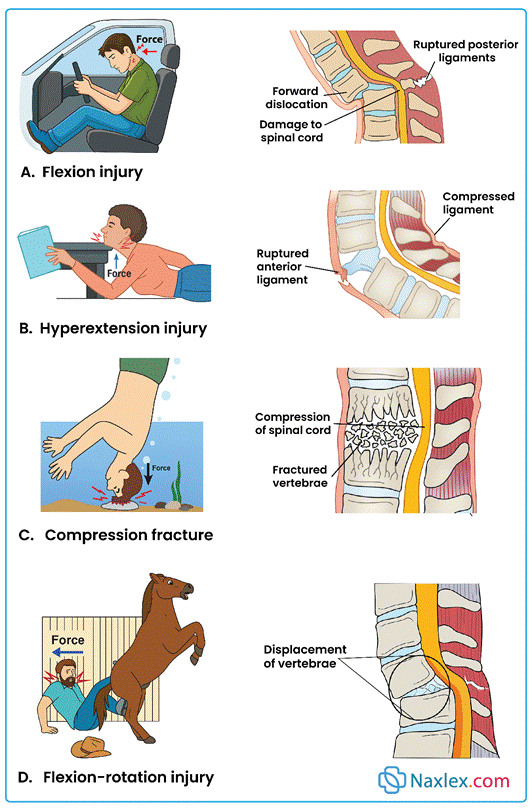
The physical damage to the spinal cord involves a primary injury and a secondary injury. The primary injury is the initial physical trauma, such as cord compression from bone displacement or direct tearing from penetrating wounds. The spinal cord itself is rarely completely severed due to its protective dura mater covering.
The Role of Secondary Injury
The secondary injury is a progressive, ongoing process that occurs after the initial trauma. It's a cascade of events, including ischemia, hypoxia, hemorrhage, and edema, that further damage the spinal cord. This is why the full extent of neurological damage is often not apparent until 72 hours or more after the injury. The secondary injury can be triggered by a complex series of cellular events, including free radical formation and uncontrolled calcium influx, leading to further cell death.
Classification of Spinal Cord Injuries
SCIs are classified by three main factors:
- Mechanism of Injury: The type of force applied, such as flexion, hyperextension, compression, or rotation. The flexion-rotation injury is particularly dangerous as it can tear the stabilizing ligaments of the spine, often leading to severe neurological deficits.
- Level of Injury: The lowest segment of the spinal cord with normal sensory and motor function.
- Cervical (C1-C8): Most common and severe, often resulting in tetraplegia (paralysis of all four limbs). C1-C4 injuries are life-threatening due to the loss of respiratory muscle function.
- Thoracic (T1-T12): Leads to paraplegia (paralysis of the lower body and legs).
- Lumbar (L1-L5) and Sacral (S1-S5): Also cause paraplegia but typically with more preserved function in the legs.
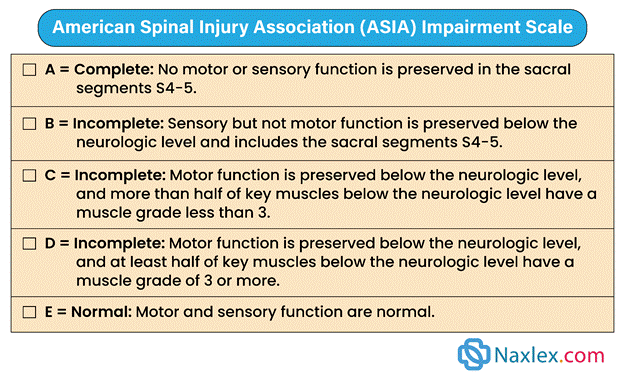
- Degree of Injury: This refers to the completeness of the injury.
- Complete SCI: Total loss of all motor and sensory function below the level of injury.
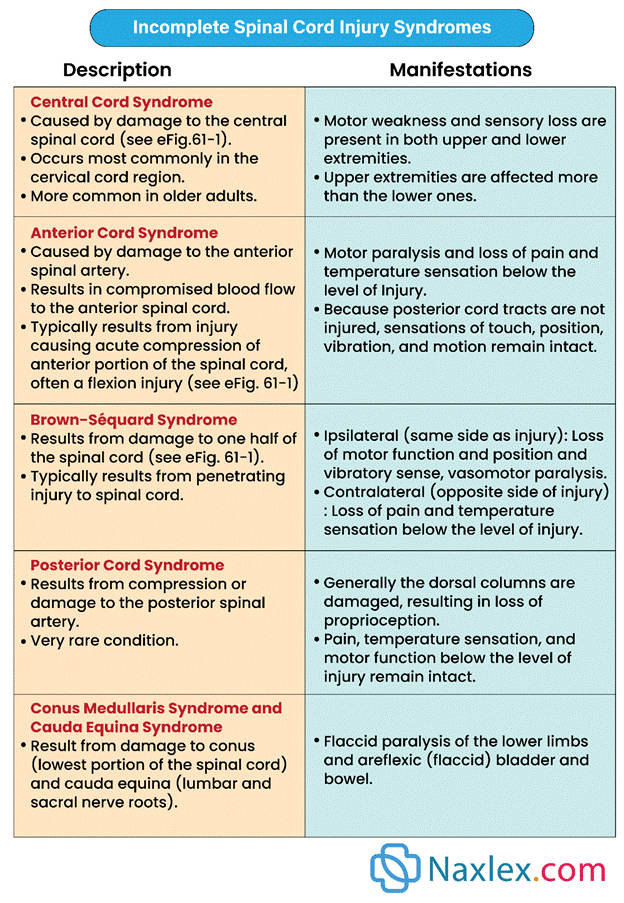
- Incomplete SCI: Partial preservation of motor or sensory function. There are several syndromes associated with incomplete injuries, each with a unique pattern of loss. For example, Anterior Cord Syndrome results in paralysis and loss of pain/temperature sensation, while preserving touch and proprioception.
Incomplete Spinal Cord Injury Syndromes
Spinal and Neurogenic Shock
Two types of shock can occur after an SCI:
- Spinal Shock: A temporary neurologic syndrome characterized by decreased reflexes, loss of sensation, and flaccid paralysis below the level of injury. It can last for days to months and can mask the true extent of the injury.
- Neurogenic Shock: A life-threatening distributive shock resulting from the loss of sympathetic nervous system innervation, typically with injuries at or above T6. It causes hypotension and bradycardia due to peripheral vasodilation and decreased cardiac output.
Clinical Manifestations
Respiratory System
Respiratory complications are a primary concern, especially in high cervical injuries. Injuries above C4 lead to complete loss of respiratory muscle function, requiring mechanical ventilation. Lower injuries can impair the intercostal and abdominal muscles, making coughing ineffective and increasing the risk of atelectasis and pneumonia.
Cardiovascular System
SCI patients are at high risk for bradycardia and hypotension due to the loss of sympathetic nervous system influence. This can lead to decreased cardiac output and venous pooling. Cardiac monitoring is essential, and medications like atropine may be needed for severe bradycardia.
Urinary and Gastrointestinal Systems
During the initial acute phase, patients will experience urinary retention due to an atonic bladder. An indwelling catheter is necessary. In the long term, a neurogenic bladder develops, which can be either flaccid or hyper-irritable, requiring ongoing management.
Loss of neurological control over the bowels leads to a neurogenic bowel, a significant long-term challenge. In the acute phase, paralytic ileus and gastric distension are common due to decreased GI motility.
Integumentary and Thermoregulation
The loss of sensation below the level of injury makes patients highly susceptible to pressure ulcers over bony prominences. These can lead to serious infections and sepsis.
Poikilothermism, or the inability to regulate body temperature, is another key manifestation. The patient's body temperature adjusts to the room temperature due to the disrupted hypothalamic control.
Other Complications
- Venous Thromboembolism (VTE): A major concern, especially in the first three months. The typical signs of a deep venous thrombosis (DVT), such as pain and tenderness, may be absent, making early detection difficult. Pulmonary embolism is a leading cause of death in SCI patients.
- Metabolic Changes: High nutritional needs are common to prevent weight loss and muscle atrophy. A high-protein diet is crucial for tissue repair and infection prevention.
Diagnostic Studies
Imaging Studies
- CT Scan
- Preferred imaging method.
- Identifies the location, degree of injury, and spinal canal compromise.
- Cervical X-rays
- Used when CT scan is not available.
- Limitation: difficult to visualize C7 and T1, which reduces accuracy in evaluating cervical spine injuries.
- MRI
- Best for assessing soft tissue and neurologic changes.
- Useful in cases of unexplained neurologic deficits or worsening neurologic status.
Neurologic and Physical Assessment
- A comprehensive neurologic exam is always performed.
- Additional evaluation includes the head, chest, and abdomen to check for associated trauma or injuries.
- For patients with cervical injuries and altered mental status, a CT angiogram may be required to rule out vertebral artery damage.
Diagnostic Studies for DVT
Tests recommended for detecting deep vein thrombosis (DVT) include:
- Duplex Doppler ultrasound
- Impedance plethysmography
- Venous occlusion plethysmography
- Venography
- Clinical examination
Management
Emergency Management
The immediate priority is to ensure a patent airway, adequate ventilation, and circulating blood volume. Spinal immobilization with a rigid cervical collar and a backboard is crucial to prevent further neurological damage. However, it's important to note that spinal immobilization is not recommended for patients with penetrating trauma as it may increase mortality.
Acute Care Nursing Interventions
- Respiratory: Monitor ABGs, O2 saturation, and vital capacity. Assist with deep breathing and effective coughing. Suctioning and chest physiotherapy are vital for bronchial hygiene.
- Cardiovascular: Monitor for neurogenic shock. Administer IV fluids or vasopressors as ordered to maintain blood pressure.
- Gastrointestinal: Insert a nasogastric tube for gastric decompression. Administer stress ulcer prophylaxis and monitor for signs of internal bleeding.
- Urinary: Maintain an indwelling catheter to prevent bladder overdistension.
- Integumentary: Implement a rigorous turning schedule every two hours and use pressure-relieving devices to prevent skin breakdown.
Nonoperative and Surgical Management
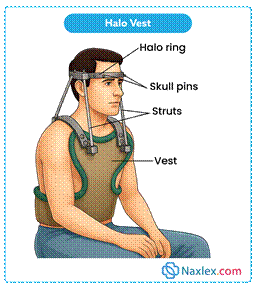
Spinal stabilization is the goal, which can be achieved through nonoperative methods like traction or through surgery. The decision for surgery depends on factors like the presence of cord compression, progressive neurological deficit, or bony fragments. Surgical procedures involve decompression and stabilization of the spinal column, often using fusion techniques with metal screws and plates.
Ethical Considerations in SCI Care
Nursing care for SCI patients can present significant ethical dilemmas, especially concerning the patient's right to refuse treatment. A competent adult has the right to refuse medical care, including life-sustaining treatments like enteral nutrition. While nurses have a duty to promote health, they must also respect patient autonomy. Competency is key the patient must be able to understand the information, weigh alternatives, and make a decision based on their values. Depression itself may not negate competency, and if a patient persists in their refusal after adequate psychological support and treatment, their wishes must be respected. The legal precedent supports that forced treatment constitutes battery.
Rehabilitation and Long-Term Care
Rehabilitation Potential Based on Injury Level
Rehabilitation is a cornerstone of SCI care, with goals aimed at maximizing function and independence. The potential for rehabilitation varies greatly depending on the level of injury (see Table 61-4 for details).
- C1-C4: Often require 24-hour care and mechanical ventilation. They can learn to operate electric wheelchairs and computers with assistive devices like chin or mouth sticks.
- C5: Can achieve some independence with feeding and driving an electric wheelchair using mobile arm supports. They still require significant attendant care.
- C6: Can assist with transfers, perform some self-care, and push a manual wheelchair on flat surfaces. Independence is greatly increased.
- C7-C8: Have increased hand function, allowing for greater independence in self-care, transfers, and wheelchair use.
- T1 and below: Have full upper extremity function, enabling independence with self-care and wheelchair mobility.
Expected Outcomes
Expected outcomes are that the patient with an SCI will
- Maintain adequate ventilation and have no signs of respiratory distress
- Maintain intact skin over bony prominences
- Establish a bowel management program based on neurologic function and personal preference
- Establish a bladder management program based on neurologic function, caregiver status, and lifestyle choices
- Experience no episodes of autonomic dysreflexia
Nursing Role in Long-Term Care
The nurse's role is to educate the patient and family on managing lifelong challenges:
- Bowel and Bladder Management: Teaching intermittent catheterization and consistent bowel programs to prevent incontinence and complications.
- Skin Care: Emphasizing daily skin checks, repositioning, and using pressure-relieving equipment to prevent ulcers.
- Autonomic Dysreflexia: A critical nursing responsibility. Nurses must educate patients on the triggers (e.g., full bladder, impacted bowel, tight clothing) and the signs and symptoms (severe hypertension, headache, sweating). The immediate nursing intervention is to find and remove the stimulus and elevate the head of the bed.
- Mobility and Spasticity: Encouraging range of motion exercises and educating on medication management for spasticity.
Psychosocial support is paramount. Nurses must help patients and families cope with the emotional and physical adjustments of a permanent disability, connecting them with support groups and resources to foster a sense of purpose and a fulfilling life.
Summary
- SCIs are most often caused by trauma and are classified by level: cervical, thoracic, lumbar.
- Cervical injuries commonly cause tetraplegia (impairment of arms and legs); thoracic/lumbar injuries commonly cause paraplegia (impairment of trunk and/or legs).
- In the acute phase patients may have spinal shock
- Patients are at risk of neurogenic shock, marked by bradycardia and hypotension.
- Emergency care priorities are spinal immobilization and respiratory support.
- Acute nursing care focuses on preventing pulmonary complications, treating hypotension, and managing bladder and bowel function.
- Long-term care emphasizes rehabilitation and functional recovery.
- Nurses teach individualized bladder and bowel management strategies based on neurologic function.
- Nurses provide skin-care education and interventions to prevent pressure injuries.
- Monitor for autonomic dysreflexia, a sudden hypertensive emergency typically occurring with injuries at or above T6.
- Treat autonomic dysreflexia immediately by identifying and removing the noxious stimulus and providing emergency management.
- The overall goal is to maximize function and quality of life, address emotional needs, and respect patient autonomy.
Naxlex
Videos
Login to View Video
Click here to loginTake Notes on Spinal Cord Injury
This filled cannot be empty
Join Naxlex Nursing for nursing questions & guides! Sign Up Now