






 Video Library


Please set your exam date
Head Injury
Study Questions
Practice Exercise 1
A client is admitted to the emergency department after a motor vehicle accident. The nurse notes that the client has a Glasgow Coma Scale (GCS) score of 7, is unresponsive to verbal commands, and has decerebrate posturing. The nurse would classify this head injury as:
Explanation
A Glasgow Coma Scale (GCS) score of 8 or below indicates a severe traumatic brain injury. A score of 9–12 is classified as moderate, while a score of 13–15 is mild. In this case, the client has a GCS of 7, is unresponsive to verbal stimuli, and exhibits decerebrate posturing, which are all consistent with a severe TBI.
Rationale for correct answer:
3. Severe traumatic brain injury (TBI). A GCS score ≤8 reflects severe neurologic impairment and often requires immediate airway and intracranial pressure management. Decerebrate posturing further supports significant brainstem dysfunction, which is life-threatening.
Rationale for incorrect answers:
1. Mild traumatic brain injury (TBI). Mild TBI corresponds to a GCS score of 13–15. Clients are usually alert or have only transient confusion, not posturing or unresponsiveness.
2. Moderate traumatic brain injury (TBI). Moderate TBI corresponds to a GCS score of 9–12. This client’s GCS of 7 is lower and falls in the severe range.
4. Concussion. A concussion is a type of mild TBI with temporary changes in mental status, often without structural brain injury. The client’s GCS and posturing rule out concussion.
Take-home points:
- GCS is used to classify severity of brain injury: 13–15 = mild, 9–12 = moderate, ≤8 = severe.
- A GCS of 7 indicates severe brain injury requiring aggressive monitoring and intervention.
- Decerebrate posturing signifies serious brainstem damage and poor prognosis.
- Early recognition of severity guides airway management, ICP monitoring, and neurosurgical interventions.
A patient with a head injury has clear fluid draining from their nose and bruises around their eyes (raccoon eyes). The nurse recognizes these findings as a classic sign of which type of skull fracture?
Explanation
Clear fluid drainage from the nose (possible cerebrospinal fluid leak) and raccoon eyes (periorbital ecchymosis) are classic signs of a basilar skull fracture, which involves the base of the skull. These findings indicate a potential dural tear and increased risk for meningitis due to CSF leakage.
Rationale for correct answer:
3. Basilar skull fracture. Basilar skull fractures commonly present with CSF rhinorrhea or otorrhea, raccoon eyes, or Battle’s sign (bruising behind the ears). These findings are hallmark indicators of this type of fracture.
Rationale for incorrect answers:
1. Depressed skull fracture. Involves bone fragments pressing inward, often seen with localized injury or lacerations, not typically with raccoon eyes or CSF leakage.
2. Linear skull fracture. A simple break in the bone without displacement. It usually does not produce obvious external signs like raccoon eyes or CSF drainage.
4. Compound skull fracture. Involves a break in the skin and skull bone exposure, increasing infection risk, but is not classically associated with raccoon eyes or CSF rhinorrhea.
Take-home points:
- Basilar skull fracture = raccoon eyes, Battle’s sign, CSF leakage.
- Always test drainage for CSF (halo sign or glucose testing) to confirm.
- High infection risk → monitor closely for meningitis.
- Avoid nasogastric tube insertion in suspected basilar fractures to prevent intracranial placement.
The nurse is caring for a client with a head injury. The client's family asks the nurse about the difference between a concussion and a cerebral contusion. The nurse explains that a key distinction is that a cerebral contusion:
Explanation
A cerebral contusion is a bruise of the brain tissue resulting from blunt trauma, which can cause capillary bleeding, edema, and structural brain damage. This makes it more serious than a concussion, which is typically a temporary disruption in neurologic function without visible structural injury.
Rationale for correct answer:
3. Cerebral contusion. A contusion is an actual injury to the brain parenchyma, leading to localized bleeding, edema, and risk of secondary complications such as increased intracranial pressure.
Rationale for incorrect answers:
1. Is a temporary injury with no permanent damage. This describes a concussion, which usually results in transient neurologic dysfunction, not a contusion.
2. Is a type of closed head injury, while a concussion is an open head injury. Both concussions and contusions are forms of closed head injury; an open injury involves a skull fracture or penetrating wound.
4. Only affects the outer layer of the brain and does not cause a change in consciousness. A contusion can affect deeper brain structures and often does cause altered consciousness, depending on severity and location.
Take-home points:
- Concussion = temporary neurologic dysfunction, no visible brain lesion.
- Contusion = visible bruise/bleed on brain tissue, more serious.
- Contusions can cause edema, increased ICP, seizures, or permanent damage.
- Always monitor clients with contusions closely for signs of deterioration.
A patient comes to the emergency department with a history of a head injury and a brief period of unconsciousness followed by a lucid interval and then a rapid decline in level of consciousness. The nurse suspects the client has which type of hematoma?
Explanation
An epidural hematoma often presents with a brief loss of consciousness, followed by a lucid interval where the patient appears relatively normal, and then a rapid decline in neurological status as bleeding increases and intracranial pressure rises. This is a neurosurgical emergency.
Rationale for correct answer:
3. Epidural hematoma. This type of hematoma is classically associated with arterial bleeding, often from the middle meningeal artery. The lucid interval followed by rapid deterioration is a hallmark sign.
Rationale for incorrect answers:
1. Acute subdural hematoma. Results from venous bleeding and typically presents with gradual changes in consciousness rather than a lucid interval.
2. Chronic subdural hematoma. Develops slowly over weeks, usually in older adults or those with brain atrophy; symptoms include headache, confusion, or subtle neurological decline.
4. Intracerebral hematoma. Involves bleeding directly into the brain tissue, often causing focal neurological deficits without the characteristic lucid interval seen in epidural hematomas.
Take-home points:
- Epidural hematoma = brief unconsciousness → lucid interval → rapid decline.
- Usually caused by arterial bleeding (middle meningeal artery).
- Requires rapid recognition and surgical intervention.
- Subdural hematomas present more gradually, not with a lucid interval.
A nurse is differentiating between a subdural hematoma and an epidural hematoma. Which of the following statements correctly describes a key difference between the two? (Select all that apply.)
Explanation
A subdural hematoma and an epidural hematoma differ in origin, location, and presentation. An epidural hematoma usually results from arterial bleeding between the dura mater and the skull, while a subdural hematoma results from venous bleeding between the dura mater and the arachnoid space. Subdural hematomas are especially common in older adults because brain atrophy stretches and weakens the bridging veins.
Rationale for correct answers:
1. An epidural hematoma is typically arterial in origin, while a subdural hematoma is usually venous. This distinction is important because arterial bleeding causes rapid deterioration, while venous bleeding tends to progress more gradually.
2. An epidural hematoma is located between the dura mater and the skull. This position allows blood to accumulate quickly and compress brain tissue, leading to sudden neurological decline.
4. A subdural hematoma is located between the dura mater and the arachnoid space. Because of its venous origin, this bleeding can expand slowly and symptoms may appear hours to weeks after injury.
6. Subdural hematomas are more common in older adults due to brain atrophy. The shrinkage of brain tissue places tension on veins, making them more vulnerable to rupture from minor trauma.
Rationale for incorrect answers:
3. A subdural hematoma is often associated with a brief lucid interval. The lucid interval is a classic sign of epidural hematoma, not subdural.
5. An epidural hematoma is a slow bleed, whereas a subdural hematoma is a rapid bleed. This statement is incorrect because epidural hematomas develop quickly due to arterial bleeding, while subdural hematomas develop more slowly due to venous bleeding.
Take-home points:
- An epidural hematoma involves arterial bleeding, located between the dura mater and the skull, and often progresses rapidly with a lucid interval.
- A subdural hematoma involves venous bleeding, located between the dura mater and the arachnoid space, and usually develops more gradually.
- Subdural hematomas are frequently seen in older adults because brain atrophy stretches the veins.
- Recognizing these differences helps guide early diagnosis and treatment.
Practice Exercise 2
A nurse is assessing a client with a severe head injury. The nurse observes the client's pupils are dilated and fixed, and the client's vital signs show an increase in systolic blood pressure, a widened pulse pressure, and a decrease in heart rate. The nurse recognizes this constellation of signs as an indication of:
Explanation
Cushing’s triad is a classic set of symptoms indicating increased intracranial pressure and impending brain herniation. The findings include increased systolic blood pressure with widening pulse pressure, bradycardia, and abnormal respirations. Pupils that are dilated and fixed further suggest severe neurologic compromise.
Rationale for correct answer:
1. Cushing’s triad. This triad represents a late and dangerous sign of increased intracranial pressure. It reflects the body’s attempt to maintain cerebral perfusion despite rising pressure, and often precedes herniation if untreated.
Rationale for incorrect answers:
2. A normal compensatory response. These findings are not normal; they indicate a medical emergency related to intracranial pressure.
3. Impending cerebral herniation. While these findings may occur just before herniation, they are specifically recognized as Cushing’s triad.
4. A mild concussion. A concussion usually presents with temporary loss of consciousness, confusion, headache, or dizziness, not with fixed pupils or vital sign changes.
Take-home points:
- Cushing’s triad consists of hypertension with widening pulse pressure, bradycardia, and irregular respirations.
- These findings are a late indicator of increased intracranial pressure.
- Fixed and dilated pupils suggest severe brain injury.
A nurse is caring for a client who sustained a closed-head injury. The nurse understands that the primary mechanism contributing to the development of increased intracranial pressure (ICP) is:
Explanation
The most important factor contributing to increased intracranial pressure is an increase in the volume of one or more intracranial components: brain tissue, blood, or cerebrospinal fluid. The skull is a rigid structure, so any expansion of these contents raises intracranial pressure. This can occur due to edema, hemorrhage, or obstruction of CSF flow.
Rationale for correct answer:
4. An increase in the volume of one or more of the intracranial components (brain tissue, blood, CSF). This is the basis of the Monro-Kellie doctrine, which states that the cranial vault has a fixed volume. Any increase in one component must be offset by a decrease in another, or else ICP rises.
Rationale for incorrect answers:
1. A decrease in cerebral blood flow. This is a consequence of increased ICP, not the primary cause.
2. An increase in the production of cerebrospinal fluid. While excessive CSF can contribute, it is less common than obstruction or impaired absorption.
3. A decrease in brain tissue volume. This would not cause increased ICP; in fact, it would reduce overall pressure.
Take-home points:
- ICP rises when brain tissue, blood, or CSF volume increases inside the rigid skull.
- The Monro-Kellie doctrine explains this fixed-volume relationship.
- Increased ICP reduces cerebral perfusion and can lead to brain herniation.
The nurse is assessing a client with a severe head injury. Which of the following findings are late signs of increased intracranial pressure (ICP)? (Select all that apply.)
Explanation
Late signs of increased intracranial pressure (ICP) include dilated and fixed pupils, papilledema, and abnormal posturing such as decorticate or decerebrate. These findings reflect severe neurologic compromise and indicate that compensatory mechanisms are failing. Immediate intervention is required to prevent brain herniation.
Rationale for correct answers:
3. Dilated and fixed pupils. This indicates compression of cranial nerves and is a late manifestation of dangerously high ICP.
5. Papilledema. Swelling of the optic disc occurs when ICP is sustained, making it a classic late sign.
6. Decorticate or decerebrate posturing. These abnormal postures signal severe brain injury and loss of cortical control, typically appearing in the late stages of ICP elevation.
Rationale for incorrect answers:
1. Headache. This is an early sign of increased ICP, often reported before more serious changes occur.
2. Vomiting. Projectile vomiting without nausea is an early indicator of rising ICP, not a late finding.
4. Altered level of consciousness. This is the earliest and most sensitive sign of increased ICP, occurring before late neurological changes.
Take-home points:
- Early signs of increased ICP include headache, vomiting, and altered level of consciousness.
- Late signs include fixed and dilated pupils, papilledema, and abnormal posturing.
- Recognizing progression from early to late signs is critical for timely intervention.
A nurse is caring for a client who experienced a head injury and is at risk for developing a subarachnoid hemorrhage. Which of the following manifestations should the nurse monitor for as a potential sign of this complication?
Explanation
A subarachnoid hemorrhage often presents with a sudden, severe headache described as “the worst headache of my life.” This occurs due to bleeding into the subarachnoid space, which irritates the meninges and increases intracranial pressure. The onset is abrupt and is considered a medical emergency requiring immediate intervention.
Rationale for correct answer:
3. A severe headache described as "the worst headache of my life." This hallmark symptom reflects sudden meningeal irritation from bleeding into the subarachnoid space. It is often accompanied by nausea, vomiting, photophobia, and nuchal rigidity.
Rationale for incorrect answers:
1. A rapid onset of stupor or coma. This may occur with massive intracerebral or intraventricular bleeding but is not the classic early sign of subarachnoid hemorrhage.
2. A brief loss of consciousness followed by a lucid interval. This pattern is most characteristic of an epidural hematoma, not subarachnoid hemorrhage.
4. A gradual onset of confusion and slurred speech. This presentation is more consistent with a chronic subdural hematoma or other slowly evolving intracranial process.
Take-home points:
- Subarachnoid hemorrhage is most often identified by a sudden, severe “worst headache of my life.”
- Additional findings may include nausea, vomiting, photophobia, and neck stiffness.
- A subarachnoid bleed is a medical emergency requiring rapid recognition and treatment.
A client with a head injury develops a high fever, nuchal rigidity, and photophobia. The nurse suspects the client is developing which of the following complications?
Explanation
Meningitis is a potential complication of head injury, especially if there is a cerebrospinal fluid leak or open skull fracture. Classic manifestations include fever, nuchal rigidity, and photophobia, which result from inflammation of the meninges. This condition is life-threatening and requires immediate medical intervention with antibiotics and supportive care.
Rationale for correct answer:
2. Meningitis. The presence of fever, neck stiffness, and sensitivity to light are hallmark signs of meningeal irritation. In the context of head injury, this may occur when bacteria enter through a dural tear or cerebrospinal fluid leak.
Rationale for incorrect answers:
1. Diabetes insipidus. This condition can follow head trauma involving the pituitary gland but presents with polyuria, polydipsia, and dehydration, not fever or photophobia.
3. Seizures. Head injuries can increase seizure risk, but seizures are characterized by abnormal movements or altered consciousness, not nuchal rigidity or photophobia.
4. Hydrocephalus. This involves accumulation of cerebrospinal fluid leading to increased intracranial pressure and neurologic changes, but not fever or meningismus.
Take-home points:
- Meningitis presents with fever, nuchal rigidity, and photophobia due to meningeal irritation.
- A head injury with CSF leakage increases the risk of meningitis.
- Rapid recognition and initiation of antibiotic therapy are critical to reduce morbidity and mortality.
Practice Exercise 3
Skull x-rays and a computed tomography (CT) scan provide evidence of a depressed parietal fracture with a subdural hematoma in a patient admitted to the ED following an automobile accident. In planning care for the patient, what should the nurse anticipate?
Explanation
A depressed skull fracture with a subdural hematoma requires surgical intervention because both conditions place the patient at high risk for increased intracranial pressure and brain herniation. A craniotomy allows evacuation of the hematoma, repair of the fracture, and decompression of the brain. This intervention is urgent and life-saving in patients with significant structural injury.
Rationale for correct answer:
4. The patient will be taken to surgery for a craniotomy for evacuation of blood and decompression of the cranium. A craniotomy is the treatment of choice in cases of depressed fractures with hematoma formation, as it directly removes the clot, relieves pressure, and repairs damage.
Rationale for incorrect answers:
1. The patient will receive life support measures until the condition stabilizes. Supportive measures may be necessary but are not definitive treatment in the presence of a large hematoma and depressed fracture.
2. Immediate burr holes will be made to rapidly decompress the intracranial cavity. Burr holes are used as an emergency measure in certain situations, but definitive management of this case requires a craniotomy.
3. The patient will be treated conservatively with close monitoring for changes in neurologic status. Conservative treatment may be appropriate for minor injuries, but not for a depressed fracture with hematoma, which requires surgical evacuation.
Take-home points:
- A depressed skull fracture with subdural hematoma is a surgical emergency.
- Craniotomy is performed to evacuate blood, relieve pressure, and repair the fracture.
- Supportive measures may be used, but definitive treatment requires surgical intervention.
- Early recognition and rapid surgical care improve survival and neurological outcomes.
When a patient is admitted to the ED following a head injury, what should be the nurse’s first priority in management of the patient once a patent airway is confirmed?
Explanation
After confirming a patent airway, the nurse’s first priority in managing a head injury patient is to maintain cervical spine precautions. Trauma patients are at high risk for concurrent cervical spine injuries, and any movement without stabilization can cause spinal cord damage. Protecting the spine is essential before proceeding with further assessments or interventions.
Rationale for correct answer:
1. Maintain cervical spine precautions. Stabilizing the neck with a cervical collar or manual support prevents additional neurologic injury. This is a critical safety measure immediately following head trauma until spinal injury is ruled out.
Rationale for incorrect answers:
2. Monitor for changes in neurologic status. Neurologic monitoring is very important but is not the first priority before spinal stabilization is ensured.
3. Determine the presence of increased ICP. Increased ICP assessment is necessary, but maintaining spinal stability comes first in the initial emergency phase.
4. Establish IV access with a large-bore catheter. IV access is important for fluid and medication administration but should be done only after airway and spine stabilization.
Take-home points:
- After airway confirmation, spinal precautions are the immediate priority in head trauma.
- Cervical stabilization prevents secondary spinal cord injury.
- Neurologic assessment, ICP monitoring, and IV access follow after safety is ensured.
A 54-year-old man is recovering from a skull fracture with a subacute subdural hematoma that caused unconsciousness. He has return of motor control and orientation but appears apathetic and has reduced awareness of his environment. When planning discharge of the patient, what should the nurse explain to the patient and the family?
Explanation
A client recovering from a subacute subdural hematoma may regain motor and cognitive function but can continue to experience emotional and behavioral changes. Apathetic behavior and reduced environmental awareness are common long-term sequelae of brain injury. The nurse should educate the patient and family that these changes may persist and may require ongoing professional support and rehabilitation.
Rationale for correct answer:
1. The patient is likely to have long-term emotional and mental changes that may require professional help. Brain injuries often result in subtle but lasting alterations in mood, personality, or cognition. Preparing the family for these challenges promotes better coping and encourages early intervention when needed.
Rationale for incorrect answers:
2. Continuous improvement in the patient’s condition should occur until he has returned to pretrauma status. Full recovery to baseline is not always realistic, and improvement often plateaus after the initial recovery phase.
3. The patient’s complete recovery may take years and the family should plan for his long-term dependent care. While recovery can be prolonged, most clients with subacute subdural hematomas do not require lifelong dependence.
4. Role changes in family members will be necessary because the patient will be dependent on his family for care and support. The patient may not be fully dependent, but may need emotional and cognitive support rather than total caregiving.
Take-home points:
- Brain injuries can cause lasting emotional, mental, or personality changes.
- Families should be prepared for changes in behavior and awareness, even if physical recovery is good.
- Professional rehabilitation and support services may be necessary for long-term adjustment.
A nurse is preparing a client with a severe head injury for a decompressive craniectomy. The nurse understands that the primary goal of this procedure is to:
Explanation
A decompressive craniectomy is performed to relieve increased intracranial pressure (ICP) by removing part of the skull, which allows swollen brain tissue room to expand. This procedure does not directly treat the underlying injury but prevents secondary brain damage caused by uncontrolled ICP. The primary goal is to preserve neurologic function and prevent herniation.
Rationale for correct answer:
3. Relieve increased intracranial pressure. By creating space for the swelling brain, the procedure reduces pressure, improves cerebral perfusion, and lowers the risk of herniation and further neuronal injury.
Rationale for incorrect answers:
1. Remove a hematoma. Hematoma evacuation is a separate surgical procedure, not the main purpose of a decompressive craniectomy.
2. Stop active bleeding. Controlling bleeding may be part of initial surgical management, but the craniectomy itself is aimed at ICP control.
4. Repair a depressed skull fracture. Skull fracture repair involves elevation or fixation of bone fragments, which differs from decompression.
Take-home points:
- Decompressive craniectomy is used to manage uncontrolled ICP.
- The procedure creates space for brain tissue swelling and helps maintain cerebral perfusion.
- It is a life-saving measure to prevent brain herniation.
A nurse is administering mannitol to a client with increased intracranial pressure (ICP). The nurse knows that this medication works by:
Explanation
Mannitol is an osmotic diuretic that works by drawing fluid from swollen brain tissue into the vascular space, where it can be excreted through the kidneys. This reduces cerebral edema and lowers intracranial pressure without compromising cerebral perfusion. The primary effect is fluid shift, not sedation, seizure prevention, or blood pressure reduction.
Rationale for correct answer:
2. Promoting diuresis to reduce cerebral edema. Mannitol increases plasma osmolality, pulling water from the brain into circulation, which decreases intracranial volume and pressure.
Rationale for incorrect answers:
1. Decreasing blood pressure. While diuresis may indirectly influence volume status, mannitol is not primarily used as an antihypertensive.
3. Inducing a coma to decrease the brain’s oxygen needs. Barbiturates, not mannitol, may be used to induce a coma in refractory ICP.
4. Preventing seizures that could further damage the brain. Anticonvulsants are used for seizure prevention, not osmotic diuretics.
Take-home points:
- Mannitol is an osmotic diuretic used to reduce cerebral edema and ICP.
- It works by shifting fluid from the brain into the bloodstream for excretion.
- Careful monitoring of fluid balance, electrolytes, and kidney function is required.
Comprehensive Questions
A patient with intracranial pressure monitoring has a pressure of 12 mm Hg. The nurse understands that this pressure reflects:
Explanation
A pressure of 12 mm Hg is within the normal range for intracranial pressure, which is 5–15 mm Hg. This indicates a normal balance between brain tissue, blood, and cerebrospinal fluid, consistent with the Monro-Kellie doctrine. No signs of impaired perfusion or abnormal CSF dynamics are present at this level.
Rationale for correct answer:
4. A normal balance between brain tissue, blood, and cerebrospinal fluid. ICP values within the 5–15 mm Hg range are considered normal and reflect adequate autoregulation and stable intracranial dynamics.
Rationale for incorrect answers:
1. A severe decrease in cerebral perfusion pressure. Severe decreases occur when ICP rises significantly, usually above 20–25 mm Hg.
2. An alteration in the production of cerebrospinal fluid. CSF production or drainage abnormalities usually result in increased ICP, not a normal reading.
3. The loss of autoregulatory control of intracranial pressure. Loss of autoregulation is associated with elevated ICP and poor cerebral perfusion, not a value of 12 mm Hg.
Take-home points:
- Normal ICP is 5–15 mm Hg.
- A reading of 12 mm Hg indicates stable intracranial dynamics.
- Elevated ICP (>20 mm Hg) is clinically significant and requires intervention.
A nurse plans care for the patient with increased intracranial pressure with the knowledge that the best way to position the patient is to
Explanation
The optimal position for a patient with increased intracranial pressure (ICP) is to elevate the head of the bed to about 30 degrees. This position promotes venous drainage from the brain while maintaining adequate arterial blood flow. It helps reduce ICP without compromising cerebral perfusion.
Rationale for correct answer:
2. Elevate the head of the bed to 30 degrees. Semi-Fowler’s positioning enhances cerebral venous outflow, lowers ICP, and supports optimal oxygen delivery to brain tissue.
Rationale for incorrect answers:
1. Keep the head of the bed flat. A flat position can increase ICP by reducing venous drainage from the brain.
3. Maintain patient on the left side with the head supported on a pillow. Side-lying may obstruct venous return depending on neck positioning, which can worsen ICP.
4. Use a continuous-rotation bed to continuously change patient position. Continuous rotation is not specifically indicated for ICP management and could destabilize the patient.
Take-home points:
- The best position for ICP management is head-of-bed elevation to about 30 degrees.
- This facilitates venous drainage and helps maintain cerebral perfusion.
- Avoid positions that obstruct venous outflow, such as flat or extreme lateral positioning.
- Proper head and neck alignment is essential to optimize ICP control.
The nurse is alerted to a possible acute subdural hematoma in the patient who:
Explanation
An acute subdural hematoma typically develops within 24 to 48 hours after head trauma due to venous bleeding beneath the dura. Patients often present with headache, decreased level of consciousness, and neurologic deficits. The progression may be rapid and life-threatening, requiring urgent intervention.
Rationale for correct answer:
3. Develops decreased level of consciousness and a headache within 48 hours of a head injury. This timing and symptom pattern are classic for an acute subdural hematoma caused by venous bleeding and brain tissue compression.
Rationale for incorrect answers:
1. Has a linear skull fracture crossing a major artery. This is more likely associated with an epidural hematoma, which is arterial in origin.
2. Has focal symptoms of brain damage with no recollection of a head injury. This suggests a possible chronic subdural hematoma seen in older adults or those with brain atrophy.
4. Has an immediate loss of consciousness with a brief lucid interval followed by decreasing level of consciousness. This describes the classic presentation of an epidural hematoma.
Take-home points:
- Acute subdural hematomas occur within 24–48 hours of trauma.
- Symptoms include headache, confusion, and declining level of consciousness.
- They result from venous bleeding beneath the dura.
- Epidural hematomas are usually arterial and follow a different course with a lucid interval.
During admission of a patient with a severe head injury to the emergency department, the nurse places the highest priority on assessment for
Explanation
For a patient with a severe head injury, the nurse’s highest priority is assessment of airway patency. Without a secure airway, oxygenation and ventilation cannot be maintained, which may lead to hypoxia and secondary brain injury. Airway management always precedes other assessments in trauma care.
Rationale for correct answer:
1. Patency of airway. Ensuring an open airway and adequate ventilation is the first step in emergency management, as hypoxemia worsens outcomes in head-injured patients.
Rationale for incorrect answers:
2. Presence of a neck injury. Cervical spine precautions are important but come after airway stabilization.
3. Neurologic status with the Glasgow Coma Scale. Neurologic assessment is essential, but it is not the first priority in the ABCs of emergency care.
4. Cerebrospinal fluid leakage from the ears or nose. CSF leakage indicates a skull fracture but is a lower priority compared to airway and breathing.
Take-home points:
- Airway management is the first priority in patients with severe head trauma.
- Hypoxia and hypercapnia significantly worsen brain injury outcomes.
- Follow the ABCs (airway, breathing, circulation) in trauma care.
A client involved in a minor car accident initially refuses medical attention but schedules an appointment with a primary care provider six weeks later due to persistent headaches. The provider diagnoses a mild traumatic brain injury (TBI).
Which details from the client's history would support this diagnosis? Select all that apply.
Explanation
A mild traumatic brain injury (TBI), or concussion, may present with a brief loss of consciousness, sensory disturbances, or subtle cognitive changes. Unlike moderate or severe TBIs, the client often retains memory of the event and does not necessarily have severe symptoms like repeated vomiting or prolonged unconsciousness. The persistence of subtle neurologic symptoms weeks later supports the diagnosis.
Rationale for correct answers:
3. The client lost consciousness for a few seconds at the time of the injury. Brief loss of consciousness is consistent with mild TBI.
4. The client has had no episodes of vomiting since the accident. Absence of vomiting does not rule out mild TBI and is common in milder forms.
5. The client remembers the events leading up to and during the accident. Retained memory is consistent with mild TBI, since amnesia is more characteristic of moderate to severe cases.
6. The client describes a funny, “disgusting” taste in their mouth since the accident. Sensory changes such as altered taste or smell are common symptoms of concussion.
Rationale for incorrect answers:
1. The client has experienced daily headaches and dizziness since the accident. These are symptoms of severe brain injury.
2. The client has difficulty concentrating and focusing at work. This symptom is associated with severe brain injury
Take-home points:
- Mild TBI may involve a brief loss of consciousness or subtle sensory changes.
- Vomiting and memory loss are not required for diagnosis.
- Clients may present weeks later with persistent symptoms.
- Diagnosis relies on clinical history and the constellation of neurologic findings.
A nurse is caring for a client who was recently admitted to the emergency department following a head-on motor vehicle crash. The client is unresponsive, has spontaneous respirations of 22/min, and a laceration on his forehead that is bleeding. Which of the following is the priority nursing action at this time?
Explanation
In a client with a head injury from a motor vehicle crash, the priority action after confirming spontaneous respirations is to stabilize the neck. Patients with significant head trauma are at high risk of cervical spine injury, and movement without immobilization could cause permanent spinal cord damage. This intervention takes precedence before IV access, NG tube placement, or frequent vital sign monitoring.
Rationale for correct answer:
1. Keep neck stabilized. Immobilizing the cervical spine prevents further neurologic injury until spinal injury is ruled out. It is a critical step in trauma care after ensuring airway and breathing.
Rationale for incorrect answers:
2. Insert nasogastric tube. NG tube insertion is contraindicated in head injuries with possible skull fractures and is not the immediate priority.
3. Monitor pulse and blood pressure frequently. Vital sign monitoring is essential but comes after airway, breathing, and spine stabilization.
4. Establish IV access and start fluid replacement. IV access is important for stabilization but should not occur before ensuring spinal immobilization.
Take-home points:
- In trauma care, always follow airway, breathing, circulation, spine protection (ABCs + spine).
- Cervical spine stabilization is the first priority after airway and breathing are secured.
- NG tube placement is contraindicated in suspected skull fractures.
A nurse is caring for a client who has just been admitted following surgical evacuation of a subdural hematoma. Which of the following is the priority assessment?
Explanation
Following surgical evacuation of a subdural hematoma, the priority assessment is oxygen saturation. Adequate oxygenation is essential to prevent secondary brain injury, as hypoxia is one of the most significant contributors to poor neurologic outcomes. While neurologic assessments are important, they become secondary if oxygenation is not maintained.
Rationale for correct answer:
3. Oxygen saturation. Ensuring adequate oxygen delivery prevents cerebral hypoxia and ischemia, which are life-threatening complications after brain surgery. Oxygenation is assessed and managed before neurologic status is evaluated.
Rationale for incorrect answers:
1. Glasgow Coma Scale. The GCS is critical for monitoring neurologic recovery, but it is not the immediate priority if oxygenation is not confirmed.
2. Cranial nerve function. Cranial nerve testing is a more detailed neurologic assessment and not the first priority postoperatively.
4. Pupillary response. Changes in pupils are key indicators of neurologic status but come after ensuring basic physiologic stability, particularly oxygenation.
Take-home points:
- After brain surgery, oxygenation is the first priority to prevent secondary injury.
- Hypoxia worsens neurologic outcomes more than delayed neuro assessments.
- Once oxygenation is stable, frequent GCS and pupillary assessments are essential.
- Always prioritize airway, breathing, circulation before detailed neurologic checks.
A nurse is caring for a client who has a closed-head injury with ICP readings range from 16 to 22 mm Hg. Which of the following actions should the nurse take to decrease the potential for raising the client’s ICP? (Select all that apply.)
Explanation
In a client with ICP readings between 16 and 22 mm Hg, the nurse should focus on interventions that prevent further increases in intracranial pressure. Measures that promote adequate oxygenation, prevent straining, and maintain cerebral perfusion are beneficial. Interventions that increase intrathoracic or intra-abdominal pressure, such as frequent suctioning or improper positioning, should be avoided.
Rationale for correct answers:
2. Hyperventilate the client. Controlled hyperventilation lowers PaCO₂, which causes cerebral vasoconstriction and can temporarily decrease ICP.
4. Administer a stool softener. Preventing straining during bowel movements avoids spikes in ICP caused by increased intra-abdominal pressure.
5. Keep the client well hydrated. Adequate hydration maintains cerebral perfusion and prevents hypotension, which could reduce blood flow to the brain.
Rationale for incorrect answers:
1. Suction the endotracheal tube. Suctioning increases ICP and should be avoided unless absolutely necessary, and then performed briefly with preoxygenation.
3. Elevate the client’s head on two pillows. Improper head elevation can obstruct venous outflow; instead, the head of bed should be elevated about 30 degrees with the neck in neutral alignment.
Take-home points:
- Avoid activities that increase intrathoracic or intra-abdominal pressure (suctioning, straining).
- Use stool softeners and proper positioning to help prevent ICP spikes.
- Hyperventilation may be used short-term to lower ICP.
A nurse in the critical care unit is completing an admission assessment of a client who has a gunshot wound to the head. Which of the following assessment findings are indicative of increased ICP? (Select all that apply.)
Explanation
Increased intracranial pressure (ICP) presents with early and late neurologic changes. Headache is often an early symptom, while dilated pupils and abnormal posturing such as decorticate positioning indicate more advanced increases in ICP. Tachycardia and hypotension are not typical signs; instead, Cushing’s triad involves bradycardia, hypertension, and irregular respirations.
Rationale for correct answers:
1. Headache. One of the earliest signs of increased ICP caused by stretching of meninges and blood vessels.
2. Dilated pupils. Indicates compression of cranial nerve III and is a late, dangerous sign of rising ICP.
4. Decorticate posturing. Abnormal flexion posturing reflects significant brain injury and elevated ICP.
Rationale for incorrect answers:
3. Tachycardia. Increased ICP usually causes bradycardia, not tachycardia.
5. Hypotension. Increased ICP often produces hypertension (as part of Cushing’s triad), not low blood pressure.
Take-home points:
- Early sign of ICP: headache.
- Late signs: dilated pupils, abnormal posturing, bradycardia, hypertension, irregular respirations.
- Monitor closely for progression, as late findings indicate impending herniation.
A nurse is caring for a client who has increased ICP and a new prescription for mannitol (Osmitrol). For which of the following adverse effects should the nurse monitor?
Explanation
Mannitol is an osmotic diuretic that pulls fluid from brain tissue into the vascular space, helping to decrease cerebral edema and intracranial pressure. However, this process can lead to significant fluid and electrolyte shifts. Hyponatremia may occur due to the diuretic effect and increased excretion of sodium and water, making it an important adverse effect to monitor.
Rationale for correct answer:
2. Hyponatremia. Mannitol promotes osmotic diuresis, which can cause electrolyte imbalances, particularly low sodium levels, that must be closely monitored.
Rationale for incorrect answers:
1. Hyperglycemia. Mannitol is not associated with elevated glucose; it primarily affects fluid balance.
3. Hypervolemia. The opposite is more likely — hypovolemia — due to excessive diuresis.
4. Oliguria. Mannitol increases urine output; a lack of response (oliguria) may indicate kidney dysfunction but is not a direct adverse effect.
Take-home points:
- Monitor for electrolyte imbalances, especially sodium and potassium.
- Check for fluid status changes (hypovolemia or dehydration).
- Monitor renal function to ensure the kidneys can handle osmotic load.
The patient has been diagnosed with a cerebral concussion. What should the nurse expect to see in this patient?
Explanation
A cerebral concussion is a type of mild traumatic brain injury that causes a temporary disruption of neurologic function without structural damage. Headache, retrograde amnesia, and transient loss of consciousness are classic findings. Symptoms are usually temporary, but repeated concussions can lead to cumulative neurologic effects.
Rationale for correct answer:
4. Headache, retrograde amnesia, and transient reduction in LOC. These findings are characteristic of a concussion, where the brain experiences temporary functional impairment without permanent damage.
Rationale for incorrect answers:
1. Deafness, loss of taste, and CSF otorrhea. These are more typical of a basilar skull fracture involving cranial nerve injury and CSF leakage.
2. CSF otorrhea, vertigo, and Battle’s sign. These are hallmark indicators of a basilar skull fracture, not a concussion.
3. Boggy temporal muscle due to extravasation of blood. This suggests a temporal bone fracture with bleeding, which differs from the functional injury of concussion.
Take-home points:
- A concussion produces temporary neurologic dysfunction without structural brain injury.
- Classic features: headache, retrograde amnesia, brief LOC.
- Always monitor for worsening symptoms that could indicate bleeding or secondary brain injury.
The patient comes to the emergency department (ED) with cortical blindness and visual field defects. Which type of head injury does the nurse suspect?
Explanation
A cerebral contusion is a bruising of brain tissue that can occur in various regions depending on the site of impact. Cortical blindness and visual field defects suggest involvement of the occipital lobe, which processes vision. This distinguishes it from fractures that primarily affect bone structures or cranial nerves.
Rationale for correct answer:
1. Cerebral contusion. Contusions affecting the occipital lobe can damage visual processing centers, leading to cortical blindness and visual field defects.
Rationale for incorrect answers:
2. Orbital skull fracture. This would cause periorbital ecchymosis, diplopia, or ocular injury, not cortical blindness.
3. Posterior fossa fracture. This primarily affects the brainstem and cranial nerves, leading to hearing loss, facial weakness, or balance problems.
4. Frontal lobe skull fracture. This injury causes behavioral, cognitive, or motor changes, not visual field loss.
Take-home points:
- Cerebral contusion is a bruise of brain tissue, often with focal neurologic deficits.
- Occipital lobe contusions can produce visual field loss and cortical blindness.
- Skull fractures typically cause local bone and cranial nerve damage, not cortical blindness.
The patient has a depressed skull fracture and scalp lacerations with communication to the intracranial cavity. Which type of injury should the nurse record?
Explanation
A compound skull fracture occurs when a depressed fracture and scalp laceration create a direct communication between the external environment and the intracranial cavity. This type of injury significantly increases the risk of infection, such as meningitis or brain abscess. The key feature is the open pathway between the scalp wound and intracranial structures.
Rationale for correct answer:
3. Compound skull fracture. This fracture involves both a break in the bone and an overlying scalp laceration, exposing the brain and meninges to external contamination.
Rationale for incorrect answers:
1. Linear skull fracture. A simple crack in the bone without depression or communication to the intracranial cavity.
2. Depressed skull fracture. Involves inward displacement of bone but not necessarily an open wound to the intracranial cavity.
4. Comminuted skull fracture. Characterized by multiple bone fragments, but not always associated with scalp lacerations or intracranial exposure.
Take-home points:
- Compound fractures involve scalp lacerations and open communication to the brain.
- These injuries carry a high risk of infection and meningitis.
- Linear, depressed, and comminuted fractures may not necessarily communicate with the intracranial cavity.
A patient with a head injury has bloody drainage from the ear. What should the nurse do to determine if CSF is present in the drainage?
Explanation
When bloody drainage is present, the most reliable bedside test for detecting cerebrospinal fluid (CSF) is the halo sign. By placing the fluid on a white dressing or gauze, a yellowish ring appears around the blood if CSF is present. This method helps differentiate CSF leakage from other body fluids.
Rationale for correct answer:
2. Test the fluid for a halo sign on a white dressing. The halo or "ring" sign is a quick and practical way to determine if CSF is mixed with blood or other drainage.
Rationale for incorrect answers:
1. Examine the tympanic membrane for a tear. This may show an injury but cannot confirm CSF leakage.
3. Test the fluid with a glucose-identifying strip or stick. Blood and mucus may also contain glucose, leading to false positives.
4. Collect 5 mL of fluid in a test tube and send it to the laboratory for analysis. While accurate, this is not the most immediate or practical bedside test in emergency care.
Take-home points:
- The halo sign is the best bedside test to detect CSF in bloody drainage.
- Glucose testing is unreliable when blood is present.
- Any suspected CSF leak should be reported promptly due to infection risk.
The nurse suspects the presence of an arterial epidural hematoma in the patient who experiences
Explanation
An epidural hematoma is typically arterial in origin, most often from a middle meningeal artery tear. The classic presentation includes loss of consciousness at the time of injury, a brief lucid interval, and then a rapid decline in level of consciousness. This rapid progression is due to arterial bleeding, which accumulates quickly and increases intracranial pressure.
Rationale for correct answer:
4. Unconsciousness at the time of a head injury with a brief period of consciousness followed by a decrease in LOC. This describes the hallmark “lucid interval” pattern of epidural hematoma caused by arterial bleeding.
Rationale for incorrect answers:
1. Failure to regain consciousness following a head injury. This is more typical of diffuse brain injury or severe contusion.
2. A rapid deterioration of neurologic function within 24 to 48 hours. This suggests an acute subdural hematoma, which is venous in origin.
3. Nonspecific, nonlocalizing progression over weeks or months. This reflects a chronic subdural hematoma, more common in older adults.
Take-home points:
- Epidural hematoma is usually arterial and progresses rapidly.
- The lucid interval followed by sudden decline is the classic hallmark.
- Subdural hematomas are typically venous and may present acutely or chronically.
The nurse delegates to the assistive personnel hygiene care for an alert older adult patient who had a stroke. Which intervention(s) would be appropriate for the assistive personnel to accomplish during the bath? Select all that apply
Explanation
APs can perform routine, non-invasive tasks (hygiene, ROM, basic skin care) when delegated and supervised, but assessment, clinical judgments, and invasive procedures (dressings, vascular checks) remain the RN’s responsibility.
Rationale for correct answer:
2. Providing range-of-motion (ROM) exercises to extremities: Appropriate for APs when delegated and within their training -ROM promotes circulation and joint mobility.
5. Providing special skin care as indicated by nurse: AP can perform delegated skin care (e.g., apply barrier cream, gentle cleansing) following RN instructions.
Rationale for incorrect answers:
1. Checking distal pulses: Typically, a nursing assessment responsibility (depends on facility policy); APs generally do not perform peripheral vascular assessments requiring documentation.
3. Determining type of treatment for Stage 1 pressure injury: Clinical judgment and treatment planning are RN responsibilities.
4. Changing the dressing over an intravenous site: Sterile dressing changes are an RN skill and should not be delegated to AP without specific training and orders.
Take home points
- Delegate task-based, non-judgment activities (ROM, bathing, applying barrier creams) to APs; keep assessment and treatment decisions with the RN.
- Always give clear instructions and supervision when delegating hygiene/skin tasks.
Exams on Head Injury
Custom Exams
Login to Create a Quiz
Click here to loginLessons
 Naxlex
Just Now
Naxlex
Just Now
- Objectives
- Introduction
- Classification Of Head Injuries
- Brain Injuries
- Types Of Hematomas
- Practice Exercise 1
- Pathophysiology Of Increased Intracranial Pressure
- Clinical Manifestations Of Head Injury
- Complications Of Head Injury
- Practice Exercise 2
- Management And Interventions For Increased Intracranial Pressure
- Practice Exercise 3
- Summary
- Comprehensive Questions
Notes Highlighting is available once you sign in. Login Here.
Objectives
- Classify different types of head injuries based on the affected anatomical structures.
- Differentiate between different types of hematomas and their clinical presentations.
- Explain the Monro-Kellie Doctrine and its significance in TBI pathophysiology.
- Identify the early and late clinical manifestations of increased intracranial pressure (ICP), including Cushing's Triad.
- Describe the nursing interventions for managing ICP, including non-pharmacologic, pharmacologic, and surgical approaches.
- Recognize and distinguish between common complications of head injury, such as DI, SIADH, and CSW.
- Apply the Glasgow Coma Scale (GCS) to assess a patient's neurological status and level of consciousness.
Introduction
Head injury, also known as a traumatic brain injury (TBI), is a significant cause of death and disability, particularly in young adults. Understanding the mechanisms, clinical manifestations, and nursing management is crucial for providing effective and safe care. This guide is organized to help you study the key concepts of head injury for your medical-surgical nursing course.
Classification Of Head Injuries
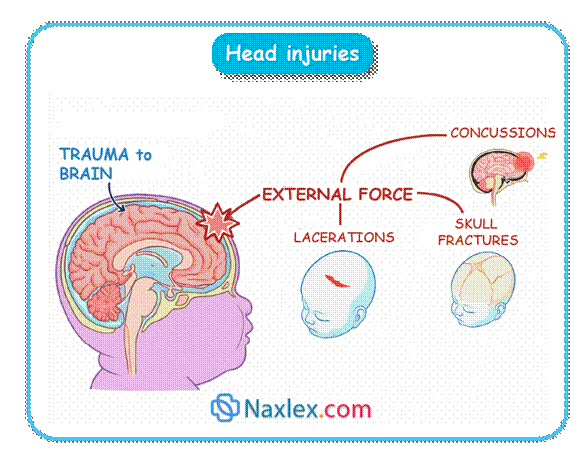
Head injuries can be classified based on the severity of the trauma, ranging from minor to severe. The injury can affect the scalp, skull, or brain tissue.
Scalp Lacerations
-
Description: The most minor type of head trauma, but can be a source of significant blood loss due to the scalp's rich blood supply. A scalp laceration is often the entry point for infection to the brain, so it must be treated carefully.
- Assessment: Inspect for a break in the skin. Be aware that even a small wound can hide a more serious underlying skull fracture. The location and depth of the wound are key to the assessment.
- Nursing Care: Control bleeding immediately with direct pressure. Clean the wound thoroughly to reduce the risk of infection and prepare for suturing or staples. Monitor for signs of infection such as redness, swelling, drainage, and fever.
Skull Fractures
Skull fractures are breaks in the continuity of the skull bone. They are categorized by type.
- Linear Fracture: The most common and least severe type. It is a simple crack without bone displacement. It often requires observation only, as the bone usually heals on its own. The primary concern is if the fracture extends to a major blood vessel.
- Depressed Fracture: The skull is broken and pushed inward, compressing the brain tissue beneath it. This is a serious injury that can cause direct pressure on the brain, leading to neurological deficits. This requires surgical intervention to lift the bone fragments and relieve pressure.
- Basilar Fracture: A fracture at the base of the skull, often involving the temporal, occipital, or sphenoid bones. Signs include periorbital ecchymosis (raccoon eyes) and postauricular ecchymosis (Battle's sign), which are caused by blood seeping into the surrounding tissues. There may also be leakage of cerebrospinal fluid (CSF) from the nose (rhinorrhea) or ears (otorrhea).
- Nursing Care: Do not place a nasogastric tube because it could be misplaced and enter the brain. Test any clear fluid draining from the nose or ears for glucose using a Dextrostix, as CSF is positive for glucose. A positive "halo sign"—a blood stain surrounded by a clear or yellowish ring on gauze—is also indicative of CSF leakage.
Brain Injuries
Brain injuries range from mild concussions to severe lacerations.
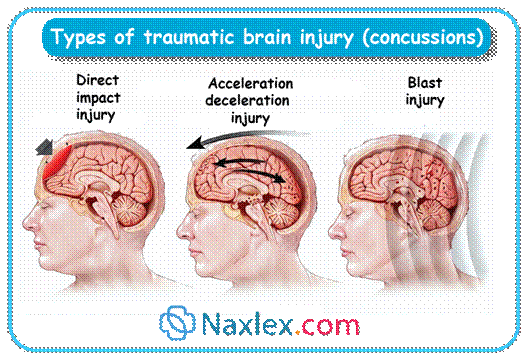
- Concussion: A mild TBI resulting from a direct blow or shaking. It can cause a brief loss of consciousness, but patients often experience a headache, confusion, and dizziness. They may not recall the event itself. Patients should be monitored closely for post-concussion syndrome, which can include headaches, irritability, dizziness, and difficulty concentrating for weeks or months after the initial injury.
-
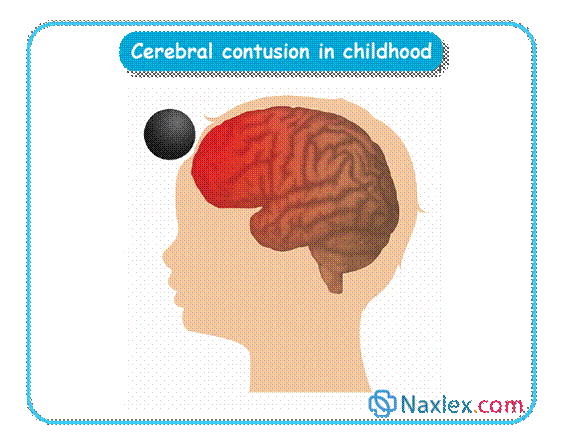
Contusion: Bruising of the brain tissue. It is a more severe injury that can cause bleeding and swelling. The "coup-contrecoup" injury is when a direct blow causes a contusion at the site of impact (coup) and a second contusion on the opposite side as the brain rebounds within the skull (contrecoup).
-
Laceration: A tearing of brain tissue. This is a serious injury often associated with penetrating trauma (e.g., a gunshot wound). It can cause severe bleeding and swelling, and the prognosis is often poor.
Types Of Hematomas
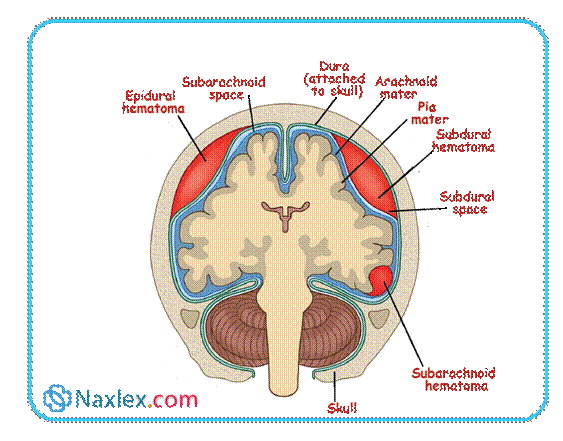
A hematoma is a collection of blood outside of blood vessels. In head injury, this blood can compress the brain tissue.
-
Epidural Hematoma (EDH): Bleeding between the dura mater and the inner surface of the skull. It is most often caused by a torn meningeal artery. This is an extremely dangerous condition because arterial bleeding is fast and a large volume of blood can accumulate quickly.
-
Clinical Presentation: A classic presentation is a brief period of unconsciousness immediately after the injury, followed by a lucid interval (the patient wakes up and seems fine), and then a rapid decline in neurological function. This is a neurological emergency requiring immediate surgical intervention to evacuate the clot.
-
-
Subdural Hematoma (SDH): Bleeding between the dura mater and the arachnoid layer. It is usually venous in origin and can be classified based on the speed of onset.
-
Acute SDH: Occurs within 24 to 48 hours after injury.
-
Subacute SDH: Develops over 2 to 14 days.
-
Chronic SDH: Develops weeks or months after a seemingly minor injury. The patient may present with vague symptoms like a headache or confusion. Common in older adults or those with a history of alcohol abuse because their brains have atrophied, allowing for more space for the hematoma to form without causing immediate symptoms.
-
-
Intracerebral Hematoma: Bleeding within the brain tissue itself. It is caused by the rupture of a blood vessel. It can be caused by trauma or other conditions like a stroke.
Pathophysiology Of Increased Intracranial Pressure
Increased ICP is a life-threatening complication of head injury. It results from the increase in any of the three components in the skull: brain tissue, blood, or cerebrospinal fluid.
- Monro-Kellie Doctrine: This principle states that the skull is a rigid, non-flexible compartment containing three components: brain tissue ( 80%), blood ( 10%), and cerebrospinal fluid (CSF) ( 10%). If one component increases, another must decrease to maintain a normal ICP. If this compensation fails, ICP rises. For example, if a patient has bleeding (increased blood volume), the body will first try to displace some CSF to compensate. Once this mechanism is exhausted, ICP will rise.
- Cerebral Perfusion Pressure (CPP): This is the pressure needed to ensure blood flow to the brain and is a critical measure in TBI management. It is calculated by the formula: CPP=MAP−ICP. Maintaining a normal CPP (>60 mmHg) is a primary goal in managing head injury. A low CPP can lead to brain ischemia and cell death.
Clinical Manifestations Of Head Injury
The signs and symptoms of a head injury can be subtle at first and progress over time.
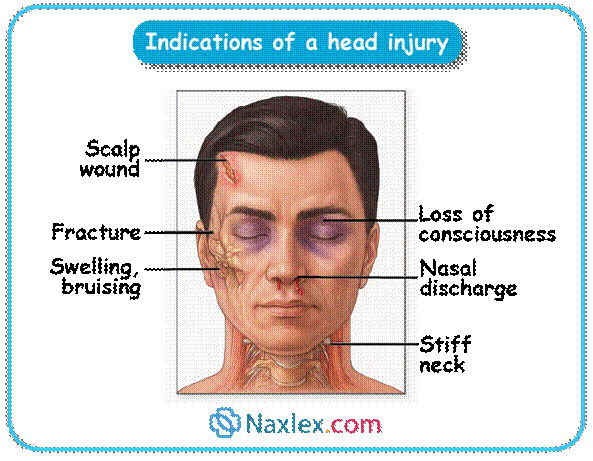
-
General Signs: Headache, nausea, vomiting, confusion, and amnesia.
-
Signs of Increasing ICP:
-
Change in the level of consciousness (LOC): This is the most sensitive and earliest indicator. The patient may become lethargic, confused, or unresponsive.
-
Pupillary changes: The pupils may become unequal, sluggish to react to light, or fixed and dilated. This indicates pressure on the optic nerve and brainstem.
-
Decrease in motor function: This can range from muscle weakness to abnormal posturing, such as decorticate (flexion of arms and wrists) or decerebrate (extension of arms and legs) posturing, which are late and severe signs.
-
Cushing's Triad: A classic sign of severe and rapidly increasing ICP. It indicates a medical emergency. It includes:
-
Systolic hypertension with a widening pulse pressure. The body tries to increase blood pressure to overcome the rising ICP and maintain cerebral perfusion.
-
Bradycardia (slow heart rate). This is a compensatory response to the hypertension.
-
Irregular respiratory pattern (e.g., Cheyne-Stokes respirations). This is caused by pressure on the brainstem's respiratory center.
-
-
Complications Of Head Injury
Recognizing and managing complications is essential.
- Brain Herniation: This is the most serious and often fatal complication of increased ICP. It occurs when brain tissue is forced out of its normal position, usually downward through the foramen magnum. Signs include a rapidly decreasing LOC, fixed and dilated pupils, and respiratory arrest.
- Diabetes Insipidus (DI): A complication resulting from a decrease in antidiuretic hormone (ADH) secretion from the pituitary gland, often due to injury. The patient will have excessive urination (polyuria) and thirst (polydipsia) and a high serum osmolality.
- Syndrome of Inappropriate Antidiuretic Hormone (SIADH): A complication resulting from an overproduction of ADH. The patient will have a decrease in urination and water retention, leading to a low serum osmolality and low sodium.
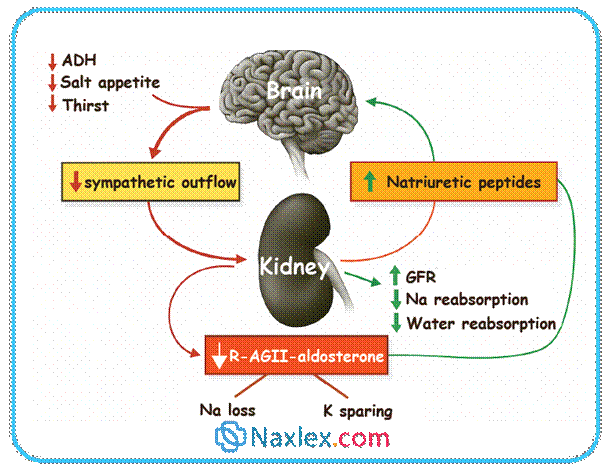
- Cerebral Salt Wasting (CSW): A complication characterized by hyponatremia (low sodium) and hypovolemia (decreased blood volume) due to the renal loss of sodium and water. It is distinct from SIADH because the patient is hypovolemic, not hypervolemic. It is a diagnosis of exclusion.
Management And Interventions For Increased Intracranial Pressure
The goal of management is to maintain adequate Cerebral Perfusion Pressure (CPP) and prevent secondary brain injury.
Non-Pharmacologic Interventions
-
Head Position: Keep the head of the bed elevated to at least 30 degrees to promote venous drainage from the head. Maintain the patient's head and neck in a neutral, midline position to avoid jugular vein compression, which can also increase ICP.
- Respiratory Support: Ensure a patent airway and monitor for adequate oxygenation. Administer oxygen as needed. Avoid routine hyperventilation, as it can cause cerebral vasoconstriction and ischemia.
- Fluid and Electrolyte Management: Monitor intake and output carefully. Manage fluid administration to maintain euvolemia. Be alert for signs of DI, SIADH, or CSW, and manage accordingly.
- Temperature Regulation: Monitor for fever and hyperthermia, as this increases the brain's metabolic demand and can increase ICP. Use antipyretics or cooling blankets to maintain a normal body temperature.
- Environmental Control: Minimize environmental stimuli. Reduce noise, space out nursing interventions, and avoid activities that could increase ICP, such as coughing, straining, or a Valsalva maneuver. Use sedatives as ordered to manage agitation.
Pharmacologic Management
-
Osmotic Diuretics: Mannitol is a common osmotic diuretic used to decrease ICP. It works by creating an osmotic gradient that draws fluid from the brain tissue into the blood vessels. This should be administered as a bolus and used with caution in patients with renal failure.
- Hypertonic Saline: Concentrated saline solutions (e.g., 3%) can be used to pull water from the brain cells into the intravascular space, thereby reducing ICP and increasing blood volume.
- Barbiturates: A barbiturate coma can be induced to decrease cerebral metabolism and cerebral blood flow. This is a powerful intervention used in patients with severe, refractory ICP.
- Corticosteroids: These are not recommended for TBI unless it is associated with a tumor or abscess, due to their side effects, such as hyperglycemia and infection risk.
Surgical Management
-
Ventriculostomy: A catheter is placed into a ventricle of the brain to monitor ICP and to drain CSF. This is considered the gold standard for ICP monitoring and can be used to treat hydrocephalus.
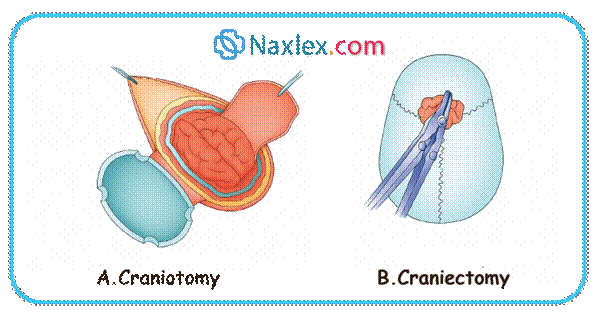
- Craniotomy: A surgical procedure to remove a hematoma (e.g., epidural or subdural) or a brain tumor. It involves temporarily removing a portion of the skull.
- Decompressive Craniectomy: A more extensive procedure where a large portion of the skull is removed and not immediately replaced to allow the swollen brain to expand outward and relieve pressure
Nursing Management
Nursing care for a patient with a head injury focuses on early detection of deterioration and maintaining optimal brain function.
- Initial Assessment: Follow the ABCs (Airway, Breathing, Circulation). Ensure a patent airway and protect the patient's cervical spine. Assess breathing and provide oxygen as needed. Control any external bleeding.
- Neurological Assessment:
- Use the Glasgow Coma Scale (GCS) to assess the patient's level of consciousness. The GCS assesses eye-opening, verbal response, and motor response. A score of 15 is the best outcome, while a score of 3 is the worst. Reassess the GCS frequently, as a drop of 2 points is significant.
- Perform a complete neurological exam, including an assessment of pupils, motor strength, and sensory function. Report any changes immediately.
- Nutritional Support: The patient's metabolic rate is increased after a head injury. Start nutritional support early (within 72 hours) to prevent muscle wasting and aid in recovery.
- Patient and Family Education: Educate the family on the signs of deterioration and the importance of follow-up care. Provide emotional support and clear, simple information.
Summary
- TBI is a critical condition requiring rapid and accurate nursing assessment.
- Understanding the different types of injuries, from scalp lacerations to severe hematomas, is foundational to patient care.
- ICP management is a primary focus, using both non-pharmacologic and pharmacologic interventions.
- Early detection of a drop in GCS or the appearance of Cushing's Triad is essential for saving a life.
- Protecting the patient's airway, breathing, and circulation is the first and most critical step.
- Complications like DI, SIADH, and CSW must be monitored closely to maintain fluid and electrolyte balance.
- The overall goal of care is to prevent secondary brain injury and promote optimal patient outcomes.
Naxlex
Videos
Login to View Video
Click here to loginTake Notes on Head Injury
This filled cannot be empty
Join Naxlex Nursing for nursing questions & guides! Sign Up Now