





Please set your exam date
Drugs Used to Treat Lower Respiratory Disease
Study Questions
Practice Questions 1
A nurse is providing instructions to a young adult female client who has a new prescription for beclomethasone (QVAR). Which of the following should the nurse include in the teaching?
Explanation
Beclomethasone is an inhaled corticosteroid indicated for long-term controller management of persistent asthma by suppressing airway inflammation and bronchial hyperresponsiveness. Topically deposited steroid particles in the oral cavity cause local adverse effects including oropharyngeal candidiasis and dysphonia. Systemic absorption is minimized through proper inhaler technique and post-inhalation oral hygiene protocols. Consistent daily administration is required to achieve therapeutic anti-inflammatory tissue concentrations rather than relying on it for acute bronchospasm.
Rationale for correct answer
A. Rinsing the mouth and spitting after each beclomethasone inhalation removes localized steroid residue deposited on oral mucous membranes. Water rinsing prevents opportunistic fungal overgrowth known as oral thrush and reduces local mucosal inflammation. Clearing deposited corticosteroid particles also diminishes local laryngeal irritation and vocal hoarseness. Therefore, post-inhalation oral hygiene represents an essential component of client education.
Rationale for incorrect answers
B. Restricting fluid intake is medically inappropriate and counterproductive for clients managing chronic inflammatory airway diseases like asthma. Adequate hydration thins tracheobronchial secretions, enhancing mucociliary clearance and easing sputum expectoration. Fluid restriction increases mucus viscosity, promoting airway plugging and worsening functional respiratory resistance. Consequently, fluid restriction is not indicated during inhaled corticosteroid therapy.
C. Inhaled corticosteroid administration does not alter gastrointestinal absorption, metabolic breakdown, or renal excretion of cyanocobalamin. Routine supplementation with vitamin B12 provides no therapeutic benefit for asthma control or corticosteroid side-effect mitigation. Nutritional interventions for chronic steroid use typically focus on calcium and vitamin D rather than water-soluble vitamins. Thus, instructing increased B12 intake is clinically unnecessary.
D. Beclomethasone is a maintenance anti-inflammatory controller medication that requires consistent daily administration to suppress airway inflammation. Inhaled corticosteroids lack rapid bronchodilatory properties and cannot reverse sudden, life-threatening bronchospasm attacks. Using maintenance steroids on an as-needed basis leads to inadequate inflammatory control and increased asthma exacerbations. Consequently, clients must utilize short-acting beta-agonists for acute symptom relief.
Test-taking strategy
- Identify the Core Pharmacology Principle: Distinguish between maintenance controller medications (inhaled corticosteroids) and rescue bronchodilators, focusing on local side-effect prevention.
- Evaluate Each Teaching Instruction for Clinical Accuracy:
- Choice 1 (Rinse mouth after each use): Directly prevents local steroid deposition complications, including mucosal fungal overgrowth and dysphonia.
- Rule out Choice 2 (Limit fluid intake): Impairs mucociliary clearance by thickening bronchial secretions, contradicting respiratory care goals.
- Rule out Choice 3 (Increase vitamin B12): Identifies an irrelevant nutritional intervention with no bearing on inhaled corticosteroid pharmacokinetics.
- Rule out Choice 4 (Take medication as needed): Confuses maintenance anti-inflammatory controller therapy with fast-acting rescue bronchodilator protocols.
- Select the Appropriate Client Instruction: Choice 1 correctly identifies essential teaching to prevent local corticosteroid complications.
Take home points
- Clients using inhaled corticosteroids must rinse their mouth with water and spit after each dose to prevent oral candidiasis.
- Beclomethasone is a long-term maintenance controller drug that must be taken consistently every day, not as needed for acute relief.
- Inhaled corticosteroids have no immediate bronchodilatory action and must not be used as rescue inhalers during acute asthma attacks.
- Adequate systemic hydration helps maintain thin respiratory secretions and optimal mucociliary clearance in clients with asthma.
A nurse is providing instructions to the parent of an adolescent client who has a new prescription for albuterol (Proventil) PO. Which of the following instructions should the nurse include?
Explanation
Oral albuterol is a systemic beta-2 adrenergic agonist indicated for maintenance bronchodilator therapy in reversible airway obstruction. Systemic activation of peripheral beta-2 receptors in skeletal muscle induces cellular calcium shifts, triggering fine muscular tremors. Oral administration exhibits delayed onset compared to inhaled forms, making it inappropriate for acute bronchospasm. Common adverse effects include reflex tachycardia, palpitations, anxiety, and mild transient hypokalemia.
Rationale for correct answer
B. Oral albuterol stimulates beta-2 adrenergic receptors located within skeletal muscle tissue, altering intracellular calcium influx. This physiological mechanism commonly causes fine skeletal tremors, particularly involving the hands and extremities. Parents must be educated that involuntary shaking represents an expected systemic adverse effect. Recognizing tremor helps prevent unnecessary treatment cessation while ensuring close monitoring for concurrent cardiotoxicity.
Rationale for incorrect answers
A. Oral albuterol undergoes intestinal absorption and first-pass hepatic metabolism, resulting in delayed onset of action. Systemic administration takes 30 to 45 minutes to achieve functional bronchodilation, rendering it ineffective during rapid airway constriction. Inhaled short-acting beta-2 agonists provide immediate therapeutic aerosol delivery directly to bronchial mucosa. Therefore, oral formulations cannot abort an acute attack.
C. Chronic systemic corticosteroid therapy impairs peripheral glucose uptake and promotes hepatic gluconeogenesis, leading to secondary hyperglycemia. Conversely, oral beta-2 agonists exert minimal long-term metabolic effects on serum glucose levels during standard pediatric dosing protocols. Beta-2 stimulation may cause transient glycogenolysis, but prolonged use does not cause sustained metabolic dysfunction. Thus, monitoring for persistent elevated blood glucose is unnecessary.
D. Systemic glucocorticoid administration suppresses growth hormone secretion and blunts epiphyseal chondrocyte proliferation in pediatric populations. Oral albuterol selectively targets adrenergic receptors without interfering with endochondral ossification or somatotropin pathways. It exhibits no inhibitory effect on long bone elongation or overall height velocity. Consequently, concerns regarding delayed skeletal development are clinically unfounded.
Test-taking strategy
- Identify the Core Clinical Safety Question: Determine the accurate adverse effect profile and pharmacokinetics of oral beta-2 agonist therapy in a pediatric client.
- Evaluate Each Option for Pharmacological Accuracy:
- Rule out Choice 1 (Abort an acute asthma attack): Oral albuterol has a delayed onset of 30 to 45 minutes, making it unsuitable for emergency bronchodilation.
- Choice 2 (Tremors are an adverse effect): Correctly identifies skeletal muscle beta-2 stimulation as the primary cause of tremors.
- Rule out Choice 3 (Prolonged use causes hyperglycemia): Confuses beta-2 agonist side effects with chronic corticosteroid-induced metabolic impairment.
- Rule out Choice 4 (Slows skeletal growth rate): Erroneously attributes glucocorticoid-induced growth suppression to adrenergic bronchodilator therapy.
- Select the Valid Client Instruction: Choice 2 accurately reflects known systemic beta-2 agonist side effects requiring parental guidance.
Take home points
- Fine skeletal muscle tremor is a major expected adverse effect of systemic oral albuterol therapy.
- Oral albuterol has a delayed onset and must never be used as a rescue medication for acute bronchospasm.
- Growth suppression and persistent hyperglycemia are adverse effects of corticosteroids, not beta-2 agonists.
- Inhaled short-acting beta-2 agonists remain the first-line choice for rapid relief of acute asthmatic symptoms.
A client is receiving treatment for asthma with albuterol (Proventil, VoSpire). The nurse teaches the client that while serious adverse effects are uncommon, the following may occur. Select all that apply
Explanation
Albuterol is a selective beta-2 adrenergic agonist that relaxes bronchial smooth muscle during acute asthma exacerbations. Non-selective stimulation of peripheral beta-1 and beta-2 receptors produces systemic sympathetic activation, causing common adverse reactions such as reflex tachycardia, tremors, and central nervous system excitation. Patients frequently experience self-limiting nervousness, palpitations, and vasodilation-induced vascular headaches.
Rationale for correct answers
A. Direct or reflex activation of cardiac beta-1 adrenergic receptors increases sinoatrial node firing rate and myocardial contractility. Systemic peripheral vasodilation induced by beta-2 stimulation triggers compensatory reflex tachycardia, manifesting as an elevated pulse. Patients receiving albuterol therapy often experience self-limiting cardiac palpitations and increased heart rate. Consequently, monitoring cardiovascular parameters during therapy is essential.
D. Central nervous system stimulation resulting from adrenergic receptor activation leads to heightened sympathetic tone and motor restlessness. Clients taking albuterol commonly report subjective feelings of intense nervousness, jitteriness, and internal anxiety. This physiological response stems from systemic beta-adrenergic stimulation rather than worsening underlying respiratory airway distress. Therefore, nervousness represents a recognized pharmacological adverse effect.
E. Peripheral beta-2 receptor activation induces cranial vascular smooth muscle relaxation and acute cerebral vasodilation. Rapid changes in vascular tone frequently trigger transient vascular headaches shortly following medication administration. This localized cerebrovascular response resolves spontaneously as plasma drug concentration declines through clearance metabolic pathways. Thus, headache is a documented secondary reaction.
Rationale for incorrect answers
B. Beta-adrenergic receptor agonists stimulate sympathetic nervous system pathways, producing central nervous system excitation and physiological arousal. Systemic sympathomimetic activity causes insomnia, motor agitation, and heightened alertness rather than central nervous system sedation. Central suppression and somnolence typically result from sedating antihistamines or central nervous system depressant agents. Consequently, sedation is not an expected effect.
C. Albuterol promotes rapid bronchodilation by relaxing airway smooth muscle, directly relieving shortness of breath and airflow obstruction. Therapeutic administration decreases airway resistance and improves forced expiratory volume, effectively abolishing dyspnea. Transient dyspnea following administration indicates treatment failure or paradoxical bronchospasm rather than a typical adverse drug reaction. Thus, dyspnea is an unexpected finding.
Test-taking strategy
- Identify the Core Pharmacology Principle: Recognize the systemic sympathomimetic adverse effects associated with beta-2 adrenergic agonist administration.
- Evaluate Each Clinical Option:
- Choice 1 (Tachycardia): Adrenergic receptor activation increases cardiac chronotropy, causing elevated heart rate and palpitations.
- Rule out Choice 2 (Sedation): Sympathomimetic agents produce central stimulation and insomnia, not somnolence or central nervous system depression.
- Rule out Choice 3 (Temporary dyspnea): Albuterol decreases airway resistance to relieve respiratory distress rather than causing breathlessness.
- Choice 4 (Nervousness): Beta-adrenergic stimulation directly activates the sympathetic nervous system, inducing motor restlessness and subjective anxiety.
- Choice 5 (Headache): Peripheral vasodilation and altered cerebral vascular tone frequently trigger self-limiting vascular headaches.
- Select All Correct Findings: Choices 1, 4, and 5 accurately represent expected sympathomimetic side effects.
Take home points
- Albuterol causes systemic sympathomimetic side effects including tachycardia, nervousness, and vascular headaches.
- Sympathomimetic stimulation produces central nervous system excitation rather than sedation or somnolence.
- Successful albuterol therapy decreases airway resistance and relieves dyspnea rather than causing it.
- Cardiovascular parameters and motor restlessness must be monitored during active beta-2 agonist administration.
A 65-year-old client is prescribed ipratropium (Atrovent) for the treatment of asthma. Which of the following conditions should be reported to the health care provider before giving this client the ipratropium?
Explanation
Ipratropium is a muscarinic antagonist anticholinergic bronchodilator that inhibits acetylcholine-induced bronchial smooth muscle constriction. Formulations packaged in meter-dose inhalers historically contained soy lecithin, creating cross-reactivity risks in clients with soy allergy or severe peanut hypersensitivity. Administration is strictly contraindicated in individuals with known hypersensitivity to atropine or derivative components. Common anticholinergic adverse effects include xerostomia, urinary retention, blurred vision, constipation, and exacerbated narrow-angle glaucoma.
Rationale for correct answer
A. Formulations of metered-dose inhalers containing ipratropium bromide historically utilized soy lecithin as an aerosol propellant emulsifier. Soy protein shares cross-reactive antigenic protein structures with peanut protein, which can trigger severe anaphylactic reactions in susceptible individuals. The nurse must identify and report a documented peanut allergy prior to administering ipratropium inhalers to prevent life-threatening systemic hypersensitivity. Consequently, alternative inhaler formulations must be verified and selected.
Rationale for incorrect answers
B. Intolerance to beta-2 adrenergic agonists like albuterol involves adrenergic receptor side effects such as tachycardia or tremors. Ipratropium operates via an entirely distinct pharmacological pathway by blocking parasympathetic muscarinic receptors. Prior intolerance to adrenergic sympathomimetics does not predict adverse reactions or constitute a contraindication to anticholinergic therapy. Therefore, an albuterol intolerance does not preclude safe ipratropium administration.
C. Reversible airway obstruction and episodic bronchial constriction are primary diagnostic features of obstructive pulmonary disease. Ipratropium is therapeutically indicated to prevent and treat acute bronchial spasm by blocking acetylcholine-mediated vagal bronchoconstriction. A history of bronchospasm reinforces the clinical indication for anticholinergic inhaler therapy rather than serving as a medication contraindication. Thus, a history of bronchospasms requires no provider reporting.
D. Food allergies to cocoa or chocolate do not exhibit cross-reactivity with anticholinergic tertiary ammonium compounds. Chocolate ingestion is unrelated to soy or peanut protein antigens and has no bearing on ipratropium pharmacokinetics. Identifying a chocolate allergy provides no clinically relevant data regarding inhaler safety or immediate hypersensitivity risk. Consequently, reporting a chocolate allergy to the provider is unnecessary.
Test-taking strategy
- Identify the Core Safety Principle: Recognize critical contraindications and cross-sensitivity risks associated with ipratropium inhaler excipients.
- Evaluate Each Client Health History Item:
- Choice 1 (Allergy to peanuts): Cross-reacts with soy lecithin propellants in certain metered-dose inhaler formulations, posing an anaphylaxis risk.
- Rule out Choice 2 (Intolerance to albuterol): Relates to beta-adrenergic stimulation rather than anticholinergic muscarinic receptor blockade.
- Rule out Choice 3 (History of bronchospasms): Represents the primary therapeutic indication for prescribing anticholinergic bronchodilator therapy.
- Rule out Choice 4 (Allergy to chocolate): Exhibits no immunological cross-reactivity or pharmacological interaction with ipratropium components.
- Select the High-Priority Safety Concern: Choice 1 correctly identifies a severe allergy contraindication requiring immediate provider notification.
Take home points
- Peanut or soy allergies must be reported prior to ipratropium metered-dose inhaler administration due to potential propellant cross-reactivity.
- Ipratropium functions as an anticholinergic bronchodilator and is suitable for clients unable to tolerate beta-adrenergic agonists.
- A history of bronchospasms is a therapeutic indication for ipratropium rather than a contraindication.
- Anticholinergic medications should be used with caution in clients with narrow-angle glaucoma or benign prostatic hyperplasia.
Which of the following drugs is most immediately helpful in treating a severe acute asthma attack?
Explanation
Albuterol is a short-acting beta-2 adrenergic agonist that relaxes airway smooth muscle within minutes during acute asthma exacerbations. Stimulation of intracellular adenylate cyclase increases cyclic AMP, rapidly reversing bronchospasm and reducing airway resistance. Common transient adverse effects include tachycardia, skeletal muscle tremors, and anxiety. It serves as first-line rescue therapy to restore functional alveolar ventilation during sudden life-threatening respiratory distress.
Rationale for correct answer
C. Inhaled short-acting beta-2 agonists provide rapid bronchodilation within 5 to 15 minutes of administration by directly relaxing smooth muscle. Albuterol rapidly reverses acute airway constriction and decreases airway resistance to restore alveolar ventilation. This immediate onset makes it the drug of choice to abort an acute attack and prevent life-threatening hypoxemia. Consequently, short-acting beta-2 agonists are the primary rescue bronchodilator during severe asthmatic emergencies.
Rationale for incorrect answers
A. Beclomethasone is an inhaled corticosteroid that reduces mucosal inflammation by suppressing inflammatory cytokine production and eosinophil infiltration. Its onset of action requires several days to weeks of continuous daily administration to achieve maximum therapeutic anti-inflammatory tissue concentrations. Inhaled corticosteroids possess no direct smooth muscle relaxing properties and cannot reverse acute airway constriction. Therefore, it is ineffective for emergency bronchospasm reversal.
B. Zileuton is an oral 5-lipoxygenase inhibitor that blocks leukotriene synthesis to mitigate long-term airway inflammation and bronchial edema. Oral administration requires intestinal absorption and metabolic activation, resulting in delayed therapeutic onset unsuitable for acute emergencies. Leukotriene modifiers are utilized solely as daily oral controller agents in persistent asthma management. Thus, it cannot relieve sudden, severe respiratory distress.
D. Salmeterol is a long-acting beta-2 adrenergic agonist with a lipophilic side chain that produces prolonged bronchodilation lasting at least 12 hours. Despite targeting beta-2 receptors, its onset of action is delayed by 30 to 45 minutes, making it unsafe for rapid rescue. Mono-therapy with long-acting beta-2 agonists is contraindicated due to increased risk of asthma-related severe exacerbations. Consequently, it is reserved for chronic maintenance therapy.
Test-taking strategy
- Identify the Core Clinical Safety Priority: Distinguish between fast-acting rescue bronchodilators used for acute asthma attacks and slow-acting controller medications.
- Evaluate Each Pharmacological Class and Onset:
- Rule out Choice 1 (Beclomethasone): Inhaled corticosteroid that suppresses inflammation over days to weeks without immediate bronchodilatory effects.
- Rule out Choice 2 (Zileuton): Oral leukotriene synthesis inhibitor intended for long-term daily maintenance rather than rapid emergency relief.
- Choice 3 (Albuterol): Short-acting beta-2 agonist providing rapid bronchodilation within minutes to treat acute bronchospasm.
- Rule out Choice 4 (Salmeterol): Long-acting beta-2 agonist with a delayed onset of 30 to 45 minutes, designed exclusively for maintenance control.
- Select the Priority Rescue Medication: Choice 3 provides the immediate bronchodilation required during an acute asthmatic emergency.
Take home points
- Short-acting beta-2 agonists like albuterol are the first-line rescue medications for acute asthma attacks.
- Inhaled corticosteroids and leukotriene modifiers require prolonged, consistent use and have no role in acute bronchodilation.
- Long-acting beta-2 agonists have a delayed onset and should never be used as monotherapy for acute bronchospasm.
- Prompt administration of rapid-acting bronchodilators prevents life-threatening asphyxiation and severe hypoxemia during asthma exacerbations.
A patient with COPD has an acute bronchospasm. The nurse anticipates that the health care provider will prescribe which medication?
Explanation
Epinephrine is a non-selective alpha-beta agonist sympathomimetic agent that rapidly relaxes bronchial smooth muscle. Direct stimulation of beta-2 adrenergic receptors induces vascular smooth muscle contraction and suppresses mediator release, reversing acute bronchospasm promptly. Potential adverse reactions include cardiovascular tachycardia, severe hypertension, anxiety, and ventricular dysrhythmias. Immediate administration is indicated for life-threatening airway constriction, severe refractory dyspnea, and anaphylaxis.
Rationale for correct answer
B. Epinephrine is a potent sympathomimetic that stimulates alpha-1, beta-1, and beta-2 adrenergic receptors to rapidly relieve acute bronchial smooth muscle constriction. In an emergency setting with acute exacerbation and severe airway obstruction, rapid bronchodilation is paramount to restore alveolar ventilation. This immediate onset restores patent airway luminal diameter and improves blood gas parameters. Consequently, epinephrine provides the urgent rescue mechanism required for profound acute bronchial constriction and life-threatening respiratory compromise.
Rationale for incorrect answers
A. Zafirlukast is an oral leukotriene receptor antagonist that blocks cysteinyl leukotriene D4 and E4 inflammatory pathways. Oral administration requires intestinal absorption and hepatic metabolism, delaying therapeutic plasma peak levels for hours to days. It functions strictly as a long-term controller agent rather than a rapid rescue bronchodilator. Therefore, zafirlukast cannot reverse acute airway hyperresponsiveness during sudden exacerbations.
C. Dexamethasone is a potent systemic glucocorticoid that suppresses inflammatory cytokine transcription and leukocyte migration into mucosal tissue. Although essential for reducing long-term bronchial edema, its onset of action requires several hours to modulate intracellular transcription factors. Corticosteroids do not exert direct smooth muscle relaxing actions on constricting bronchioles. Thus, dexamethasone fails to deliver immediate emergency bronchodilation.
D. Oxtriphylline is a xanthine derivative prodrug converted to theophylline, inhibiting phosphodiesterase enzymes to increase intracellular cyclic AMP. Its narrow therapeutic index requires precise plasma concentration monitoring between 10 to 20 mcg/mL to avoid severe systemic toxicity. The delayed onset of oral xanthines limits their utility in acute emergent hypoxia. Consequently, it is reserved for chronic maintenance control.
Test-taking strategy
- Analyze the Clinical Scenario: The client with chronic obstructive pulmonary disease presents with acute bronchospasm requiring immediate, rapid-acting pharmacological intervention to restore airway patency.
- Evaluate Each Pharmacological Option:
- Rule out Choice 1 (zafirlukast): Oral leukotriene receptor antagonist designed exclusively for chronic prophylactic maintenance rather than acute rescue bronchodilation.
- Choice 2 (epinephrine): Non-selective adrenergic agonist providing immediate, potent beta-2 mediated bronchial smooth muscle relaxation.
- Rule out Choice 3 (dexamethasone): Systemic corticosteroid requiring hours to reduce airway inflammation without direct, immediate smooth muscle relaxation.
- Rule out Choice 4 (oxtriphylline): Xanthine bronchodilator with a slow onset and narrow therapeutic index, unsuitable for rapid emergency stabilization.
- Select the Priority Intervention: Choice 2 delivers the instantaneous bronchodilatory effect needed during an acute asthmatic or COPD airway crisis.
Take home points
- Non-selective beta-agonists like epinephrine provide immediate bronchodilation in severe, life-threatening acute bronchospasm.
- Leukotriene receptor antagonists are used solely for daily prophylactic management of chronic airway inflammation.
- Systemic steroids reduce mucosal inflammation over time but do not produce immediate bronchial smooth muscle relaxation.
- Xanthine derivatives require careful therapeutic drug monitoring and are not indicated for immediate emergency airway reversal.
A patient is prescribed aminophylline–theophylline. For what adverse effect should the nurse monitor the patient?
Explanation
Aminophylline is a methylxanthine bronchodilator that inhibits phosphodiesterase to elevate cyclic AMP, producing smooth muscle relaxation and endogenous catecholamine stimulation. Common adverse effects include tachycardia, central excitation, tremor, and gastrointestinal distress. Monitoring cardiovascular responses remains imperative due to its narrow therapeutic range.
Rationale for correct answer
C. Phosphodiesterase inhibition increases intracellular cyclic AMP, which directly stimulates cardiac tissue to increase heart rate. This positive chronotropic effect frequently causes palpitations, sinus tachycardia, or supraventricular dysrhythmias in treated patients. Consequently, nurses must monitor cardiac status closely to detect early signs of drug-induced cardiovascular toxicity. Identifying an increased heart rate ensures timely dosage adjustment and maintains overall patient safety.
Rationale for incorrect answers
A. Central nervous system inhibition does not occur because methylxanthines antagonize central adenosine receptors and stimulate metabolic activity. Instead of causing profound central sedation, aminophylline characteristically induces severe restlessness, agitation, anxiety, and insomnia. High plasma concentrations can progress rapidly to generalized tonic-clonic seizure activity in sensitive individuals. Therefore, assessing for excessive drowsiness is inappropriate when monitoring patients receiving xanthine derivative therapy.
B. Methylxanthine administration enhances sympathetic catecholamine release, which promotes hepatic glycogenolysis and elevates systemic blood glucose levels. Clinical laboratory evaluations typically show mild hyperglycemia rather than sudden drops in circulating blood glucose. The drug does not increase peripheral insulin secretion or impair hepatic glucose synthesis. Thus, monitoring for acute plasma hypoglycemia is not indicated during routine methylxanthine medication management.
D. Bone marrow hematopoietic stem cells and peripheral leukocyte lineages are not suppressed by methylxanthine therapeutic mechanisms. Leukocyte counts remain entirely within baseline physiological limits because the medication lacks myelosuppressive properties. Routine laboratory testing prioritizes therapeutic plasma drug concentrations rather than monitoring for severe leukopenia development. Consequently, assessing for a decreased white blood cell count is irrelevant to aminophylline safety protocols.
Test-taking strategy
• Apply Pharmacological Principles: Identify the mechanism of action and adverse effect profile associated with xanthine derivative bronchodilator therapy.
• Evaluate Each Client Response Option:
o Rule out Choice 1 (Drowsiness): Methylxanthines cause central nervous system stimulation rather than central depression or sedation.
o Rule out Choice 2 (Hypoglycemia): Catecholamine activation promotes glycogenolysis, predisposing the client to elevated blood glucose levels.
o Choice 3 (Increased heart rate): Phosphodiesterase inhibition directly exerts positive chronotropic and inotropic effects on the myocardium.
o Rule out Choice 4 (Decreased white blood cell count): Xanthines do not possess myelosuppressive properties or alter bone marrow function.
• Select the Expected Adverse Reaction: Choice 3 reflects the primary cardiovascular adverse effect requiring immediate nursing assessment.
Take home points
• Aminophylline causes positive chronotropic and inotropic effects, making tachycardia a primary adverse reaction.
• CNS stimulation leads to insomnia, nervousness, and tremors rather than drowsiness or sedation.
• The narrow therapeutic range (10 to 20 mcg/mL) requires frequent blood monitoring to prevent toxicity and dysrhythmias.
• Signs of toxicity include severe vomiting, tachyarrhythmias, and potential seizure activity.
A patient is receiving IV aminophylline. The nurse checks the patient's lab values. The serum theophylline level is 32 mcg/mL. What action should the nurse take?
Explanation
Aminophylline is a parenteral methylxanthine bronchodilator that metabolizes to theophylline, acting through phosphodiesterase inhibition and adenosine receptor antagonism to promote airway relaxation. Monitoring serum drug concentration remains critical because of the narrow therapeutic range of 10 to 20 mcg/mL. Levels exceeding 30 mcg/mL carry a severe risk for cardiovascular collapse, malignant ventricular arrhythmias, and refractory seizures. Immediate medical intervention is mandatory to prevent fatal toxicity.
Rationale for correct answer
C. A serum theophylline level of 32 mcg/mL represents severe, life-threatening medication toxicity that greatly exceeds the therapeutic target range. The nurse must immediately report this critical laboratory value to the healthcare provider so the infusion can be discontinued or adjusted. Urgent pharmacological interventions, such as charcoal administration, may be prescribed to accelerate drug clearance and mitigate adverse outcomes. Prompt communication directly addresses the acute risk of intractable seizures and dangerous cardiac dysrhythmias.
Rationale for incorrect answers
A. Assessing lung sounds provides data regarding pulmonary status, but it does not address the immediate life-threatening physiological danger caused by severe chemical toxicity. Focusing on therapeutic airway improvement delays urgent life-saving interventions required for an extreme overdose state. The priority must focus on halting further drug administration and initiating medical management for toxic plasma concentration. Consequently, evaluating auscultation findings without addressing the critical result is an inappropriate clinical response.
B. Elevating the medication infusion rate according to a protocol would deliver additional drug into an already saturated, severely toxic systemic circulation. Increasing the dosage accelerates plasma concentration accumulation, worsening central nervous system hyper-excitation and cardiovascular instability. This action directly increases the risk of precipitating lethal ventricular fibrillation or status epilepticus. Therefore, initiating a dose escalation is contraindicated and harmful to the client.
D. Delaying action to obtain a duplicate laboratory specimen postpones critical medical treatment while dangerous levels of the drug continue to circulate. The nurse must treat the initial critical laboratory result as accurate and act immediately to safeguard patient stability. Laboratory retesting can occur later, but emergency management cannot be deferred for repeat analytical verification. Thus, requesting an additional sample inappropriately delays urgent therapeutic interventions.
Test-taking strategy
• Analyze the Scenario and Question: The client has a serum theophylline level of 32 mcg/mL while receiving IV aminophylline. The nurse must identify the priority action for a critically high lab value.
• Recognize Normal versus Toxic Ranges: Compare the reported laboratory value (32 mcg/mL) against the normal therapeutic window (10 to 20 mcg/mL) to determine that the client is experiencing severe toxicity.
• Evaluate Each Client Response Option:
o Rule out Choice 1 (Assess breath sounds): Assessing respiratory response is secondary when a life-threatening drug toxicity requires immediate medical intervention.
o Rule out Choice 2 (Increase dosage): Increasing the drug dose worsens severe toxicity and increases the risk of fatal cardiac or neurological events.
o Choice 3 (Notify healthcare provider): Notifying the provider immediately allows for halting the infusion and starting emergency anti-toxicity protocols.
o Rule out Choice 4 (Re-collect laboratory sample): Requesting a repeat blood draw delays urgent medical treatment for a verified critical value.
• Select the Priority Action: Choice 3 represents the necessary action to ensure client safety during severe drug toxicity.
Take home points
• The therapeutic serum theophylline level is 10 to 20 mcg/mL, and levels above 30 mcg/mL cause severe toxicity.
• Serum levels exceeding 30 mcg/mL can precipitate life-threatening ventricular dysrhythmias and grand mal seizures.
• The priority nursing action for a toxic drug level is to discontinue the infusion and notify the healthcare provider immediately.
• Assessing breath sounds or repeating laboratory draws delays critical emergency interventions for acute drug toxicity.
A patient who has a history of asthma is experiencing an acute episode of shortness of breath and needs to take a medication for immediate relief. The nurse will choose which medication that is appropriate for this situation?
Explanation
Asthma exacerbations involve acute bronchospasm, inflammatory mucosal edema, and bronchial hyperresponsiveness that severely compromise pulmonary airway conductance. Short-acting beta2-agonists (SABAs) bind selectively to tracheobronchial smooth muscle receptors, stimulating adenylate cyclase to convert ATP to cyclic adenosine monophosphate (cAMP). This rapid cascade induces smooth muscle relaxation, reversing acute airflow obstruction and restoring ventilation within minutes. Delayed administration during status asthmaticus increases the risk of hypoxic respiratory failure and mortality.
Rationale for correct answer
A. Albuterol is a rapid-acting, short-acting beta2-adrenergic agonist that serves as the primary rescue bronchodilator during acute asthma attacks. Direct binding to beta2-adrenergic receptors on airway smooth muscle increases intracellular cyclic AMP levels, producing prompt, effective bronchodilator response to relieve acute shortness of breath. This mechanism acts within 5 to 15 minutes to alleviate bronchospasm, restoring immediate airway patency during an emergent exacerbation. Prompt SABA administration is the established clinical standard for reversing sudden asthma-induced airflow limitation.
Rationale for incorrect answers
B. Montelukast is a leukotriene receptor antagonist designed exclusively for long-term control and prophylaxis of persistent asthma symptoms. It functions by blocking cysteinyl leukotriene D4 receptors to reduce chronic airway inflammation and mucus hypersecretion over extended periods. Because montelukast does not possess direct, rapid smooth muscle relaxing properties, it fails to relieve acute bronchospasm episodes. Administering a leukotriene modifier during an acute episode delays life-saving bronchodilation and exposes the client to progressive respiratory insufficiency.
C. Fluticasone is an inhaled corticosteroid that suppresses mucosal inflammation by inhibiting pro-inflammatory cytokine production and leukocyte recruitment. While crucial for chronic anti-inflammatory maintenance, inhaled steroids require several days to weeks of consistent usage to achieve maximal therapeutic anti-inflammatory efficacy. Fluticasone exerts no immediate direct relaxation effect on contracted bronchial smooth muscle tissue during an acute asthma attack. Relying on inhaled steroids for urgent relief leaves severe airway constriction untreated, potentially escalating into life-threatening respiratory failure.
D. Ipratropium bromide is an inhaled anticholinergic agent that inhibits muscarinic M3 receptors, reducing vagally mediated parasympathetic bronchoconstriction and glandular secretions. Although ipratropium is utilized as an adjunct therapy in severe acute asthma exacerbations, it exhibits a slower onset of action than selective short-acting beta-agonists. It lacks the potent, rapid direct bronchodilatory potency required as monotherapy for emergent, acute dyspnea. First-line monotherapy for sudden, severe asthmatic shortness of breath strictly necessitates a fast-acting beta2-agonist like albuterol.
Test-taking strategy
• Analyze the Scenario and Question: The client has asthma experiencing acute shortness of breath requiring immediate relief. The nurse must select the appropriate fast-acting rescue medication.
• Apply Pharmacological Principles: Differentiate between fast-acting rescue bronchodilators and long-term controller anti-inflammatory or maintenance medications.
• Evaluate Each Client Response Option:
o Choice 1 (A beta agonist, such as albuterol): Provides immediate relaxation of bronchial smooth muscle, serving as the first-line rescue agent for acute bronchospasm.
o Rule out Choice 2 (A leukotriene receptor antagonist, such as montelukast): Serves as a daily oral controller agent that lacks rapid bronchodilatory capability during acute exacerbations.
o Rule out Choice 3 (A corticosteroid, such as fluticasone): Functions as a long-term anti-inflammatory maintenance drug that requires days of routine use to take full effect.
o Rule out Choice 4 (An anticholinergic, such as ipratropium): Acts slower than beta-agonists and serves primarily as an adjunctive agent rather than primary monotherapy for acute relief.
• Select the Priority Rescue Drug: Choice 1 is the definitive short-acting rescue medication for acute asthma relief.
Take home points
• Short-acting beta2-agonists (e.g., albuterol) are the first-line rescue medications for acute asthma exacerbations.
• Inhaled corticosteroids and leukotriene receptor antagonists are long-term controller agents, not quick-relief rescue drugs.
• Beta2-agonists work rapidly by elevating cyclic AMP, causing direct relaxation of bronchial smooth muscle.
• Relying on maintenance medications during acute dyspnea delays necessary bronchodilation and increases the risk of respiratory failure.
After a nebulizer treatment with the beta agonist albuterol, the patient complains of feeling a little "shaky," with slight tremors of the hands. The patient's heart rate is 98 beats/min, increased from the pretreatment rate of 88 beats/min. The nurse knows that this reaction is which of these?
Explanation
Albuterol is a selective beta2-adrenergic agonist that produces rapid bronchodilation by stimulating adenylate cyclase to increase cyclic AMP in bronchial smooth muscle. High local doses can spill over into systemic circulation, causing off-target stimulation of beta1-adrenergic receptors in cardiac tissue and peripheral beta2-receptors in skeletal muscle. This physiologic response produces expected transient tachycardia, fine muscular tremors, and nervous stimulation. Unrecognized adrenergic stimulation can be misinterpreted by clients as an allergic reaction or severe drug toxicity.
Rationale for correct answer
A. Skeletal muscle tremors and slight elevations in heart rate represent well-documented, expected adrenergic side effects of albuterol therapy. Systemic absorption of the drug stimulates peripheral beta2-receptors in skeletal muscle tissue and cardiac beta1-receptors. These physiological responses typically resolve spontaneously as plasma drug levels decline following completion of the treatment. The nurse reassures the client while continuing standard post-treatment respiratory assessment and monitoring.
Rationale for incorrect answers
B. IgE-mediated hypersensitivity reactions present with urticaria, angioedema, bronchospasm, and hypotension rather than mild tremors. Hand shaking and mild heart rate increases reflect expected beta-adrenergic stimulation rather than immunological allergic sensitization. Misinterpreting these expected adverse effects as an allergic reaction could cause inappropriate discontinuation of an essential rescue medication. Therefore, these clinical manifestations do not indicate an allergic response.
C. An acute albuterol overdose manifests as severe tachyarrhythmias, malignant hypertension, profound hypokalemia, and intense agitation. A heart rate increase from 88 to 98 beats per minute remains well within the normal adult hemodynamic range of 60 to 100 beats per minute. These mild, self-limiting symptoms reflect normal therapeutic drug activity rather than toxic serum drug concentration accumulation. Consequently, these findings do not signify a drug overdose.
D. An idiosyncratic reaction represents an unpredictable, genetically determined abnormal drug response that differs completely from known pharmacological actions. Tremors and mild tachycardia are universally predicted, dose-dependent pharmacological outcomes of adrenergic receptor stimulation. Labeling a classic beta-agonist side effect as idiosyncratic demonstrates a fundamental misunderstanding of autonomic pharmacology. Thus, this presentation cannot be classified as an idiosyncratic event.
Test-taking strategy
• Analyze the Scenario and Question: The client received an albuterol nebulizer treatment and developed hand tremors with a heart rate increase from 88 to 98 beats/min. The nurse must identify the nature of this drug response.
• Apply Autonomic Pharmacology Principles: Recognize that beta2-agonists cause peripheral skeletal muscle tremor and mild cardiac beta1-stimulation leading to slight tachycardia.
• Evaluate Each Client Response Option:
o Choice 1 (An expected adverse effect of the medication): Recognizes that fine tremors and mild heart rate elevations are anticipated pharmacological responses to beta-adrenergic stimulation.
o Rule out Choice 2 (An allergic reaction to the medication): Anaphylaxis or allergic responses present with rash, swelling, or worsening airway constriction, not isolated tremor.
o Rule out Choice 3 (An indication that he has received an overdose of the medication): Toxic overdoses produce severe tachyarrhythmias (> 120 beats/min) and profound hypokalemia rather than mild physiological changes.
o Rule out Choice 4 (An idiosyncratic reaction to the medication): Idiosyncratic responses are unexpected and genetically unique, whereas tremors are universally predicted side effects.
• Select the Priority Concept: Choice 1 correctly identifies the anticipated adverse effect profile of short-acting beta2-agonists.
Take home points
• Skeletal muscle tremors and mild tachycardia are expected, self-limiting side effects of albuterol.
• Beta2-agonists cause peripheral tremor via direct stimulation of beta2-receptors in skeletal muscle tissue.
• Heart rate increases occur due to mild systemic absorption triggering cardiac beta1-receptor stimulation.
• Expected side effects must be differentiated from true allergic reactions, toxicity, or idiosyncratic drug responses.
A patient is receiving ipratropium via an inhaler. The nurse will assess the patient for which of these adverse effects? Select all that apply
Explanation
Ipratropium bromide is a quaternary ammonium anticholinergic agent that competitively blocks muscarinic cholinergic receptors, preventing acetylcholine-induced bronchoconstriction and submucosal glandular secretions. Local mucosal deposition frequently causes xerostomia, local upper airway irritation, and rhinorrhea due to parasympathetic inhibition. Systemic anticholinergic absorption leads to vascular headaches through altered cerebral vascular tone.
Rationale for correct answers
B. Dry mouth and throat irritation result directly from localized competitive blockade of muscarinic M3 receptors in submucosal salivary glands. Suppressing basal parasympathetic secretion diminishes fluid production, causing local mucosal dryness and discomfort following inhalation. This represents the most frequent anticholinergic adverse effect during aerosol administration. The nurse recommends oral hygiene and fluid intake to alleviate symptoms.
D. Nasal congestion occurs secondary to localized anticholinergic irritation and drying of upper respiratory tract mucosal membranes. Local parasympathetic inhibition alters vascular permeability and mucosal moisture balance, precipitating compensatory local inflammation and hyperemic nasal passages. This local adverse reaction is common following both oral inhalation and nasal spray delivery. The nurse monitors nasal mucosal integrity during routine therapy.
E. Headaches develop from systemic absorption of inhaled ipratropium causing alterations in central vascular tone and parasympathetic signal transduction. Muscarinic receptor antagonism in cranial blood vessels disrupts normal neurovascular autoregulation, precipitating mild to moderate cephalalgia. This systemic effect occurs despite minimal systemic bioavailability of quaternary ammonium compounds. The nurse assesses headache severity and administers non-opioid analgesics as prescribed.
Rationale for incorrect answers
A. Central nervous system depression does not occur because ipratropium possesses a charged quaternary ammonium structure that prevents penetration across the blood-brain barrier. Systemic anticholinergic toxicity classically causes central nervous system excitation, agitation, and delirium rather than sedation or somnolence. Misinterpreting anticholinergic pharmacokinetics leads to incorrect clinical assumptions regarding central sedative risks. Therefore, central nervous system depression is not an adverse effect.
C. Increased appetite is not an anticholinergic effect, as muscarinic blockade typically slows gastrointestinal motility and reduces gastric secretion. Systemic anticholinergic agents produce nausea, constipation, and gastrointestinal distress rather than hyperphagia or orexigenic stimulation. Elevated appetite is more commonly associated with systemic corticosteroids or psychotropic drug administration. Consequently, increased appetite is not associated with ipratropium therapy.
Test-taking strategy
• Analyze the Scenario and Question: The client is receiving inhaled ipratropium. The nurse must select all expected adverse effects associated with anticholinergic aerosol therapy.
• Apply Pharmacological Principles: Identify ipratropium as an anticholinergic agent that blocks muscarinic receptors. Recall classic anticholinergic side effects versus non-anticholinergic outcomes.
• Evaluate Each Client Response Option:
o Rule out Choice 1 (CNS depression): Quaternary ammonium structure prevents crossing the blood-brain barrier, preventing central sedative outcomes.
o Choice 2 (Dry mouth or throat): Local M3 receptor blockade in salivary glands reduces fluid secretion, producing xerostomia.
o Rule out Choice 3 (Increased appetite): Parasympathetic blockade reduces gastrointestinal motility and secretions rather than stimulating hunger.
o Choice 4 (Nasal congestion): Local anticholinergic airway irritation causes altered mucosal moisture balance and hyperemic nasal passages.
o Choice 5 (Headache): Systemic absorption disrupts neurovascular autoregulation, leading to cranial vascular headaches.
• Select the Correct Options: Choices 2, 4, and 5 accurately represent anticholinergic adverse effects of ipratropium.
Take home points
• Ipratropium causes anticholinergic adverse effects including dry mouth, throat irritation, nasal congestion, and headache.
• Quaternary ammonium structure limits systemic absorption and prevents crossing the blood-brain barrier to avoid CNS depression.
• Anticholinergic drugs reduce salivary and mucosal secretions by blocking muscarinic M3 receptors.
• Common side effects are self-limiting and managed with supportive care, oral hygiene, and adequate hydration.
A patient who is taking a xanthine derivative for COPD asks the nurse, "I miss my morning coffee. I can't wait to go home and have some." What is the nurse's best response?
Explanation
Xanthine derivatives competitively inhibit phosphodiesterase enzymes and block adenosine receptors to cause bronchial smooth muscle relaxation. Concomitant ingestion of caffeine induces additive sympathomimetic stimulation, precipitating severe cardiovascular dysrhythmias, profound insomnia, and gastrointestinal toxicity. Xanthines also exhibit a narrow therapeutic index.
Rationale for correct answer
C. Ingesting caffeinated products while taking methylxanthine drugs induces additive central nervous system and cardiac excitation. Direct adenosine receptor antagonism combined with caffeine enhances chronotropic effects, elevating risks for lethal ventricular dysrhythmias and acute systemic hypertension. The nurse provides clear client teaching regarding dietary methylxanthine restriction to prevent toxic cardiovascular events.
Rationale for incorrect answers
A. Offering personal empathy without providing essential drug interaction education neglects vital therapeutic client safety. Failing to explain dietary restrictions risks co-ingestion of caffeine, causing additive toxicity and severe cardiac dysrhythmias. Therapeutic communication requires addressing physiological risks rather than making non-educational personal statements. Therefore, empathetic validation without scientific guidance represents an unsafe nursing response.
B. Procuring coffee directly introduces exogenous caffeine, precipitating severe pharmacological drug interactions. Exogenous methylxanthine co-administration intensifies positive inotropy and triggers acute gastrointestinal irritation, including severe nausea and vomiting. The nurse must prevent dietary caffeine exposure to ensure client hemodynamic stability. Thus, bringing the client coffee is contraindicated and physiologically dangerous.
D. Delaying dietary education to seek prescriber permission for coffee ingestion is inappropriate because caffeine co-administration is strictly contraindicated. Methylxanthine derivatives require complete elimination of caffeinated beverages to prevent synergistic excitation and severe central nervous stimulation. Professional nursing practice mandates providing immediate evidence-based health teaching regarding known pharmacological interactions. Consequently, consulting the prescriber regarding prohibited dietary substances is unnecessary.
Test-taking strategy
• Analyze the Scenario and Question: The client is receiving a xanthine derivative for COPD and requests morning coffee. The nurse must identify the correct dietary restriction education regarding caffeine co-ingestion.
• Apply Pharmacological Principles: Identify xanthines as phosphodiesterase inhibitors with central nervous system and cardiac stimulant properties. Recall that caffeine is also a xanthine compound, creating additive toxicity risks when combined.
• Evaluate Each Client Response Option:
o Rule out Choice 1 (Empathetic statement): Provides non-therapeutic validation while ignoring the life-threatening drug-food interaction between xanthines and caffeine.
o Rule out Choice 2 (Get coffee): Administers a contraindicated dietary substance, inducing severe additive sympathomimetic toxicity and cardiac dysrhythmias.
o Choice 3 (Educate on avoiding caffeine): Correctly identifies the additive pharmacological risks, including tachycardia and systemic toxicity, associated with concurrent caffeine intake.
o Rule out Choice 4 (Call prescriber): Defers necessary patient teaching regarding an absolute pharmacological dietary precaution that falls within independent nursing scope.
• Select the Priority Response: Choice 3 accurately communicates critical safety information regarding xanthine derivative drug-food interactions.
Take home points
• Clients taking xanthine derivatives must strictly avoid caffeinated products like coffee, tea, chocolate, and cola.
• Caffeine co-administration causes additive sympathomimetic stimulation, leading to severe tachycardia and cardiac dysrhythmias.
• Xanthine derivatives possess a narrow therapeutic window, increasing susceptibility to severe systemic toxicity.
• Nurse education must prioritize direct client safety instruction regarding drug-food interactions over passive communication strategies.
The nurse is preparing to administer the elixir form of theophylline to a patient who has a PEG tube. The dose is 240 mg daily, and the medication is available in a concentration of 80 mg/15 mL. How many milliliters of medication will the nurse give per dose?
Explanation
Administering liquid medications via a percutaneous endoscopic gastrostomy (PEG) tube requires precise volumetric dosing derived from the ordered dose and drug concentration. Liquid forms like elixirs are preferred over crushed solid dosage forms to maintain enteral tube patency and preserve drug bioavailability.
Rationale for correct answer:
Identify the ordered dose and available concentration Ordered Dose: 240 mg Available Concentration: 80 mg / 15 mL
Calculate the volume to administer in milliliters (mL) Volume = (Ordered Dose ÷ Available Dose) × Available Volume
Volume = (240 ÷ 80) × 15
Volume = 3 × 15
Volume = 45 mL
Test-taking strategy:
• Analyze the Scenario and Question: The nurse must calculate the correct volume in milliliters (mL) for a single dose of theophylline elixir administered via a PEG tube based on a prescribed dosage of 240 mg daily and an available concentration of 80 mg/15 mL.
• Apply Pharmacological Principles: Use the standard basic dosage formula: Volume to give (mL) = (Desired Dose in mg ÷ Available Dose in mg) × Available Volume in mL
• Execute the Mathematical Steps:
- Identify the components: Desired = 240 mg, Available Dose = 80 mg, Available Volume = 15 mL.
- Divide the desired dose by the available dose: 240 ÷ 80 = 3.
- Multiply by the concentration volume unit: 3 × 15 = 45 mL.
• Verify Units and Sanity Check: Ensure the units cancel appropriately (mg ÷ mg × mL = mL). A 240 mg dose is exactly 3 times the 80 mg base concentration, meaning 3 × 15 mL = 45 mL is logical and mathematically sound.
Take home points:
• Always double-check your unit conversions and basic dosage formula (Desired ÷ Have) × Volume before administering liquid enteral medications.
• Elixirs and oral solutions are ideal for PEG tube administration to lower the risk of tube occlusion compared to crushed tablets or opened capsules.
• Remember to flush the enteral feeding tube with water before and after medication administration to maintain tube integrity and ensure complete drug delivery.
You're instructing a patient with asthma about the use of bronchodilators. You should teach the patient:
Explanation
Asthma is a chronic inflammatory disorder characterized by reversible airway hyperresponsiveness and bronchospasm. Short-acting beta2-adrenergic agonists provide rapid bronchodilation by stimulating adenylate cyclase to increase intracellular cyclic adenosine monophosphate levels. Proper clinical management requires precise pharmacological differentiation between immediate rescue medications and daily maintenance controller agents to prevent fatal respiratory failure.
Rationale for correct answer
B. Short-acting beta2-adrenergic agonists like albuterol act within minutes to relax bronchial smooth muscle during acute asthmatic exacerbations. These agents represent the first-line therapeutic intervention for acute bronchospasm due to their rapid onset of action. Providing explicit client education ensures immediate administration during acute respiratory distress. The nurse reinforces carrying this rescue inhaler at all times for immediate symptom reversal.
Rationale for incorrect answers
A. Administering short-acting beta2-adrenergic agonists 4 hours prior to exertion provides zero prophylaxis against exercise-induced bronchospasm due to their pharmacokinetics. Peak therapeutic efficacy occurs within 15 to 30 minutes post-inhalation, and the duration of action persists for only 4 to 6 hours. Pre-exercise administration must occur 15 to 30 minutes before physical activity to ensure maximal bronchial protection. Therefore, dosing 4 hours prior is clinically ineffective.
C. Doubling the prescribed inhalation dose following a missed administration induces severe sympathomimetic toxicity without increasing therapeutic bronchodilation. Exceeding recommended dosages triggers systemic beta1-adrenergic stimulation, precipitating lethal dysrhythmias and severe refractory tachycardia. Clients must maintain schedule regularity and resume single-dose regimens immediately upon remembering. Consequently, dose duplication presents a significant safety hazard.
D. Long-acting beta2-adrenergic agonists possess a delayed onset of action and cannot induce immediate smooth muscle relaxation during acute emergencies. Utilizing controller medications like salmeterol for acute attacks delays life-saving interventions, heightening risks for status asthmaticus and severe hypoxemic arrest. These medications are strictly formulated for continuous, long-term asthma control rather than emergent rescue. Thus, salmeterol is contraindicated for acute exacerbations.
Test-taking strategy
• Analyze the Scenario and Question: The client requires educational instruction regarding bronchodilator therapy for asthma management. The nurse must identify the correct administration principle for short-acting versus long-acting beta2-agonists.
• Apply Pharmacological Principles: Differentiate between rapid-onset rescue bronchodilators (e.g., albuterol) and delayed-onset controller medications (e.g., salmeterol).
• Evaluate Each Client Option:
o Rule out Choice 1 (Take 4 hours before exercise): Pharmacokinetic duration dictates pre-exercise administration 15 to 30 minutes prior to activity, making 4 hours far too early.
o Choice 2 (Use short-acting beta2-agonists for acute bronchospasm): Rapidly relaxes bronchial smooth muscle during acute asthma attacks, making it the correct rescue protocol.
o Rule out Choice 3 (Double the dose for missed dose): Duplicating doses induces dangerous sympathomimetic systemic toxicity, including severe cardiac dysrhythmias.
o Rule out Choice 4 (Use long-acting beta2-agonists for acute attacks): Delayed onset of action makes salmeterol ineffective and dangerous during acute emergent bronchospasm.
• Select the Correct Option: Choice 2 correctly identifies the appropriate clinical application for acute bronchodilator therapy.
Take home points
• Short-acting beta2-adrenergic agonists like albuterol are the primary rescue medications for acute bronchospasm and asthma attacks.
• Long-acting beta2-adrenergic agonists such as salmeterol are strictly for long-term controller maintenance and must never be used acutely.
• Prophylactic administration for exercise-induced bronchospasm should occur 15 to 30 minutes prior to physical activity.
• Clients must never double up on missed doses to prevent severe sympathomimetic toxicity, tachycardia, and cardiac dysrhythmias.
Which anticholinergic agent is used to treat patients with COPD?
Explanation
Chronic obstructive pulmonary disease is characterized by progressive airflow limitation and chronic respiratory inflammation. Inhaled anticholinergic agents competitively inhibit muscarinic receptors to induce rapid bronchodilation and suppress submucosal gland hypersecretion. Pharmacotherapy relies on non-absorbable quaternary ammonium compounds to minimize systemic toxicity.
Rationale for correct answer
D. Ipratropium bromide is an inhaled short-acting muscarinic antagonist used as first-line therapy for maintenance of airway patency in chronic obstructive pulmonary disease. Local competitive inhibition of cholinergic M3 receptors relaxes bronchial smooth muscle and reduces submucosal mucus secretion. Minimal systemic absorption prevents dangerous anticholinergic side effects. The nurse routinely administers this agent to mitigate chronic dyspnea.
Rationale for incorrect answers
A. Atropine is a tertiary amine anticholinergic agent that readily crosses biological membranes and causes profound systemic muscarinic blockade. Systemic distribution precipitates severe cardiovascular dysrhythmias, urinary retention, and central nervous system excitation rather than targeted bronchodilation. Tertiary amines are unsuited for chronic pulmonary disease management due to significant systemic toxicity. Therefore, atropine is not used as a therapeutic bronchodilator.
B. Guaifenesin functions strictly as an expectorant rather than an anticholinergic bronchodilating compound. Pharmacological action increases hydration of respiratory secretions to enhance mucociliary clearance during acute respiratory illnesses. Expectorants lack muscarinic receptor activity and cannot reverse acute or chronic bronchial constriction. Consequently, guaifenesin does not treat airflow obstruction.
C. Budesonide is an inhaled corticosteroid indicated for reducing airway inflammation rather than providing muscarinic receptor blockade. Mechanism of action involves inhibition of inflammatory cytokine production to suppress airway hyperresponsiveness over long-term therapy. Anti-inflammatory steroids do not induce immediate smooth muscle relaxation during cholinergic activation. Thus, budesonide is an anti-inflammatory, not an anticholinergic agent.
Test-taking strategy
• Analyze the Scenario and Question: The question asks for the specific anticholinergic agent indicated in the pharmacological management of chronic obstructive pulmonary disease.
• Apply Pharmacological Principles: Identify anticholinergic drug classifications and differentiate them from expectorants, systemic anticholinergics, and corticosteroids.
• Evaluate Each Client Response Option:
o Rule out Choice 1 (Atropine): Systemic tertiary amine anticholinergic that induces severe systemic toxicity rather than targeted bronchial smooth muscle relaxation.
o Rule out Choice 2 (Guaifenesin): Expectorant that enhances mucociliary clearance without exerting any muscarinic receptor antagonist action.
o Rule out Choice 3 (Budesonide): Inhaled corticosteroid that suppresses chronic airway inflammation rather than inducing anticholinergic bronchodilation.
o Choice 4 (Ipratropium bromide): Quaternary ammonium muscarinic antagonist specifically formulated for inhaled bronchodilator therapy in chronic obstructive pulmonary disease.
• Select the Correct Option: Choice 4 represents the appropriate inhaled anticholinergic agent for chronic pulmonary disease management.
Take home points
• Ipratropium bromide is an inhaled muscarinic antagonist used to produce bronchodilation and reduce airway secretions in COPD.
• Quaternary ammonium anticholinergics act locally on bronchial smooth muscle with minimal systemic absorption and toxicity.
• Tertiary amine anticholinergics like atropine cause widespread systemic anticholinergic effects and are not indicated for COPD maintenance.
• Corticosteroids reduce mucosal inflammation, while expectorants enhance mucociliary clearance; neither provides anticholinergic bronchodilation.
Practice Questions 2
A client is prescribed long-term use of oral prednisone for treatment of chronic asthma. The nurse should instruct the client to watch for which of the following?
Explanation
Glucocorticoids administered orally over extended durations exert profound systemic anti-inflammatory and immunosuppressive actions. Excess exogenously administered glucocorticoid activates mineralocorticoid receptors, promoting renal distal tubule sodium reabsorption and potassium excretion. Prolonged systemic exposure disrupts the hypothalamic-pituitary-adrenal axis, inducing adrenal suppression, iatrogenic Cushing syndrome, hyperglycemic episodes, and accelerated bone density loss.
Rationale for correct answer
A. Prednisone triggers systemic mineralocorticoid activity that stimulates renal tubule sodium and water reabsorption. Subsequent osmotic volume expansion manifests clinically as peripheral edema and rapid weight gain. Chronic systemic exposure also accelerates catabolism, redistributing adipose tissue centrally. The nurse instructs the client to monitor daily body weight to detect early fluid retention.
Rationale for incorrect answers
B. Central nervous system excitation causing restlessness, severe nervousness, and persistent insomnia is classically induced by central nervous system stimulants or systemic beta-2 adrenergic agonists. Oral glucocorticoid administration primarily alters mineralocorticoid, carbohydrate, and protein metabolism rather than causing acute sympathomimetic excitation. While mood alterations can occur, insomnia is not the primary adverse effect to monitor for long-term oral steroid therapy. Thus, these manifestations are unassociated with glucocorticoid therapy.
C. Myocardial ischemia presenting with chest pain and severe tachycardia reflects acute adrenergic stimulation or cardiovascular instability rather than direct glucocorticoid action. Systemic corticosteroid administration primarily induces electrolyte shifts, fluid expansion, and hypertension rather than direct coronary vasospasm. Tachycardia and angina are typical adverse manifestations of inhaled short-acting beta-agonists. Therefore, cardiac distress does not represent the primary monitoring parameter for oral prednisone.
D. Muscarinic receptor blockade produces anticholinergic manifestations such as severe dry mouth and reduced gastrointestinal motility leading to constipation. Glucocorticoids do not possess anticholinergic receptor activity and instead frequently induce upper gastrointestinal mucosal irritation or peptic ulcer disease. Increased risk of gastric ulceration necessitates taking oral steroids with food. Consequently, dry mouth and constipation are not associated with prednisone administration.
Test-taking strategy
• Analyze the Scenario and Question: The client is prescribed long-term oral prednisone for chronic asthma. The question asks for the specific adverse effect the nurse must instruct the client to monitor.
• Apply Pharmacological Knowledge: Recall that systemic glucocorticoids exert mineralocorticoid activity, causing sodium and water retention alongside metabolic alterations.
• Evaluate Each Option:
o Choice 1 (Weight gain and fluid retention): Reflects mineralocorticoid-induced sodium and water retention in the renal tubules, representing a major long-term corticosteroid complication.
o Rule out Choice 2 (Nervousness and insomnia): Represents central nervous system stimulation typical of sympathomimetic bronchodilators rather than primary glucocorticoid toxicity.
o Rule out Choice 3 (Chest pain and tachycardia): Indicates acute cardiovascular adrenergic stimulation associated with high-dose beta-agonist overuse rather than steroid therapy.
o Rule out Choice 4 (Dry mouth and constipation): Reflects anticholinergic blockade rather than systemic corticosteroid-induced metabolic and fluid alterations.
• Select the Correct Option: Choice 1 accurately identifies the clinical manifestation of glucocorticoid-induced fluid retention and weight gain.
Take home points
• Long-term oral prednisone causes mineralocorticoid activation leading to renal sodium retention, fluid retention, and weight gain.
• Extended systemic corticosteroid therapy risks hypothalamic-pituitary-adrenal axis suppression, necessitating gradual dose tapering to prevent acute adrenal crisis.
• Systemic glucocorticoid administration causes hypercortisolism manifestations including hyperglycemia, osteoporosis, muscle wasting, and peptic ulceration.
• Sympathomimetic side effects like tachycardia belong to beta-2 agonists, whereas anticholinergic effects like dry mouth belong to muscarinic antagonists.
A client has been using a fluticasone (Flovent) inhaler as a component of his asthma therapy. He returns to his health care provider's office complaining of a sore mouth. On inspection, the nurse notices white patches in the client's mouth. What is a possible explanation for these findings?
Explanation
Inhaled corticosteroids decrease airway mucosal inflammation and mucosal hypersecretion by inhibiting inflammatory cytokine production. Local immunosuppression within the oral cavity suppresses normal mucosal host defenses, permitting opportunistic fungal colonization by Candida albicans. Primary clinical manifestations include localized erythematous mucosal lesions, white pseudomembranous plaques, and oral candidiasis. Rinsing the oral cavity after inhalation prevents local fungal overgrowth, oropharyngeal deposition, and secondary mucosal infection.
Rationale for correct answer
D. Inhaled fluticasone deposits synthetic corticosteroid particles directly onto the oropharyngeal mucosa during administration. Localized corticosteroid deposition suppresses regional cell-mediated immunity and alters normal oral microbial flora. Suppression of mucosal immunity facilitates the overgrowth of opportunistic Candida albicans, causing oral thrush. The nurse identifies these white pseudomembranous patches as candida infection.
Rationale for incorrect answers
A. Consuming heated beverages following aerosol inhalation causes thermal mucosal irritation or superficial epithelial inflammation. Thermal injury does not induce white pseudomembranous mucosal plaques or localized fungal colonization. Hot liquids fail to produce the distinct white lesions associated with fungal pathogen proliferation. Therefore, fluid temperature is unrelated to oropharyngeal candidiasis.
B. Inadequate fluid intake reduces salivary gland excretion, leading to oral mucosal xerostomia. Salivary hypofunction causes mucosal dryness, fissuring, and localized discomfort without creating adherence-prone white fungal plaques. Dehydration lacks the immunosuppressive mechanism required to promote targeted microbial proliferation. Consequently, fluid restriction does not cause white pseudomembranes.
C. Inhaler propellants such as hydrofluoroalkanes disperse volatile chemical agents that evaporate rapidly upon contact with mucous membranes. Propellant residue does not persist or form stationary, removable white structural patches within the oral cavity. Transient aerosol chemical exposure does not cause persistent pseudomembranous lesions. Thus, chemical propellant deposition cannot explain oral lesions.
Test-taking strategy
• Analyze the Scenario and Question: The client using an inhaled corticosteroid (fluticasone) presents with a sore mouth and visible white oral patches. The question asks for the underlying pathophysiology of these clinical findings.
• Apply Pharmacological Principles: Recognize that inhaled corticosteroids suppress local mucosal immune responses, predisposing the oral cavity to opportunistic fungal organisms like Candida albicans.
• Evaluate Each Option:
o Rule out Choice 1 (Hot beverages): Thermal injury produces erythema or mucosal blisters rather than white fungal plaques.
o Rule out Choice 2 (Fluid restriction): Dehydration induces xerostomia and mucosal dryness rather than localized pseudomembranous patches.
o Rule out Choice 3 (Propellant residue): Propellant chemical vehicles evaporate instantly and do not form persistent white lesions.
o Choice 4 (Thrush from fluticasone): Inhaled glucocorticoid deposition causes local mucosal immunosuppression, directly leading to Candida albicans overgrowth (oral thrush).
• Select the Correct Option: Choice 4 correctly identifies the pathophysiological mechanism responsible for the client's presentation.
Take home points
• Inhaled corticosteroids like fluticasone cause localized oral immunosuppression, predisposing clients to oral candidiasis (thrush).
• Oral thrush presents clinically as painful white, pseudomembranous patches on the oral mucosa, pharynx, or tongue.
• Post-inhalation oral rinsing with water and expectoration significantly reduces oropharyngeal corticosteroid deposition and prevents fungal infection.
• Utilizing a spacer device with metered-dose inhalers reduces localized drug deposition in the mouth and maximizes lower respiratory lung delivery.
A client who received a prescription for zafirlukast (Accolate) returns to his provider's office after three days, complaining that "the drug is not working." She reports mild but continued dyspnea and has had to maintain consistent use of her bronchodilator inhaler, pirbuterol (Maxair). What does the nurse suspect is the cause of the failure of the zafirlukast?
Explanation
Leukotriene receptor antagonists selectively block cysteinyl leukotriene receptors to inhibit smooth muscle constriction, pulmonary vascular permeability, and inflammatory cell recruitment. Delayed onset of action necessitates continuous daily dosing to achieve target steady-state tissue concentration and effective airway inflammation reduction. Common adverse reactions include headache and elevated liver enzymes, while systemic vasculitis remains a rare risk. This therapeutic drug class is strictly contraindicated as monotherapy for acute bronchoconstriction episodes.
Rationale for correct answer
C. Zafirlukast requires several days to weeks of continuous administration to achieve full therapeutic anti-inflammatory tissue concentration. The client reporting continued mild dyspnea after 3 days exhibits expected initial clinical responses during early treatment. Daily compliance is necessary because prophylactic leukotriene blockade lacks rapid bronchodilating capacity. The nurse reassures the client that delayed efficacy is expected.
Rationale for incorrect answers
A. Administration technique errors are unlikely to explain the absence of therapeutic response within a brief 3-day window. Zafirlukast is an oral tablet agent that bypasses complex aerosol inhalation requirements associated with metered-dose inhalers. Early clinical failure reflects normal pharmacological onset latency rather than patient administration error. Thus, incorrect drug usage is not the primary cause of perceived treatment failure.
B. Classifying the client as a non-responder after only 3 days of therapy is premature due to required pharmacokinetic accumulation. Treatment modification or drug discontinuation is inappropriate before achieving therapeutic steady-state levels over a 2 to 4 week trial. Premature drug cessation deprives the client of achieving optimal inflammatory control. Therefore, switching to another pharmacological formulation is unnecessary.
C. Concurrent administration of short-acting beta-2 adrenergic agonists like pirbuterol does not impair leukotriene antagonist receptor binding affinity. Beta-agonists provide acute symptomatic relief via direct smooth muscle relaxation without inducing inhibitory drug-drug chemical interactions. Combining prophylactic controllers with rescue bronchodilators represents standard asthma management. Consequently, adverse drug interaction does not account for persistent dyspnea.
Test-taking strategy
• Analyze the Scenario and Question: The client with asthma reports that zafirlukast is ineffective after 3 days of use, requiring ongoing short-acting beta-agonist usage. The question asks for the underlying cause of this perceived therapeutic failure.
• Apply Pharmacological Principles: Recall that leukotriene receptor antagonists are oral maintenance anti-inflammatory agents that require weeks of continuous therapy to achieve therapeutic tissue levels.
• Evaluate Each Option:
o Rule out Choice 1 (Incorrect administration): Oral administration avoids inhalation technique errors, making administration failure an unlikely cause of brief initial non-response.
o Rule out Choice 2 (Non-responder needing drug switch): Deeming treatment ineffective at 3 days is premature because steady-state anti-inflammatory tissue accumulation has not occurred.
o Choice 3 (Insufficient time for full effects): Zafirlukast exhibits delayed therapeutic onset, requiring several weeks of continuous administration to achieve maximum efficacy.
o Rule out Choice 4 (Pirbuterol interaction): Short-acting beta-agonists complement leukotriene antagonists during acute dyspnea and do not inhibit zafirlukast pharmacokinetics.
• Select the Correct Option: Choice 3 correctly identifies the pharmacokinetic delay responsible for the client's current clinical state.
Take home points
• Zafirlukast is a leukotriene receptor antagonist used for daily long-term prophylaxis and controller therapy in chronic asthma.
• Leukotriene receptor antagonists require several weeks of continuous daily administration to achieve full therapeutic anti-inflammatory effects.
• Short-acting bronchodilators must be maintained for acute breakthrough dyspnea during the initial stabilization period of leukotriene antagonist therapy.
• Hepatic function panel monitoring is required due to the potential risk of drug-induced hepatotoxicity with zafirlukast.
A patient with COPD is taking a leukotriene antagonist, montelukast (Singulair). The nurse is aware that this medication is given for which purpose?
Explanation
Montelukast is a leukotriene receptor antagonist that selectively inhibits cysteinyl leukotriene C4, D4, and E4 receptors to decrease microvascular permeability and mucosal edema. It is primarily prescribed for chronic maintenance treatment of asthma and relief of seasonal allergic rhinitis. Common adverse reactions include headache and neuropsychiatric events such as sleep disturbances. It is contraindicated as acute monotherapy bronchodilator treatment during life-threatening respiratory distress.
Rationale for correct answer
A. Montelukast provides chronic anti-inflammatory control by preventing leukotriene-mediated smooth muscle constriction and bronchial mucosal swelling. It is clinically indicated for daily prophylaxis and long-term maintenance in clients with underlying asthma. The nurse recognizes that montelukast maintains airway patency through continuous cumulative dosing rather than immediate action. Daily compliance ensures long-term disease control.
Rationale for incorrect answers
B. Montelukast lacks immediate bronchodilating capacity because it does not directly relax bronchial smooth muscle during acute bronchospasm. Administering an oral leukotriene modifier during an acute asthma attack fails to reverse rapid airflow obstruction. Rapid relief requires short-acting beta-2 adrenergic agonists like albuterol to restore airway diameter. Therefore, montelukast cannot manage acute exacerbations.
C. Chronic obstructive pulmonary disease involves fixed airflow limitation and irreversible alveolar destruction not primarily driven by cysteinyl leukotriene pathways. Montelukast does not reverse acute or chronic bronchospasm in clients with primary COPD. Standard treatment relies on anticholinergics and long-acting beta-agonists to optimize bronchial tone. Thus, montelukast is ineffective for COPD bronchospasm.
D. Chronic bronchitis pathology involves chronic goblet cell hyperplasia and mucus hypersecretion rather than leukotriene-dominant mucosal inflammation. Montelukast is not an approved anti-inflammatory regimen for isolated chronic bronchitis. First-line management utilizes inhaled corticosteroids, phosphodiesterase-4 inhibitors, or mucolytics to achieve symptom reduction. Consequently, it is not prescribed for bronchitic inflammation.
Test-taking strategy
• Analyze the Scenario and Question: The client has COPD and is taking montelukast. The question asks for the primary therapeutic purpose of this medication.
• Apply Pharmacological Principles: Recall that montelukast is a leukotriene receptor antagonist used for chronic asthma prophylaxis and allergic rhinitis, not acute bronchodilation or primary COPD management.
• Evaluate Each Option:
o Choice 1 (Maintenance treatment of asthma): Montelukast provides long-term anti-inflammatory prophylaxis to prevent asthmatic airway constriction.
o Rule out Choice 2 (Treatment of acute asthmatic attack): Montelukast has a delayed onset and lacks rapid bronchodilating properties needed during acute attacks.
o Rule out Choice 3 (Reversing bronchospasm in COPD): Montelukast does not directly relax airway smooth muscle or target irreversible COPD structural changes.
o Rule out Choice 4 (Treatment of inflammation in chronic bronchitis): Leukotriene antagonists are not indicated for primary inflammatory pathways in chronic bronchitis.
• Select the Correct Option: Choice 1 correctly identifies the approved clinical indication for montelukast.
Take home points
• Montelukast is indicated for long-term maintenance prophylaxis of asthma and seasonal allergic rhinitis.
• Leukotriene receptor antagonists have a slow onset of action and are never used as rescue therapy for acute bronchospasm.
• Clients taking montelukast should be monitored for neuropsychiatric adverse effects, including agitation, aggression, and depression.
• Short-acting beta-2 agonists must always be available to clients for immediate management of acute asthma symptoms.
During a teaching session for a patient who will be receiving a new prescription for the LTRA montelukast (Singulair), the nurse will tell the patient that the drug has which therapeutic effect?
Explanation
Leukotriene receptor antagonists selectively bind cysteinyl leukotriene C4, D4, and E4 receptors to inhibit microvascular permeability and inflammatory cell recruitment. Therapeutic administration attenuates mucosal hypersecretion and bronchial edema to mitigate chronic airway hyperresponsiveness. Common side effects include headache and neuropsychiatric events such as vivid dreams or mood changes. The drug class is strictly contraindicated as monotherapy for acute bronchoconstriction crises.
Rationale for correct answer
C. Montelukast directly blocks cysteinyl leukotriene receptors located on bronchial smooth muscle and inflammatory cells. Inhibiting these receptors stops leukotriene-mediated vascular permeability, eosinophilic infiltration, and submucosal tissue edema within the respiratory tract. The nurse emphasizes that montelukast achieves airway inflammation reduction through persistent daily dosing. This preventive action ensures sustained asthma control.
Rationale for incorrect answers
A. Respiratory center regulation located within the medulla oblongata controls automatic respiratory drive via central chemoreceptor sensing. Montelukast operates entirely on localized peripheral lung tissue without crossing the blood-brain barrier to affect medullary respiratory centers. Depressed respiratory drive requires direct central nervous system stimulants rather than peripheral antileukotriene agents. Therefore, montelukast does not alter respiratory drive.
B. Mucolytic agents like acetylcysteine break disulfide bonds within glycoprotein mucin structures to reduce mucus viscosity and clear thick airway secretions. Montelukast lacks mucolytic or expectorant properties needed to cleave thick bronchial mucus plugs. Mucus clearance is achieved through chest physiotherapy and targeted mucolytic administration. Thus, montelukast cannot manage thickened secretions.
D. Smooth muscle relaxation causing rapid bronchial dilation requires short-acting beta-2 adrenergic agonists like albuterol to elevate intracellular cyclic adenosine monophosphate. Montelukast exhibits a delayed anti-inflammatory onset and possesses no direct bronchodilating capacity. Attempting to manage acute bronchospasm with leukotriene modifiers leads to life-threatening respiratory compromise. Consequently, montelukast fails to induce immediate bronchodilation.
Test-taking strategy
• Analyze the Scenario and Question: The client is starting montelukast, a leukotriene receptor antagonist. The question asks for the primary therapeutic effect to include in client teaching.
• Apply Pharmacological Principles: Recall that leukotrienes mediate the inflammatory cascade in asthma, causing smooth muscle contraction, mucosal edema, and mucus production. Antagonizing these receptors reduces inflammation.
• Evaluate Each Option:
o Rule out Choice 1 (Improves respiratory drive): Montelukast acts on peripheral bronchial receptors rather than central nervous system respiratory centers.
o Rule out Choice 2 (Loosens thickened secretions): Mucolytics alter mucus viscosity, whereas leukotriene modifiers target inflammatory signaling pathways.
o Choice 3 (Reduces inflammation in the airway): Montelukast blocks cysteinyl leukotriene receptors, directly preventing mucosal edema and cellular infiltration.
o Rule out Choice 4 (Stimulates immediate bronchodilation): Beta-2 agonists provide rapid bronchodilation, while montelukast provides slow, preventive anti-inflammatory effects.
• Select the Correct Option: Choice 3 correctly describes the main therapeutic action of montelukast.
Take home points
• Montelukast selectively blocks cysteinyl leukotriene receptors to decrease airway inflammation and mucosal edema.
• Leukotriene receptor antagonists are used for long-term asthma prophylaxis and maintenance, not acute rescue.
• Short-acting beta-2 agonists remain necessary for the rapid treatment of acute bronchospasm episodes.
• Patients taking montelukast should be routinely monitored for neuropsychiatric side effects like agitation, depression, or sleep disturbances.
After the patient takes a dose of an inhaled corticosteroid, such as fluticasone (Flovent), what is the most important action the patient needs to do next?
Explanation
Inhaled corticosteroids decrease airway mucosal inflammation and mucosal hypersecretion by inhibiting inflammatory cytokine production. Local immunosuppression within the oral cavity suppresses normal mucosal host defenses, permitting opportunistic fungal colonization by Candida albicans. Primary clinical manifestations include localized erythematous mucosal lesions, white pseudomembranous plaques, and oral candidiasis. Rinsing the oral cavity after inhalation prevents local fungal overgrowth, oropharyngeal deposition, and secondary mucosal infection.
Rationale for correct answer
B. Inhaled fluticasone deposits synthetic corticosteroid particles directly onto the oropharyngeal mucosa during administration. Localized corticosteroid deposition suppresses regional cell-mediated immunity and alters normal oral microbial flora. Post-inhalation oral rinsing removes residual drug particles from the mouth and pharynx before systemic absorption or fungal colonization occurs. The nurse instructs the client to rinse and spit to prevent oral thrush and dysphonia.
Rationale for incorrect answers
A. Prolonged breath-holding for 60 seconds is physically unachievable and clinically unnecessary for optimal aerosol lung deposition. Standard metered-dose inhaler technique requires holding the breath for 10 seconds to allow gravitational sedimentation of particles within distal airways. Attempting extreme breath-holding induces unnecessary Valsalva maneuvers and acute respiratory distress. Thus, a 60-second breath-hold is not a recommended technique.
C. Administering a bronchodilator after an inhaled corticosteroid reverses the correct sequencing order for respiratory inhalers. Inhaled bronchodilators must be administered prior to corticosteroid inhalation to dilate the bronchial tree and enhance corticosteroid tissue penetration. Administering the corticosteroid first limits peripheral airway delivery and reduces therapeutic efficacy. Therefore, reversing this administration sequence impairs medication absorption.
D. Administering a repeat dose of an inhaled corticosteroid in 15 minutes is inappropriate because steroids lack rapid bronchodilating capacity for acute dyspnea. Inhaled corticosteroids are daily controller agents with delayed anti-inflammatory onset, not acute rescue medications. Acute shortness of breath requires immediate administration of a short-acting beta-2 agonist like albuterol to relieve bronchial constriction. Consequently, repeating fluticasone provides no acute dyspnea relief.
Test-taking strategy
• Analyze the Scenario and Question: The client is taking an inhaled corticosteroid (fluticasone). The question asks for the most important immediate action required following dose administration.
• Apply Pharmacological Principles: Recall that topical steroid deposition in the mouth causes local immunosuppression, leading to oral candidiasis (thrush) and hoarseness. Rinsing the mouth removes residual drug.
• Evaluate Each Option:
o Rule out Choice 1 (Hold breath for 60 seconds): Standard technique requires holding the breath for 10 seconds, making 60 seconds inappropriate and unrealistic.
o Choice 2 (Rinse out the mouth with water): Rinsing and spitting out water removes deposited corticosteroid particles, directly preventing oropharyngeal candidiasis and dysphonia.
o Rule out Choice 3 (Follow with a bronchodilator): Bronchodilators should be administered before corticosteroids to open airways for maximum drug penetration.
o Rule out Choice 4 (Repeat dose in 15 minutes for shortness of breath): Corticosteroids are long-term controllers, not short-acting rescue inhalers for acute dyspnea.
• Select the Correct Option: Choice 2 correctly identifies the mandatory nursing action to prevent local adverse effects.
Take home points
• Rinsing the mouth with water and spitting it out after inhaled corticosteroid use removes drug residue to prevent oral candidiasis and hoarseness.
• Inhaled corticosteroids are maintenance medications used for long-term prophylaxis of asthma inflammation and are not for acute rescue.
• When both a bronchodilator and a corticosteroid are prescribed, the bronchodilator should be inhaled first to open airways.
• Proper inhaler technique includes a 10-second breath-hold after inhalation to ensure adequate particle deposition in lower respiratory airways.
Which leukotriene modifier's absorption is decreased by food, requiring that the drug be given 1 hour before or 2 hours after meals?
Explanation
Leukotriene receptor antagonists selectively block cysteinyl leukotriene receptors to mitigate smooth muscle constriction and vascular permeability. Delayed oral absorption occurs when specific agents are co-administered with dietary lipids and proteins, decreasing overall bioavailability. Common side effects include headache, gastrointestinal distress, and elevated transaminase levels. This drug class is strictly contraindicated as monotherapy during acute bronchospasm crises.
Rationale for correct answer
C. Zafirlukast exhibits a significant reduction in bioavailability when ingested concurrently with food. Co-administration with meals decreases drug absorption by approximately 40%, necessitating empty stomach administration. The nurse instructs the client to take the dose 1 hour before or 2 hours after meals to maintain therapeutic bioavailability. Proper administration ensures consistent anti-inflammatory efficacy.
Rationale for incorrect answers
A. Zileuton is a 5-lipoxygenase inhibitor whose absorption profile is not negatively impacted by food intake. Ingestion with meals actually reduces gastrointestinal upset without compromising systemic drug bioavailability. Pharmacokinetic parameters permit administration without strict timing relative to meal consumption. Consequently, dietary intake does not necessitate an empty stomach.
B. Montelukast oral bioavailability remains unaffected by food intake and can be administered without regard to meals. Formulations like oral granules can even be mixed directly with soft foods or applesauce for pediatric delivery. Therapeutic plasma concentrations are achieved consistently regardless of alimentary status. Therefore, dietary restrictions are unnecessary for montelukast administration.
D. Nedocromil is a mast cell stabilizer administered exclusively via inhalation rather than oral ingestion. Inhaled drug delivery bypasses gastrointestinal absorption pathways entirely, eliminating dietary interactions with meals. Pharmacokinetic interactions with alimentary food contents are impossible for topical aerosol formulations. Thus, meal timing has no relevance to nedocromil delivery.
Test-taking strategy
• Analyze the Scenario and Question: The question asks which leukotriene modifier has decreased absorption when taken with food, requiring administration 1 hour before or 2 hours after meals.
• Apply Pharmacological Knowledge: Recall dietary administration guidelines for leukotriene modifiers (zafirlukast, montelukast, zileuton) and mast cell stabilizers (nedocromil).
• Evaluate Each Option:
o Rule out Choice 1 (Zileuton): Can be taken with meals, which helps reduce associated gastrointestinal upset.
o Rule out Choice 2 (Montelukast): Pharmacokinetics are unaffected by food; it can be taken with or without meals.
o Choice 3 (Zafirlukast): Food markedly decreases bioavailability by 40%, requiring administration on an empty stomach (1 hour before or 2 hours after meals).
o Rule out Choice 4 (Nedocromil): Administered via inhalation, so gastrointestinal absorption and food interactions are irrelevant.
• Select the Correct Option: Choice 3 identifies the specific agent requiring empty-stomach administration.
Take home points
• Zafirlukast bioavailability decreases by 40% when taken with food and must be administered 1 hour before or 2 hours after meals.
• Montelukast absorption is unaffected by food and can be taken without regard to meal timing.
• Zileuton can be taken with food to decrease associated gastrointestinal distress.
• Nedocromil is an inhaled mast cell stabilizer and does not undergo enteral absorption
The nurse is reviewing the mechanism of action of montelukast with a client who has persistent asthma. Which explanation best describes how montelukast produces its therapeutic effect?
Explanation
Montelukast is a selective leukotriene receptor antagonist that blocks cysteinyl leukotriene receptors to mitigate inflammatory pathways in persistent asthma. Inhibiting these mediators suppresses microvascular hyperpermeability, airway edema, smooth muscle hyperreactivity, and mucosal inflammation. Common adverse events include headache, upper respiratory tract infections, and potential neuropsychiatric events. The medication is contraindicated in patients with known severe hypersensitivity reactions.
Rationale for correct answer
B. Montelukast acts as a selective competitive inhibitor of the cysteinyl leukotriene type-1 receptor, specifically blocking leukotriene D4 binding. This inhibition prevents inflammatory cell recruitment, mucosal edema, and smooth muscle contraction within bronchial passages. The nurse correctly identifies this receptor blockade as the fundamental mechanism for controlling persistent asthma symptoms. Consequently, blocking these mediators directly reduces chronic airway hyperreactivity.
Rationale for incorrect answers
A. Beta2-adrenergic receptor agonists like albuterol stimulate G-protein-coupled receptors to activate adenylate cyclase and elevate intracellular cyclic adenosine monophosphate levels. This pathway directly mediates rapid bronchial smooth muscle relaxation rather than inhibiting leukotriene-mediated inflammatory signaling cascades. Montelukast does not interact with sympathomimetic adrenergic receptor sites within the pulmonary system. Therefore, agonist activity at beta2 receptors does not explain montelukast pharmacodynamics.
C. Phosphodiesterase-4 inhibitors like roflumilast prevent the degradation of cyclic adenosine monophosphate, leading to suppressed inflammatory mediator release in respiratory tissues. This enzyme inhibition pathway is distinct from selective cysteinyl leukotriene receptor antagonism utilized by montelukast. Montelukast exerts no inhibitory action on phosphodiesterase enzymes or intracellular cyclic nucleotide metabolism. Thus, phosphodiesterase inhibition is an incorrect mechanism for montelukast action.
D. Anti-immunoglobulin E monoclonal antibodies such as omalizumab bind circulating free immunoglobulin E to prevent mast cell and basophil degranulation. Montelukast targets downstream cysteinyl leukotriene receptors rather than interacting directly with immunoglobulins or early IgE-mediated cell activation pathways. This biologic mechanism does not describe the pharmacological profile of oral leukotriene modifiers. Consequently, IgE neutralization is unrelated to montelukast receptor antagonism.
Test-taking strategy
• Analyze the Scenario and Question: The question asks for the statement that best describes the mechanism of action of montelukast in managing persistent asthma.
• Apply Pharmacological Principles: Recall that montelukast belongs to the leukotriene receptor antagonist (LTRA) drug class, which specifically blocks leukotriene D4 (LTD4) receptors.
• Evaluate Each Option:
o Rule out Choice 1 (Beta2-adrenergic agonist): Represents short-acting or long-acting beta2 agonists (e.g., albuterol, salmeterol), not leukotriene modifiers.
o Choice 2 (Leukotriene D4 receptor blocker): Accurately identifies montelukast as a cysteinyl leukotriene receptor antagonist that blocks LTD4 to reduce airway inflammation and bronchoconstriction.
o Rule out Choice 3 (Phosphodiesterase-4 inhibitor): Describes medications like roflumilast or theophylline derivatives rather than LTRAs.
o Rule out Choice 4 (Anti-IgE monoclonal antibody): Describes omalizumab, which binds IgE antibodies, rather than an oral leukotriene receptor antagonist.
• Select the Correct Option: Choice 2 correctly states the pharmacological mechanism of action of montelukast.
Take home points
• Montelukast selectively blocks cysteinyl leukotriene receptors (specifically LTD4) to reduce bronchial inflammation, mucosal edema, and bronchoconstriction.
• Beta2-adrenergic agonists relax bronchial smooth muscle through direct receptor stimulation rather than leukotriene blockade.
• Phosphodiesterase-4 inhibitors increase intracellular cyclic AMP levels to suppress inflammatory signaling in chronic pulmonary conditions.
• Anti-immunoglobulin E monoclonal antibodies bind circulating IgE to prevent mast cell activation in allergic asthma.
The nurse is reviewing the medications prescribed for asthma. Which medication belongs to the leukotriene receptor antagonist class?
Explanation
Leukotriene receptor antagonists selectively bind cysteinyl leukotriene receptors to inhibit airway smooth muscle constriction, pulmonary mucosal edema, and microvascular hyperpermeability. Common adverse drug reactions include headache, abdominal pain, upper respiratory infections, and potential neuropsychiatric disturbances. This class serves as daily oral controller therapy for persistent bronchial asthma. It is contraindicated in clients with known severe drug hypersensitivity.
Rationale for correct answer
B. Montelukast selectively inhibits cysteinyl leukotriene type-1 receptors in human airways. This targeted antagonism blocks inflammatory cascades triggered by leukotrienes D4 and E4 during asthmatic triggers. The nurse correctly identifies montelukast as an essential oral controller agent in this specific pharmacological class. Regular administration maintains optimal pulmonary function and reduces overall asthma exacerbations.
Rationale for incorrect answers
A. Fluticasone is a potent synthetic glucocorticoid that suppresses inflammatory cytokine synthesis and cellular recruitment within mucosal tissue. It belongs directly to the inhaled corticosteroid medication class rather than leukotriene receptor antagonists. Daily administration reduces chronic airway mucosal swelling without directly blocking cysteinyl leukotriene surface receptors. Therefore, fluticasone does not represent a leukotriene antagonist.
C. Albuterol acts as a sympathomimetic selective beta2-adrenergic agonist that activates adenylate cyclase to increase intracellular cyclic AMP. This rapid enzymatic signaling cascade induces direct bronchial smooth muscle relaxation to relieve acute bronchospasm. Albuterol functions as a short-acting bronchodilator rather than an anti-inflammatory leukotriene receptor antagonist. Consequently, albuterol represents a short-acting bronchodilator.
D. Ipratropium is a quaternary ammonium anticholinergic agent that competitively blocks muscarinic acetylcholine receptors in bronchial smooth muscle. Muscarinic inhibition suppresses vagally mediated bronchoconstriction and decreases salivary and submucosal gland secretions. It belongs strictly to the short-acting anticholinergic class and lacks activity against leukotriene inflammatory pathways. Thus, ipratropium functions as a muscarinic antagonist.
Test-taking strategy
• Analyze the Scenario and Question: The question asks to identify which of the listed asthma medications belongs to the leukotriene receptor antagonist (LTRA) class.
• Apply Pharmacological Knowledge: Recall the classification of common asthma medications by matching generic drug names to their primary drug classes.
• Evaluate Each Option:
o Rule out Choice 1 (Fluticasone): Belongs to the inhaled corticosteroid (ICS) class used for anti-inflammatory maintenance.
o Choice 2 (Montelukast): Belongs to the leukotriene receptor antagonist (LTRA) class used to block leukotriene D4 receptors.
o Rule out Choice 3 (Albuterol): Belongs to the short-acting beta2-adrenergic agonist (SABA) class used as a rescue bronchodilator.
o Rule out Choice 4 (Ipratropium): Belongs to the short-acting muscarinic antagonist (SAMA) or anticholinergic class.
• Select the Correct Option: Choice 2 correctly classifies montelukast as a leukotriene receptor antagonist.
Take home points
• Montelukast and zafirlukast are leukotriene receptor antagonists used for chronic asthma prophylaxis.
• Fluticasone is an inhaled corticosteroid that reduces mucosal inflammation and hyperresponsiveness.
• Albuterol is a short-acting beta2-agonist used for immediate rescue relief of acute bronchospasm.
• Ipratropium is an inhaled anticholinergic bronchodilator that inhibits muscarinic acetylcholine receptors.
The nurse is reviewing the medication history of a client taking montelukast. Which medication can decrease montelukast concentrations by increasing its metabolism?
Explanation
Montelukast undergoes extensive hepatic clearance primarily mediated by cytochrome P450 enzymes, including CYP3A4, CYP2C8, and CYP2C9. Co-administration of potent enzyme inducers accelerates drug biotransformation, thereby decreasing overall systemic exposure. Reduced therapeutic drug levels can compromise asthma control and provoke acute bronchial hyperreactivity. The drug is strictly contraindicated in clients with documented severe hypersensitivity.
Rationale for correct answer
A. Rifampin is a potent hepatic cytochrome P450 enzyme inducer, specifically targeting the CYP3A4 and CYP2C8 pathways. Concomitant administration accelerates the metabolic degradation of montelukast, significantly lowering its steady-state plasma concentrations. The nurse recognizes that decreased drug exposure can lead to reduced therapeutic efficacy and persistent asthma symptoms. Therefore, dosage adjustment or alternative therapy is required to maintain adequate bronchodilatory control.
Rationale for incorrect answers
B. Acetaminophen is primarily metabolized via hepatic glucuronidation and sulfation pathways without inducing cytochrome P450 enzymes. It does not alter the clearance rate or metabolic degradation of leukotriene receptor antagonists. Concomitant use does not diminish systemic plasma concentrations or impair clinical response during therapy. Consequently, acetaminophen administration does not alter montelukast pharmacokinetics.
C. Ipratropium is a quaternary ammonium anticholinergic agent administered via inhalation that exerts local bronchodilatory effects. Minimal systemic absorption occurs, and it does not interact with hepatic cytochrome P450 metabolic pathways. It displays no inductive or inhibitory action on leukotriene modifier biotransformation mechanisms within hepatocytes. Thus, ipratropium administration has no effect on hepatic clearance.
D. Prednisone is a systemic corticosteroid that undergoes hepatic conversion to its active metabolite, prednisolone, without inducing CYP3A4. It is frequently co-prescribed with leukotriene antagonists for additive anti-inflammatory management during severe asthma therapy. Concurrent administration does not accelerate montelukast degradation or decrease circulating therapeutic drug levels. Therefore, prednisone does not stimulate enzymatic breakdown.
Test-taking strategy
• Analyze the Scenario and Question: The question asks which medication decreases montelukast plasma concentrations by increasing its metabolic rate.
• Apply Pharmacological Principles: Recall that montelukast is metabolized by cytochrome P450 enzymes (CYP3A4, CYP2C8). A drug that decreases its concentration must be a CYP450 inducer.
• Evaluate Each Option:
o Choice 1 (Rifampin): A classic, potent CYP450 inducer (CYP3A4/CYP2C8) that accelerates montelukast metabolism, thereby decreasing its therapeutic concentration.
o Rule out Choice 2 (Acetaminophen): Metabolized via conjugation pathways; does not induce hepatic CYP450 enzymes or decrease montelukast levels.
o Rule out Choice 3 (Ipratropium): An inhaled anticholinergic with minimal systemic absorption; does not affect hepatic enzyme activity.
o Rule out Choice 4 (Prednisone): A corticosteroid used concurrently for asthma; does not induce CYP450-mediated metabolism of montelukast.
• Select the Correct Option: Choice 1 correctly identifies the potent hepatic enzyme inducer that increases montelukast clearance.
Take home points
• Potent cytochrome P450 inducers like rifampin accelerate montelukast clearance and decrease its therapeutic efficacy.
• Montelukast is extensively metabolized in the liver primarily by CYP3A4, CYP2C8, and CYP2C9 isoenzymes.
• Inhaled anticholinergics like ipratropium do not affect systemic hepatic drug metabolism pathways.
• Non-inducer medications like acetaminophen and prednisone can be safely co-administered without altering montelukast concentrations.
Practice Questions 3
The nurse is teaching a client about roflumilast. Which statement best describes the medication's therapeutic purpose?
Explanation
Roflumilast is a selective, long-acting inhibitor of phosphodiesterase 4, an enzyme responsible for degrading cyclic adenosine monophosphate within inflammatory leukocytes. By suppressing pulmonary leukocyte recruitment and inflammatory mediator release, it reduces airway inflammation in severe chronic obstructive pulmonary disease. Common adverse effects include severe diarrhea, weight loss, insomnia, and psychiatric disturbances. It is strictly contraindicated in clients with moderate to severe hepatic impairment.
Rationale for correct answer
B. Roflumilast functions by inhibiting phosphodiesterase 4, which increases intracellular cyclic adenosine monophosphate levels in immune cells. This biochemical shift downregulates inflammatory cytokine release and attenuates structural pulmonary remodeling. The primary clinical objective of therapy is the long-term reduction of severe chronic obstructive pulmonary disease exacerbation frequency. It is prescribed as maintenance therapy rather than an acute rescue agent.
Rationale for incorrect answers
A. Roflumilast possesses no direct smooth muscle relaxant activity and cannot reverse acute bronchial constriction. Rapid relief of acute bronchospasm requires short-acting inhaled beta2-agonists like albuterol. Administering roflumilast during an acute crisis fails to achieve immediate bronchial dilation. Expecting emergency symptom reversal represents a dangerous clinical therapeutic misconception.
C. Invalidation of immunoglobulin E pathways is the specific mechanism of omalizumab, a monoclonal antibody used in allergic asthma. Roflumilast targets intracellular enzymatic breakdown rather than circulating immune complexes or mast cell sensitization. It does not bind or neutralize target immunoglobulin antibodies. Therefore, it does not manage Type I hypersensitivity cascades.
D. Agonism of pulmonary beta2-adrenergic receptors triggers intracellular adenylate cyclase, rapidly relaxing bronchial smooth muscle. Roflumilast exerts no adrenergic receptor agonist activity whatsoever. Agents fulfilling this rapid-acting mechanism include short-acting sympathomimetic drugs like levalbuterol. Consequently, it fails to induce swift receptor-mediated airflow enhancements.
Test-taking strategy
• Analyze the Scenario and Question: The question asks for the primary therapeutic purpose of roflumilast in a client receiving medication instruction.
• Apply Pharmacological Knowledge: Classify roflumilast as a oral phosphodiesterase 4 inhibitor used for non-acute, maintenance management in severe chronic obstructive pulmonary disease.
• Evaluate Each Option:
o Rule out Choice 1: Describes short-acting bronchodilators used for rescue therapy, not an oral anti-inflammatory phosphodiesterase 4 inhibitor.
o Choice 2: Correctly identifies that roflumilast targets airway inflammation to reduce exacerbation frequency in chronic obstructive pulmonary disease.
o Rule out Choice 3: Describes the mechanism of anti-IgE monoclonal antibodies such as omalizumab.
o Rule out Choice 4: Describes short-acting or long-acting beta2-adrenergic agonists rather than phosphodiesterase inhibitors.
• Select the Correct Option: Choice 2 accurately defines the therapeutic profile and indication of roflumilast.
Take home points
• Roflumilast is a phosphodiesterase 4 inhibitor indicated for reducing exacerbations in severe chronic obstructive pulmonary disease associated with chronic bronchitis.
• The drug suppresses chronic airway inflammation and has no direct bronchodilatory properties.
• It is strictly a daily maintenance medication and must never be used as a rescue agent for acute bronchospasm.
• Monitoring must include tracking client body weight, mood changes, suicidal ideation, and signs of liver dysfunction.
Which adverse effects should the nurse monitor for in a client receiving roflumilast? Select all that apply
Explanation
Roflumilast is a selective phosphodiesterase 4 inhibitor that suppresses pulmonary inflammation in severe chronic obstructive pulmonary disease. Common systemic adverse reactions involve severe gastrointestinal distress, metabolic changes, insomnia, and severe psychiatric disturbances. The nurse must regularly evaluate client body mass and mental status. The medication is strictly contraindicated in clients exhibiting moderate to severe hepatic impairment.
Rationale for correct answers
A. Gastrointestinal adverse events, particularly diarrhea, occur frequently due to phosphodiesterase 4 inhibition in intestinal smooth muscle and mucosal epithelial cells. Increased intracellular cyclic adenosine monophosphate alters enterocyte electrolyte secretion and gut motility. The nurse monitors fluid volume status and bowel movement frequency to mitigate potential volume depletion. Uncontrolled diarrhea represents a primary reason for treatment discontinuation.
B. Nausea results from localized gastric irritation and central nervous system chemoreceptor trigger zone stimulation mediated by elevated cyclic adenosine monophosphate. It typically manifests during the initial weeks of roflumilast therapy and may impair overall nutritional intake. Nurses advise clients to take the dose with food to reduce upper gastrointestinal distress. Persistent nausea necessitates formal clinical evaluation for gastrointestinal intolerance.
C. Significant unintentional weight loss is a well-documented adverse effect associated with chronic phosphodiesterase 4 inhibition. Therapy alters systemic metabolic homeostasis, leading to progressive fat mass reduction and muscle catabolism. The nurse must obtain baseline weight measurements and monitor weight weekly throughout treatment. Unexplained progressive weight decline warrants immediate medical re-evaluation and potential drug cessation.
D. Psychiatric adverse events including severe anxiety, depression, insomnia, and suicidal ideation occur due to central phosphodiesterase 4 receptor inhibition. Altered neuronal cyclic adenosine monophosphate signaling impacts mood regulation circuits within the brain. Nurses must instruct clients and families to report immediate changes in mood, emergent depression, or suicidal thoughts. Emergence of severe mood changes requires urgent psychiatric intervention.
Rationale for incorrect answer
E. Roflumilast does not exert direct electrophysiological effects on the cardiac sinoatrial node or conduction system. Autonomic regulation of heart rate remains intact during therapy, making significant bradycardia uncharacteristic of this drug class. Typical cardiovascular side effects are rare and generally limited to transient palpitations rather than severe conduction delay. Therefore, cardiac monitoring for severe bradycardia is clinically unnecessary.
Test-taking strategy
• Analyze the Scenario and Question: The question asks to identify all adverse effects associated with the phosphodiesterase 4 inhibitor roflumilast.
• Apply Pharmacological Knowledge: Recall the major systemic side effects of roflumilast, focusing on gastrointestinal, metabolic, and central nervous system domains.
• Evaluate Each Option:
o Choice 1 (Diarrhea): Gastrointestinal hypermotility is a major dose-limiting adverse effect of phosphodiesterase 4 inhibition.
o Choice 2 (Nausea): Common upper gastrointestinal side effect occurring frequently during initial drug titration.
o Choice 3 (Weight loss): Progressive loss of body mass occurs secondary to metabolic changes and decreased appetite.
o Choice 4 (Psychiatric changes): Central nervous system effects include insomnia, anxiety, depression, and suicidal ideation.
o Rule out Choice 5 (Severe bradycardia): Roflumilast does not depress sinoatrial node function or slow cardiac conduction.
• Select the Correct Options: Choices 1, 2, 3, and 4 accurately reflect the clinical adverse effect profile of roflumilast.
Take home points
• Roflumilast causes prominent gastrointestinal adverse effects including severe diarrhea and persistent nausea.
• Progressive unintentional weight loss requires baseline and regular ongoing body weight monitoring.
• Clients must be monitored closely for new or worsening psychiatric symptoms, depression, and suicidal ideation.
• Bradycardia is not a recognized adverse effect of roflumilast therapy.
The nurse is reviewing monoclonal antibody therapy for asthma. Which medication specifically targets immunoglobulin E (IgE)?
Explanation
Omalizumab is a recombinant humanized IgG1k monoclonal antibody that selectively binds to free circulating immunoglobulin E, preventing its binding to high-affinity Fc epsilon RI receptors on basophils and mast cells. This targeted blockade inhibits mast cell degranulation, mitigating the downstream release of histamine, leukotrienes, and inflammatory cytokines during allergic asthma cascades. Common adverse reactions include injection site reactions, upper respiratory infections, and life-threatening anaphylaxis. It is strictly contraindicated in clients with documented severe hypersensitivity reactions.
Rationale for correct answer
D. Omalizumab specifically targets and neutralizes circulating immunoglobulin E antibodies before they attach to surface receptors on effector cells. This mechanism effectively blunts the allergic cascade, preventing antigen-induced inflammatory mediator release. The nurse correctly identifies omalizumab as the premier biologic agent targeting immunoglobulin E. Clinical usage significantly decreases the risk of acute asthma exacerbations.
Rationale for incorrect answers
A. Mepolizumab is a humanized monoclonal antibody that selectively binds to free interleukin-5, preventing it from binding to the alpha subunit of the interleukin-5 receptor complex on eosinophils. This interaction reduces eosinophil survival and differentiation rather than neutralizing free circulating immunoglobulin E molecules. It is indicated specifically for severe eosinophilic asthma phenotypes. Therefore, mepolizumab represents an interleukin-5 inhibitor.
B. Reslizumab acts as an interleukin-5 antagonist monoclonal antibody that binds directly to circulating interleukin-5 to interfere with eosinophil maturation and activation pathways. It does not exert any binding affinity toward immunoglobulin E or affect mast cell receptor cross-linking mechanisms. The intravenous administration route targets severe eosinophilic airway inflammation. Thus, reslizumab serves as an anti-interleukin-5 antibody.
C. Benralizumab is a monoclonal antibody directed against the alpha subunit of the interleukin-5 receptor expressed on the surface of eosinophils and basophils. Binding triggers antibody-dependent cell-mediated cytotoxicity by natural killer cells, leading to direct apoptosis and near-complete depletion of eosinophils. It does not target or bind free or receptor-bound immunoglobulin E. Consequently, benralizumab functions as an interleukin-5 receptor blocker.
Test-taking strategy
• Identify the Specific Drug Target: Determine which monoclonal antibody selectively targets and neutralizes immunoglobulin E (IgE) in allergic asthma therapy.
• Evaluate Each Option Based on Mechanism of Action:
o Rule out Choice 1 (Mepolizumab): Target is free interleukin-5 (IL-5), reducing eosinophil production and survival in severe eosinophilic asthma.
o Rule out Choice 2 (Reslizumab): Target is free interleukin-5 (IL-5), neutralizing circulating IL-5 to decrease airway eosinophilia.
o Rule out Choice 3 (Benralizumab): Target is the interleukin-5 receptor alpha (IL-5R alpha), inducing direct cell-mediated apoptosis of eosinophils.
o Choice 4 (Omalizumab): Target is free circulating immunoglobulin E (IgE), preventing IgE binding to Fc epsilon RI receptors on mast cells and basophils.
• Select the Priority Monoclonal Antibody: Choice 4 correctly identifies omalizumab as the anti-IgE biologic agent.
Take home points
• Omalizumab is a monoclonal antibody that selectively binds free IgE to prevent mast cell and basophil degranulation.
• Mepolizumab and reslizumab bind directly to circulating IL-5 to suppress eosinophilic inflammation.
• Benralizumab binds to the IL-5 receptor alpha subunit to induce eosinophil apoptosis.
• Clients receiving omalizumab must be monitored closely for severe, delayed-onset anaphylactic reactions.
Which of the following medications target interleukin-5 (IL-5)? Select all that apply
Explanation
Interleukin-5 is a key pro-inflammatory cytokine responsible for the differentiation, maturation, activation, and survival of eosinophils in severe eosinophilic asthma. Monoclonal antibodies targeting interleukin-5 or its receptor alpha subunit interrupt this inflammatory cascade, significantly reducing airway eosinophilia and clinical exacerbation rates. Common adverse reactions include local injection site reactions, headaches, and opportunistic helminthic infections. These biologic agents are strictly contraindicated in clients with documented severe hypersensitivity reactions.
Rationale for correct answers
A. Mepolizumab is a humanized IgG1 kappa monoclonal antibody that directly targets and neutralizes circulating interleukin-5 cytokines with high affinity. By blocking interleukin-5 binding to eosinophil surface receptors, it effectively inhibits cellular proliferation and survival. This action leads to a significant decrease in blood and tissue eosinophil counts. Reduced inflammation helps prevent frequent asthma exacerbations.
B. Reslizumab is an intravenous humanized IgG4 kappa monoclonal antibody designed to neutralize soluble interleukin-5 ligands within systemic circulation. Preventing interleukin-5 interaction with its target receptors halts eosinophil recruitment and airway inflammation. It is indicated as add-on maintenance therapy for severe eosinophilic asthma. Regular administration improves baseline pulmonary function.
E. Benralizumab is a monoclonal antibody that targets the alpha subunit of the interleukin-5 receptor expressed on eosinophils and basophils. Receptor engagement recruits natural killer cells to induce direct, rapid cell-mediated apoptosis. This action results in near-complete systemic depletion of target inflammatory cells.
Rationale for incorrect answers
C. Omalizumab is a recombinant humanized monoclonal antibody that selectively binds to free circulating immunoglobulin E rather than interleukin-5 cytokines. By neutralizing immunoglobulin E, it prevents receptor cross-linking on mast cells and basophils to stop mediator release. It is indicated for moderate to severe allergic asthma triggered by perennial aerallergen exposure. Therefore, omalizumab functions as an anti-IgE biologic.
D. Roflumilast is an oral small-molecule phosphodiesterase 4 inhibitor that acts intracellularly to increase cyclic adenosine monophosphate levels rather than targeting extracellular cytokines. It suppresses pulmonary inflammation primarily in clients with severe chronic obstructive pulmonary disease associated with chronic bronchitis. It does not possess targeted anti-interleukin-5 antibody activity. Thus, roflumilast serves as a phosphodiesterase 4 inhibitor.
Test-taking strategy
• Identify the Specific Drug Target: Determine which medications specifically target the interleukin-5 (IL-5) pathway in inflammatory airway disease.
• Evaluate Each Option Based on Class and Mechanism of Action:
o Choice 1 (Mepolizumab): Targets free circulating IL-5 ligands to suppress eosinophil production and maturation.
o Choice 2 (Reslizumab): Targets free IL-5 cytokines via intravenous infusion to reduce eosinophilic airway inflammation.
o Rule out Choice 3 (Omalizumab): Targets free circulating immunoglobulin E (IgE), preventing attachment to mast cell receptors.
o Rule out Choice 4 (Roflumilast): Targets intracellular phosphodiesterase 4 (PDE4) enzymes to elevate cAMP levels in COPD.
o Choice 5 (Benralizumab): Targets the interleukin-5 receptor alpha (IL-5R alpha) subunit to induce eosinophil apoptosis.
• Select the Correct Biologic Agents: Choices 1, 2, and 5 accurately represent therapies targeting the interleukin-5 pathway.
Take home points
• Mepolizumab and reslizumab directly target and neutralize circulating interleukin-5 ligands.
• Benralizumab selectively binds the interleukin-5 receptor alpha subunit to induce target cell apoptosis.
• Omalizumab targets circulating IgE and is utilized for allergic, non-eosinophilic asthma phenotypes.
• Roflumilast is an oral phosphodiesterase 4 inhibitor indicated for severe chronic obstructive pulmonary disease.
The nurse is reviewing the mechanism of benralizumab. Which statement is accurate?
Explanation
Benralizumab is an antieosinophilic humanized monoclonal antibody that targets the alpha subunit of the interleukin-5 receptor expressed on human eosinophils and basophils. Surface receptor engagement recruits natural killer cells to trigger antibody-dependent cell-mediated cytotoxicity, resulting in rapid eosinophil depletion. Common adverse effects include headache, pharyngitis, and systemic hypersensitivity reactions. It is strictly contraindicated in clients with documented severe systemic hypersensitivity.
Rationale for correct answer
C. Benralizumab selectively binds to the alpha domain of the interleukin-5 receptor on target inflammatory cells. This interaction prevents interleukin-5 ligand binding while simultaneously recruiting effector natural killer cells to direct cytotoxicity. The nurse correctly identifies this mechanism as leading to direct cellular apoptosis and rapid eosinophil depletion. Therapy reduces severe asthma exacerbation rates and improves pulmonary function.
Rationale for incorrect answers
A. Omalizumab, rather than benralizumab, binds directly to free circulating immunoglobulin E to inhibit binding to high-affinity receptors on effector cells. This neutralization blocks allergy-mediated mast cell degranulation and prevents subsequent inflammatory cytokine release. It is indicated for moderate to severe persistent allergic asthma phenotypes. Thus, binding immunoglobulin E describes omalizumab activity.
B. Roflumilast is an oral non-steroid agent that selectively inhibits intracellular phosphodiesterase 4 enzymes to prevent cyclic adenosine monophosphate degradation. Increasing intracellular cyclic adenosine monophosphate suppresses pro-inflammatory responses in chronic obstructive pulmonary disease rather than directly targeting eosinophil membrane receptors. It does not exert monoclonal antibody properties. Therefore, phosphodiesterase 4 inhibition represents roflumilast mechanism.
D. Anticholinergic drugs such as tiotropium and ipratropium competitively block muscarinic acetylcholine receptors in bronchial smooth muscle to produce bronchodilation. Benralizumab does not interact with parasympathetic muscarinic receptors or alter neurogenic bronchial smooth muscle tone. Its primary biological function remains restricted to cytokine receptor blockade. Consequently, acetylcholine receptor blockade describes anticholinergic bronchodilators.
Test-taking strategy
• Identify the Specific Pharmacological Mechanism: Determine the precise mechanism of action for the biological agent benralizumab in severe asthma management.
• Evaluate Each Choice Based on Drug Mechanism:
o Rule out Choice 1 (Binds IgE): Describes omalizumab, an anti-IgE monoclonal antibody that prevents allergic mediator release.
o Rule out Choice 2 (Inhibits PDE4): Describes roflumilast, an oral phosphodiesterase 4 inhibitor that elevates intracellular cAMP levels.
o Choice 3 (Targets IL-5 receptor): Accurately describes benralizumab, an anti-IL-5 receptor alpha monoclonal antibody inducing eosinophil apoptosis.
o Rule out Choice 4 (Blocks acetylcholine receptors): Describes anticholinergic agents like ipratropium or tiotropium that promote bronchodilation.
• Select the Accurate Statement: Choice 3 correctly identifies the targeted receptor and apoptotic response driven by benralizumab.
Take home points
• Benralizumab binds to the IL-5 receptor alpha subunit on eosinophils and basophils.
• Receptor binding activates natural killer cells to induce antibody-dependent cell-mediated cytotoxicity.
• Omalizumab targets free circulating IgE, whereas roflumilast inhibits intracellular PDE4.
• Anticholinergic agents block muscarinic acetylcholine receptors to induce airway bronchodilation.
Comprehensive Questions
A patient with severe COPD arrived at the flu clinic to receive the annual influenza vaccination. The nurse noted that the patient had difficulty talking with frequent pauses between words to take a breath, was difficult to understand and appeared dyspneic and uncomfortable.
During the respiratory assessment of the patient in the scenario who was admitted to the hospital, the nurse noted the patient was coughing frequently and appeared to have difficulty beathing.
Which of the following should be included in the respiratory assessment? Select all that apply
Explanation
Severe chronic obstructive pulmonary disease causes progressive airflow limitation, persistent respiratory symptoms, and chronic systemic inflammation leading to acute decompensation. Comprehensive respiratory nursing assessment evaluates structural airway patency, gas exchange efficiency, functional endurance, and objective physiological parameters to identify acute distress. Essential Clinical assessments focus on detecting hypercapnia, severe hypoxemia, and secondary musculoskeletal fatigue. Baseline monitoring prevents rapid progression to respiratory failure.
Rationale for correct answers
A. Observing general appearance identifies immediate physical signs of respiratory distress, severe systemic distress, or accessory muscle usage during breathing cycles. Work of breathing and posture, such as tripod positioning, reflect acute compensatory mechanisms during airflow obstruction. The nurse detects central cyanosis, diaphoresis, and altered mental status by evaluating overall appearance. This initial assessment guides priority interventions to stabilize pulmonary gas exchange.
C. Assessing the degree of respiratory impairment evaluates speech patterns, dyspnea severity, and chest wall movement during inspiration and expiration. The client in the scenario demonstrates classic dyspnea while speaking, indicating substantial physiological compromise and compromised forced expiratory volume. Systematically documenting impairment severity establishes baseline functional limits and tracks deterioration. Recognizing impairment degree prompts timely clinical escalations.
D. Inquiring about activity tolerance determines functional pulmonary reserve and the operational impact of chronic disease progression. Exertional dyspnea, fatigue during basic daily tasks, and frequent rested pauses signal severe gas exchange limitations. Understanding baseline tolerance allows the nurse to differentiate baseline disability from acute respiratory decompensation. This step directly informs safe nursing care plans.
E. Obtaining baseline vital signs measures essential heart rate, blood pressure, body temperature, and respiratory rate parameters accurately. Tachypnea and tachycardia represent critical early physiological adaptations to systemic arterial hypoxia and acute hypercapnia. Accurate baseline readings provide an objective clinical standard to measure response to bronchodilators or oxygen. Monitoring vital parameters guarantees early hemodynamic tracking.
G. Measuring pulse oximetry provides noninvasive continuous quantification of arterial hemoglobin oxygen saturation levels in peripheral blood vessels. Target saturation ranges in severe hypercapnic chronic obstructive pulmonary disease typically lie between 88% and 92%. Identifying acute arterial desaturation directs appropriate titration of supplemental controlled oxygen therapy. Rapid evaluation prevents lethal tissue hypoxia.
H. Auscultating lung fields assesses regional ventilation, adventitious breath sounds, and air entry movement across all lung lobes. Presence of wheezing, coarse crackles, or globally diminished breath sounds pinpoints active bronchospasm or secretion accumulation. Serial lung auscultation evaluates client response to inhaled beta-2 agonists and anticholinergic respiratory medications. Systematic chest auscultation identifies target pulmonary pathology.
Rationale for incorrect answers
B. Evaluating nutritional status provides insight into long-term chronic disease impact, muscle wasting, and systemic cachexia over extended timeframes. However, detailed nutritional assessment is not an immediate, core component of an targeted acute respiratory assessment. Gathering dietary histories during acute dyspnea increases respiratory workload without addressing immediate breathing compromise. Therefore, detailed nutritional profiling represents a non-urgent evaluation.
F. Auditory screening evaluates cranial nerve eight function and peripheral sensory perception unrelated to respiratory drive or pulmonary mechanics. Hearing acuity does not alter gas exchange, bronchial airflow, oxygen saturation, or ventilatory capacity during respiratory distress. Performing audiological testing during acute dyspneic episodes distracts from critical airway assessment priorities. Thus, evaluating hearing loss is clinically irrelevant.
Test-taking strategy
• Identify the Core Assessment Focus: Focus on components required for a comprehensive, immediate respiratory assessment in a client presenting with acute dyspnea and chronic obstructive pulmonary disease.
• Evaluate Each Finding for Respiratory Relevance:
o Choice 1 (General appearance): Identifies physical signs of distress, tripod posture, cyanosis, and work of breathing.
o Rule out Choice 2 (Nutrition status): Evaluates chronic metabolic state rather than immediate acute respiratory function.
o Choice 3 (Degree of respiratory impairment): Assesses dyspnea, speech pauses, and functional breathing difficulty.
o Choice 4 (Activity tolerance): Determines functional pulmonary reserve and baseline exertional limitations.
o Choice 5 (Baseline vital signs): Measures foundational physiological stability, tachypnea, and cardiovascular strain.
o Rule out Choice 6 (Loss of hearing): Assesses cranial nerve VIII function, which is completely unrelated to pulmonary mechanics.
o Choice 7 (Pulse oximetry): Quantifies arterial oxygen saturation and detects immediate hypoxemic states.
o Choice 8 (Auscultate lung fields): Assesses airflow, bronchospasm, and adventitious breath sounds across lung fields.
• Select the Correct Assessment Components: Choices 1, 3, 4, 5, 7, and 8 represent direct elements of a targeted respiratory evaluation.
Take home points
• Respiratory assessment prioritizes physical appearance, work of breathing, speech patterns, and lung auscultation.
• Objective parameters include baseline vital signs and continuous pulse oximetry monitoring.
• Functional inquiry focuses on exertional dyspnea and baseline activity tolerance level.
• Non-essential assessments like hearing screening and nutritional history are deferred during acute respiratory evaluation.
During the evaluation of the patient in the scenario who was admitted to the hospital complaining of shortness of breath and increased sputum production, the nurse asks the patient for further information by which of the following statements? Select all that apply
Explanation
Acute exacerbation of chronic obstructive pulmonary disease presents with worsening dyspnea, increased cough frequency, and altered sputum volume or purulence. Clinical inquiry focuses on symptom severity, functional limitations, respiratory infection indicators, and domestic support structures to manage therapy effectively. Systematically evaluating these parameters identifies infectious triggers, respiratory compromise, and social determinants impacting disease outcomes. Prompt evaluation prevents impending respiratory breakdown.
Rationale for correct answers
A. Inquiring about nocturnal coughing patterns evaluates disease severity and nocturnal airway hyperreactivity or orthopnea. Nighttime disruptions directly reflect inadequate airway clearance, nocturnal hypoxemia, or worsening distal bronchial inflammation. Gathering information about sleep interruption establishes the baseline impact of current symptom exacerbations. This specific subjective finding guides adjustments in maintenance therapies.
B. Asking about specific exertion triggers determines functional exercise tolerance and current pulmonary functional reserve levels. Quantifying the degree of exertional dyspnea assists the nurse in identifying acute physiological decline from baseline functionality. Activity limitation directly correlates with forced expiratory volume compromise and gas exchange impairment. This assessment provides critical data for nursing care.
C. Assessing sputum color, consistency, and volume identifies acute tracheobronchial bacterial or viral infections. A change from clear to purulent or green sputum signals neutrophil infiltration and active respiratory tract infection. Identifying infectious exacerbations prompts appropriate sputum culture collection and targeted antimicrobial administration. Monitoring sputum characteristics guides appropriate anti-infective management.
D. Evaluating home support systems determines the availability of informal caregiving for activities of daily living. Dyspneic clients with severe chronic obstructive pulmonary disease often experience diminished functional independence during acute exacerbations. Assessing environmental support systems ensures safe discharge planning and adequate assistance with home respiratory therapies. Identifying social resources prevents premature hospital readmission.
Rationale for incorrect answers
E. Gastrointestinal symptoms such as constipation or diarrhea are unrelated to primary pulmonary pathology or acute exacerbation of chronic obstructive pulmonary disease. While systemic hypoxia or medications can occasionally affect bowel motility, intestinal habits do not evaluate acute respiratory status or gas exchange efficiency. Asking about bowel movements during a focused respiratory evaluation strays from urgent clinical priorities. Thus, gastrointestinal inquiry represents a non-pertinent evaluation.
The nurse explained to the patient in the scenario how the various medications worked to provide symptomatic relief of COPD.
Indicate with an X the mechanism of action for each type of medication.
Explanation
Pulmonary medications are classified by distinct pharmacological actions to manage chronic airway congestion, excessive mucus production, and disruptive cough reflexes. Expectorants stimulate bronchial gland secretions to thin respiratory tract fluids, whereas mucolytic agents chemically split disulfide bonds in purulent sputum. Conversely, antitussives suppress the medullary cough center or numb peripheral stretch receptors to control non-productive coughing episodes. Therapeutic goals focus on optimizing mucociliary clearance while preventing severe bronchospasm, mucous plugging, and respiratory fatigue in compromised patients.
Rationale for correct answers
1. Expectorants function by stimulating bronchial gland secretions within the respiratory mucosal lining. This pharmacological action increases the volume of fluid output while reducing the overall viscosity of tract secretions. Therefore, this mechanism accurately matches the therapeutic profile of standard expectorant agents. Consequently, patients experience more productive coughing that clears airway passages.
2. Expectorants actively hydrate respiratory secretions to facilitate easier mobilization and expulsion of trapped mucus. By adding water content to pulmonary mucus, these compounds reduce adhesiveness and tenacity along airway walls. Thus, this physiological mechanism correctly corresponds to expectorant drug classifications. This process ensures effective clearance of lower respiratory tract debris.
3. Mucolytic agents dissolve thick, sticky mucus by breaking down molecular disulfide bonds within abnormal mucoprotein networks. This direct chemical cleavage significantly reduces sputum viscosity and transforms gelatinous secretions into watery fluids. Therefore, this action accurately defines the primary mechanism of dedicated mucolytic medications. This intervention prevents complete airway obstruction from tenacious plugs.
4. Antitussives numb respiratory stretch receptors located throughout the pulmonary tree to interrupt the afferent neural pathway of coughing. By blocking peripheral sensory signals before they reach higher centers, these agents decrease reflex irritation. Thus, this specific action correctly describes peripheral antitussive drug mechanisms. This strategy provides effective relief from persistent dry coughs.
5. Antitussives suppress the medullary cough center located within the brainstem to inhibit the efferent motor response. This central nervous system depression raises the sensory threshold required to trigger a cough reflex. Therefore, this pharmacological activity correctly identifies central antitussive medications. Consequently, patients obtain relief from exhausting, non-productive coughing spasms.
Test-taking strategy
- Analyze the Medication Categories: Review the distinct physiological mechanisms defining expectorants, mucolytics, and antitussives.
- Evaluate Each Mechanism and Drug Class:
- Rule in Expectorants for stimulating bronchial gland secretions and hydrating respiratory secretions.
- Rule in Mucolytic Agents for dissolving thick, sticky mucus via disulfide bond cleavage.
- Rule in Antitussives for numbing respiratory stretch receptors and suppressing the brainstem cough center.
- Rule out mismatched classifications that attribute secretory stimulation to mucolytics or cough suppression to expectorants.
- Match Actions to Categories: Ensure each pharmacological property aligns precisely with the intended therapeutic drug classification.
Take home points
Expectorants stimulate and hydrate respiratory tract secretions to facilitate productive mucus clearance.
Mucolytic agents chemically break down thick, sticky sputum by cleaving molecular disulfide bonds.
Peripheral antitussives numb respiratory stretch receptors to interrupt afferent coughing reflex pathways.
Central antitussives suppress the medullary cough center in the brain to control non-productive coughing.
The nurse is preparing to administer the beta-adrenergic bronchodilator albuterol but firstrst performs which of the following preassessments on the patient? Select all that apply
Explanation
Albuterol is a short-acting beta-2 adrenergic agonist that stimulates intracellular adenylate cyclase, increasing cyclic adenosine monophosphate to induce bronchial smooth muscle relaxation. Sympathomimetic stimulation also triggers cardiovascular and metabolic actions, leading to transient hypokalemia, hyperglycemia, tachycardia, and peripheral tremors. Essential nursing care requires baseline cardiovascular and neurological evaluation prior to administration. Albuterol is used with extreme caution in clients with pre-existing cardiovascular disorders.
Rationale for correct answers
C. Assessing baseline mental status establishes a clinical comparison point for sympathomimetic central nervous system side effects. Beta-agonist administration frequently induces central nervous system stimulation, manifesting as acute nervousness, central restlessness, and heightened anxiety. Evaluating baseline alertness allows the nurse to distinguish pre-existing anxiety from drug-induced neuroexcitation. Monitoring neurological parameters ensures accurate pharmacological tracking.
D. Inquiring about concurrent antihistamine or decongestant use identifies potential additive sympathomimetic drug interactions. Over-the-counter nasal decongestants containing pseudoephedrine or phenylephrine potentiate beta-adrenergic cardiovascular stimulation. Combined use increases the risk of severe arterial hypertension, central nervous system excitation, and dangerous cardiac arrhythmias. Identifying concurrent medications prevents compound sympathomimetic toxicity.
E. Checking for a history of diabetes mellitus is vital because beta-2 receptor activation stimulates hepatic glycogenolysis and gluconeogenesis. Adrenergic stimulation raises circulating plasma glucose concentrations, potentially triggering acute hyperglycemia in diabetic clients. Evaluating glycemic history allows the nurse to anticipate insulin adjustment requirements following bronchodilator therapy. Screening pre-existing metabolic conditions prevents unexpected glycemic instability.
F. Assessing for pre-existing palpitations and dysrhythmias identifies clients at elevated risk for adrenergic cardiac complications. Albuterol can stimulate cardiac beta-1 and beta-2 receptors, inducing sinus tachycardia, ventricular ectopy, and uncomfortable palpitations. Pre-existing cardiac irritability can worsen under systemic adrenergic stimulation during acute asthma management. Detecting baseline arrhythmias prevents severe cardiovascular decompensation.
H. Obtaining baseline vital signs and pulse oximetry quantifies baseline hemodynamic stability and oxygenation status. Measuring pulse rate, blood pressure, and oxygen saturation provides objective metrics to evaluate bronchodilator efficacy and adverse cardiovascular responses. Documenting baseline parameters enables accurate post-administration comparison of respiratory improvement versus drug toxicity. Baseline measurement guides targeted oxygenation management.
Rationale for incorrect answers
A. Routine monitoring of liver function tests is unnecessary because albuterol is cleared primarily through urinary excretion of inactive metabolites rather than causing hepatotoxicity. The drug does not undergo extensive hepatic metabolism that would threaten liver parenchymal integrity. Laboratory monitoring focuses on serum potassium and blood glucose rather than hepatic transaminases. Therefore, evaluating hepatic function represents an inappropriate preassessment.
B. Checking for a history of glaucoma is crucial for anticholinergic bronchodilators like ipratropium, which cause pupillary dilation and increased intraocular pressure. Beta-2 agonists do not possess anticholinergic properties or induce acute angle-closure glaucoma attacks. Screening ocular history is not a required safety protocol prior to short-acting beta-agonist administration. Thus, assessing glaucoma history represents an unrelated safety check.
G. Peptic ulcer disease is influenced by gastric acid secretion and nonsteroidal anti-inflammatory drug use, not beta-2 adrenergic agonist administration. Albuterol does not irritate the gastric mucosa or promote ulcer formation during routine pulmonary therapy. Screening upper gastrointestinal ulceration history provides no actionable data for administering sympathomimetic bronchodilators. Consequently, evaluating peptic ulcer history is clinically non-essential.
Test-taking strategy
• Identify the Drug Class and Mechanism: Recognize albuterol as a short-acting beta-2 adrenergic agonist that causes sympathomimetic stimulation of the respiratory, cardiovascular, central nervous, and metabolic systems.
• Evaluate Each Choice for Sympathomimetic Relevance:
o Rule out Choice 1 (Liver function tests): Albuterol is excreted renally and does not require baseline hepatic enzyme monitoring.
o Rule out Choice 2 (History of glaucoma): Glaucoma precautions apply to anticholinergics (e.g., ipratropium), not beta-2 agonists.
o Choice 3 (Baseline mental status): Assesses baseline anxiety and central nervous system excitation secondary to sympathomimetic effects.
o Choice 4 (Concurrent decongestants): Identifies additive sympathomimetic effects that increase the risk of severe hypertension and dysrhythmias.
o Choice 5 (History of diabetes mellitus): Anticipates beta-2 mediated glycogenolysis resulting in transient hyperglycemia.
o Choice 6 (Palpitations and dysrhythmias): Identifies underlying cardiac sensitivity to beta-adrenergic cardiac stimulation.
o Rule out Choice 7 (Peptic ulcer disease): Peptic ulceration is unaffected by beta-agonist administration.
o Choice 8 (Vital signs and pulse oximetry): Establishes baseline objective parameters to monitor therapeutic response and oxygenation.
• Select the Appropriate Preassessments: Choices 3, 4, 5, 6, and 8 represent required pre-administration assessment parameters.
Take home points
• Albuterol is a short-acting beta-2 agonist causing bronchodilation, tachycardia, tremors, and hyperglycemia.
• Preassessments focus on baseline vital signs, pulse oximetry, cardiac rhythm, and baseline anxiety level.
• Screening identifies diabetic history due to risk of glycogenolysis and concurrent decongestant use to avoid toxicity.
• Hepatic function, glaucoma, and peptic ulcer history are not routine preassessments for beta-agonist administration.
The nurse instructing the patient in the scenario on the drug tiotropium bromide (Spiriva), which was being started instead of continuing ipratropium bromide (Atrovent), realized further teaching was needed after the patient made which statement?
Explanation
Tiotropium bromide is a long-acting anticholinergic bronchodilator that inhibits M3 muscarinic receptors in bronchial smooth muscle. Antagonism blocks acetylcholine-mediated bronchoconstriction, reducing airflow resistance and hypersecretion in chronic obstructive pulmonary disease. Therapeutic onset is delayed, making it inappropriate for acute bronchospasm management where short-acting beta-2 agonists are indicated. Adverse effects include xerostomia, urinary retention, and intraocular pressure elevations, requiring caution in clients with narrow-angle glaucoma or prostatic hyperplasia.
Rationale for correct answer
B. Tiotropium bromide is a long-acting maintenance bronchodilator rather than an acute rescue medication. Its onset of action requires 30 to 60 minutes, making it ineffective for rapid emergency reversal of severe acute bronchospasmic distress. Short-acting agents like albuterol are mandatory for immediate symptomatic relief during acute dyspneic episodes. Correcting this erroneous client statement prevents fatal delays in seeking appropriate emergency bronchodilation.
Rationale for incorrect answers
A. This statement displays correct client understanding regarding the extended duration of action offered by long-acting muscarinic antagonists. Tiotropium bromide dissociates very slowly from M3 cholinergic receptors, providing sustained bronchodilation over a full 24-hour therapeutic window. Daily single-dose administration ensures continuous airway patency compared to four-times-daily ipratropium dosing schedules. Recognizing the convenient once-daily schedule enhances patient medication adherence.
C. Following package instructions accurately demonstrates appropriate client comprehension regarding proper Dry Powder Inhaler technique and administration safety protocols. Tiotropium HandiHaler capsules must be inserted into the specialized piercing chamber rather than swallowed orally. Adhering to validated manufacturer guidelines ensures complete drug capsule deposition within the distal pulmonary airways. Correct administration technique minimizes inadvertent drug loss and prevents systemic absorption.
D. Expecting decreased wheezing and improved breathing reflects accurate client understanding of therapeutic long-acting anticholinergic treatment goals. Muscarinic M3 blockade attenuates vagally mediated airway constriction, progressively expanding bronchial diameter over days of continuous compliance. Reduced airway resistance directly decreases turbulent airflow, relieving subjective exertional dyspnea and audible pulmonary wheezing. Anticipating these physiological outcomes confirms sound pharmacotherapeutic knowledge.
Test-taking strategy
• Identify the Question Focus: Recognize that the question asks for a statement showing a need for further teaching regarding tiotropium bromide (Spiriva) versus ipratropium bromide (Atrovent).
• Analyze the Drug Classification and Indication: Tiotropium is a long-acting anticholinergic (LAMA) used strictly for long-term daily maintenance of chronic obstructive pulmonary disease, not for acute rescue relief.
• Evaluate Each Choice Statement:
o Rule out Choice 1: Accurately identifies once-daily dosing due to a 24-hour duration of action.
o Choice 2: Incorrectly identifies tiotropium as a rescue drug for acute attacks, signaling an unsafe misapprehension requiring immediate correction.
o Rule out Choice 3: Correctly identifies following package instructions for DPI capsule administration.
o Rule out Choice 4: Accurately describes intended therapeutic bronchodilatory outcomes including reduced wheezing.
• Select the Incorrect Client Statement: Choice 2 displays the dangerous misconception that triggers the need for re-education.
Take home points
• Tiotropium bromide is a once-daily long-acting anticholinergic bronchodilator used for COPD maintenance.
• Tiotropium capsules are inhaled using a specialized DPI device and must never be swallowed orally.
• Long-acting anticholinergics have a delayed onset and cannot treat acute bronchospastic attacks.
• Common anticholinergic side effects include dry mouth, urinary retention, and increased intraocular pressure.
The nurse instructing a patient on the corticosteroid inhalant budesonide (Pulmicort) realized further teaching was needed after the patient made which statement?
Explanation
Budesonide is an inhaled glucocorticoid anti-inflammatory agent that suppresses mucosal cytokine production and reduces microvascular permeability. Synthetic steroid inhibition prevents inflammatory cell migration, reducing chronic airway hyperresponsiveness and mucosal edema in chronic bronchial asthma. Delayed gene transcription delays onset, making it ineffective for acute bronchospasm relief where rapid bronchodilators are required. Adverse reactions include oropharyngeal candidiasis, dysphonia, reflex coughing, and rare systemic adrenal suppression.
Rationale for correct answer
A. Budesonide is an inhaled corticosteroid meant strictly for long-term controller therapy rather than acute rescue intervention. Onset of action requires several days to weeks of continuous daily use to achieve maximum anti-inflammatory benefits. Utilizing inhaled steroids during acute respiratory distress fails to produce immediate bronchodilation, potentially precipitating severe hypoxemic decompensation. Clarifying this misapprehension ensures immediate access to short-acting beta-2 agonists for acute asthmatic paroxysms.
Rationale for incorrect answers
B. Identifying local adverse effects demonstrates accurate understanding regarding secondary complications of topical glucocorticoid pulmonary deposition. Steroid particles settling on laryngeal structures frequently induce localized vocal cord inflammation, resulting in persistent dysphonia or hoarseness. Concurrent anticholinergic or vehicle propellant deposition can simultaneously cause transient oral mucosal dryness. Acknowledging these potential side effects confirms thorough baseline pharmacological orientation.
C. Recognizing the necessity of post-inhalation mouth rinsing reflects appropriate comprehension of preventive oral hygiene measures. Retained corticosteroid residue within the oral cavity alters local immune flora, predisposing the client to opportunistic Candida albicans overgrowth. Rinsing and spitting water immediately after dosing mechanically removes local steroid deposits without systemic drug ingestion. Executing proper oral rinsing effectively prevents uncomfortable oropharyngeal infection.
D. Stating that bronchodilator inhalation precedes corticosteroid administration displays proper understanding of optimal sequential inhalation technique. Pre-treatment with a fast-acting bronchodilator expands constricted bronchial airways, optimizing distal airway surface area for subsequent steroid deposition. Enhanced airflow diameter allows deeper penetration of glucocorticoid particles into peripheral bronchial tree segments. Following this sequential administration maximizes overall therapeutic efficacy.
Test-taking strategy
• Analyze the Question Focus: Identify the client statement indicating a need for further teaching regarding budesonide (Pulmicort) administration.
• Evaluate Each Client Statement:
o Choice 1: Incorrectly identifies budesonide as an acute rescue medication, displaying a dangerous misunderstanding of steroid pharmacodynamics.
o Rule out Choice 2 (Hoarseness and dry mouth): Accurately identifies known local adverse effects of inhaled corticosteroids.
o Rule out Choice 3 (Rinsing mouth to prevent thrush): Correctly identifies the essential intervention to prevent oral candidiasis.
o Rule out Choice 4 (Bronchodilator before steroid): Demonstrates correct understanding of sequential administration to maximize pulmonary deposition.
• Select the Incorrect Statement: Choice 1 reveals a knowledge deficit requiring immediate nursing re-education.
Take home points
• Inhaled budesonide is a long-term controller corticosteroid and cannot treat acute asthma paroxysms.
• Post-inhalation mouth rinsing with water is mandatory to prevent oropharyngeal candidiasis and dysphonia.
• Fast-acting bronchodilators must be inhaled prior to corticosteroid inhalers to open airways for maximum drug penetration.
• Local side effects include hoarseness, throat irritation, dry mouth, and localized fungal infection.
A nurse is providing instructions to a client who has been prescribed albuterol (Proventil) and beclomethasone (QVAR) inhalers for the control of asthma. Which of the following should the nurse include in the teaching?
Explanation
Albuterol is a short-acting beta-2 adrenergic agonist that relaxes bronchial smooth muscle by stimulating intracellular adenylate cyclase. Beclomethasone is an inhaled corticosteroid anti-inflammatory agent that suppresses mucosal edema and cytokine release. Sequential administration ensures maximal airway opening before steroid deposition, enhancing pulmonary distribution. Potential adverse reactions include tremor, tachycardia, oropharyngeal candidiasis, dysphonia, and localized throat irritation.
Rationale for correct answer
B. Administering the short-acting bronchodilator prior to the inhaled corticosteroid optimizes total distal airway drug delivery. Albuterol rapidly relaxes airway smooth muscle within minutes, expanding bronchial luminal diameter substantially. Opening the airways first facilitates deeper pulmonary penetration of beclomethasone particles into peripheral alveoli. Following this sequential administration regimen maximizes overall therapeutic efficacy.
Rationale for incorrect answers
A. Alternating administration times prevents the synergistic physiologic benefit derived from sequential dual-inhaler therapy. Bronchodilators must precede corticosteroids during the same treatment session to optimize bronchial airway openness. Separating doses throughout the day leaves constricted airways un-dilated when the steroid is inhaled. Improper dosing intervals reduce total mucosal drug absorption.
C. Utilizing inhaled corticosteroids solely during acute asthmatic exacerbations demonstrates a dangerous pharmacotherapeutic misconception. Beclomethasone requires continuous, daily administration over several weeks to establish steady-state anti-inflammatory control. Short-acting bronchodilators like albuterol are required for acute bronchospasm rescue. Relying on inhaled steroids for acute episodes precipitates severe hypoxemic decompensation.
D. Administering the corticosteroid prior to the bronchodilator severely restricts distal steroid penetration. Constricted bronchial pathways physically obstruct glucocorticoid aerosol particles from reaching deeper airway structures. Inhaling albuterol second fails to enhance the airway penetration of the previously delivered corticosteroid dose. Reversing this sequence impairs overall bronchial clearance.
Test-taking strategy
• Analyze the Question Focus: Identify the correct instruction for a client co-prescribed albuterol (short-acting beta agonist) and beclomethasone (inhaled corticosteroid).
• Apply Inhalation Sequencing Principles: Determine that bronchodilators must always be inhaled first to open airways, followed by corticosteroids to maximize mucosal penetration.
• Evaluate Each Choice Statement:
o Rule out Choice 1 (Alternating times): Fails to utilize sequential bronchodilation prior to steroid administration.
o Choice 2 (Albuterol before beclomethasone): Correctly sequences the bronchodilator first to expand airway diameter before corticosteroid delivery.
o Rule out Choice 3 (Beclomethasone for acute episodes): Misidentifies a long-term controller steroid as a short-acting rescue medication.
o Rule out Choice 4 (Beclomethasone first): Reverses the required sequence, preventing deep corticosteroid penetration into distal airways.
• Select the Correct Sequenced Action: Choice 2 outlines the mandatory pharmacological sequence for dual-inhaler therapy.
Take home points
• Short-acting beta-2 agonists must always be administered before inhaled corticosteroids when taken at the same time.
• Bronchodilators open constricted airways within minutes, allowing deeper distal penetration of corticosteroid particles.
• Inhaled corticosteroids are daily maintenance controllers and cannot relieve acute asthma attacks or bronchospasm.
• Clients must rinse their mouth with water after inhaling corticosteroids to prevent oropharyngeal candidiasis.
A client with asthma has a prescription for two inhalers, albuterol (Proventil, VoSpire) and beclomethasone (Qvar). How should the nurse instruct this client on the proper use of the inhalers?
Explanation
Albuterol is a short-acting beta-2 adrenergic agonist initiating rapid bronchial smooth muscle relaxation. Beclomethasone is an inhaled corticosteroid anti-inflammatory drug reducing mucosal edema. Sequential administration ensures maximum airway dilation before steroid deposition. Potential adverse effects include tachycardia, tremors, oropharyngeal candidiasis, and localized throat irritation.
Rationale for correct answer
C. Administering a short-acting bronchodilator before an inhaled corticosteroid optimizes distal airway drug delivery. Albuterol rapidly relaxes airway smooth muscle, expanding the bronchial diameter. A short waiting interval maximizes this physiological airway dilation before steroid inhalation. This sequence ensures deeper penetration of beclomethasone, maximizing overall therapeutic efficacy.
Rationale for incorrect answers
A. Utilizing the inhaled corticosteroid only for unresolved symptoms demonstrates a severe pharmacological misconception. Beclomethasone requires consistent daily administration over weeks to establish steady-state mucosal control. Short-acting bronchodilators serve as the primary rapid intervention for acute bronchospasm. Relying on inhaled steroids for acute symptom relief precipitates severe hypoxemic decompensation.
B. Relying on inhaled corticosteroids as a primary rescue intervention misidentifies the medication's delayed onset. Beclomethasone lacks rapid smooth muscle relaxation capabilities and cannot reverse acute exacerbations. Short-acting beta agonists must be utilized first to provide immediate symptomatic relief. Reversing this clinical indication leaves the client vulnerable to progressive respiratory failure.
D. Administering the corticosteroid prior to the bronchodilator severely restricts distal pulmonary steroid penetration. Constricted bronchial pathways physically obstruct glucocorticoid aerosol particles from reaching deeper lower airway structures. Inhaling albuterol afterward fails to enhance the airway penetration of the previously delivered dose. Reversing this required administration sequence significantly impairs bronchial clearance.
Test-taking strategy
• Identify the Prioritization Principle: Determine the correct sequential pharmacological administration for a client co-prescribed a rapid-acting bronchodilator and a maintenance inhaled corticosteroid.
• Apply Inhalation Sequencing Rules: Recognize that bronchodilators must always be inhaled first to open airways, followed by a mandatory waiting period, to maximize subsequent steroid penetration.
• Evaluate Each Client Instruction:
o Rule out Choice 1: Misidentifies the long-term controller steroid as an as-needed secondary rescue medication.
o Rule out Choice 2: Incorrectly designates the slow-acting corticosteroid as the primary rescue inhaler during acute distress.
o Choice 3: Correctly sequences the bronchodilator first, incorporates the essential waiting period for maximum effect, and follows with the corticosteroid.
o Rule out Choice 4: Reverses the required sequence, preventing deep corticosteroid penetration into constricted distal airways.
• Select the Correct Sequence: Choice 3 outlines the evidence-based protocol for dual-inhaler therapy.
Take home points
• Short-acting beta-2 agonists must be administered before inhaled corticosteroids to promote initial airway dilation.
• A waiting period of five to ten minutes is required between the inhalers to achieve maximum bronchodilation.
• Inhaled corticosteroids are daily maintenance controllers and cannot relieve acute asthmatic exacerbations.
• Clients must thoroughly rinse their mouth with water after inhaling corticosteroids to prevent opportunistic oral candidiasis.
An Advair Diskus, fluticasone propionate (Flonase) and salmeterol (Serevent) 100 mcg/50 mcg, is ordered for a patient with COPD. What does the nurse know about this medication? Select all that apply
Explanation
Advair Diskus combines an inhaled corticosteroid anti-inflammatory agent with a long-acting beta-2 adrenergic agonist to manage chronic obstructive pulmonary disease. Salmeterol stimulates adenylate cyclase to produce sustained bronchial smooth muscle relaxation. Fluticasone suppresses mucosal immune cell activation, reducing chronic airway edema. Standard dosing for the Diskus device requires one inhalation twice daily. Common adverse reactions include oral candidiasis, dysphonia, tachycardia, and paradoxical bronchospasm.
Rationale for correct answers
B. The Advair Diskus is specifically engineered as a breath-actuated dry powdered inhaler device. This delivery mechanism eliminates propellants, requiring sufficient inspiratory flow from the client to aerosolize the medication effectively.
D. The standard prescribed dosage protocol for the Advair Diskus 100 mcg/50 mcg strength in chronic obstructive pulmonary disease requires one inhalation taken twice daily. Adhering to this prescribed frequency maintains steady-state therapeutic drug blood concentrations.
E. Salmeterol acts as a long-acting beta-2 agonist that directly stimulates intracellular receptors to promote bronchial dilation. This physiological action reduces airway resistance and improves overall pulmonary ventilation parameters over a 12-hour period.
Rationale for incorrect answers
A. Containing a long-acting bronchodilator, the medication has a delayed onset and lacks rapid rescue properties. Utilizing this agent during acute bronchospastic distress fails to provide immediate relief, potentially causing severe hypoxemic decompensation.
C. The formulation contains a beta-2 adrenergic agonist and a glucocorticoid rather than a beta-1 agent and Cromolyn. Salmeterol targets bronchial smooth muscle beta-2 receptors, whereas Cromolyn is a distinct mast cell stabilizer utilized for prophylactic allergic rhinitis.
Test-taking strategy
• Analyze the Question Focus: Identify correct clinical facts regarding the combination medication Advair Diskus (fluticasone and salmeterol) in chronic obstructive pulmonary disease management.
• Evaluate Each Choice Statement:
o Rule out Choice 1: Incorrectly identifies the maintenance combination inhaler as an acute rescue agent.
o Choice 2: Correctly recognizes the Diskus device as a dry powdered inhaler mechanism.
o Rule out Choice 3: Inaccurately describes the pharmacological components as a beta-1 agent and Cromolyn.
o Choice 4: Correctly identifies the standard dosing regimen of one inhalation twice daily.
o Choice 5: Accurately notes that salmeterol promotes sustained bronchodilation.
• Select the Correct Options: Choices 2, 4, and 5 accurately reflect the pharmacologic profile, delivery device, and dosing parameters of Advair Diskus.
Take home points
- Advair Diskus combines fluticasone and salmeterol and is administered as a dry powdered inhaler twice daily.
- The combination agent promotes sustained bronchodilation and reduces airway inflammation in chronic obstructive pulmonary disease.
- Long-acting combination inhalers cannot treat acute bronchospasm and must never be used as rescue medications.
- Clients must rinse their mouth with water after use to prevent opportunistic oropharyngeal fungal infections.
The nurse is teaching a patient about the inhaler Advair (fluticasone/salmeterol). Which statements by the patient indicate a correct understanding of this medication? Select all that apply
Explanation
Advair combines an inhaled corticosteroid anti-inflammatory agent with a long-acting beta-2 adrenergic agonist to manage chronic pulmonary conditions. Fluticasone suppresses mucosal immune cell activation to reduce chronic airway edema, while salmeterol stimulates adenylate cyclase to produce sustained bronchial smooth muscle relaxation. Standard maintenance dosing requires administration twice daily every twelve hours. Common adverse effects include oral candidiasis, dysphonia, tachycardia, and paradoxical bronchospasm.
Rationale for correct answers
A. Rinsing the oral cavity with water and spitting it out after administration removes residual glucocorticoid medication particles. This essential hygiene step prevents opportunistic fungal proliferation and minimizes the incidence of localized oropharyngeal candidiasis.
C. Adhering to the prescribed dosing schedule requires taking one inhalation twice daily approximately every twelve hours. Maintaining this consistent dosing interval ensures stable therapeutic blood concentrations and sustained control over chronic airway inflammation.
E. Developing white mucosal patches inside the oral cavity indicates a localized fungal infection requiring prompt medical evaluation. The patient must notify the healthcare provider immediately to treat opportunistic candida colonization.
Rationale for incorrect answers
B. Utilizing the combination maintenance inhaler for acute dyspnea episodes presents a severe pharmacological safety hazard. Salmeterol has a delayed onset of action and cannot provide immediate rescue relief during acute bronchospastic attacks, potentially causing life-threatening hypoxemic decompensation.
D. Inhaling the combination medication prior to exercise as a rapid-acting rescue agent is strictly contraindicated. The long-acting beta agonist component must never replace short-acting beta-2 agonists like albuterol for acute exercise-induced bronchospasm, risking severe respiratory failure.
Test-taking strategy
• Analyze the Question Focus: Identify correct patient statements regarding the safe use, dosing schedule, and side-effect monitoring of the combination inhaler Advair (fluticasone and salmeterol).
• Evaluate Each Patient Statement:
o Choice 1: Correctly recognizes the requirement to rinse the mouth with water to prevent fungal infections.
o Rule out Choice 2: Incorrectly identifies the maintenance inhaler as a rapid-acting rescue medication for acute shortness of breath.
o Choice 3: Correctly acknowledges the prescribed maintenance dosing schedule of twice daily every twelve hours.
o Rule out Choice 4: Inappropriately states the maintenance inhaler can be used as a rescue agent during exercise-induced dyspnea.
o Choice 5: Correctly identifies white oral patches as a sign of candidiasis that requires contacting the healthcare provider.
• Select the Correct Statements: Choices 1, 3, and 5 accurately reflect proper maintenance administration and adverse effect surveillance for Advair.
Take home points
Advair combines fluticasone and salmeterol as a twice-daily maintenance controller for chronic pulmonary conditions.
Patients must thoroughly rinse their mouth and spit with water after every dose to prevent oral candidiasis.
The combination inhaler has a delayed onset and must never be used as a rescue medication for acute shortness of breath.
White patches inside the mouth indicate an opportunistic fungal infection that requires immediate medical notification.
A client with asthma is prescribed albuterol. Which finding indicates that the medication is producing the intended therapeutic effect?
Explanation
Albuterol is a selective short-acting beta-2 adrenergic agonist designed to bind specifically to pulmonary receptor sites. This targeted binding stimulates intracellular adenylate cyclase activity, which increases cyclic adenosine monophosphate production and subsequently induces rapid bronchial smooth muscle relaxation. Clinically, this pharmacologic action reverses acute bronchospasm, widens airway diameter, decreases airflow obstruction, and improves overall pulmonary ventilation parameters during sudden asthma exacerbations. Frequent systemic adverse effects associated with this medication include sinus tachycardia, skeletal muscle tremors, hypokalemia, and nervous anxiety.
Rationale for correct answer
B. Albuterol selectively targets beta-2 adrenergic receptors located abundantly within the smooth muscle tissue of the pulmonary tree. Activating these specific cellular receptors initiates an intracellular signaling cascade that promotes smooth muscle relaxation, which directly results in significantly reduced airway resistance and improved airflow parameters. Restoring open airways allows the client to achieve effective alveolar ventilation and relieves the acute dyspnea characteristic of an active asthma attack.
Rationale for incorrect answers
A. Albuterol does not possess mucolytic or expectorant properties and does not increase mucous secretion production within the bronchial tree. The therapeutic mechanism of the medication focuses entirely on reversing bronchospasm through smooth-muscle relaxation rather than altering the viscosity or volume of bronchial secretions.
C. Eosinophils are specialized white blood cells primarily involved in systemic allergic inflammatory responses, parasitic defense, and cellular hypersensitivity reactions. Albuterol functions strictly as a bronchodilator and does not directly suppress or increase the systemic proliferation or cellular activity of eosinophil inflammation.
D. Increasing bronchial smooth-muscle contraction would trigger severe bronchoconstriction, precipitate acute respiratory distress, and dangerously worsen the client's airway obstruction. Albuterol produces the exact opposite physiological response by inducing therapeutic smooth-muscle relaxation to open constricted airways rather than enhancing smooth-muscle contraction.
Test-taking strategy
• Analyze the Question Focus: Identify the primary intended therapeutic physiological response of the short-acting beta-2 agonist albuterol in clients experiencing acute asthma symptoms.
• Evaluate Each Choice Statement:
o Rule out Choice 1: Incorrectly associates the bronchodilator medication with an increase in bronchial secretion production and expectoration.
o Choice 2: Correctly identifies reduced airway resistance and improved airflow as the direct therapeutic outcome of targeted beta-2 receptor stimulation.
o Rule out Choice 3: Inaccurately links the adrenergic agonist to the modulation of eosinophil white blood cell activity and allergic pathways.
o Rule out Choice 4: Incorrectly states that the medication increases bronchial smooth muscle contraction instead of promoting necessary relaxation.
• Select the Correct Option: Choice 2 accurately describes the direct therapeutic mechanism and clinical outcome of albuterol administration in pulmonary care.
Take home points
Albuterol is a short-acting beta-2 adrenergic agonist used as a rapid-relief rescue medication for acute asthma symptoms.
The primary therapeutic effect of albuterol is the relaxation of bronchial smooth muscle to improve airflow.
Common side effects of albuterol include tachycardia, palpitations, and skeletal muscle tremors due to systemic receptor stimulation.
Albuterol does not possess anti-inflammatory properties and must be combined with controller medications for persistent asthma.
The nurse is comparing short-acting and long-acting beta2 agonists. Which statement is accurate?
Explanation
Beta-2 adrenergic agonists function as potent bronchodilators by stimulating intracellular adenylate cyclase, which increases cyclic adenosine monophosphate to induce smooth muscle relaxation. Short-acting agents provide immediate rescue relief during acute bronchospasm, whereas long-acting agents deliver sustained control for chronic pulmonary conditions. Adverse effects include sinus tachycardia, skeletal muscle tremors, and hypokalemia. Therapeutic indications strictly dictate their clinical selection and frequency of administration.
Rationale for correct answer
B. Short-acting beta-2 agonists possess a rapid onset of action designed for immediate relief of acute bronchospasm episodes. Long-acting beta-2 agonists feature a delayed onset and prolonged duration, making them strictly suitable for long-term maintenance therapy. Distinguishing between these pharmacological kinetics ensures appropriate clinical utilization during acute respiratory distress versus chronic baseline control. Matching the correct medication class to the specific clinical presentation prevents therapeutic failure and optimizes client safety outcomes.
Rationale for incorrect answers
A. Short-acting beta-2 agonists are utilized for immediate rescue relief during acute bronchospasms, while long-acting agents feature a delayed onset. Therefore, both agents cannot be used interchangeably for immediate rescue of acute episodes. Administering a long-acting agent during sudden distress delays critical bronchodilator delivery and worsens hypoxia. Long-acting agents lack the rapid onset required to reverse acute airway obstruction safely.
C. Long-acting beta-2 agonists must never replace inhaled corticosteroids in chronic asthma management because they completely lack intrinsic anti-inflammatory properties. Omitting essential corticosteroids dramatically increases the risk of fatal exacerbations and uncontrolled airway mucosal inflammation. Controller therapy requires continuous anti-inflammatory suppression to mitigate underlying bronchial hyperresponsiveness. Monotherapy with long-acting agonists is strongly contraindicated in asthma due to increased mortality rates.
D. Short-acting beta-2 agonists stimulate systemic beta-2 and extra-pulmonary beta-1 receptors, frequently producing notable cardiovascular adverse effects such as sinus tachycardia and palpitations. These systemic manifestations completely contradict the assumption that the drugs lack cardiovascular adverse reactions. Clinical monitoring must include assessment for heart rate elevations and rhythm irregularities. Clients with pre-existing cardiac disease require cautious administration to prevent dangerous ischemic complications.
Test-taking strategy
• Analyze the Question Focus: Identify the accurate clinical comparison between short-acting and long-acting beta-2 adrenergic agonists in pulmonary pharmacotherapy.
• Evaluate Each Choice Statement:
o Rule out Choice 1: Incorrectly states that both drug classes are utilized primarily for immediate relief of acute bronchospasm.
o Choice 2: Correctly distinguishes short-acting agents for rapid rescue and long-acting agents for maintenance management.
o Rule out Choice 3: Inaccurately claims that long-acting beta-2 agonists can replace essential inhaled corticosteroid anti-inflammatory therapy.
o Rule out Choice 4: Falsely asserts that short-acting beta-2 agonists completely lack cardiovascular adverse effects.
• Select the Correct Option: Choice 2 accurately differentiates the therapeutic indications and pharmacological kinetics of short-acting versus long-acting beta-2 agonists.
Take home points
Short-acting beta-2 agonists provide rapid rescue relief during acute bronchospasm episodes.
Long-acting beta-2 agonists are administered strictly for maintenance control and have a delayed onset.
Long-acting agents must never replace inhaled corticosteroids in the management of chronic airway inflammation.
Beta-2 agonists frequently cause systemic side effects including tachycardia and skeletal muscle tremors.
A client receiving albuterol reports palpitations and tremors. Which pharmacologic effect most likely explains these findings?
Explanation
Albuterol is a sympathomimetic beta-2 adrenergic agonist that stimulates intracellular adenylate cyclase to induce smooth muscle relaxation. Although designed for selective pulmonary bronchodilation, systemic absorption frequently activates extra-pulmonary beta-1 receptors in myocardial tissue and peripheral beta-2 receptors in skeletal muscle. This systemic redistribution triggers predictable adverse manifestations including sinus tachycardia, palpitations, skeletal muscle tremors, and anxious nervousness. Clinical contraindications include severe hypersensitivity, tachyarrhythmias, and ischemic heart disease.
Rationale for correct answer
A. Albuterol circulates systemically and binds to extra-pulmonary adrenergic receptors located throughout cardiac and skeletal muscle tissue. Stimulating cardiac beta-1 receptors increases sinoatrial node automaticity, producing noticeable tachycardia and palpitations. Concurrently, stimulating skeletal muscle beta-2 receptors alters cellular ion fluxes to induce fine motor tremors. This direct pharmacological action explains the acute physical findings reported by the client receiving therapy.
Rationale for incorrect answers
B. Muscarinic receptor blockade is the primary pharmacological mechanism of anticholinergic bronchodilators such as ipratropium rather than albuterol. Anticholinergic agents inhibit vagally mediated bronchoconstriction and reduce mucosal secretions rather than inducing systemic tremors or palpitation episodes. Therefore, this mechanism fails to account for the specific systemic side effects observed in the clinical presentation.
C. Immunoglobulin E inhibition is the specialized biochemical mechanism of monoclonal antibody therapies like omalizumab utilized for severe allergic asthma. Albuterol functions strictly as a direct bronchodilator and possesses no biochemical capacity to suppress or inhibit immunoglobulin synthesis. Consequently, this immunological pathway is entirely unrelated to the acute presentation of sympathomimetic side effects.
D. Eosinophil production and inflammatory cell proliferation are modulated by systemic corticosteroid agents such as fluticasone. Albuterol does not possess intrinsic anti-inflammatory properties and fails to alter the bone marrow release or tissue infiltration of eosinophilic leukocytes. Thus, this anti-inflammatory pathway does not explain the acute adrenergic symptoms experienced by the client.
Test-taking strategy
- Identify the Medication and Side Effects: Recognize that albuterol is a sympathomimetic drug causing cardiac and neuromuscular stimulation.
- Evaluate Each Choice:
- Rule in Choice 1 because albuterol stimulates beta adrenergic receptors, directly precipitating palpitations and tremors.
- Rule out Choice 2 because muscarinic receptor blockade causes anticholinergic dryness rather than adrenergic stimulation.
- Rule out Choice 3 because IgE inhibition prevents allergic reactions rather than triggering sympathomimetic symptoms.
- Rule out Choice 4 because eosinophil suppression reduces chronic inflammation instead of causing acute tremors.
- Select the Accurate Mechanism: Choose the option correctly linking the drug action to sympathetic receptor stimulation.
Take home points
Albuterol is a sympathomimetic beta-2 agonist that can cause systemic side effects when absorbed into circulation.
Stimulation of cardiac beta-1 receptors leads to increased heart rate and palpitations.
Activation of beta-2 receptors in skeletal muscle tissue causes fine motor tremors.
Albuterol acts as a bronchodilator and does not affect immunoglobulin E or eosinophil production.
The nurse is reviewing a prescription for a client receiving an inhaled anticholinergic. Which condition requires particular caution?
Explanation
Inhaled anticholinergics function as competitive muscarinic antagonists that block acetylcholine at parasympathetic receptor sites to inhibit bronchoconstriction and reduce mucus hypersecretion. Systemic redistribution or inadvertent ocular exposure can precipitate acute angle closure by relaxing the ciliary muscle and blocking aqueous humor outflow through the trabecular meshwork. Clinical contraindications include untreated narrow-angle glaucoma, prostatic hyperplasia, and bladder neck obstruction due to anticholinergic side effects.
Rationale for correct answer
A. Inhaled anticholinergics can inadvertently contact ocular structures during administration, inducing mydriasis and cycloplegia that obstructs aqueous humor outflow. In clients with narrow-angle glaucoma, this mechanism triggers a dangerous spike in intraocular pressure and acute angle-closure crisis. Therefore, administering this medication requires extreme caution or alternative selection to prevent permanent optic nerve damage.
Rationale for incorrect answers
B. Hypothyroidism involves systemic metabolic deceleration driven by insufficient circulating thyroid hormones rather than autonomic receptor dysfunction. Inhaled anticholinergics do not alter thyroxine synthesis, peripheral hormone conversion, or metabolic basal rates. Thus, baseline thyroid disorders do not interact with muscarinic antagonist pharmacokinetics or warrant special caution.
C. Iron-deficiency anemia represents a hematologic condition characterized by impaired hemoglobin synthesis and reduced oxygen-carrying capacity. Anticholinergic bronchodilators exert no biochemical influence on bone marrow erythropoiesis, iron absorption, or erythrocyte production. Consequently, this hematologic status remains entirely unaffected by pulmonary anticholinergic therapy.
D. Migraine headache is a neurovascular disorder mediated by trigeminal nerve activation and cranial vasodilation. Inhaled anticholinergics do not cross the blood-brain barrier in therapeutic concentrations to alter cerebral perfusion or vasomotor tone. Therefore, client histories of migraine headaches require no special precautions when initiating anticholinergic bronchodilator therapy.
Test-taking strategy
- Identify the Pharmacological Mechanism: Recognize that inhaled anticholinergics block parasympathetic pathways, producing systemic side effects such as mydriasis and decreased secretions.
- Evaluate Each Choice Statement:
- Choice 1: Rule out Choice 1 because anticholinergics cause pupillary dilation and impair aqueous humor drainage, posing a direct threat to clients with narrow-angle glaucoma.
- Choice 2: Rule out Choice 2 since hypothyroidism affects metabolic endocrine function and has no pharmacological interaction with anticholinergic drugs.
- Choice 3: Rule out Choice 3 as iron-deficiency anemia pertains to red blood cell production, which is completely unaffected by respiratory muscarinic antagonists.
- Choice 4: Rule out Choice 4 because migraine headaches involve neurovascular mechanisms unrelated to pulmonary anticholinergic receptor blockade.
- Select the Priority Condition: Choose the systemic condition directly endangered by the side-effect profile of anticholinergic medication.
Take home points
Inhaled anticholinergics block muscarinic receptors to produce bronchodilation and reduce airway secretions.
Ocular exposure to anticholinergic agents can precipitate acute angle closure in clients with narrow-angle glaucoma.
Hypothyroidism and iron-deficiency anemia do not interact with anticholinergic pharmacological pathways.
Systemic contraindications for anticholinergics include untreated narrow-angle glaucoma and urinary retention disorders.
Which adverse effect is most characteristic of inhaled anticholinergic bronchodilators?
Explanation
Inhaled anticholinergics function as competitive muscarinic antagonists that block acetylcholine at parasympathetic receptor sites in airway smooth muscle to induce bronchodilation and suppress mucus hypersecretion. Systemic redistribution or local upper airway deposition frequently inhibits exocrine gland secretion across mucosal membranes. This pharmacological blockade triggers predictable adverse manifestations including dry mouth, blurred vision, urinary retention, and constipation. Clinical contraindications include untreated narrow-angle glaucoma and obstructive uropathy.
Rationale for correct answer
B. Inhaled anticholinergics competitively block muscarinic receptors located on salivary gland acinar cells, suppressing parasympathetic stimulation and halting fluid production. This localized and systemic anticholinergic action rapidly decreases oral secretions, producing severe and persistent dry mouth. Consequently, this classic exocrine suppression explains the specific adverse manifestation reported by the client receiving treatment.
Rationale for incorrect answers
A. Excessive salivation represents a cholinergic manifestation driven by parasympathetic overstimulation rather than anticholinergic pharmacological antagonism. Inhaled anticholinergics inhibit glandular secretion and reduce oral fluid production rather than inducing hypersalivation or sialorrhea episodes. Therefore, this cholinergic presentation contradicts the inhibitory mechanism of muscarinic receptor blockers.
C. Severe hypoglycemia involves metabolic endocrine dysfunction characterized by abnormally low circulating blood glucose levels driven by excessive insulin. Inhaled anticholinergics exert no biochemical influence on pancreatic beta cell activity, glycogenolysis, or gluconeogenic pathways. Thus, blood glucose regulation remains entirely independent of respiratory muscarinic antagonist administration.
D. Increased bronchial secretions are produced by parasympathetic cholinergic stimulation or inflammatory airway pathology. Inhaled anticholinergics actively dry and suppress pulmonary secretions by blocking vagally mediated mucus hypersecretion rather than augmenting airway mucus production. Consequently, this mechanism produces the exact opposite clinical effect.
Test-taking strategy
- Identify the Pharmacological Mechanism: Recognize that inhaled anticholinergics block parasympathetic pathways, producing characteristic drying effects on bodily exocrine secretions.
- Evaluate Each Choice Statement:
- Rule out Choice 1 because excessive salivation is a cholinergic effect, whereas anticholinergics suppress glandular fluid production.
- Choice 2 is correct because competitive muscarinic blockade inhibits salivary gland secretion, directly causing persistent dry mouth.
- Rule out Choice 3 since severe hypoglycemia pertains to glucose metabolism and has no pharmacological interaction with anticholinergic agents.
- Rule out Choice 4 as anticholinergics decrease rather than increase bronchial secretions by blocking vagal bronchomotor tone.
- Select the Correct Option: Choice 2 accurately identifies dry mouth as a primary adverse effect of muscarinic antagonism.
Take home points
Inhaled anticholinergics act as muscarinic antagonists that inhibit parasympathetic activity in the respiratory tract.
Systemic and local exocrine suppression leads to common anticholinergic side effects including dry mouth and blurred vision.
Anticholinergic medications decrease bronchial secretions rather than increasing them.
Blood glucose regulation and pancreatic metabolism are unaffected by pulmonary muscarinic antagonists.
The nurse is caring for a client receiving theophylline. Which finding is most concerning for theophylline toxicity?
Explanation
Theophylline is a methylxanthine bronchodilator that inhibits phosphodiesterase enzymes to increase intracellular cyclic adenosine monophosphate, inducing pulmonary smooth muscle relaxation. Therapeutic serum concentrations range strictly between 10 and 20 micrograms per milliliter, requiring routine serum monitoring to prevent severe toxicity. Early manifestations of toxicity include anorexia, nausea, and vomiting, whereas advanced toxicity precipitates life-threatening cardiac dysrhythmias and intractable seizures. Contraindications include uncontrolled arrhythmias, hyperthyroidism, and active seizure disorders.
Rationale for correct answer
B. Theophylline toxicity frequently manifests with life-threatening cardiovascular instability driven by profound central nervous system and myocardial stimulation. Severe toxicity elevates serum concentrations well above the therapeutic window, triggering dangerous ventricular dysrhythmia and multifocal premature ventricular contractions. Consequently, this cardiovascular collapse represents the most critical and concerning clinical finding requiring immediate emergency intervention.
Rationale for incorrect answers
A. Mild dry mouth is a minor exocrine side effect typically associated with anticholinergic therapy rather than methylxanthine toxicity. Theophylline does not block muscarinic receptors or inhibit salivary gland acinar cell secretion to reduce oral moisture. Therefore, this finding is clinically insignificant regarding serum theophylline overdose.
C. Nasal congestion is an upper respiratory inflammatory symptom characterized by mucosal vasodilation and sinus swelling. Theophylline acts as a systemic bronchodilator and respiratory stimulant but possesses no direct antihistaminic action to reduce nasal resistance. Thus, this symptom is unrelated to toxic methylxanthine blood levels.
D. Mild sore throat represents a localized pharyngeal irritation caused by viral pathogens or inhaled particulate irritants. Theophylline exerts no local anesthetic properties or mucosal healing mechanisms to address acute pharyngeal inflammation or throat discomfort. Consequently, this complaint does not reflect systemic drug toxicity.
Test-taking strategy
- Identify the Pharmacological Complication: Recognize that theophylline is a narrow therapeutic index drug where severe toxicity causes life-threatening cardiac and neurological instability.
- Evaluate Each Choice Statement:
- Rule out Choice 1 because mild dry mouth is a minor exocrine symptom unrelated to dangerous serum methylxanthine accumulation.
- Choice 2 is correct because ventricular dysrhythmia indicates advanced, life-threatening theophylline toxicity requiring immediate emergency management.
- Rule out Choice 3 since nasal congestion represents upper respiratory inflammation rather than systemic drug toxicity.
- Rule out Choice 4 as a mild sore throat is caused by local upper airway irritation rather than toxic blood levels.
- Select the Priority Finding: Choose the life-threatening physiological instability that signals acute drug toxicity.
Take home points
Theophylline is a methylxanthine bronchodilator with a narrow therapeutic serum range of 10 to 20 micrograms per milliliter.
Advanced theophylline toxicity can precipitate life-threatening ventricular dysrhythmias and intractable seizures.
Mild dry mouth is an unrelated exocrine finding and does not indicate serum toxicity.
Routine serum monitoring is essential to prevent severe cardiovascular and neurological adverse effects during therapy.
Which statement best describes why theophylline requires careful monitoring?
Explanation
Theophylline is a methylxanthine bronchodilator that inhibits phosphodiesterase enzymes to increase intracellular cyclic adenosine monophosphate, inducing pulmonary smooth muscle relaxation. Therapeutic serum concentrations range strictly between 10 and 20 micrograms per milliliter, requiring routine serum monitoring to prevent severe toxicity. Metabolic clearance occurs primarily via hepatic cytochrome P450 enzymes, which creates high vulnerability to pharmacokinetic drug interactions. Contraindications include uncontrolled arrhythmias, hyperthyroidism, and active seizure disorders.
Rationale for correct answer
A. Theophylline possesses a narrow therapeutic index where small increases in serum concentrations transition quickly from therapeutic to toxic levels. Furthermore, hepatic metabolism is heavily influenced by cytochrome P450 enzyme inducers and inhibitors, creating frequent drug interactions. Therefore, these pharmacological properties necessitate rigorous laboratory monitoring to ensure patient safety.
Rationale for incorrect answers
B. Permanent bronchial dilation is pharmacologically impossible because methylxanthines undergo continuous hepatic metabolism and renal elimination, wearing off as drug concentrations decline. Theophylline provides temporary symptom relief rather than permanent structural airway remodeling. Thus, repeat dosing is required to maintain therapeutic bronchodilator efficacy.
C. Elimination occurs primarily through hepatic biotransformation and subsequent renal excretion of metabolites rather than pulmonary exhalation. The lungs serve strictly as the site of action for bronchodilation rather than the primary pathway for drug clearance. Consequently, this statement misrepresents basic pharmacokinetic excretion routes.
D. Significant cardiovascular effects represent a major clinical concern since toxic serum levels directly stimulate myocardial tissue and vascular receptors. Theophylline frequently triggers tachycardia, premature ventricular contractions, and dangerous cardiac dysrhythmias. Therefore, denying cardiovascular effects contradicts known methylxanthine toxicity profiles.
Test-taking strategy
- Identify the Pharmacological Principle: Recognize that theophylline requires careful serum monitoring because of its specific pharmacokinetic and safety profile.
- Evaluate Each Choice Statement:
- Choice 1 is correct because the narrow therapeutic range and hepatic enzyme drug interactions mandate rigorous laboratory and clinical surveillance.
- Rule out Choice 2 because theophylline does not provide permanent bronchodilation and requires ongoing maintenance administration.
- Rule out Choice 3 since drug elimination occurs via hepatic metabolism and renal excretion rather than exclusively through the lungs.
- Rule out Choice 4 as theophylline possesses potent cardiovascular effects that can precipitate dangerous arrhythmias during toxicity.
- Select the Priority Rationale: Choose the statement that accurately identifies the pharmacokinetic justification for close therapeutic drug monitoring.
Take home points
Theophylline requires careful monitoring because of its narrow therapeutic index and hepatic drug interactions.
Metabolic clearance occurs primarily through hepatic cytochrome P450 pathways rather than pulmonary elimination.
Therapeutic serum levels must be maintained between 10 and 20 micrograms per milliliter to avoid toxicity.
Methylxanthine bronchodilators provide temporary smooth muscle relaxation and do not cause permanent structural changes.
The nurse is reviewing medications that may increase theophylline concentrations. Which medications should the nurse identify as potential interactions? Select all that apply
Explanation
Theophylline is a methylxanthine bronchodilator utilized for chronic airway diseases, characterized by a narrow therapeutic index demanding rigorous serum monitoring. Metabolic clearance occurs primarily through hepatic cytochrome P450 enzymes, making serum levels highly vulnerable to pharmacokinetic alterations. Therapeutic concentrations must be strictly maintained between 10 and 20 micrograms per milliliter to avoid life-threatening cardiac dysrhythmias and intractable seizures.
Rationale for correct answers
A. Cimetidine functions as a potent hepatic inhibitor that suppresses the breakdown of methylxanthines in the liver. This pharmacological action significantly decreases the total body clearance rate of theophylline. Consequently, concurrent drug administration causes drug accumulation and elevates serum concentrations. Therefore, clinicians must recognize this interaction to prevent severe toxicity.
B. Erythromycin belongs to macrolide antibiotics known to suppress hepatic enzymes responsible for normal drug metabolism. By blocking these vital pathways, the antibiotic reduces the elimination rate of circulating theophylline. Serum levels rise steadily when both agents are prescribed together. Thus, close laboratory surveillance is required to avoid adverse events.
C. Ciprofloxacin is a fluoroquinolone antimicrobial that specifically inhibits the CYP1A2 pathway involved in methylxanthine processing. This enzymatic suppression severely limits hepatic drug clearance and prolongs elimination half-life. Patients receiving combined therapy experience rapid accumulation of circulating drug molecules. Recognizing this pathway interference is vital for preventing cardiac arrhythmias.
E. Allopurinol acts as an inhibitor of xanthine oxidase, an auxiliary enzymatic pathway contributing to methylxanthine breakdown. When this enzyme is blocked, the normal elimination of theophylline is hindered. Accumulation occurs gradually over days of concurrent drug exposure. Monitoring serum parameters prevents unexpected transitions into toxic ranges.
Rationale for incorrect answers
D. Rifampin functions as a powerful enzyme inducer rather than an inhibitor of hepatic metabolism. This stimulating effect accelerates the functional activity of cytochrome P450 pathways. Consequently, theophylline clearance increases significantly, causing serum drug concentrations to drop below therapeutic targets. Therefore, coadministration leads to therapeutic failure instead of drug accumulation.
Which of the following pairing of medication and mechanism of action is accurate?
Explanation
Ipratropium is an anticholinergic bronchodilator that competitively antagonizes acetylcholine at muscarinic receptor sites in bronchial smooth muscle. This pharmacological blockade prevents cyclic guanosine monophosphate accumulation, inducing pulmonary smooth muscle relaxation and reducing mucous secretion. Adverse effects include dry mouth, blurred vision, and urinary retention, while contraindications involve narrow-angle glaucoma and prostatic hyperplasia.
Rationale for correct answer
A. Ipratropium competitively binds to muscarinic receptors located on bronchial smooth muscle cells. This action blocks acetylcholine from mediating bronchoconstriction and glandular hypersecretion. Therefore, this pairing accurately reflects the anticholinergic mechanism. Consequently, airway resistance decreases effectively during acute bronchospasm.
Rationale for incorrect answers
B. Albuterol functions as a selective beta2 agonist that stimulates sympathetic adrenergic receptors on bronchial smooth muscle cells. It does not block leukotriene receptors, which is instead the mechanism of action for leukotriene receptor antagonists like montelukast. Therefore, this pairing presents an inaccurate pharmacological classification.
C. Montelukast acts as a selective leukotriene receptor antagonist that inhibits inflammatory cysteinyl leukotrienes in airways. It does not stimulate beta2 adrenergic receptors, a characteristic function specific to short-acting or long-acting beta agonists. Thus, this pairing provides incorrect pharmacological data.
D. Roflumilast serves as a selective phosphodiesterase-4 inhibitor that reduces inflammation within pulmonary tissues. It does not bind to immunoglobulin E molecules, which describes the targeted action of monoclonal antibody biologics like omalizumab. Consequently, this pairing represents mismatched pharmaceutical properties.
Test-taking strategy
- Identify Pharmacological Mechanisms: Review the precise physiological receptor interactions and drug classes for respiratory medications.
- Evaluate Each Choice:
- Rule in Choice 1 because ipratropium accurately blocks muscarinic receptors to produce bronchodilation.
- Rule out Choice 2 because albuterol stimulates beta2 adrenergic receptors rather than blocking leukotriene receptors.
- Rule out Choice 3 because montelukast antagonizes leukotriene receptors instead of stimulating beta2 receptors.
- Rule out Choice 4 because roflumilast inhibits phosphodiesterase-4 enzymes rather than binding immunoglobulin E.
- Select the Accurate Pairing: Choose the option correctly matching the drug name with its true mechanism of action.
Take home points
Ipratropium blocks muscarinic receptors to induce bronchodilation and decrease airway secretions.
Albuterol stimulates beta2 adrenergic receptors to relax bronchial smooth muscle rapidly.
Montelukast inhibits leukotriene receptors to suppress inflammatory pathways in asthma management.
Roflumilast acts as a phosphodiesterase-4 inhibitor used for chronic obstructive pulmonary disease reduction.
The nurse is prioritizing care for four clients receiving medications for lower respiratory disorders. Which finding requires the most immediate intervention?
Explanation
Monoclonal antibody biologics utilized for severe allergic asthma target circulating immunoglobulins to suppress inflammatory cascades. Severe adverse risks include life-threatening anaphylactic reactions characterized by acute laryngeal edema, severe hypotension, and widespread vascular collapse. Immediate clinical intervention requires halting administration, administering epinephrine, and securing an advanced patent airway to prevent cardiovascular arrest.
Rationale for correct answer
C. Facial swelling indicates an acute hypersensitivity reaction affecting deep mucosal tissues. This finding signifies life-threatening anaphylaxis involving potential airway compromise. Therefore, immediate nursing intervention and emergency medication are required to ensure respiratory stability.
Rationale for incorrect answers
A. A mild headache represents a common, non-urgent side effect of leukotriene receptor antagonists like montelukast. It does not threaten vital organ function or airway patency. Therefore, this finding requires no immediate emergency nursing action or pharmacological intervention.
B. Mild throat irritation is a localized exocrine side effect typically managed by rinsing the mouth after inhaling corticosteroids. It involves no acute systemic or airway obstruction. Thus, this minor symptom requires only routine oral hygiene rather than urgent treatment.
D. Dry mouth is an expected anticholinergic side effect caused by muscarinic receptor antagonism in salivary glands. It represents a normal, non-life-threatening physiological response without systemic compromise. Consequently, this finding requires no immediate clinical escalation or emergency management.
Test-taking strategy
- Identify the Prioritization Principle: Apply the Airway, Breathing, Circulation framework, anaphylaxis risk recognition, and patient stability criteria to determine the client requiring immediate nursing intervention.
- Evaluate Each Client's Clinical Stability:
- Rule out Choice 1 because a mild headache from montelukast represents a minor, stable side effect requiring no urgent action.
- Rule out Choice 2 because mild throat irritation from inhaled corticosteroids is a localized, non-emergency finding.
- Rule in Choice 3 because facial swelling indicates acute anaphylaxis and airway compromise requiring immediate emergency resuscitation.
- Rule out Choice 4 because dry mouth from anticholinergic therapy is an expected, stable medication side effect.
- Select the Priority Client: Choice 4 exhibits life-threatening hypersensitivity symptoms demanding urgent clinical intervention.
Take home points
Monoclonal antibody therapy can precipitate life-threatening anaphylactic reactions requiring immediate epinephrine administration.
Facial swelling signifies severe hypersensitivity and potential airway obstruction demanding urgent medical intervention.
Mild headaches associated with montelukast represent a common and non-urgent side effect.
Anticholinergic medications routinely cause expected dry mouth that requires no emergency response.
Exams on Drugs Used to Treat Lower Respiratory Disease
Custom Exams
Login to Create a Quiz
Click here to loginLessons
Naxlex
Just Now
- Objectives
- Introduction
- Bronchodilators
- Beta-Adrenergic Agonists
- Anticholinergic Bronchodilators
- Xanthine Derivatives
- Practice Questions 1
- Nonbronchodilating Respiratory Drugs
- Leukotriene Receptor Antagonists
- Corticosteroids
- Practice Questions 2
- Phosphodiesterase-4 Inhibitor
- Monoclonal Antibody Anti-Asthmatics
- Practice Questions 3
- Summary
- Comprehensive Questions
Notes Highlighting is available once you sign in. Login Here.
Objectives
- Identify major respiratory disorders and treatment goals associated with asthma, COPD, and cystic fibrosis.
- Differentiate major bronchodilator classes by their mechanisms, therapeutic effects, and clinical uses.
- Distinguish rescue and maintenance medications, including SABAs, LABAs, SAMAs, and LAMAs.
- Explain beta-adrenergic agonists and recognize their major adverse effects and safety considerations.
- Explain anticholinergic therapy and identify important precautions, adverse effects, and administration principles.
- Recognize the risks of xanthines, particularly theophylline toxicity, drug interactions, and the need for monitoring.
- Describe leukotriene-modifying medications, including their maintenance role and important adverse effects and precautions.
- Explain corticosteroid therapy and distinguish inhaled from systemic treatment, including major adverse effects and precautions.
- Describe specialized respiratory therapies, including roflumilast and monoclonal antibodies, and their role in preventing exacerbations.
- Apply essential nursing principles for respiratory medications, including assessment, inhaler technique, monitoring, teaching, and evaluation of therapeutic response.
Introduction
The lower respiratory system consists primarily of the trachea, bronchi, bronchioles, and lungs. Its major function is to facilitate the exchange of oxygen and carbon dioxide. Air travels through progressively smaller airways until it reaches the alveoli, where oxygen enters the bloodstream and carbon dioxide is removed during exhalation. Effective gas exchange depends on open airways, adequate ventilation, intact alveolar surfaces, and appropriate blood flow through the pulmonary circulation.
Several lower respiratory disorders interfere with these processes. The major disorders addressed by respiratory pharmacotherapy include asthma, chronic obstructive pulmonary disease (COPD), and cystic fibrosis. Although these conditions differ in their causes and pathophysiology, many involve airway narrowing, inflammation, excessive mucus production, or impaired gas exchange.
Pharmacologic therapy is therefore directed toward several major goals: relieving bronchoconstriction, reducing airway inflammation, decreasing mucus production or viscosity, preventing exacerbations, and improving airflow. Some medications provide rapid relief during acute symptoms, whereas others must be taken regularly to maintain long-term control.
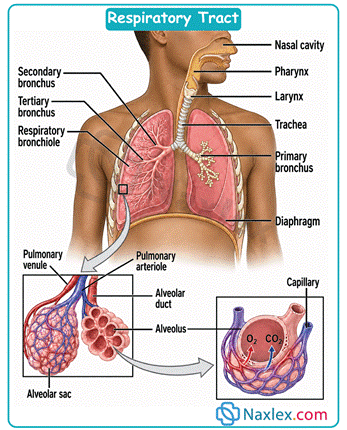
ASTHMA
Asthma is a chronic inflammatory disorder characterized by airway hyperresponsiveness, bronchoconstriction, mucosal edema, and excessive mucus production. These changes narrow the bronchi and bronchioles and cause variable airflow obstruction.
The airway obstruction in asthma is generally reversible, either spontaneously or with appropriate treatment. Common manifestations include wheezing, cough, chest tightness, and difficulty breathing. Severe or prolonged bronchoconstriction that does not respond adequately to initial treatment can progress to status asthmaticus, which is a medical emergency.
The major pathophysiologic processes contributing to asthma are:
• Bronchial smooth-muscle contraction, producing bronchoconstriction.
• Inflammation of the airway mucosa, producing edema and swelling.
• Increased mucus production and accumulation of thick secretions.
• Increased airway responsiveness to various triggers.
• Narrowing of the airway lumen, resulting in impaired airflow.
Asthma may be triggered by allergens, respiratory infections, exercise, cold air, environmental irritants, stress, or certain medications. Common medication-related triggers include nonsteroidal anti-inflammatory drugs (NSAIDs) and beta blockers in susceptible individuals.
ALLERGIC ASTHMA
Allergic asthma involves an IgE-mediated immune response. Exposure to an allergen stimulates an immune response involving IgE antibodies and mast cells. Subsequent exposure to the allergen activates sensitized mast cells, resulting in the release of inflammatory mediators.
Important inflammatory mediators include histamine, leukotrienes, prostaglandins, and other substances that promote:
• Bronchoconstriction
• Airway inflammation
• Mucosal edema
• Increased mucus production
• Increased airway hyperresponsiveness
The resulting airway narrowing produces the characteristic symptoms of an asthma exacerbation.
NONALLERGIC ASTHMA
Nonallergic or intrinsic asthma is not primarily mediated by an IgE-dependent allergic response. Common triggers include respiratory infections, cold air, exercise, stress, and environmental irritants.
Although the initiating trigger differs from allergic asthma, the resulting airway changes are similar and may include bronchoconstriction, inflammation, edema, and mucus production.
STEPWISE PRINCIPLE OF ASTHMA THERAPY
Asthma treatment is adjusted according to the severity of symptoms and the level of disease control. Therapy may be stepped up when control is inadequate and stepped down when sustained control is achieved.
General pharmacologic progression includes:
• Intermittent symptoms: rapid-acting bronchodilator therapy as appropriate.
• Persistent symptoms: introduction of an inhaled corticosteroid as a controller.
• Inadequate control: addition of a LABA or adjustment of inhaled corticosteroid intensity.
• More severe disease: higher-intensity combination controller therapy and consideration of additional agents.
• Severe asthma: specialist-directed therapy, which may include biologic medications or systemic corticosteroids.
The exact regimen depends on asthma severity, treatment response, exacerbation risk, age, comorbidities, and other clinical factors.
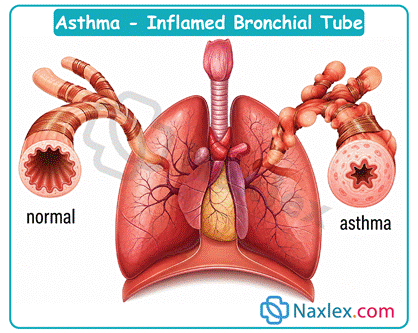
CHRONIC OBSTRUCTIVE PULMONARY DISEASE (COPD)
COPD is a progressive respiratory disorder characterized by persistent airflow limitation that is not fully reversible. It primarily includes chronic bronchitis and emphysema, which may occur together.
COPD involves varying degrees of:
• Chronic airway inflammation
• Bronchoconstriction
• Excessive mucus production
• Airway remodeling
• Loss of elastic recoil
• Destruction of alveolar structures
• Impaired gas exchange
The major environmental risk factor is long-term exposure to tobacco smoke. Other inhaled irritants and genetic factors may also contribute.
CHRONIC BRONCHITIS
Chronic bronchitis involves persistent inflammation of the bronchi and increased mucus production. Inflammation and structural changes can extend into smaller airways, resulting in narrowing and obstruction.
Excess mucus contributes to:
• Airway obstruction
• Productive cough
• Impaired secretion clearance
• Reduced airflow
Treatment therefore focuses on improving airway caliber and reducing symptoms, while addressing factors that contribute to disease progression.
EMPHYSEMA
Emphysema involves destruction of the walls of the alveoli and loss of normal lung elasticity.
Destruction of alveolar walls causes:
• Enlarged, abnormal air spaces
• Reduced surface area for gas exchange
• Loss of elastic recoil
• Air trapping
• Impaired oxygen and carbon dioxide exchange
Tobacco smoke is a major cause. Alpha-1 antitrypsin deficiency is an important inherited risk factor.
PHARMACOLOGIC MANAGEMENT OF COPD
Pharmacologic treatment of COPD focuses primarily on bronchodilation, symptom reduction, prevention of exacerbations, and improvement of functional status.
Major medication classes include:
• Short-acting beta-2 agonists
• Long-acting beta-2 agonists
• Short-acting anticholinergics
• Long-acting anticholinergics
• Combination bronchodilators
• Inhaled corticosteroids in selected patients
• Phosphodiesterase-4 inhibitors in selected patients
• Systemic corticosteroids during acute exacerbations
Unlike asthma, inhaled corticosteroids are not automatically the foundation of treatment for every client with COPD. Bronchodilators are central to long-term pharmacologic management, while inhaled corticosteroids are added for selected patients based on exacerbation risk and other clinical factors.
CYSTIC FIBROSIS
Cystic fibrosis is a genetic disorder that produces abnormally thick and sticky respiratory secretions. These secretions obstruct airways and impair effective mucus clearance.
Pharmacologic therapy may include medications that:
• Thin or hydrate respiratory secretions
• Promote airway clearance
• Reduce airway inflammation
• Treat or prevent respiratory infections
• Improve bronchodilation when bronchoconstriction is present
Mucolytic and mucus-hydrating therapies are particularly important because thick secretions contribute significantly to airway obstruction.
Bronchodilators
Bronchodilators are a major component of pharmacologic therapy for lower respiratory disorders because they relax bronchial smooth muscle, enlarge narrowed airways, and improve airflow through the bronchi and bronchioles. They are particularly important in asthma and COPD, where bronchoconstriction contributes to airflow limitation, wheezing, dyspnea, and impaired ventilation.
The three major bronchodilator classes are:
• Beta-adrenergic agonists
• Anticholinergic agents
• Xanthine derivatives
Bronchodilators may be administered by inhalation, orally, or parenterally, depending on the medication and clinical situation. Inhaled therapy is generally preferred when appropriate because it delivers the medication directly to the respiratory tract and can produce rapid therapeutic effects with less systemic exposure.
Beta-Adrenergic Agonists
Beta-adrenergic agonists, also called sympathomimetic bronchodilators, stimulate adrenergic receptors in bronchial smooth muscle. Their primary respiratory effect is bronchodilation, which reduces airway resistance and improves airflow.
These medications are broadly classified according to their duration of action:
• Short-acting beta-2 agonists (SABAs) provide rapid bronchodilation and are primarily used for quick relief of acute bronchospasm.
• Long-acting beta-2 agonists (LABAs) provide prolonged bronchodilation and are used for maintenance therapy. They are not intended to provide immediate relief during an acute asthma attack.
Important beta-2 agonists include:
SABAs:
• Albuterol
• Levalbuterol
• Terbutaline
LABAs:
• Salmeterol
• Formoterol
• Arformoterol
• Indacaterol
• Olodaterol
• Vilanterol
LABAs are commonly incorporated into combination inhalers with an inhaled corticosteroid or another long-acting bronchodilator.
MECHANISM OF ACTION
Beta-2 agonists stimulate beta-2 adrenergic receptors located primarily on bronchial smooth muscle. Receptor stimulation activates adenylate cyclase, increasing intracellular cyclic adenosine monophosphate (cAMP).
Increased cAMP causes relaxation of bronchial smooth muscle, producing:
• Bronchodilation
• Increased airway diameter
• Reduced airway resistance
• Improved airflow
• Improved ventilation
The therapeutic sequence can be summarized as:
Beta-2 receptor stimulation → increased cAMP → bronchial smooth-muscle relaxation → bronchodilation → improved airflow.
Some beta-adrenergic agonists also stimulate beta-1 or alpha receptors. The less selective the medication, the greater the potential for cardiovascular and other systemic adverse effects.
SELECTIVITY OF BETA-ADRENERGIC AGONISTS
Beta-adrenergic agonists differ according to their receptor selectivity.
Selective beta-2 agonists primarily stimulate beta-2 receptors and therefore produce more targeted bronchodilation. Examples include:
• Albuterol
• Levalbuterol
• Salmeterol
• Formoterol
Nonselective adrenergic agonists stimulate multiple adrenergic receptor types. These medications may produce stronger cardiovascular effects because beta-1 stimulation increases cardiac activity.
Alpha/beta agonists may also stimulate alpha receptors, producing vasoconstriction, while beta-1 stimulation can increase heart rate and myocardial contractility.
Therefore, medications with greater receptor selectivity generally produce fewer cardiovascular effects when used at appropriate doses.
SHORT-ACTING BETA-2 AGONISTS
Albuterol is the principal prototype of the SABA class. Other examples include levalbuterol and terbutaline.
SABAs produce rapid bronchodilation and are used for:
• Acute bronchospasm
• Rapid relief of asthma symptoms
• Prevention of exercise-related bronchospasm when prescribed for this purpose
Albuterol is available in inhaled formulations and some systemic formulations.
Inhaled albuterol generally produces rapid effects because the medication is delivered directly to the bronchial tree.
ALBUTEROL
Albuterol is a short-acting beta-2 agonist and is one of the most commonly used rescue bronchodilators.
Its major pharmacologic effect is relaxation of bronchial smooth muscle, resulting in rapid improvement in airway caliber.
Therapeutic effects include:
• Rapid bronchodilation
• Reduced bronchospasm
• Improved airflow
• Relief of wheezing and breathing difficulty
Frequent or excessive use can increase systemic beta-adrenergic effects. At higher exposure, stimulation may become less selective, increasing the likelihood of cardiovascular and neurologic adverse effects.
Common adverse effects include:
• Tremor
• Nervousness
• Palpitations
• Tachycardia
• Headache
• Dizziness
• Muscle cramps
• Hypokalemia with excessive use
The nurse should assess respiratory response and monitor for excessive cardiovascular stimulation.
LEVALBUTEROL
Levalbuterol is a beta-2 agonist closely related to albuterol. It is administered primarily by inhalation and produces bronchodilation through beta-2 receptor stimulation.
It may be used as an alternative bronchodilator when a client experiences significant adverse effects with albuterol, particularly excessive tachycardia.
LONG-ACTING BETA-2 AGONISTS
LABAs produce prolonged stimulation of beta-2 receptors and maintain bronchodilation for an extended period.
Examples include:
• Salmeterol
• Formoterol
• Arformoterol
• Indacaterol
• Olodaterol
• Vilanterol
LABAs are used primarily for maintenance therapy in asthma and COPD.
The most important distinction is:
SABA = rapid relief
LABA = long-term maintenance
LABAs should not be used as rescue medications because their onset is not appropriate for immediate reversal of acute bronchospasm.
For asthma, LABAs are used with an appropriate controller regimen, particularly an inhaled corticosteroid, rather than being used as the sole long-term treatment.
SALMETEROL
Salmeterol is a long-acting beta-2 agonist used for maintenance bronchodilation.
It provides prolonged bronchodilation and is administered by inhalation. It is used for long-term control of asthma and COPD rather than acute respiratory distress.
Important adverse effects include:
• Tachycardia
• Palpitations
• Tremor
• Headache
• Hypertension
• Nervousness
• Muscle or skeletal discomfort
• Hypersensitivity reactions
The prescribed frequency should be followed carefully, and excessive dosing should be avoided because increased exposure increases the risk of systemic beta-adrenergic effects.
ADVERSE EFFECTS OF BETA-ADRENERGIC AGONISTS
The adverse effects of beta agonists are related primarily to stimulation of adrenergic receptors outside the respiratory tract.
Common effects include:
• Tremor
• Nervousness
• Restlessness
• Tachycardia
• Palpitations
• Headache
• Insomnia
• Muscle cramps
Higher doses or less selective agents may produce:
• Hypertension
• Hypotension
• Cardiac dysrhythmias
• Anginal discomfort
• Hyperglycemia
• Hypokalemia
The nurse should monitor heart rate, blood pressure, respiratory status, and the client's response to therapy.
CARDIOVASCULAR EFFECTS
Beta-1 receptor stimulation increases heart rate and myocardial contractility. Alpha receptor stimulation can produce vasoconstriction and increase blood pressure.
Therefore, nonselective adrenergic agonists have a greater potential for cardiovascular adverse effects than selective beta-2 agonists.
Use requires particular caution in clients with significant:
• Cardiovascular disease
• Hypertension
• Cardiac dysrhythmias
• Angina
• Cerebrovascular disease
DRUG INTERACTIONS
Several medications can alter the effects or safety of beta-adrenergic agonists.
Nonselective beta blockers can antagonize beta-agonist bronchodilation, potentially reducing the effectiveness of treatment and worsening bronchospasm.
Concurrent use with other sympathomimetic medications may increase:
• Hypertension
• Tachycardia
• Nervousness
• Other adrenergic adverse effects
Monoamine oxidase inhibitors may also increase sympathomimetic effects and require careful consideration.
Beta agonists may increase blood glucose levels, which can be clinically important in clients receiving glucose-lowering therapy.
CONTRAINDICATIONS AND PRECAUTIONS
Important contraindications and precautions depend on the specific beta agonist and formulation. Major considerations include:
• Known hypersensitivity to the medication
• Significant cardiovascular disease
• Uncontrolled hypertension
• Cardiac dysrhythmias
• Conditions associated with increased risk from excessive adrenergic stimulation
The nurse should evaluate the client's cardiovascular status and current medication profile before administration.
NURSING ASSESSMENT
Before and during beta-agonist therapy, assess:
• Respiratory rate and effort
• Breath sounds
• Oxygen saturation
• Degree of bronchospasm
• Presence and severity of wheezing
• Heart rate and rhythm
• Blood pressure
• Frequency of rescue medication use
• Therapeutic response
An increasing need for a rescue inhaler may indicate inadequate disease control and should prompt further assessment.
NURSING INSIGHTS
For inhaled beta-agonists, correct administration technique is essential.
Teach clients to:
• Use the inhaler exactly as prescribed.
• Follow the prescribed dose and frequency.
• Use a spacer when prescribed or appropriate for the inhaler.
• Coordinate inhalation with medication activation when using a metered-dose inhaler.
• Keep rescue medication readily available when prescribed for acute symptoms.
• Report persistent or worsening respiratory symptoms.
• Avoid exceeding the prescribed dose.
• Recognize excessive tremor, palpitations, or rapid heart rate as possible adverse effects.
When multiple inhaled medications are prescribed, the correct sequence and timing should be followed to maximize drug delivery.
SABA VERSUS LABA: HIGH-YIELD DISTINCTION
SABAs:
• Short duration
• Rapid onset
• Used for acute symptom relief
• Examples: albuterol, levalbuterol
LABAs:
• Long duration
• Used for maintenance therapy
• Not appropriate as rescue treatment for acute bronchospasm
• Examples: salmeterol, formoterol, arformoterol
This distinction is one of the most important principles in bronchodilator pharmacology.
THERAPEUTIC EVALUATION
Effectiveness of beta-adrenergic bronchodilators is demonstrated by:
• Improved airflow
• Reduced wheezing
• Reduced bronchospasm
• Easier breathing
• Reduced respiratory effort
• Improved oxygenation when bronchoconstriction was contributing to impaired ventilation
• Reduced frequency of acute respiratory symptoms
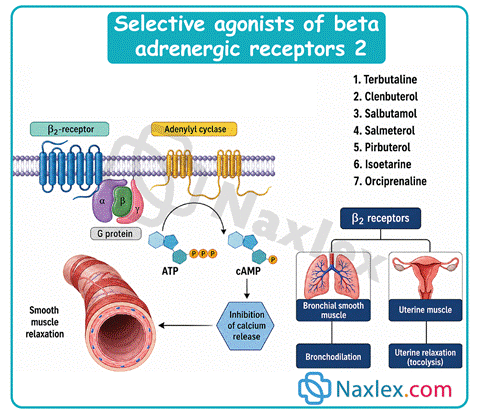
Anticholinergic Bronchodilators
Anticholinergic bronchodilators are medications that promote bronchodilation by blocking the effects of acetylcholine in the airways. They are particularly important in the long-term pharmacologic management of chronic obstructive pulmonary disease (COPD). By reducing parasympathetic-mediated bronchoconstriction, these medications help keep the bronchi and bronchioles open and improve airflow.
The major inhaled anticholinergic bronchodilators include ipratropium, tiotropium, aclidinium, umeclidinium, and glycopyrrolate. Most long-acting agents in this group are classified as long-acting muscarinic antagonists (LAMAs). Ipratropium is shorter acting and is classified as a short-acting muscarinic antagonist (SAMA).
CLASSIFICATION
• Short-acting muscarinic antagonist (SAMA): Ipratropium
• Long-acting muscarinic antagonists (LAMAs):
• Tiotropium
• Aclidinium
• Umeclidinium
• Glycopyrrolate
These medications are administered primarily by inhalation, allowing the drug to act directly on the bronchial smooth muscle while limiting systemic exposure.
MECHANISM OF ACTION
The parasympathetic nervous system influences airway tone through the neurotransmitter acetylcholine. Acetylcholine binds to muscarinic receptors in bronchial smooth muscle and promotes contraction of the airways. This produces bronchoconstriction and contributes to increased airway resistance.
Anticholinergic medications competitively block muscarinic receptors, particularly M3 receptors, in the bronchial smooth muscle. Blocking these receptors prevents acetylcholine from producing its normal bronchoconstricting effect.
The resulting pharmacologic effects include:
• Relaxation of bronchial smooth muscle.
• Bronchodilation and widening of the airways.
• Decreased airway resistance.
• Improved airflow through the bronchi and bronchioles.
• Reduction in excessive respiratory secretions.
The overall therapeutic effect is improved airway patency and easier movement of air into and out of the lungs.
Key Principle
Anticholinergics do not directly stimulate the bronchial smooth muscle to produce relaxation. Instead, they block acetylcholine-mediated bronchoconstriction, allowing the airways to remain more open.
THERAPEUTIC USES
Anticholinergic bronchodilators are used primarily for the management of COPD. They are particularly useful for reducing persistent bronchoconstriction and maintaining airway patency.
Therapeutic purposes include:
• Prevention and control of bronchospasm associated with COPD.
• Maintenance of bronchodilation.
• Reduction of airway resistance.
• Improvement of airflow and respiratory function.
• Reduction of excessive bronchial secretions.
Ipratropium may also be used as a bronchodilator in combination with other inhaled bronchodilators. Combination therapy may provide greater bronchodilation because different drug classes act through different mechanisms.
For example, an anticholinergic may be combined with a beta2-adrenergic agonist such as albuterol. The beta2 agonist promotes bronchodilation through beta2-receptor stimulation, while the anticholinergic prevents acetylcholine-mediated bronchoconstriction.
ACUTE VS. MAINTENANCE THERAPY
The distinction between short-acting and long-acting anticholinergics is important.
Ipratropium has a relatively shorter duration of action and may be used as part of bronchodilator therapy when more rapid airway effects are required.
LAMAs have a longer duration of action and are primarily used for maintenance therapy. They are administered regularly to maintain bronchodilation rather than being relied upon as the primary treatment for sudden, severe bronchospasm.
Long-acting anticholinergics should therefore be viewed primarily as maintenance bronchodilators, not immediate rescue medications.
MAJOR ANTICHOLINERGIC MEDICATIONS
Ipratropium
Ipratropium is a short-acting inhaled anticholinergic bronchodilator. It blocks muscarinic receptors in the airways and decreases acetylcholine-mediated bronchoconstriction.
Important characteristics include:
• Classified as a SAMA.
• Administered by inhalation.
• Available as an inhalation aerosol and inhalation solution.
• Produces bronchodilation by blocking muscarinic receptors.
• May be administered several times daily depending on the formulation.
• May be combined with a beta2 agonist for enhanced bronchodilation.
The onset of action after inhalation is approximately 5–15 minutes, with peak effects occurring within approximately 1–2 hours. Its duration of action is approximately 4–5 hours.
Tiotropium
Tiotropium is a long-acting muscarinic antagonist used primarily for maintenance bronchodilation.
Key characteristics include:
• Produces prolonged muscarinic receptor blockade.
• Promotes sustained bronchodilation.
• Used primarily for maintenance treatment of COPD.
• Generally administered once daily.
• Is not intended to provide immediate relief of acute bronchospasm.
Aclidinium
Aclidinium is a LAMA used for maintenance bronchodilation.
Key characteristics include:
• Blocks muscarinic receptors in bronchial smooth muscle.
• Reduces bronchoconstriction.
• Provides prolonged bronchodilation.
• Used primarily for COPD maintenance therapy.
• Generally administered twice daily.
Umeclidinium
Umeclidinium is another LAMA used for long-term bronchodilator therapy.
Key characteristics include:
• Produces prolonged muscarinic receptor blockade.
• Promotes airway relaxation.
• Reduces airway resistance.
• Used primarily for maintenance treatment of COPD.
• Generally administered once daily.
Glycopyrrolate
Glycopyrrolate is an inhaled LAMA used to maintain bronchodilation.
Key characteristics include:
• Blocks muscarinic receptors in the airways.
• Reduces acetylcholine-mediated bronchoconstriction.
• Produces prolonged bronchodilation.
• Used primarily for COPD maintenance therapy.
• Generally administered twice daily depending on the formulation.
ADVERSE EFFECTS
Most adverse effects of inhaled anticholinergics are related to their anticholinergic actions. Because the drugs reduce cholinergic activity, secretions may become decreased and smooth muscle activity in other organs may also be affected.
Common adverse effects include:
• Dry mouth
• Dry or irritated throat.
• Nasal congestion.
• Cough.
• Headache.
• Gastrointestinal discomfort.
• Palpitations.
• Anxiety.
• Urinary retention.
• Increased intraocular pressure.
The intensity of adverse effects varies among medications and individuals.
DRY MOUTH AND THROAT
Dry mouth is one of the most characteristic adverse effects of anticholinergic therapy. It occurs because anticholinergic activity reduces secretory function.
Nursing considerations include:
• Encourage adequate fluid intake when not contraindicated.
• Frequent sips of water may relieve oral dryness.
• Sugarless candy or gum may help stimulate salivary flow.
• Monitor for persistent or severe oral discomfort.
URINARY RETENTION
Anticholinergic effects can decrease bladder detrusor muscle activity and contribute to difficulty emptying the bladder.
Monitor for:
• Difficulty initiating urination.
• Decreased urine output associated with retention.
• Bladder discomfort or distention.
Use particular caution in clients with conditions that already predispose them to urinary retention, including prostate enlargement.
INCREASED INTRAOCULAR PRESSURE
Anticholinergic medications can increase intraocular pressure if the medication reaches the eyes.
Use caution in clients with narrow-angle glaucoma.
Nursing considerations include:
• Prevent the medication from contacting the eyes.
• Teach proper inhaler technique.
• Monitor for eye pain, blurred vision, halos around lights, or other significant visual changes.
• Report concerning ocular symptoms promptly.
CARDIOVASCULAR EFFECTS
Although inhaled anticholinergics have relatively limited systemic effects, palpitations may occur.
Monitor for:
• Increased heart rate.
• Palpitations.
• Chest discomfort.
• Significant changes in cardiovascular status.
Persistent or severe cardiovascular symptoms should be evaluated.
CONTRAINDICATIONS AND PRECAUTIONS
The principal contraindication is hypersensitivity to the medication or its components.
Important precautions include:
• Narrow-angle glaucoma.
• Prostate enlargement.
• Urinary retention.
• Conditions associated with increased intraocular pressure.
• Concurrent use of multiple anticholinergic medications.
The historical concern regarding peanut or soy allergy with older ipratropium formulations was related to inactive ingredients used in some older preparations. Current formulations should be assessed according to their specific ingredients rather than assuming that peanut or soy allergy universally contraindicates ipratropium.
DRUG INTERACTIONS
The major interaction concern is additive anticholinergic activity.
Concurrent administration with other medications possessing anticholinergic properties may increase the risk of:
• Dry mouth.
• Constipation or gastrointestinal effects.
• Urinary retention.
• Increased intraocular pressure.
• Other anticholinergic adverse effects.
The medication history should therefore be reviewed for other agents with significant anticholinergic effects.
NURSING ADMINISTRATION
Anticholinergic bronchodilators are primarily administered through inhalation. Proper inhaler technique is essential because the therapeutic effect depends on adequate delivery of medication into the respiratory tract.
Important nursing considerations include:
• Verify the prescribed inhaled medication and formulation.
• Assess respiratory rate, breath sounds, oxygenation, and respiratory effort before and during therapy.
• Assess the effectiveness of bronchodilation.
• Teach correct inhaler technique.
• Ensure the medication is inhaled correctly rather than swallowed.
• Avoid spraying the medication into the eyes.
• Follow the prescribed dosing schedule.
• Do not use a maintenance LAMA as a substitute for an appropriate rescue medication during acute severe bronchospasm.
CLIENT EDUCATION
Explain that anticholinergic bronchodilators work by preventing airway constriction and maintaining more open airways.
Important teaching points include:
• Use the medication exactly as prescribed.
• Do not exceed the prescribed frequency.
• Learn and demonstrate correct inhaler technique.
• Avoid allowing inhaled medication to contact the eyes.
• Report difficulty urinating.
• Report severe or persistent eye pain or visual changes.
• Report significant palpitations or worsening respiratory symptoms.
• Maintain adequate hydration when appropriate to reduce discomfort associated with dry mouth.
• Understand the difference between maintenance therapy and rescue therapy.
COMBINATION THERAPY
Anticholinergic bronchodilators may be combined with beta2-adrenergic agonists because the two classes produce bronchodilation through different mechanisms.
Beta2 agonists stimulate beta2 receptors and increase intracellular cAMP, resulting in relaxation of bronchial smooth muscle.
Anticholinergics block muscarinic receptors and prevent acetylcholine-mediated bronchoconstriction.
The combined effects can produce greater bronchodilation than either mechanism alone.
Ipratropium may therefore be combined with albuterol in inhaled combination therapy.
NURSING INSIGHTS
Before administration, assess:
• Respiratory rate and pattern.
• Breath sounds.
• Degree of wheezing or other abnormal respiratory sounds.
• Work of breathing.
• Oxygenation status.
• Presence of cough and respiratory secretions.
• History of glaucoma or increased intraocular pressure.
• History of urinary retention or prostate enlargement.
• Current medications with anticholinergic properties.
During therapy, assess:
• Improvement in airflow.
• Reduced wheezing.
• Reduced work of breathing.
• Improved respiratory comfort.
• Development of anticholinergic adverse effects.
EVALUATION OF THERAPEUTIC EFFECTIVENESS
Therapeutic effectiveness is demonstrated by improved respiratory function.
Expected outcomes include:
• Improved airflow
• Reduced bronchospasm.
• Reduced wheezing.
• Easier breathing.
• Decreased respiratory effort.
• Improved ability to perform normal activities.
• Reduced frequency or severity of COPD-related respiratory symptoms.
• Improved control of excessive airway secretions.
Xanthine Derivatives
Xanthine derivatives are bronchodilators that can increase airway diameter by promoting smooth-muscle relaxation. They include theophylline, aminophylline, and dyphylline. Caffeine is also a naturally occurring xanthine but is not routinely used as a primary bronchodilator for asthma or COPD.
Theophylline is the principal xanthine used in respiratory pharmacotherapy. Because of its extensive drug interactions, variable metabolism, and relatively narrow therapeutic index, xanthines are used less frequently than inhaled bronchodilators.
The major pharmacologic effects of xanthines are:
• Bronchodilation
• Increased respiratory drive
• Mild CNS stimulation
• Cardiovascular stimulation at higher concentrations
• Mild diuretic activity
MECHANISM OF ACTION
Xanthines produce bronchodilation primarily by inhibiting phosphodiesterase, the enzyme responsible for breaking down cyclic adenosine monophosphate (cAMP).
Phosphodiesterase inhibition → decreased cAMP breakdown → increased intracellular cAMP → bronchial smooth-muscle relaxation → bronchodilation.
Increased cAMP helps maintain relaxation of bronchial smooth muscle, resulting in:
• Increased airway diameter
• Reduced airway resistance
• Improved airflow
• Reduced bronchoconstriction
Xanthines may also reduce the release of certain inflammatory mediators involved in airway inflammation. This contributes to their bronchodilating and anti-inflammatory effects, although these effects are less important clinically than their bronchodilating action.
EFFECTS ON THE CENTRAL NERVOUS SYSTEM
Theophylline and related xanthines produce CNS stimulation. The effect is weaker than that produced by caffeine but becomes more pronounced as serum concentrations increase.
CNS stimulation may increase activity of the respiratory center in the medulla, thereby increasing respiratory drive.
Excessive CNS stimulation can produce:
• Restlessness
• Nervousness
• Irritability
• Insomnia
• Tremors
• Headache
• Seizures in severe toxicity
Therefore, increasing CNS stimulation may indicate excessive drug exposure rather than improved therapeutic response.
CARDIOVASCULAR EFFECTS
At therapeutic or mildly elevated concentrations, xanthines may produce some cardiovascular stimulation. At higher concentrations, these effects become more pronounced.
Theophylline may produce:
• Increased heart rate
• Increased myocardial contractility
• Increased cardiac output
• Palpitations
• Cardiac dysrhythmias
Severe toxicity can produce potentially life-threatening ventricular dysrhythmias.
For this reason, clients receiving theophylline should be monitored for tachycardia, palpitations, and changes in cardiac rhythm, particularly when toxicity is suspected.
RENAL EFFECTS
Xanthines can increase renal blood flow and may produce a mild diuretic effect. Increased cardiac output and renal vasodilation can increase glomerular filtration.
Possible effects include:
• Increased urine production
• Increased renal blood flow
• Mild fluid loss
Diuresis is not the primary therapeutic purpose of theophylline and should not be considered its principal clinical effect.
THERAPEUTIC USES
Xanthine derivatives may be used as bronchodilators in:
• Asthma
• COPD
• Chronic bronchoconstriction requiring additional bronchodilator therapy
Theophylline may be used as an adjunctive maintenance medication when other therapies do not provide adequate control.
Because xanthines have a relatively slow onset and significant toxicity potential, they are generally not preferred for rapid relief of acute bronchospasm.
The major distinction is:
• Rapid-acting beta-2 agonists → acute symptom relief
• Xanthines → longer-term or adjunctive bronchodilator therapy
THEOPHYLLINE
Theophylline is the principal medication in the xanthine bronchodilator class. It may be administered orally, with other formulations available in specialized circumstances.
Its therapeutic effects include:
• Bronchodilation
• Decreased airway resistance
• Increased respiratory drive
• Reduced bronchoconstriction
Theophylline is metabolized extensively in the liver, and its clearance can be affected by age, smoking status, liver function, illness, and numerous medications.
This variable metabolism contributes to the need for therapeutic drug monitoring.
AMINOPHYLLINE
Aminophylline is a formulation that is converted to theophylline in the body. Because it produces the pharmacologic effects of theophylline, it carries the same important concerns regarding toxicity and drug interactions.
Parenteral administration requires careful dosing and monitoring because rapid increases in serum concentration can produce serious cardiovascular and CNS toxicity.
THERAPEUTIC DRUG MONITORING
Theophylline has a narrow therapeutic index, meaning that the difference between an effective concentration and a toxic concentration is relatively small.
Serum concentrations may be monitored to:
• Confirm therapeutic exposure
• Guide dosage adjustments
• Detect toxicity
• Evaluate possible drug interactions
• Assess changes in drug metabolism
A commonly used therapeutic concentration range is approximately 5–15 mcg/mL, although the desired concentration depends on the clinical situation and prescribing approach.
As serum concentration increases beyond the desired range, the risk of adverse effects increases substantially.
The nurse should recognize that clinical manifestations are as important as laboratory results when evaluating possible toxicity.
ADVERSE EFFECTS
The most common gastrointestinal effects include:
• Nausea
• Vomiting
• Anorexia
• Abdominal discomfort
CNS effects include:
• Restlessness
• Nervousness
• Insomnia
• Tremor
• Headache
• Irritability
Cardiovascular effects include:
• Tachycardia
• Palpitations
• Extrasystoles
• Cardiac dysrhythmias
Other possible effects include:
• Increased urination
• Hyperglycemia
The severity of adverse effects generally increases as serum theophylline concentrations rise.
THEOPHYLLINE TOXICITY
Theophylline toxicity is a major nursing concern because severe toxicity can rapidly become life-threatening.
Early manifestations may include:
• Nausea and vomiting
• Restlessness
• Tremor
• Insomnia
• Headache
• Tachycardia
• Palpitations
More severe toxicity may cause:
• Severe vomiting
• Significant cardiac dysrhythmias
• Hypotension
• Severe CNS excitation
• Seizures
The combination of persistent vomiting, tachycardia, and CNS excitation should raise concern for excessive theophylline exposure.
Severe toxicity requires immediate medical management. Activated charcoal may be used in appropriate cases to reduce gastrointestinal absorption, while severe cardiovascular or neurologic complications require supportive and emergency treatment.
CONTRAINDICATIONS AND PRECAUTIONS
Xanthine derivatives should be avoided or used cautiously when the risks of cardiovascular, neurologic, or gastrointestinal stimulation are significant.
Important contraindications and precautions include:
• Known hypersensitivity to the medication
• Uncontrolled cardiac dysrhythmias
• Seizure disorders
• Hyperthyroidism
• Peptic ulcer disease
Additional caution is required with conditions that can alter theophylline metabolism or increase the risk of toxicity, particularly hepatic impairment and significant cardiovascular disease.
DRUG INTERACTIONS
Theophylline has numerous clinically important drug interactions because several medications can alter its hepatic metabolism.
Some medications can increase serum theophylline concentrations, increasing the risk of toxicity. Important examples include:
• Allopurinol
• Cimetidine
• Certain macrolide antibiotics, such as erythromycin
• Certain quinolone antibiotics, such as ciprofloxacin
• Oral contraceptives
When these medications are initiated or discontinued, theophylline concentrations may change and dosage adjustment or additional monitoring may be necessary.
Other substances can increase the metabolism of theophylline and therefore decrease serum concentrations.
Examples include:
• Rifampin
• St. John's wort
• Tobacco smoke exposure
Changes in smoking status can therefore alter theophylline concentrations and may require reassessment of therapy.
CAFFEINE AND OTHER SYMPATHOMIMETICS
Caffeine and sympathomimetic medications can produce additive CNS and cardiovascular stimulation when used with theophylline.
Possible additive effects include:
• Nervousness
• Tremor
• Insomnia
• Tachycardia
• Palpitations
• Cardiac dysrhythmias
Clients should be taught to consider caffeine intake from beverages, foods, and medications when receiving theophylline.
FOOD AND LIFESTYLE CONSIDERATIONS
Dietary and lifestyle factors can influence theophylline metabolism.
Changes in tobacco exposure are particularly important because tobacco smoke can increase hepatic metabolism of theophylline and reduce its serum concentration.
The nurse should assess for:
• Current smoking status
• Changes in smoking habits
• Caffeine consumption
• Use of herbal products
• Changes in prescribed medications
• Use of over-the-counter medications
Clients should avoid making major changes to regular medication or tobacco habits without informing the healthcare provider because these changes may alter theophylline exposure.
NURSING INSIGHTS
Before and during theophylline therapy, assess:
• Respiratory rate and effort
• Breath sounds
• Oxygen saturation
• Presence of wheezing or bronchospasm
• Heart rate and rhythm
• Blood pressure
• Level of restlessness or agitation
• Gastrointestinal symptoms
• Serum theophylline concentration when ordered
• Current medications and potential drug interactions
Clients receiving theophylline should be instructed to:
• Take the medication exactly as prescribed.
• Avoid taking additional doses when respiratory symptoms worsen.
• Attend scheduled serum drug-level monitoring.
• Report persistent nausea or vomiting.
• Report palpitations or unusually rapid heart rate.
• Report severe restlessness, tremors, or insomnia.
• Seek immediate medical attention for seizures or severe cardiac symptoms.
• Inform healthcare providers about all prescription, over-the-counter, and herbal medications.
• Maintain consistent caffeine intake unless otherwise instructed.
• Report significant changes in tobacco use.
• Avoid self-medicating with products that may interact with theophylline.
Extended-release preparations should be administered according to the specific product instructions and should not be crushed or altered when the formulation is designed for extended release.
EVALUATION OF THERAPEUTIC EFFECTIVENESS
Theophylline therapy is considered effective when there is:
• Improved airflow
• Reduced bronchospasm
• Decreased wheezing
• Easier breathing
• Reduced respiratory effort
• Improved respiratory function
• Reduced frequency or severity of bronchospasm
Therapeutic effectiveness must always be balanced against the risk of toxicity because increasing the dose does not necessarily produce proportionally greater benefit.
Nonbronchodilating Respiratory Drugs
Bronchodilators such as beta-adrenergic agonists, anticholinergics, and xanthine derivatives primarily improve airflow by relaxing bronchial smooth muscle.
Nonbronchodilating respiratory drugs address other mechanisms involved in respiratory disease, particularly airway inflammation and hypersensitivity.
The major nonbronchodilating drug groups include leukotriene receptor antagonists and mast cell stabilizers.
For this section, the focus is on leukotriene receptor antagonists (LTRAs): montelukast, zafirlukast, and zileuton.
LTRAs are primarily used for the prevention and long-term control of asthma. They reduce airway inflammation, bronchoconstriction, mucus production, and airway edema associated with leukotriene activity. They do not provide rapid bronchodilation and therefore are not rescue medications for acute asthma attacks.
Leukotriene Receptor Antagonists
Leukotrienes are inflammatory mediators produced from arachidonic acid during immune and inflammatory reactions. In asthma, leukotrienes contribute significantly to bronchoconstriction, airway inflammation, mucus production, and mucosal edema.
When leukotrienes act on receptors in the respiratory tract, bronchial smooth muscle contracts, mucus secretion increases, and vascular permeability rises. These effects narrow the airways and contribute to symptoms such as wheezing, coughing, and difficulty breathing.
Leukotriene-modifying medications reduce these effects and are therefore useful in the long-term management and prevention of asthma.
The three major drugs in this class are:
• Montelukast
• Zafirlukast
• Zileuton
These medications are administered primarily by the oral route and are particularly useful when control of leukotriene-mediated inflammation is required.
MECHANISM OF ACTION AND DRUG EFFECTS
Leukotriene-modifying drugs act by interfering with leukotriene activity in two principal ways.
Montelukast and zafirlukast are leukotriene D4 receptor antagonists. They selectively block leukotriene D4 receptors in respiratory tissues, preventing leukotrienes from producing their inflammatory and bronchoconstricting effects.
Blocking these receptors produces several beneficial effects:
• Reduces bronchial smooth muscle contraction.
• Decreases airway inflammation.
• Reduces mucus secretion.
• Decreases vascular permeability and associated airway edema.
• Reduces airway hyperresponsiveness.
• Limits recruitment and migration of inflammatory cells into the airways.
• Improves airway patency and reduces respiratory symptoms.
Zileuton acts differently. It inhibits 5-lipoxygenase, an enzyme required for leukotriene synthesis. By reducing leukotriene production, zileuton decreases leukotriene-mediated bronchoconstriction and inflammation.
The overall pharmacological effect of leukotriene modification is reduced airway inflammation and bronchoconstriction, resulting in improved airflow and better control of asthma symptoms.
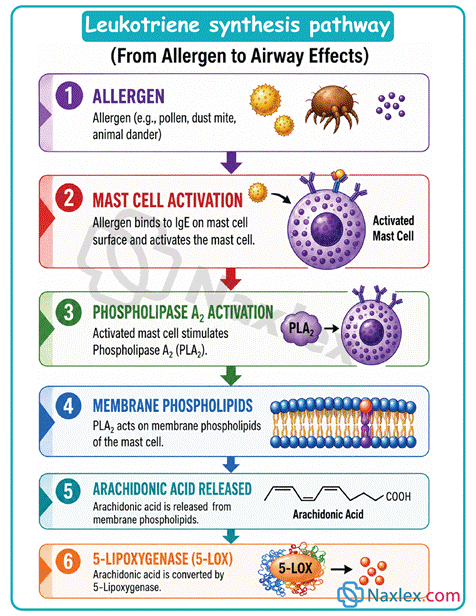
CLASSIFICATION OF LEUKOTRIENE-MODIFYING DRUGS
• Montelukast: Leukotriene D4 receptor antagonist.
• Zafirlukast: Leukotriene D4 receptor antagonist.
• Zileuton: 5-lipoxygenase inhibitor.
The distinction is important because montelukast and zafirlukast block leukotriene receptors, whereas zileuton reduces leukotriene synthesis.
THERAPEUTIC USES
Leukotriene receptor antagonists are primarily used for:
• Long-term control and prevention of asthma.
• Prophylaxis of asthma symptoms.
• Reduction of airway inflammation associated with asthma.
• Prevention of bronchoconstriction associated with known triggers.
• Montelukast may also be used for allergic rhinitis.
These medications are particularly useful as controller therapy, rather than rescue therapy.
They do not produce sufficiently rapid bronchodilation to reverse an acute asthma attack. A rapid-acting bronchodilator is required when immediate relief of bronchospasm is needed.
Clinical improvement with leukotriene-modifying therapy may take several days, with noticeable improvement often occurring within approximately 1 week of consistent therapy.
MONTELUKAST
Montelukast is an oral leukotriene D4 receptor antagonist commonly used for long-term asthma control and prevention.
Its major pharmacological effects include:
• Reduction of leukotriene-mediated bronchoconstriction.
• Reduction of airway inflammation.
• Decreased mucus production.
• Reduction of airway edema.
• Decreased airway hyperresponsiveness.
Montelukast has a relatively long duration of action and is generally administered once daily.
A commonly used adult dose for asthma maintenance is 10 mg once daily, usually administered in the evening.
Montelukast may also be used in the management of allergic rhinitis.
Pharmacokinetics of Montelukast
• Route: Oral.
• Onset of action: Approximately 30 minutes.
• Peak plasma concentration: Approximately 3–4 hours.
• Elimination half-life: Approximately 2.7–5 hours.
• Duration of action: Approximately 24 hours.
Because its effects persist for approximately 24 hours, once-daily administration is sufficient for maintenance therapy.
ZAFIRLUKAST
Zafirlukast is another leukotriene D4 receptor antagonist. It produces effects similar to montelukast by preventing leukotriene D4 from binding to its receptors in respiratory tissues.
Its therapeutic effects include:
• Reduced bronchoconstriction.
• Reduced airway inflammation.
• Decreased mucus secretion.
• Reduced airway edema.
• Improved airflow.
Zafirlukast is used primarily for long-term asthma prophylaxis and maintenance and is not appropriate for immediate treatment of an acute asthma attack.
ZILEUTON
Zileuton is a 5-lipoxygenase inhibitor. Unlike montelukast and zafirlukast, it does not primarily block leukotriene receptors. Instead, it inhibits an enzyme required for leukotriene synthesis.
This decreases the formation of leukotrienes and reduces their effects on the respiratory tract.
Therapeutic effects include:
• Reduced bronchoconstriction.
• Decreased airway inflammation.
• Reduced mucus production.
• Reduced airway edema.
Zileuton is used for long-term asthma control and prevention rather than rapid relief of acute bronchospasm.
CONTRAINDICATIONS AND PRECAUTIONS
The primary contraindication to leukotriene-modifying therapy is known hypersensitivity to the medication.
Additional precautions include careful consideration of concurrent medications and conditions that may alter drug metabolism or increase the risk of adverse effects.
For zileuton, particular attention should be given to hepatic function because of its potential for liver-related adverse effects. Liver function monitoring may be required during therapy.
Patients should also be assessed for previous adverse reactions to the specific medication or its inactive ingredients.
ADVERSE EFFECTS
Adverse effects vary according to the specific leukotriene-modifying medication.
Common adverse effects of montelukast and zafirlukast include:
• Headache.
• Nausea.
• Diarrhea.
Other possible effects may include abdominal discomfort, fatigue, or upper respiratory symptoms.
Common adverse effects associated with zileuton include:
• Headache.
• Nausea.
• Dizziness.
• Insomnia.
• Gastrointestinal discomfort.
Because zileuton affects leukotriene synthesis through hepatic metabolism, liver dysfunction is an important safety concern.
SERIOUS ADVERSE EFFECTS AND NURSING ASSESSMENT
Although uncommon, significant neuropsychiatric effects have been associated with montelukast. Nursing assessment should include monitoring for unusual behavioral or mood changes, sleep disturbances, agitation, anxiety, depression, or suicidal thoughts.
Any significant or unexplained behavioral changes should be reported promptly.
For zileuton, signs of possible hepatic injury require particular attention. These may include:
• Unusual fatigue.
• Right upper abdominal discomfort.
• Dark urine.
• Jaundice.
• Persistent nausea.
• Loss of appetite.
DRUG INTERACTIONS
Leukotriene-modifying drugs can interact with medications that alter hepatic metabolism.
Montelukast
Phenobarbital and rifampin can increase the metabolism of montelukast, potentially decreasing its serum concentration and therapeutic effect.
Zafirlukast
Zafirlukast has more clinically significant drug interactions than montelukast. Aspirin may increase zafirlukast concentrations. Erythromycin may decrease zafirlukast concentrations. Zafirlukast may also increase warfarin concentrations by decreasing warfarin clearance.
Zileuton
Zileuton can increase serum concentrations of medications such as theophylline, propranolol, and warfarin by reducing their clearance.
Therefore, patients receiving these combinations may require closer monitoring for drug toxicity or altered therapeutic response.
NURSING INSIGHTS
• Administer leukotriene-modifying medications consistently as prescribed for maintenance therapy.
• Emphasize that these medications are controller drugs, not rescue medications.
• Instruct clients not to substitute montelukast, zafirlukast, or zileuton for a rapid-acting bronchodilator during an acute asthma attack.
• Encourage adherence even when respiratory symptoms are controlled because the medications are intended to prevent and reduce airway inflammation.
• Monitor respiratory symptoms and frequency of acute exacerbations to evaluate therapeutic effectiveness.
• Monitor for headache, gastrointestinal disturbances, dizziness, or sleep disturbances.
• Assess for mood or behavioral changes during montelukast therapy.
• Monitor liver function when appropriate, particularly during zileuton therapy.
• Review concurrent medications for potential interactions.
• Reinforce that therapeutic improvement may require several days of consistent treatment rather than occurring immediately after the first dose.
SPECIAL CONSIDERATIONS
Montelukast is generally preferred when once-daily oral administration is desirable. It has relatively few drug interactions compared with the other leukotriene-modifying agents.
Zafirlukast requires greater attention to potential drug interactions and medication timing.
Zileuton requires particular attention to hepatic safety and drug interactions because it can alter the metabolism of several medications.
These differences should be considered when selecting and monitoring leukotriene-modifying therapy.
EVALUATION OF THERAPEUTIC EFFECTIVENESS
Therapeutic effectiveness is demonstrated by:
• Reduced frequency and severity of asthma symptoms.
• Decreased wheezing and coughing.
• Reduced bronchoconstriction.
• Improved airflow and respiratory function.
• Reduced need for rescue bronchodilator therapy.
• Fewer asthma exacerbations.
• Improved ability to perform normal activities without respiratory limitation.
• Improved control of allergic rhinitis symptoms when montelukast is used for this indication.
The overall therapeutic goal is long-term control of airway inflammation and leukotriene-mediated bronchoconstriction, rather than immediate reversal of acute respiratory distress.
Corticosteroids
Corticosteroids, also called glucocorticoids, are potent anti-inflammatory medications used in the management of respiratory disorders, particularly asthma and acute exacerbations of chronic obstructive pulmonary disease. They resemble the actions of the naturally occurring adrenal hormone cortisol and reduce the inflammatory processes responsible for airway swelling, hyperresponsiveness, and bronchoconstriction.
Respiratory corticosteroids are available primarily as inhaled, oral, and intravenous preparations. Inhaled corticosteroids deliver the medication directly to the airways and generally produce fewer systemic effects than systemic corticosteroids. Oral and intravenous corticosteroids produce broader systemic effects and are primarily reserved for more severe respiratory inflammation or acute exacerbations.
Common inhaled corticosteroids include:
• Beclomethasone
• Budesonide
• Ciclesonide
• Flunisolide
• Fluticasone
• Mometasone
• Triamcinolone
Systemic corticosteroids commonly used for respiratory disorders include:
• Prednisone — oral
• Methylprednisolone — oral or intravenous
The major therapeutic distinction is that inhaled corticosteroids are primarily used for long-term control of airway inflammation, whereas systemic corticosteroids are commonly used for acute or severe exacerbations.
MECHANISM OF ACTION AND PHARMACOLOGICAL EFFECTS
Corticosteroids suppress multiple components of the inflammatory response within the respiratory tract. Their effects occur through several cellular mechanisms that decrease the production and release of inflammatory mediators.
Corticosteroids stabilize inflammatory cells and reduce the release of substances that contribute to airway inflammation. They decrease the activity of inflammatory cells such as lymphocytes, macrophages, neutrophils, and basophils and reduce the production of inflammatory mediators.
The overall respiratory effects include:
• Decreased airway inflammation.
• Reduced bronchial mucosal edema.
• Decreased mucus production.
• Reduced airway hyperresponsiveness.
• Decreased inflammatory cell activity.
• Reduced release of histamine and other inflammatory mediators.
• Improved responsiveness of bronchial smooth muscle to beta2-adrenergic agonists.
• Improved airflow as airway inflammation and swelling decrease.
Corticosteroids do not function primarily as direct bronchodilators. Their major therapeutic action is anti-inflammatory, rather than immediate relaxation of bronchial smooth muscle.
Because corticosteroids modify the inflammatory process rather than producing immediate bronchodilation, their full therapeutic effects may require days to weeks of consistent therapy.
EFFECTS ON INFLAMMATORY CELLS
Corticosteroids affect several types of leukocytes involved in respiratory inflammation.
Neutrophils release enzymes and inflammatory substances that can contribute to tissue injury. Corticosteroids reduce inflammatory activity and limit the release of inflammation-promoting substances.
Eosinophils play an important role in allergic inflammation and asthma. Corticosteroids reduce eosinophilic inflammatory activity and thereby decrease airway inflammation.
Basophils contain histamine and other inflammatory substances. Corticosteroids reduce inflammatory mediator release and help limit the effects of these substances.
Lymphocytes participate in immune responses and inflammatory reactions. Corticosteroids suppress excessive lymphocyte activity, reducing the inflammatory response.
Monocytes can develop into macrophages and contribute to persistent inflammation within tissues. Corticosteroids reduce macrophage accumulation and activity within inflamed respiratory tissues.
The combined effect is suppression of airway inflammation, decreased mucosal swelling, and reduced airway hyperresponsiveness.
EFFECT ON BETA2-ADRENERGIC AGONISTS
Corticosteroids can increase or restore the responsiveness of bronchial beta2 receptors to beta-adrenergic agonists.
This is clinically important because corticosteroids and beta2 agonists have complementary effects:
• Corticosteroids primarily suppress airway inflammation.
• Beta2 agonists primarily relax bronchial smooth muscle and produce bronchodilation.
The combination can therefore provide more effective control of respiratory symptoms than either mechanism alone when combination therapy is indicated.
CLASSIFICATION OF RESPIRATORY CORTICOSTEROIDS
Respiratory corticosteroids can be classified according to their route of administration and therapeutic purpose.
Inhaled Corticosteroids
Inhaled corticosteroids deliver medication directly to the respiratory tract and are primarily used for maintenance control of persistent asthma.
Common agents include:
• Beclomethasone
• Budesonide
• Ciclesonide
• Flunisolide
• Fluticasone
• Mometasone
• Triamcinolone
Because the medication is delivered directly to the lungs, inhaled therapy generally produces fewer systemic effects than equivalent systemic therapy. However, systemic absorption can still occur, particularly with prolonged use or high doses.
Systemic Corticosteroids
Systemic corticosteroids include oral and intravenous preparations.
Common respiratory agents include:
• Prednisone — oral
• Methylprednisolone — oral or intravenous
Systemic corticosteroids are used when a stronger or more rapid systemic anti-inflammatory effect is required, particularly during significant exacerbations of asthma or COPD.
Because systemic therapy exposes multiple body systems to corticosteroid effects, the risk of adverse effects is greater than with routine inhaled therapy.
THERAPEUTIC INDICATIONS
Inhaled corticosteroids are primarily used for the long-term control of persistent asthma. They reduce the underlying airway inflammation that contributes to bronchial hyperresponsiveness and recurrent respiratory symptoms.
They may be administered as part of combination therapy with long-acting bronchodilators when additional control of airway inflammation and bronchoconstriction is required.
Systemic corticosteroids are generally used for:
• Acute exacerbations of asthma.
• Severe asthma.
• Acute exacerbations of COPD.
• Significant airway inflammation requiring systemic anti-inflammatory therapy.
Intravenous methylprednisolone may be used when a rapid systemic anti-inflammatory effect is required.
IMPORTANT THERAPEUTIC DISTINCTION
Corticosteroids are controller medications, not rescue bronchodilators.
Inhaled corticosteroids should not be relied upon to provide immediate relief of acute bronchospasm. A rapid-acting bronchodilator is used when immediate bronchodilation is required.
This distinction is essential when multiple inhaled medications are prescribed.
CONTRAINDICATIONS AND PRECAUTIONS
The primary contraindication is a known hypersensitivity to the specific corticosteroid or formulation components.
Corticosteroids should be used cautiously when significant infection is present because these medications suppress inflammatory and immune responses.
Particular caution is required with fungal infections involving the respiratory tract because corticosteroid-induced immune suppression can allow fungal organisms to proliferate.
Inhaled corticosteroids should not be considered adequate treatment for an acute asthma attack.
Before initiating or continuing corticosteroid therapy, assess for:
• Known corticosteroid hypersensitivity.
• Current or recurrent infections.
• History of systemic corticosteroid therapy.
• Prolonged corticosteroid exposure.
• Conditions that may be worsened by systemic corticosteroid effects.
• Concurrent medications that may increase corticosteroid exposure.
ADVERSE EFFECTS OF INHALED CORTICOSTEROIDS
Because inhaled corticosteroids are delivered directly to the respiratory tract, many adverse effects are localized.
Common local effects include:
• Oral or pharyngeal irritation.
• Sore throat.
• Hoarseness.
• Cough.
• Dry mouth.
• Oral or pharyngeal candidiasis.
Candidiasis occurs because corticosteroids can suppress local immune responses within the mouth and upper airway.
The most important preventive intervention is to rinse the mouth with water after inhalation and spit out the rinse.
Correct inhaler technique also reduces unnecessary deposition of medication in the mouth and throat.
A spacer or valved holding chamber may reduce oropharyngeal deposition with compatible metered-dose inhalers.
SYSTEMIC EFFECTS OF CORTICOSTEROIDS
Although inhaled corticosteroids generally produce fewer systemic effects, systemic absorption can occur, particularly with high doses or prolonged therapy.
Systemic corticosteroid exposure may cause:
• Adrenal suppression.
• Increased susceptibility to infection.
• Hyperglycemia.
• Fluid retention.
• Electrolyte disturbances.
• Hypertension.
• Mood and sleep disturbances.
• Osteoporosis and bone loss.
• Skin thinning and impaired tissue integrity.
• Growth suppression with prolonged exposure in children.
• Cushingoid effects with prolonged systemic therapy.
• Suppression of normal hypothalamic-pituitary-adrenal function.
The risk of systemic adverse effects generally increases with higher doses and longer treatment duration.
ADRENAL SUPPRESSION AND DISCONTINUATION
Prolonged systemic corticosteroid therapy suppresses the normal production of endogenous cortisol by the adrenal glands.
Abrupt discontinuation after prolonged systemic therapy can result in adrenal insufficiency, because the adrenal glands may not immediately resume adequate cortisol production.
Therefore, systemic corticosteroids used for prolonged periods should generally be tapered gradually rather than stopped abruptly.
The tapering schedule depends on factors such as the corticosteroid used, dose, duration of therapy, and clinical response.
A gradual reduction allows adrenal function to recover and reduces the risk of corticosteroid withdrawal and adrenal insufficiency.
IMPORTANT NURSING POINT
A client who has received prolonged systemic corticosteroid therapy should not independently stop the medication.
The transition from systemic corticosteroids to inhaled corticosteroids does not automatically eliminate the risk of adrenal suppression. The systemic corticosteroid regimen may need to be reduced gradually according to the prescribed treatment plan.
CORTICOSTEROIDS AND INFECTION
Corticosteroids suppress inflammatory and immune responses. This can reduce airway inflammation but can also increase susceptibility to infection.
Monitor for:
• Fever.
• Persistent or worsening respiratory symptoms.
• Oral fungal infection.
• Unusual or persistent infections.
• Delayed recovery from infection.
The absence of a strong inflammatory response does not necessarily indicate the absence of infection because corticosteroids may suppress typical inflammatory manifestations.
EFFECTS ON BLOOD GLUCOSE
Systemic corticosteroids can increase blood glucose levels by promoting glucose production and reducing peripheral glucose utilization.
Clients receiving systemic corticosteroids may therefore require closer monitoring of blood glucose, particularly when therapy is prolonged or administered at high doses.
Antidiabetic medication requirements may need adjustment when systemic corticosteroids significantly increase glucose levels.
EFFECTS ON BONE AND MUSCLE
Prolonged systemic corticosteroid exposure can decrease bone formation and increase bone loss, contributing to osteoporosis and fracture risk.
Long-term therapy may also contribute to muscle weakness.
Risk is greater with prolonged systemic therapy and higher doses.
Nursing care should emphasize appropriate monitoring and preventive measures when long-term systemic corticosteroid therapy is required.
PEDIATRIC CONSIDERATIONS
Prolonged corticosteroid exposure may suppress growth in children and adolescents.
Growth effects are generally more concerning with prolonged systemic therapy and higher doses, although monitoring remains important with long-term inhaled corticosteroid therapy.
When corticosteroids are prescribed to children, therapy should use the lowest effective dose needed to achieve adequate respiratory control.
DRUG INTERACTIONS
Systemic corticosteroids have more clinically significant drug interactions than inhaled corticosteroids.
Important interactions include:
• Antidiabetic medications: corticosteroids may increase blood glucose and reduce the effectiveness of glucose-lowering therapy.
• Immunosuppressants such as cyclosporine and tacrolimus: corticosteroid concentrations or immunosuppressive effects may be altered.
• Itraconazole: may decrease corticosteroid metabolism and increase corticosteroid exposure.
• Phenytoin, phenobarbital, and rifampin: may increase corticosteroid metabolism and decrease corticosteroid concentrations.
• Potassium-depleting diuretics such as furosemide and hydrochlorothiazide: may increase the risk of hypokalemia.
When systemic corticosteroids are combined with other medications, review the complete medication regimen for potential interactions.
FLUTICASONE
Fluticasone is a synthetic glucocorticoid available in inhaled formulations for respiratory therapy.
Its primary action is suppression of airway inflammation, making it useful for maintenance treatment of asthma.
Fluticasone is not a rescue medication and should not be used as the sole treatment for acute bronchospasm.
It may also be combined with a long-acting beta2 agonist in maintenance therapy. Combination therapy provides both anti-inflammatory and long-acting bronchodilator effects.
Important adverse effects include:
• Oral candidiasis.
• Throat irritation.
• Hoarseness.
• Cough.
• Potential systemic corticosteroid effects with high doses or prolonged therapy.
After inhalation, mouth rinsing is recommended to reduce local adverse effects.
METHYLPREDNISOLONE
Methylprednisolone is a systemic glucocorticoid available in oral and intravenous formulations.
It produces a strong systemic anti-inflammatory effect and is commonly used during acute exacerbations of asthma or COPD.
Intravenous administration produces a relatively rapid systemic effect.
Because systemic methylprednisolone can suppress adrenal function and produce widespread corticosteroid effects, prolonged therapy should not generally be discontinued abruptly.
Important adverse effects include:
• Hyperglycemia.
• Fluid retention.
• Increased infection risk.
• Gastrointestinal irritation.
• Mood and sleep changes.
• Electrolyte disturbances.
• Adrenal suppression with prolonged therapy.
• Bone loss with prolonged exposure.
NURSING INSIGHTS
• Administer inhaled corticosteroids consistently according to the prescribed schedule.
• Emphasize that inhaled corticosteroids are maintenance medications, not immediate-relief medications.
• Teach correct inhaler technique.
• Encourage rinsing the mouth and spitting out the water after inhaled corticosteroid administration.
• Monitor for oral candidiasis, hoarseness, throat irritation, and persistent cough.
• Monitor respiratory status and overall response to therapy.
• Monitor for infection, particularly during prolonged or high-dose therapy.
• Monitor blood glucose when systemic corticosteroids are used.
• Monitor electrolytes when systemic corticosteroid therapy is prolonged or combined with medications that alter potassium levels.
• Monitor for signs of adrenal suppression when systemic corticosteroids are used for prolonged periods.
• Do not abruptly discontinue prolonged systemic corticosteroid therapy unless specifically directed.
• Explain that therapeutic benefits of corticosteroids may develop gradually rather than immediately.
• When switching from systemic to inhaled corticosteroid therapy, ensure that systemic therapy is reduced appropriately when tapering is indicated.
EVALUATION OF THERAPEUTIC EFFECTIVENESS
Therapeutic effectiveness is demonstrated by:
• Reduced frequency and severity of asthma symptoms.
• Decreased wheezing and coughing.
• Reduced airway inflammation.
• Improved respiratory function.
• Reduced airway hyperresponsiveness.
• Fewer acute respiratory exacerbations.
• Decreased need for rescue bronchodilator therapy.
• Improved ability to maintain normal activities.
For acute systemic therapy, effectiveness is demonstrated by improved airflow, reduced respiratory distress, and resolution of the acute inflammatory exacerbation.
Phosphodiesterase-4 Inhibitor
Roflumilast is a selective phosphodiesterase-4 (PDE4) inhibitor used as a maintenance medication in chronic obstructive pulmonary disease (COPD). Unlike bronchodilators, roflumilast does not directly relax bronchial smooth muscle. Its primary effect is anti-inflammatory, helping reduce airway inflammation, excessive mucus production, and the frequency of COPD exacerbations.
Mechanism of Action and Drug Effects
PDE4 is an enzyme that breaks down cyclic adenosine monophosphate (cAMP) within inflammatory cells. Roflumilast inhibits PDE4, resulting in increased intracellular cAMP. Increased cAMP decreases the activity and release of inflammatory mediators involved in airway inflammation.
The resulting effects include:
• Reduced inflammatory activity within the airways
• Reduced mucus production
• Reduced airway inflammation
• Reduced frequency of COPD exacerbations
• Improved control of chronic respiratory symptoms
Roflumilast is not a bronchodilator and does not provide immediate relief of bronchospasm. It should not be substituted for a short-acting rescue bronchodilator during acute bronchospasm.
Indications
Roflumilast is used for the long-term prevention of COPD exacerbations, particularly when chronic airway inflammation and excessive mucus production are significant components of the disease.
It is used as an adjunct to other COPD therapies and is intended for maintenance treatment, not acute symptom relief.
Contraindications and Precautions
The primary contraindication is known hypersensitivity to roflumilast.
Important precautions include:
• History of depression or other psychiatric disorders
• Suicidal thoughts or behavior
• Significant unexplained weight loss
• Severe hepatic impairment
• History of intolerance to the medication
Roflumilast should be used cautiously when significant psychiatric symptoms or substantial unintended weight loss are present.
Adverse Effects
Common adverse effects include:
• Nausea
• Diarrhea
• Abdominal discomfort
• Headache
• Dizziness
• Insomnia
• Decreased appetite
• Weight loss
Psychiatric effects are particularly important because roflumilast may be associated with anxiety, depression, insomnia, mood changes, or suicidal thoughts or behavior.
Severe or rapidly developing psychiatric changes require prompt evaluation.
Drug Interactions
Roflumilast is metabolized extensively by hepatic enzymes, so medications that significantly alter hepatic enzyme activity may change roflumilast exposure.
Strong enzyme inducers can decrease roflumilast concentrations and reduce its therapeutic effect. Medications that inhibit its metabolism may increase drug exposure and the risk of adverse effects.
A complete medication history should therefore be obtained before therapy and reviewed whenever new medications are added.
Nursing Considerations
Assess baseline respiratory status, frequency of COPD exacerbations, cough, sputum production, and degree of respiratory limitation.
Monitor for:
• Changes in respiratory symptoms
• Frequency and severity of COPD exacerbations
• Persistent diarrhea or nausea
• Appetite changes
• Unintentional weight loss
• Sleep disturbance
• Anxiety, depression, or other mood changes
• Suicidal thoughts or unusual behavioral changes
Roflumilast should be evaluated according to its role as a preventive maintenance drug, rather than as a medication expected to produce immediate bronchodilation.
Patient Teaching
Teach that roflumilast is taken regularly to reduce COPD exacerbations and is not a rescue medication.
The patient should understand that improvement in long-term disease control does not mean that the medication should be taken only when respiratory symptoms occur.
Report significant mood changes, suicidal thoughts, severe gastrointestinal symptoms, or substantial unexplained weight loss.
Monoclonal Antibody Anti-Asthmatics
Monoclonal antibodies are specialized biologic medications used as add-on therapy for selected forms of moderate-to-severe asthma that remain inadequately controlled with standard controller therapy.
These medications target specific components of the immune and inflammatory response responsible for airway inflammation. Their effects are therefore more targeted than those of nonspecific anti-inflammatory medications.
Important monoclonal antibody therapies include:
• Omalizumab
• Mepolizumab
• Reslizumab
• Benralizumab
These medications are administered by injection and are generally used for long-term asthma control, not immediate treatment of acute bronchospasm.
Omalizumab
Omalizumab is a monoclonal antibody that binds to immunoglobulin E (IgE).
IgE plays an important role in allergic airway inflammation. By binding circulating IgE, omalizumab reduces IgE-mediated activation of inflammatory cells and decreases the release of inflammatory mediators.
Its major pharmacologic effect is therefore a reduction in allergic airway inflammation.
Omalizumab is used as an add-on maintenance therapy for appropriately selected allergic asthma.
Mepolizumab
Mepolizumab is a monoclonal antibody directed against interleukin-5 (IL-5).
IL-5 promotes the development, activation, and survival of eosinophils. Eosinophils contribute significantly to airway inflammation in eosinophilic asthma.
By inhibiting IL-5 activity, mepolizumab reduces eosinophilic inflammation and helps decrease asthma exacerbations.
Reslizumab
Reslizumab is also directed against IL-5. Its action reduces IL-5-mediated eosinophilic inflammation.
It is used as an add-on maintenance treatment for selected patients with severe eosinophilic asthma.
Benralizumab
Benralizumab is a monoclonal antibody directed against the IL-5 receptor alpha subunit on eosinophils and related cells.
By targeting the IL-5 receptor, benralizumab promotes marked depletion of eosinophils and reduces eosinophilic airway inflammation.
It is used as an add-on maintenance therapy for severe eosinophilic asthma.
Mechanism of Action and Drug Effects
The monoclonal antibodies differ according to their immune target:
• Omalizumab: binds IgE and decreases IgE-mediated allergic inflammation.
• Mepolizumab: inhibits IL-5 and decreases eosinophil production and survival.
• Reslizumab: inhibits IL-5 and reduces eosinophilic inflammation.
• Benralizumab: binds the IL-5 receptor and promotes depletion of eosinophils.
The overall therapeutic goal is to reduce chronic airway inflammation, decrease asthma exacerbations, and improve long-term asthma control.
These medications do not provide immediate relaxation of bronchial smooth muscle. A short-acting bronchodilator remains necessary for acute bronchospasm when prescribed.
Indications
Monoclonal antibody therapy is generally reserved for severe or difficult-to-control asthma with a specific inflammatory phenotype.
Selection depends on factors such as:
• Allergic asthma
• Elevated IgE activity
• Eosinophilic inflammation
• Frequency of exacerbations
• Response to conventional controller therapy
These medications are maintenance therapies and should not be used as rescue medications for an acute asthma attack.
Contraindications and Precautions
The major contraindication is known hypersensitivity to the medication or any component of the formulation.
Use caution with patients who have:
• Previous hypersensitivity reactions to biologic medications
• Parasitic infections or significant risk of parasitic infection
• Conditions requiring careful immune-system monitoring
Because these medications modify specific immune pathways, assessment for infection and immune-related complications is important.
Adverse Effects
Injection-site reactions may occur and can include:
• Pain
• Redness
• Swelling
• Itching
Other possible effects include headache, fatigue, fever, sore throat, and hypersensitivity reactions.
The most serious potential reaction is anaphylaxis.
Anaphylaxis may present with:
• Difficulty breathing
• Wheezing
• Throat tightness
• Facial or tongue swelling
• Hypotension
• Tachycardia
• Urticaria
• Dizziness or loss of consciousness
Because severe hypersensitivity can occur after administration, appropriate monitoring is essential.
Nursing Considerations
Before administration, assess:
• Respiratory status
• Frequency of asthma exacerbations
• Current controller and rescue medications
• Previous hypersensitivity reactions
• Known medication allergies
• History of parasitic infection when clinically relevant
• Current infection or signs of infection
After administration, monitor for hypersensitivity and anaphylaxis.
Observe respiratory status, blood pressure, pulse, skin findings, and level of consciousness according to the medication and administration setting.
Emergency medications and equipment for treatment of anaphylaxis should be readily available when required.
Evaluate treatment over time by monitoring:
• Frequency of asthma exacerbations
• Use of rescue bronchodilators
• Respiratory symptoms
• Exercise tolerance
• Lung function when available
• Need for systemic corticosteroids
• Overall asthma control
Key Pharmacology Distinctions
Roflumilast and monoclonal antibodies are fundamentally different from bronchodilators.
Roflumilast is a PDE4 inhibitor that decreases inflammatory activity in COPD and reduces exacerbations.
Omalizumab targets IgE, making it particularly relevant to allergic asthma.
Mepolizumab and reslizumab target IL-5, reducing eosinophilic inflammation.
Benralizumab targets the IL-5 receptor, resulting in substantial eosinophil depletion.
None of these medications should be considered a substitute for a rapid-acting bronchodilator during acute bronchospasm.
Summary
The major respiratory disorders addressed in the study guide are asthma, chronic obstructive pulmonary disease (COPD), and cystic fibrosis. Drug therapy aims to relieve bronchoconstriction, reduce airway inflammation, decrease mucus production or viscosity, prevent exacerbations, and improve airflow.
BRONCHODILATORS
Beta-adrenergic agonists stimulate beta2 receptors, increase cAMP, relax bronchial smooth muscle, and produce bronchodilation. Short-acting beta2 agonists (SABAs), such as albuterol and levalbuterol, provide rapid relief of acute bronchospasm. Long-acting beta2 agonists (LABAs), such as salmeterol and formoterol, provide maintenance bronchodilation and are not rescue medications for acute bronchospasm. Important adverse effects include tremor, nervousness, tachycardia, palpitations, headache, and hypokalemia.
Anticholinergic bronchodilators block muscarinic receptors and prevent acetylcholine-mediated bronchoconstriction. Ipratropium is a short-acting muscarinic antagonist (SAMA); tiotropium, aclidinium, umeclidinium, and glycopyrrolate are long-acting muscarinic antagonists (LAMAs), used primarily for COPD maintenance. Major adverse effects are dry mouth, urinary retention, and increased intraocular pressure. Use caution with glaucoma and prostate enlargement.
Xanthines, especially theophylline, promote bronchodilation primarily by inhibiting phosphodiesterase and increasing cAMP. Theophylline has a narrow therapeutic index and numerous drug interactions. Toxicity may cause nausea, vomiting, tremors, tachycardia, dysrhythmias, severe CNS stimulation, and seizures; serum drug concentrations require monitoring.
NONBRONCHODILATING RESPIRATORY DRUGS
Leukotriene-modifying drugs provide long-term asthma control rather than immediate relief. Montelukast and zafirlukast block leukotriene D4 receptors, while zileuton inhibits 5-lipoxygenase and decreases leukotriene synthesis. They reduce inflammation, bronchoconstriction, mucus production, and airway edema. Montelukast requires monitoring for neuropsychiatric changes, while zileuton requires particular attention to hepatic function.
Corticosteroids are potent anti-inflammatory controller medications. Inhaled corticosteroids, including fluticasone and budesonide, are primarily used for long-term asthma control. Systemic corticosteroids such as prednisone and methylprednisolone are used for significant or acute exacerbations of asthma and COPD. Corticosteroids are not rescue bronchodilators. Inhaled therapy may cause oral candidiasis, throat irritation, and hoarseness; clients should rinse the mouth and spit after inhalation. Prolonged systemic therapy may cause hyperglycemia, infection, osteoporosis, adrenal suppression, and other systemic effects. Prolonged systemic corticosteroids should not be stopped abruptly.
OTHER RESPIRATORY MEDICATIONS
Roflumilast is a PDE4 inhibitor used as maintenance therapy in selected COPD patients. It increases intracellular cAMP in inflammatory cells, decreases inflammatory activity, reduces mucus production, and decreases COPD exacerbations.
Monoclonal antibodies are maintenance therapies for selected patients with severe asthma and specific inflammatory phenotypes. Omalizumab targets IgE, whereas mepolizumab and reslizumab target IL-5, and benralizumab targets the IL-5 receptor. These drugs reduce airway inflammation and exacerbations but do not provide immediate relief. Anaphylaxis is the most serious potential adverse reaction.
CYSTIC FIBROSIS
Cystic fibrosis produces thick, sticky respiratory secretions that obstruct the airways. Pharmacologic treatment may include mucus-thinning or mucus-hydrating therapy, airway-clearance therapy, anti-inflammatory treatment, infection treatment or prevention, and bronchodilation when bronchoconstriction is present.
KEY NURSING PRINCIPLES
Always assess respiratory rate, effort, breath sounds, wheezing, oxygenation, and therapeutic response.
Teach correct inhaler technique and distinguish rescue medications from maintenance medications.
SABA = rapid relief; LABA and LAMA = maintenance; inhaled corticosteroids, leukotriene modifiers, roflumilast, and monoclonal antibodies = primarily controller therapies.
Correct administration and adherence are essential for effective respiratory management.

Naxlex
Videos
Login to View Video
Click here to loginTake Notes on Drugs Used to Treat Lower Respiratory Disease
This filled cannot be empty
Join Naxlex Nursing for nursing questions & guides! Sign Up Now