






 Video Library


Anatomy And Physiology Proctored Exam II
Total Questions : 99
Showing 10 questions, Sign in for moreUse the diagram above to answer the following questions.
Which letter indicates Wernicke's area, which is important for understanding spoken words?
Use the diagram above to answer the following questions.
Which letter indicates the space where microscopic blood vessels and nerves pass through the center of the osteon?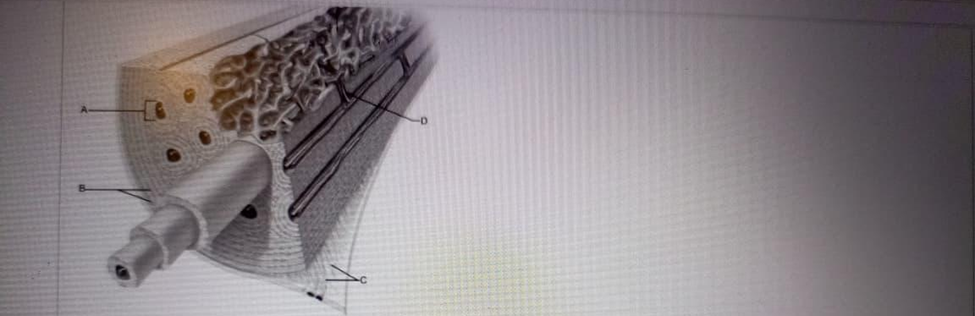
Use the diagram above to answer the following questions.
Identify the letter that indicates the cardia of the stomach.
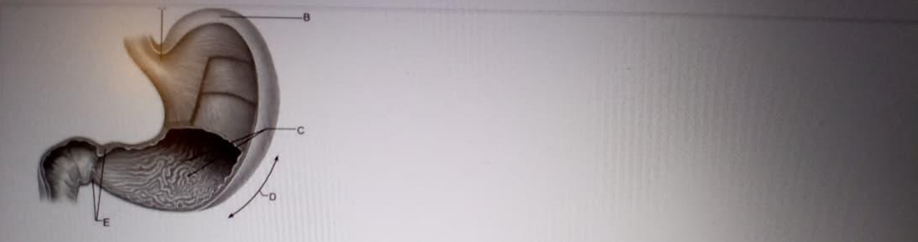
Use the diagram above to answer the following questions.
Which letter indicates the integument layer that corresponds to leather hides from an animal?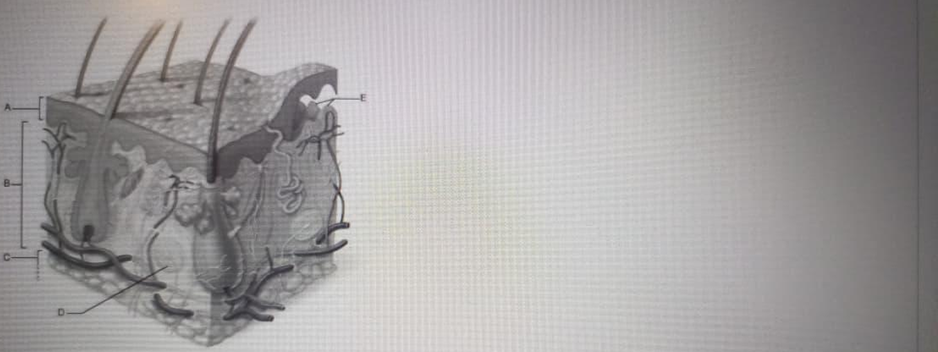
The atomic number of carbon is 6. How many unpaired electrons are in its outer shell?
Use the diagram above to answer the following questions.
Identify the letter that indicates the aortic arch.

Anatomically speaking, which bones compose the wrist?
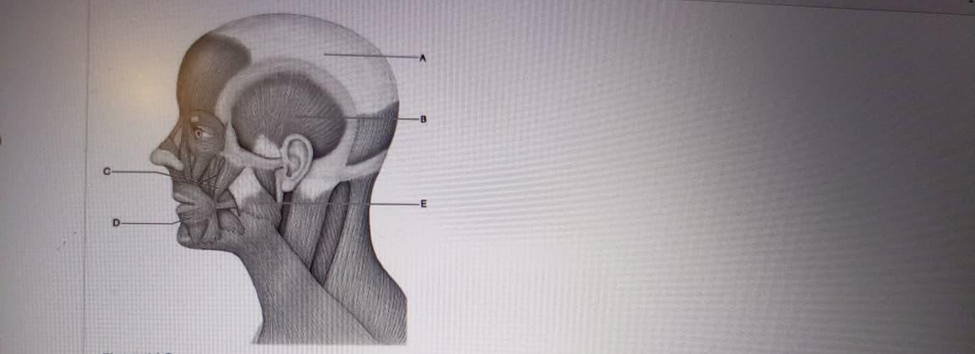
Use the diagram above to answer the following questions.
Identify the letter that indicates the Epicranial aponeurosis.
During their residence in the thymus, pre-T cells develop into cells that proliferate as rapidly as any
Explanation
A. Cytotoxic T cells: Cytotoxic T cells are fully differentiated effector cells that destroy infected or malignant cells. They arise after maturation and selection processes in the thymus are complete. They do not represent the rapidly proliferating immature cells within the thymus.
B. Antigen-presenting cells: Antigen-presenting cells such as dendritic cells and macrophages process and present antigens to lymphocytes. They are not derived from pre-T cells and do not undergo thymic proliferation. Their function is immunologic signaling rather than rapid cellular expansion.
C. Thymocytes: Pre-T cells entering the thymus differentiate into thymocytes, which undergo intense proliferation during early T-cell development. These cells divide rapidly as they progress through selection stages that determine survival and lineage commitment. This high proliferative capacity supports generation of a diverse T-cell repertoire.
D. Memory T cells: Memory T cells are long-lived cells formed after antigen exposure in peripheral tissues. They are designed for longevity and rapid response upon re-exposure rather than rapid proliferation during development. They are not part of thymic maturation.
The function of surfactant is to:
Sign Up or Login to view all the 99 Questions on this Exam
Join over 100,000+ nursing students using Naxlex’s science-backend flashcards, practice tests and expert solutions to improve their grades and reach their goals.
Sign Up Now