
Which of the following classes of medication decreases heart rate, contractility, and blood pressure, and is used to increase survival rates in post-myocardial infarction patients?
ACE inhibitors
Vasodilators
Beta blockers
Diuretics
The Correct Answer is C
A. ACE inhibitors primarily affect blood pressure and heart remodeling but do not directly decrease heart rate or contractility.
B. Vasodilators mainly lower blood pressure by expanding blood vessels and do not primarily affect heart rate or contractility.
C. Beta blockers decrease heart rate, contractility, and blood pressure, and are specifically used to improve survival after a heart attack by reducing the heart's workload and oxygen demand.
D. Diuretics primarily reduce blood pressure by decreasing blood volume but do not directly decrease heart rate or contractility.
Nursing Test Bank
Naxlex Comprehensive Predictor Exams
Related Questions
Correct Answer is ["B","C","D"]
Explanation
A. While medication may be necessary for some individuals with high lipid levels, lifestyle modifications should be attempted first.
B. Smoking cessation can help improve lipid profiles and overall cardiovascular health.
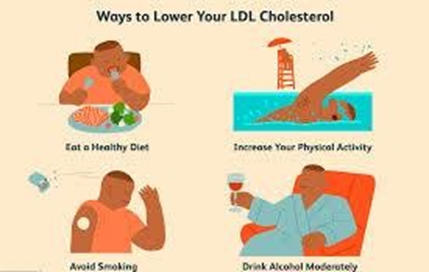
C. Increased exercise can help lower lipid levels and improve cardiovascular health.
D. Restricting dietary cholesterol can help lower blood lipid levels.
E. Unsaturated fats, particularly monounsaturated and polyunsaturated fats, are actually beneficial for heart health and should not be restricted.
Correct Answer is B
Explanation
A. Slow heart rate and difficulty standing are not typical symptoms of angina.
B. Chest pain that occurs on physical exertion or emotional stress is the classic symptom of angina, caused by reduced blood flow to the heart muscle.
C. Sudden weakness with a severe headache could suggest other medical issues such as a stroke, not angina.
D. Difficulty breathing and increased temperature are not specific to angina and could indicate other health problems like infection or respiratory issues.
Whether you are a student looking to ace your exams or a practicing nurse seeking to enhance your expertise , our nursing education contents will empower you with the confidence and competence to make a difference in the lives of patients and become a respected leader in the healthcare field.
Visit Naxlex, invest in your future and unlock endless possibilities with our unparalleled nursing education contents today