
The mother of an 8-year-old client who is receiving methylphenidate (Ritalin) tells the nurse the child has not slept well since being started on this drug. Which assessment question is a priority for this client?
“Do you give the medication with food?"
"What time do you give your child the medication?"
"Does your child have sleep apnea?"
"Is your child having problems at school?
The Correct Answer is B
A. Giving methylphenidate with food may help alleviate gastrointestinal side effects but is not directly related to sleep disturbances.
B. The timing of medication administration, particularly if methylphenidate is being given too late in the day, can contribute to sleep disturbances.
C. Sleep apnea is a significant concern but is not directly related to the child's sleep disturbances since starting methylphenidate.
D. While school performance may be impacted by sleep disturbances, addressing the timing of medication administration is more directly relevant to the child's sleep issues.
Nursing Test Bank
Naxlex Comprehensive Predictor Exams
Related Questions
Correct Answer is D
Explanation
A. Eggs are not typically restricted while taking phenelzine (Nardil).
B. Onions are not typically restricted while taking phenelzine (Nardil).
C. Apples are not typically restricted while taking phenelzine (Nardil).
D. Aged cheeses contain tyramine, which can interact with monoamine oxidase inhibitors like phenelzine (Nardil) and potentially lead to hypertensive crisis.
Correct Answer is ["A","B","C"]
Explanation
A. Impulsiveness is a common symptom of ADHD, where children may act without thinking about the consequences.
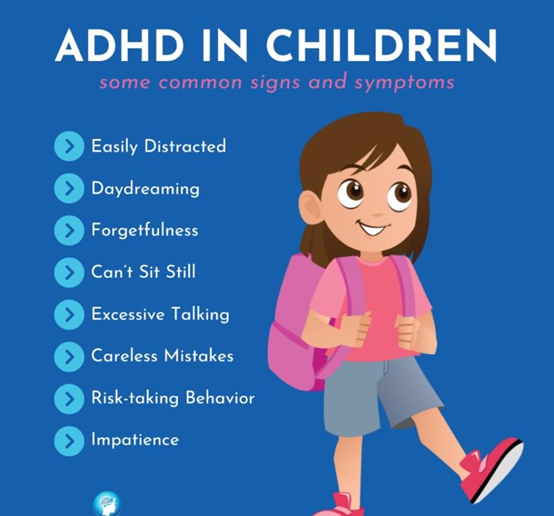
B. Being easily distracted is another hallmark symptom of ADHD, where children may have difficulty sustaining attention on tasks or activities.
C. Excessive talking or difficulty remaining seated are also common symptoms of ADHD, reflecting hyperactive or impulsive behavior.
D. Violent behavior is not typically a primary symptom of ADHD and may suggest other behavioral or emotional issues.
Whether you are a student looking to ace your exams or a practicing nurse seeking to enhance your expertise , our nursing education contents will empower you with the confidence and competence to make a difference in the lives of patients and become a respected leader in the healthcare field.
Visit Naxlex, invest in your future and unlock endless possibilities with our unparalleled nursing education contents today