
In the treatment of angina, the mechanism of action of an organic nitrate is:
Increased contractility and heart rate.
Slowed heart rate and decreased contractility of the heart.
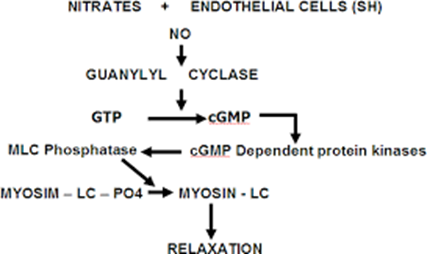
Relaxation of arterial and venous smooth muscle.
Increased peripheral resistance.
The Correct Answer is C
A. Organic nitrates do not increase contractility and heart rate; they typically decrease myocardial oxygen demand.
B. Organic nitrates do not slow heart rate or decrease contractility of the heart.
C. The mechanism of action of organic nitrates in the treatment of angina is the relaxation of arterial and venous smooth muscle, leading to vasodilation and decreased myocardial oxygen demand.
D. Organic nitrates do not increase peripheral resistance; they typically cause vasodilation.
Nursing Test Bank
Naxlex Comprehensive Predictor Exams
Related Questions
Correct Answer is ["B","C","D"]
Explanation
A. While medication may be necessary for some individuals with high lipid levels, lifestyle modifications should be attempted first.
B. Smoking cessation can help improve lipid profiles and overall cardiovascular health.
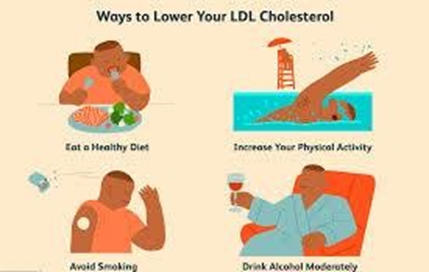
C. Increased exercise can help lower lipid levels and improve cardiovascular health.
D. Restricting dietary cholesterol can help lower blood lipid levels.
E. Unsaturated fats, particularly monounsaturated and polyunsaturated fats, are actually beneficial for heart health and should not be restricted.
Correct Answer is B
Explanation
Explanation:
A. There is no evidence in the scenario to suggest that Ms. Garcia developed unstable angina.
B. Exposure to light, particularly sunlight, can degrade nitroglycerin, reducing its effectiveness over time.
C. There is no indication that Ms. Garcia developed tolerance to sublingual nitroglycerin in this scenario.
D. Ms. Garcia's storage method for the nitroglycerin tablets, not the interval or duration of administration, likely affected their effectiveness.
Whether you are a student looking to ace your exams or a practicing nurse seeking to enhance your expertise , our nursing education contents will empower you with the confidence and competence to make a difference in the lives of patients and become a respected leader in the healthcare field.
Visit Naxlex, invest in your future and unlock endless possibilities with our unparalleled nursing education contents today