
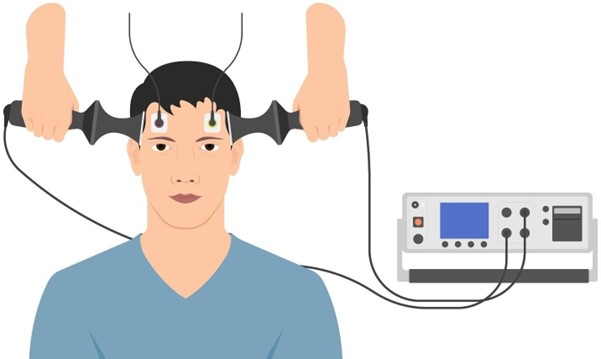
When assessing a client immediately following electroconvulsive therapy (ECT), the nurse expects what side effect in a client?
Confusion
Long-term memory impairment
Full of energy
Numbness and tingling in the extremities
The Correct Answer is A
A) Correct. Confusion is a common side effect following ECT. It is usually temporary and gradually resolves.
B) Incorrect. Long-term memory impairment is a potential side effect of ECT, but it is not immediate and is more of a concern with repeated sessions.
C) Incorrect. Feeling full of energy would not be an expected immediate side effect of ECT.
D) Incorrect. Numbness and tingling in the extremities are not typically associated with ECT.
Nursing Test Bank
Naxlex Comprehensive Predictor Exams
Related Questions
Correct Answer is C
Explanation
A. Encouraging descriptions of perceived failures may further exacerbate the client's poor self- esteem and is not a therapeutic intervention.
B. While setting limits is important in managing behavior, it may not directly address the underlying issue of poor self-esteem.
C. Providing activities that can be accomplished can help boost the client's confidence and self- esteem.
D. Teaching aggressive communication skills is not appropriate and may contribute to further negative self-perception.
Correct Answer is B
Explanation
A) Incorrect. While understanding if the client is experiencing a relapse is important, knowing the timing of the last drink is crucial for assessing the level of intoxication.
B) Correct. Knowing the time of the last drink helps the nurse gauge the current level of alcohol in the client's system, which is crucial in assessing and managing alcohol intoxication.
C) Incorrect. While understanding the duration of the client's problem with alcohol is important, it is not the most immediate concern when the client is showing symptoms of intoxication.
D) Incorrect. Asking about liver problems is relevant but not the first priority when the client is exhibiting signs of alcohol intoxication.
Whether you are a student looking to ace your exams or a practicing nurse seeking to enhance your expertise , our nursing education contents will empower you with the confidence and competence to make a difference in the lives of patients and become a respected leader in the healthcare field.
Visit Naxlex, invest in your future and unlock endless possibilities with our unparalleled nursing education contents today