
While conducting an admission interview with a client, the nurse suspects the client may be in alcohol withdrawal. Which screening tool can help the nurse identify the severity of withdrawal symptoms?
MAST
CAGE
CIWA
DMSE
The Correct Answer is C
A. The Michigan Alcohol Screening Test (MAST) is a tool used to screen for alcohol abuse or dependence, but it does not specifically assess withdrawal symptoms.
B. The CAGE questionnaire is used to screen for alcohol abuse, but it does not assess withdrawal symptoms.
C. The Clinical Institute Withdrawal Assessment for Alcohol (CIWA) is a validated tool used to assess the severity of alcohol withdrawal symptoms. It includes various criteria such as agitation, tremor, and hallucinations.
D. The Delirium Rating Scale (DMSE) is used to assess the severity of delirium, which can be caused by various factors including alcohol withdrawal, but it is not specific to alcohol withdrawal.
Nursing Test Bank
Naxlex Comprehensive Predictor Exams
Related Questions
Correct Answer is A
Explanation
A. Increase your fluid and fiber intake to prevent constipation – Risperidone, an atypical antipsychotic, can cause constipation due to its anticholinergic effects. Increasing fluid and fiber intake can help prevent this.
B. Have your blood pressure checked frequently for hypertension – Risperidone is more commonly associated with orthostatic hypotension, not hypertension.
C. Expect to have your blood checked weekly for serum electrolyte imbalances – Unlike clozapine, risperidone does not require frequent blood monitoring for electrolyte imbalances.
D. Increase caloric intake to prevent weight loss – Risperidone is more likely to cause weight gain rather than weight loss, so increasing caloric intake is unnecessary.
Correct Answer is A
Explanation
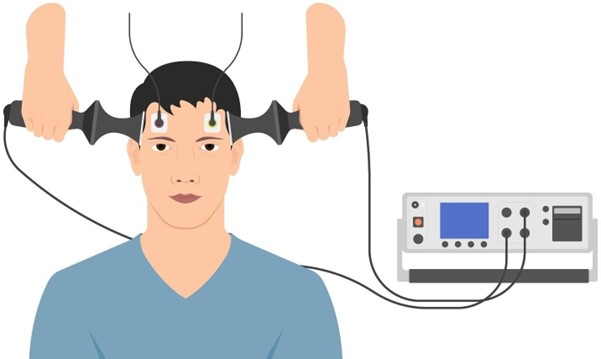
A) Correct. Confusion is a common side effect following ECT. It is usually temporary and gradually resolves.
B) Incorrect. Long-term memory impairment is a potential side effect of ECT, but it is not immediate and is more of a concern with repeated sessions.
C) Incorrect. Feeling full of energy would not be an expected immediate side effect of ECT.
D) Incorrect. Numbness and tingling in the extremities are not typically associated with ECT.
Whether you are a student looking to ace your exams or a practicing nurse seeking to enhance your expertise , our nursing education contents will empower you with the confidence and competence to make a difference in the lives of patients and become a respected leader in the healthcare field.
Visit Naxlex, invest in your future and unlock endless possibilities with our unparalleled nursing education contents today