
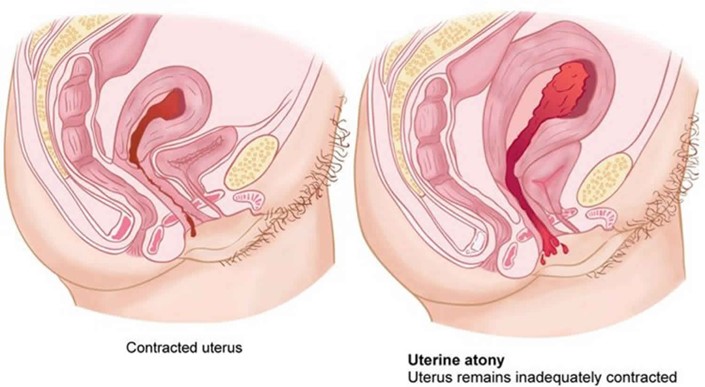
The practical nurse (PN) is caring for a client who delivered 6 hours ago. Assessment findings reveal a boggy uterus that is displaced above and to the right of the umbilicus. Which action should the PN take?
Encourage voiding.
Monitor vital signs.
Notify healthcare provider.
Inspect the perineal pad.
The Correct Answer is A
If the practical nurse (PN) is caring for a client who delivered 6 hours ago and assessment findings reveal a boggy uterus that is displaced above and to the right of the umbilicus, the PN should encourage the client to void. A full bladder can displace the uterus and prevent it from contracting properly, leading to a boggy uterus. Encouraging the client to void can help empty the bladder and allow the uterus to contract and return to its normal position. The other actions listed may also be appropriate in some situations, but encouraging voiding is the most appropriate action in this situation.
Nursing Test Bank
Naxlex Comprehensive Predictor Exams
Related Questions
Correct Answer is A
Explanation
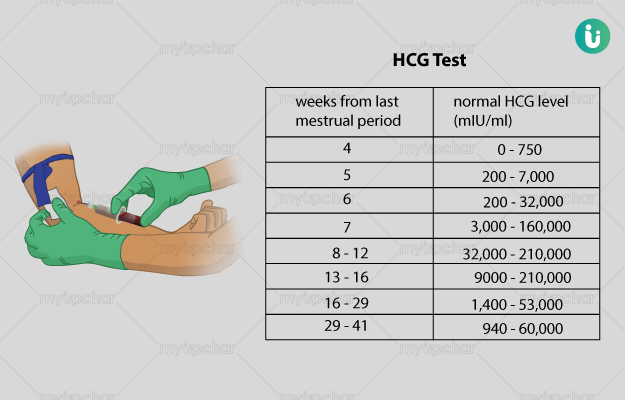
The first action the PN should take is to check the client's serum human chorionic gonadotropin (hCG) level. This hormone is produced by the placenta and can provide important information about the viability of the pregnancy.
Option B, verifying the date of the last menstrual cycle, can provide useful information about the gestational age of the pregnancy but is not the first priority.
Option C, repeating a urine pregnancy test, can confirm the presence of a pregnancy but does not provide information about its viability.
Option D, inquiring about the last occurrence of intercourse, is not relevant to addressing the client's immediate concern of vaginal bleeding.
Correct Answer is B
Explanation
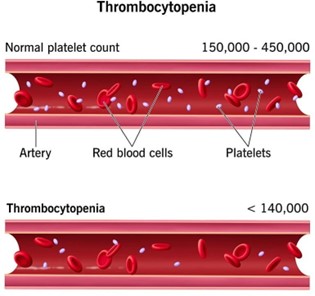
Acute leukemia can cause thrombocytopenia, which is a decrease in the number of platelets in the blood. Platelets are essential for blood clotting, and a low platelet count can result in heavy menstrual bleeding. Therefore, reviewing the client's platelet count is the priority in response to the client's statement. The other laboratory data may also be important to assess, but platelet count is the most relevant in this situation.
Whether you are a student looking to ace your exams or a practicing nurse seeking to enhance your expertise , our nursing education contents will empower you with the confidence and competence to make a difference in the lives of patients and become a respected leader in the healthcare field.
Visit Naxlex, invest in your future and unlock endless possibilities with our unparalleled nursing education contents today