
The parents of a child with acute glomerulonephritis are describing to the practical nurse (PN) what originally motivated them to seek medical care. Which sign did the child most likely exhibit?
Hematuria.
Weight loss.
Polydipsia.
A sore throat.
The Correct Answer is A
A. Hematuria is the classic clinical hallmark of acute glomerulonephritis that typically prompts parents to seek medical consultation. The presence of red blood cells in the urine often results in a "cola-colored" or smoky appearance due to the leakage of erythrocytes through the inflamed glomerular basement membrane. This visual change is sudden and alarming to caregivers, serving as a primary reason for acute healthcare visits.
B. Weight loss is an unlikely finding in the initial presentation of acute glomerulonephritis. Instead, these children typically experience rapid weight gain and edema due to sodium and water retention caused by a decreased glomerular filtration rate. The clinical manifestation of fluid overload, including periorbital edema and hypertension, is much more characteristic of the acute inflammatory phase than any nutritional or fluid deficit.
C. Polydipsia, or excessive thirst, is not a typical symptom of acute glomerulonephritis and is more commonly associated with diabetes mellitus or diabetes insipidus. In glomerulonephritis, the renal system is struggling to filter and excrete fluid, often leading to oliguria rather than the polyuria that drives thirst. Consequently, parents would be more likely to report a decrease in urinary frequency and volume rather than increased intake.
D. A sore throat is a precursor to post-streptococcal glomerulonephritis but is usually no longer present by the time the renal symptoms manifest. The typical latency period between a Group A beta-hemolytic streptococcal infection and the onset of kidney inflammation is approximately 1 to 3 weeks. While the history of a sore throat is diagnostically significant, the active renal symptoms like hematuria are what usually motivate the immediate visit.
Nursing Test Bank
Naxlex Comprehensive Predictor Exams
Related Questions
Correct Answer is B
Explanation
This finding may indicate a potential cardiac issue that needs immediate medical atention. Projectile vomiting and excessive hunger in a young infant may be signs of pyloric stenosis, a condition in which the muscle between the stomach and small intestine thickens, making it difficult for food to pass through.
Hyperactive gastric sounds may be present with vomiting, but it is not an immediate concern.
Crying without tears may be a sign of dehydration, but it is not an immediate concern.
Underweight for age is a concern but it is not a finding that requires immediate intervention.

Correct Answer is D
Explanation
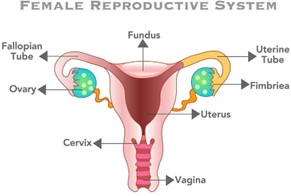
The practical nurse (PN) should first massage the fundus and expel retained lochia and clots to help the uterus contract and prevent postpartum hemorrhage.
Taking the vital signs and opening the IV infusion rate of oxytocin (A) may be necessary but not as urgent as massaging the fundus.
Notifying the registered nurse (RN) that the client's bladder is distended (B) is not relevant to addressing the client's boggy and displaced fundus.
Putting the infant to breast to suckle and stimulate oxytocin secretion (C) is a valid intervention, but it is not the first priority when the client's fundus becomes boggy and displaced above the umbilicus.
Whether you are a student looking to ace your exams or a practicing nurse seeking to enhance your expertise , our nursing education contents will empower you with the confidence and competence to make a difference in the lives of patients and become a respected leader in the healthcare field.
Visit Naxlex, invest in your future and unlock endless possibilities with our unparalleled nursing education contents today