
The practical nurse (PN) and unlicensed assistive personnel (UAP) enter a client's room and find the client lying on the bed. The PN determines that the client is unresponsive. Which instruction should the PN give the UAP first?
Obtain emergency help.
Feel for a carotid pulse.
Bring a glucometer to the room.
Check the blood pressure.
The Correct Answer is A
A. Obtain emergency help. - This is the most urgent action as the client is unresponsive, and getting emergency assistance is crucial to providing immediate care.
B. Feel for a carotid pulse. - While assessing the pulse is important, if the client is unresponsive, the first step is to get emergency assistance.
C. Bring a glucometer to the room. - This action might be relevant for assessing specific conditions, but in this scenario, the priority is to seek immediate emergency assistance.
D. Check the blood pressure. - Assessing blood pressure is important, but in the case of an unresponsive client, seeking emergency help takes precedence for immediate assistance and care.
Nursing Test Bank
Naxlex Comprehensive Predictor Exams
Related Questions
Correct Answer is B
No explanation
Correct Answer is D
Explanation
- An 18-year-old client with a mild mental disability is a client who has a lower than average intellectual functioning and some limitations in adaptive skills, such as communication, socialization, and self-care. A mild mental disability may affect the client's ability to understand, cope, or cooperate with medical interventions, such as ambulation after surgery.
- Ambulation is the act of walking or moving around. It is an important part of postoperative care, as it helps to prevent complications such as deep vein thrombosis, pulmonary embolism, pneumonia, atelectasis, constipation, and pressure ulcers. Ambulation also promotes circulation, wound healing, and muscle strength.
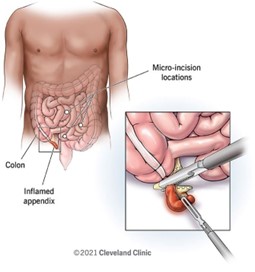
- When the practical nurse (PN) attempts to assist the client to ambulate on the first postoperative day after an appendectomy, the client becomes angry and says, "PN, 'Get out of here! I'll get up when I'm ready!" This may indicate that the client is experiencing pain, fear, anxiety, or frustration due to the surgery and the recovery process.
- The best response for the PN to make is to acknowledge the client's feelings, provide reassurance and support, and set a clear and realistic goal for ambulation. This will help to establish rapport, reduce resistance, and motivate the client to participate in the care plan.
- Therefore, option D is the correct answer, as it shows empathy and respect for the client's feelings, while also informing the client of the expectation and time frame for ambulation. Option D also allows the client some time to prepare mentally and physically for the activity.
Options A, B, and C are incorrect answers, as they do not address the client's emotional needs or demonstrate effective communication skills.
Option A is incorrect because it uses a threatening tone and does not acknowledge the client's feelings.
Option B is incorrect because it assumes that the client feels angry about the pain of ambulation, which may not be true or helpful.
Option C is incorrect because it appeals to authority and does not explain the rationale or benefits of ambulation.
Whether you are a student looking to ace your exams or a practicing nurse seeking to enhance your expertise , our nursing education contents will empower you with the confidence and competence to make a difference in the lives of patients and become a respected leader in the healthcare field.
Visit Naxlex, invest in your future and unlock endless possibilities with our unparalleled nursing education contents today