
The nurse is checking the blood glucose of a client and has a reading of 48. The client is not easily awakened and only responds with a groan. What will the nurse administer to raise the blood glucose level?
Orange juice.
Glucagon.
Cortisone.
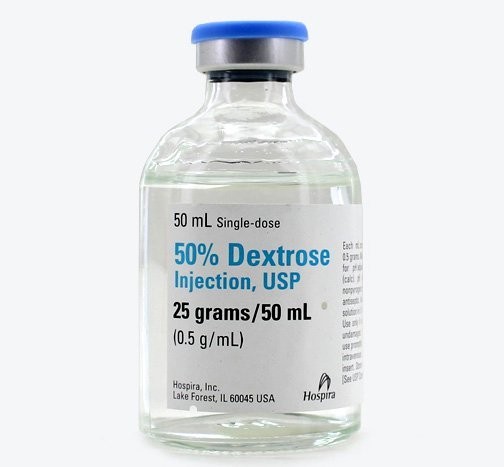
Intravenous dextrose solution.
The Correct Answer is D
A blood glucose reading of 48 is considered low and requires immediate intervention to raise the client's blood sugar. Intravenous dextrose solution is the fastest way to raise blood sugar levels in an unconscious client. Glucagon and cortisone can also be used to raise blood sugar levels, but they are not the first-line treatment for hypoglycemia.
Choice A, orange juice, is not appropriate for an unconscious client as they cannot swallow or drink.
Nursing Test Bank
Naxlex Comprehensive Predictor Exams
Related Questions
Correct Answer is A
Explanation
Reduced tensile strength. A history of dislocations of the same joint may be due to an insufficient deposit of collagen during the healing process. Collagen is a protein that provides tensile strength to connective tissues such as tendons and ligaments. Reduced tensile strength may result in instability and dislocation of joints.
Option B: Loss of function is not a correct answer as it is a general term and can occur due to various reasons such as damage to muscles or nerves.
Option C: Lack of mobility is not a correct answer as it is similar to loss of function and does not explain the history of dislocations.
Option D: Allergic reaction is not a correct answer as it is not related to dislocations of joints.
Correct Answer is A
Explanation
Palpate gently without repeated attempts. Palpating the thyroid gland can stimulate the release of thyroid hormone, which can result in a thyroid storm, a potentially life-threatening condition characterized by a rapid heart rate, fever, and high blood pressure. Therefore, the nurse should be careful not to overstimulate the thyroid gland.
Not palpating the thyroid and just listening for a bruit (B) is not a sufficient assessment of the thyroid gland. Palpating the gland firmly in order to feel it for enlargement (C) can be too stimulating and increase the risk of thyroid hormone release. Continuing to palpate the gland until it is felt for enlargement (D) is not necessary and may result in overstimulation of the gland.
Whether you are a student looking to ace your exams or a practicing nurse seeking to enhance your expertise , our nursing education contents will empower you with the confidence and competence to make a difference in the lives of patients and become a respected leader in the healthcare field.
Visit Naxlex, invest in your future and unlock endless possibilities with our unparalleled nursing education contents today