
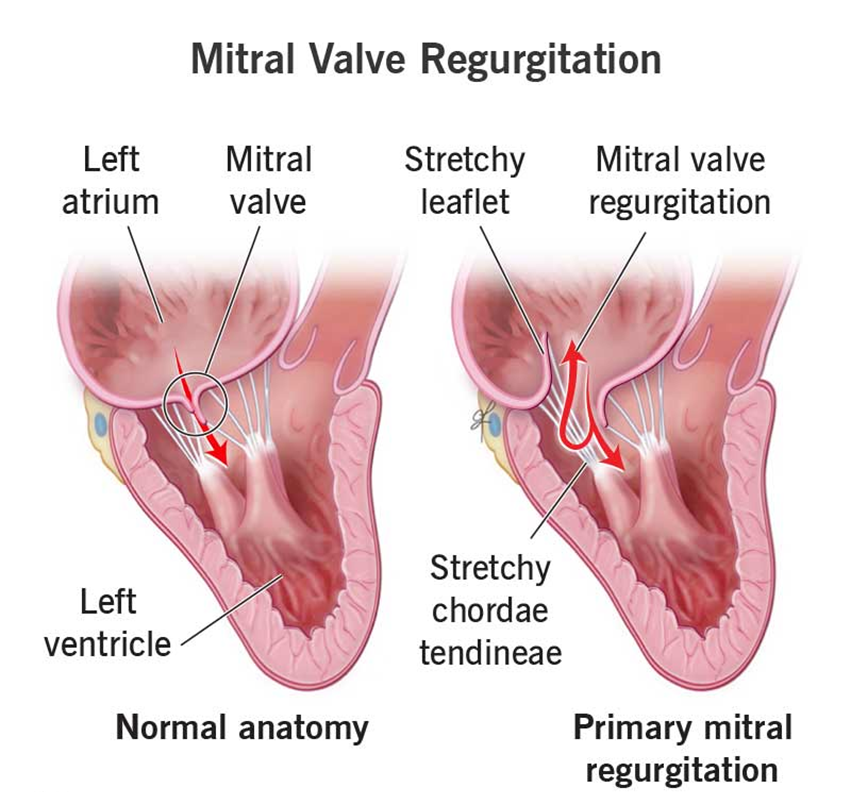
James, the ICU nurse, is assessing a client with mitral valve insufficiency. Which of the following findings should the nurse expect?
Neck vein distention
Splenomegaly
Petechiae
S4 heart sound
Correct Answer : A,D
Choice A Reason:
Neck vein distention is a common finding in patients with mitral valve insufficiency. This condition leads to increased pressure in the left atrium, which can back up into the pulmonary veins and subsequently the right side of the heart, causing jugular venous distention.
Choice B Reason:
Splenomegaly is not typically associated with mitral valve insufficiency. It is more commonly seen in conditions like liver disease, hematologic disorders, and infections. Mitral valve insufficiency primarily affects the heart and lungs rather than the spleen.
Choice C Reason:
Petechiae are small, red or purple spots caused by bleeding into the skin. They are not a common finding in mitral valve insufficiency. Petechiae are more often associated with conditions that affect platelet function or coagulation, such as thrombocytopenia or vasculitis.
Choice D Reason:
An S4 heart sound, also known as an atrial gallop, can be heard in patients with mitral valve insufficiency. This sound occurs due to the atria contracting forcefully to overcome a stiff or hypertrophic ventricle, which is often a result of chronic pressure overload from the regurgitant flow.
Nursing Test Bank
Naxlex Comprehensive Predictor Exams
Related Questions
Correct Answer is B
Explanation
Choice A Reason:
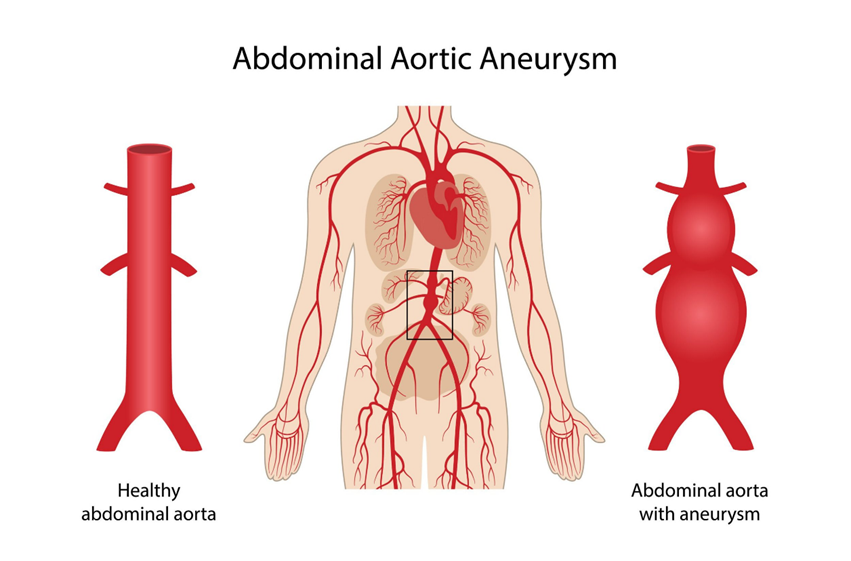
Core temperature is important to monitor in many clinical situations, but it is not the primary concern for a client with an abdominal aortic aneurysm. While fever can indicate infection, which is a potential complication, it is not directly related to the immediate risks associated with AAA.
Choice B Reason:
Blood pressure is the most critical vital sign to monitor in a client with an abdominal aortic aneurysm. Elevated blood pressure can increase the risk of aneurysm rupture, which is a life-threatening emergency. Maintaining blood pressure within a safe range is essential to prevent complications and ensure the stability of the aneurysm.
Choice C Reason:
Pulse rate is also important to monitor, but it is not as directly indicative of the risk of aneurysm rupture as blood pressure. While changes in pulse rate can signal cardiovascular stress or other issues, blood pressure provides more direct information about the forces acting on the aneurysm.
Choice D Reason:
Respiratory rate is a vital sign that can indicate respiratory distress or other systemic issues, but it is not the primary concern in the context of an abdominal aortic aneurysm. Blood pressure remains the most critical parameter to monitor to prevent rupture and manage the condition effectively.
Correct Answer is A
Explanation
Choice A Reason:
Urine output is one of the most reliable indicators of adequate fluid resuscitation in burn patients. The goal is to maintain a urine output of 0.5 to 1 mL/kg/hour in adults³. This parameter is crucial because it directly reflects renal perfusion and, by extension, overall circulatory volume status. When fluid resuscitation is adequate, the kidneys receive enough blood flow to produce urine at this rate, indicating that the body's tissues are being adequately perfused. Monitoring urine output is a non-invasive and straightforward method, making it a preferred choice in clinical settings.
Choice B Reason:
Heart rate can be an indicator of fluid status, but it is less reliable than urine output. Tachycardia (an increased heart rate) can occur due to pain, anxiety, or other stressors, not just fluid deficit. While a decreasing heart rate might suggest improving fluid status, it is not a definitive indicator on its own. Other factors must be considered in conjunction with heart rate to assess fluid resuscitation adequacy.
Choice C Reason:
Blood pressure is another parameter used to assess fluid status, but it can be influenced by many factors, including the patient's baseline blood pressure, medications, and the presence of other medical conditions. While maintaining adequate blood pressure is important, it is not as sensitive or specific as urine output for assessing fluid resuscitation in burn patients. Blood pressure can remain within normal ranges even when fluid resuscitation is inadequate, especially in the early stages.
Choice D Reason:
Mental status can be affected by fluid status, but it is a late indicator of inadequate perfusion. Changes in mental status, such as confusion or decreased level of consciousness, can occur when there is significant hypoperfusion and shock. By the time mental status changes are observed, the patient may already be in a critical state. Therefore, it is not a primary indicator for assessing fluid resuscitation adequacy.
Choice E Reason:
Capillary refill time is a quick and simple test to assess peripheral perfusion. However, it is not as reliable as urine output for evaluating overall fluid status. Capillary refill can be affected by ambient temperature, lighting conditions, and the examiner's technique. While a prolonged capillary refill time can indicate poor perfusion, it is not as specific or sensitive as urine output for assessing fluid resuscitation adequacy.
Whether you are a student looking to ace your exams or a practicing nurse seeking to enhance your expertise , our nursing education contents will empower you with the confidence and competence to make a difference in the lives of patients and become a respected leader in the healthcare field.
Visit Naxlex, invest in your future and unlock endless possibilities with our unparalleled nursing education contents today