
Dopamine 3 mcg/kg/min. The client weighs 176 pounds. The drug is available as 500 mg in 250 mL. Round your answer.
The Correct Answer is ["7.2"]
Step-by-Step Calculation:
Step 1: Convert the client's weight from pounds to kilograms.
176 lbs ÷ 2.2 = 80 kg
Result = 80 kg
Step 2: Calculate the total dose of dopamine in mcg/min.
3 mcg/kg/min × 80 kg = 240 mcg/min
Result = 240 mcg/min
Step 3: Convert the total dose from mcg/min to mg/min.
240 mcg/min ÷ 1000 = 0.24 mg/min
Result = 0.24 mg/min
Step 4: Determine the concentration of dopamine in mg/mL.
500 mg ÷ 250 mL = 2 mg/mL
Result = 2 mg/mL
Step 5: Calculate the infusion rate in mL/min.
0.24 mg/min ÷ 2 mg/mL = 0.12 mL/min
Result = 0.12 mL/min
Step 6: Convert the infusion rate to mL/hr.
0.12 mL/min × 60 min/hr = 7.2 mL/hr
Result = 7.2 mL/hr
Final Result:
The IV pump should be set to 7.2 mL/hr.
Nursing Test Bank
Naxlex Comprehensive Predictor Exams
Related Questions
Correct Answer is ["30"]
Explanation
Step-by-Step Calculation:
Step 1: Convert 2 gm to mg.
2 gm × 1000 = 2000 mg
Step 2: Determine the concentration of Lidocaine in mg/mL.
2000 mg ÷ 500 mL = 4 mg/mL
Step 3: Calculate the infusion rate in mL/min.
2 mg/min ÷ 4 mg/mL = 0.5 mL/min
Step 4: Convert the infusion rate to mL/hr.
0.5 mL/min × 60 min/hr = 30 mL/hr
Result: The Lidocaine drip should be infused at 30 mL/hr.
Correct Answer is B
Explanation
Choice A Reason:
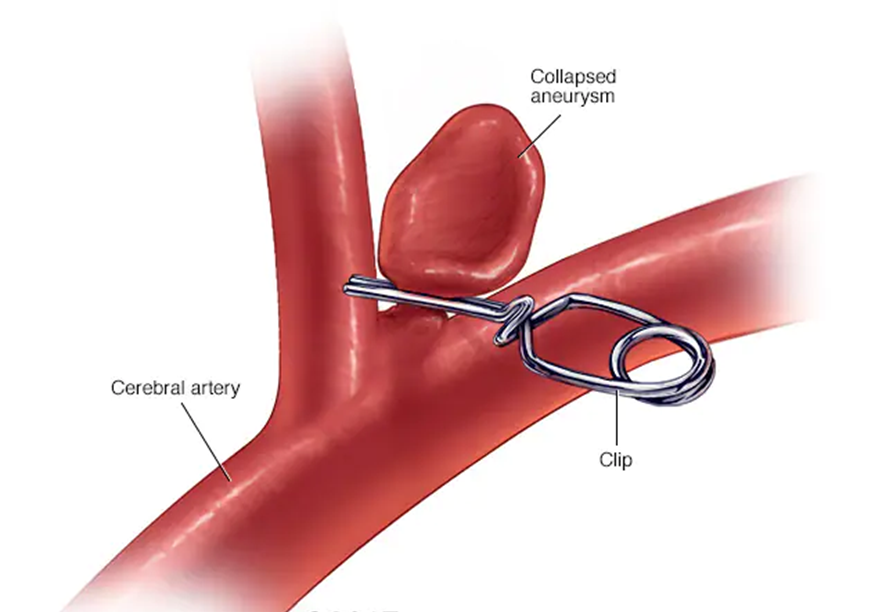
Improved blood flow to surrounding tissues is generally a desired outcome of treating an aneurysm, not a complication. When an aneurysm is successfully treated, the goal is to restore normal blood flow and prevent the aneurysm from rupturing. Improved blood flow indicates that the treatment was effective and that the risk of complications has been minimized.
Choice B Reason:
Rupture leading to severe internal bleeding is a significant potential complication of a treated aneurysm. Even after treatment, there is a risk that the aneurysm could rupture, especially if the treatment was not entirely successful or if the aneurysm was particularly large or complex. A rupture can lead to life-threatening internal bleeding and requires immediate medical attention. This is why ongoing monitoring and follow-up care are crucial for patients who have had an aneurysm treated.
Choice C Reason:
Decreased risk of blood clot formation is another desired outcome rather than a complication. Treating an aneurysm often involves measures to prevent blood clots, such as using anticoagulant medications. A successful treatment should reduce the risk of clot formation, which can otherwise lead to complications like stroke or embolism.
Choice D Reason:
Reduced risk of infection is also a desired outcome of aneurysm treatment. Infection can be a complication of any surgical procedure, including those used to treat aneurysms. However, with proper surgical techniques and post-operative care, the risk of infection can be minimized. Therefore, a reduced risk of infection is not a complication but rather an indication of successful treatment and good medical practice.
Whether you are a student looking to ace your exams or a practicing nurse seeking to enhance your expertise , our nursing education contents will empower you with the confidence and competence to make a difference in the lives of patients and become a respected leader in the healthcare field.
Visit Naxlex, invest in your future and unlock endless possibilities with our unparalleled nursing education contents today