
What is the purpose of a hemodynamic monitoring system?
To monitor the client's respiratory status and oxygen saturation
To evaluate the client's renal function and electrolyte balance
To monitor the client's neurological status and intracranial pressure
To measure and assess the client's cardiovascular status and function
The Correct Answer is D
Choice A Reason:
Monitoring the client's respiratory status and oxygen saturation is important but not the primary purpose of a hemodynamic monitoring system. Hemodynamic monitoring focuses on the cardiovascular system, including parameters like cardiac output, stroke volume, and systemic vascular resistance.
Choice B Reason:
Evaluating the client's renal function and electrolyte balance is crucial in overall patient care but is not the main focus of hemodynamic monitoring. Hemodynamic monitoring systems are designed to assess cardiovascular function rather than renal function.
Choice C Reason:
Monitoring the client's neurological status and intracranial pressure is essential in certain clinical situations, such as traumatic brain injury. However, this is not the primary purpose of hemodynamic monitoring, which is centered on cardiovascular assessment.
Choice D Reason:
The primary purpose of a hemodynamic monitoring system is to measure and assess the client's cardiovascular status and function. This includes monitoring parameters such as blood pressure, cardiac output, and tissue perfusion to ensure adequate organ perfusion and guide treatment decisions.
Nursing Test Bank
Naxlex Comprehensive Predictor Exams
Related Questions
Correct Answer is C
Explanation
Choice A Reason:
Suctioning the nose is not the first action to take. Suctioning can increase intracranial pressure and potentially cause further injury. It is important to first determine the nature of the drainage before taking any invasive actions.
Choice B Reason:
Notifying the physician is important, but it should be done after confirming the nature of the drainage. Testing the fluid for glucose can help determine if it is cerebrospinal fluid (CSF), which would indicate a serious complication requiring immediate medical attention.
Choice C Reason:
Testing the drainage for glucose is the correct first action. CSF contains glucose, so a positive test would confirm that the clear fluid is CSF. This is a critical step in diagnosing a CSF leak, which can occur with basal skull fractures and requires prompt intervention to prevent infection and other complications.
Choice D Reason:
Asking the client to blow their nose is contraindicated. Blowing the nose can increase intracranial pressure and exacerbate a CSF leak. It is important to avoid any actions that could worsen the condition until the nature of the drainage is confirmed.
Correct Answer is C
Explanation
Choice A: Palpitations
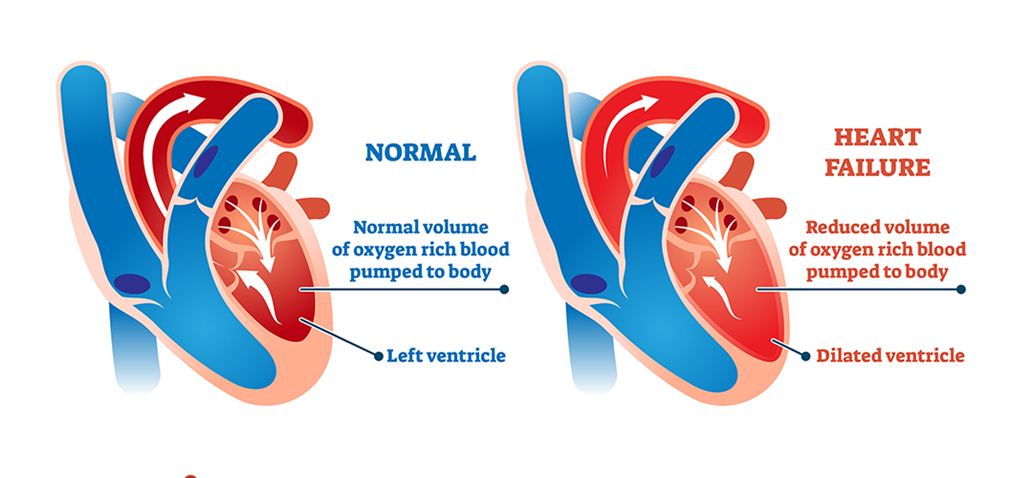
Palpitations, or the sensation of a rapid or irregular heartbeat, can occur in various heart conditions, including left heart failure. However, they are not the most common or specific symptom of left heart failure. Palpitations can be caused by arrhythmias, anxiety, or other cardiac issues. In the context of left heart failure, the heart's inability to pump blood effectively leads to fluid buildup in the lungs, causing shortness of breath, which is a more direct and common manifestation.
Choice B: Peripheral edema
Peripheral edema, or swelling in the legs and ankles, is more commonly associated with right-sided heart failure. In right-sided heart failure, the heart's right ventricle fails to pump blood efficiently, leading to fluid accumulation in the body's extremities. While peripheral edema can occur in left heart failure, it is not as common as shortness of breath. Left heart failure primarily affects the lungs, leading to pulmonary congestion and shortness of breath.
Choice C: Shortness of breath
Shortness of breath, or dyspnea, is the hallmark symptom of left heart failure. When the left side of the heart fails to pump blood effectively, blood backs up into the pulmonary veins, causing fluid to leak into the lungs. This results in pulmonary congestion and difficulty breathing. Patients with left heart failure often experience shortness of breath during physical activity, while lying down (orthopnea), or waking up at night (paroxysmal nocturnal dyspnea). This symptom is a direct consequence of the heart's reduced ability to manage blood flow and is a key indicator of left heart failure.
Choice D: Chest pain
Chest pain can be a symptom of various cardiac conditions, including coronary artery disease, myocardial infarction (heart attack), and angina. While chest pain can occur in heart failure, it is not the most common manifestation of left heart failure. The primary issue in left heart failure is the heart's inability to pump blood effectively, leading to fluid buildup in the lungs and shortness of breath. Chest pain is more typically associated with ischemic heart conditions rather than heart failure itself.
Whether you are a student looking to ace your exams or a practicing nurse seeking to enhance your expertise , our nursing education contents will empower you with the confidence and competence to make a difference in the lives of patients and become a respected leader in the healthcare field.
Visit Naxlex, invest in your future and unlock endless possibilities with our unparalleled nursing education contents today