
Which of the following factors directly affects stroke volume?
Blood pressure
Preload
Afterload
Heart rate
The Correct Answer is B
Choice A Reason:
Blood pressure itself does not directly affect stroke volume. However, it can influence afterload, which in turn affects stroke volume. Blood pressure is the force exerted by circulating blood on the walls of blood vessels, and while it is related to cardiac function, it is not a direct determinant of stroke volume.
Choice B Reason:
Preload directly affects stroke volume. Preload refers to the degree of stretch of the cardiac muscle fibers at the end of diastole, just before contraction. It is influenced by the volume of blood returning to the heart (venous return). According to the Frank-Starling law, an increase in preload leads to an increase in stroke volume due to the enhanced force of contraction.
Choice C Reason:
Afterload also directly affects stroke volume. Afterload is the resistance the ventricles must overcome to eject blood during systole. It is influenced by factors such as arterial blood pressure and vascular resistance. An increase in afterload can decrease stroke volume because the heart has to work harder to pump blood against the higher resistance.
Choice D Reason:
Heart rate does not directly affect stroke volume. Instead, heart rate and stroke volume together determine cardiac output (CO = HR × SV). While heart rate can influence the overall amount of blood pumped by the heart per minute, it does not directly change the volume of blood ejected with each beat.
Nursing Test Bank
Naxlex Comprehensive Predictor Exams
Related Questions
Correct Answer is ["B","C"]
Explanation
Choice A Reason:
First-degree heart block is a condition where the electrical signals in the heart are delayed but still reach the ventricles. It is generally considered benign and does not typically lead to heart failure. It is often asymptomatic and discovered incidentally on an ECG.
Choice B Reason:
Atrial fibrillation (AFib) is a common arrhythmia associated with heart failure. AFib causes the atria to beat irregularly and often rapidly, which can lead to poor blood flow and increased risk of stroke. In heart failure patients, AFib can exacerbate symptoms and worsen the prognosis due to the loss of atrial contraction and irregular ventricular response.
Choice C Reason:
Ventricular tachycardia (VT) is a serious arrhythmia that is often associated with heart failure. VT originates in the ventricles and can lead to hemodynamic instability and sudden cardiac death if not treated promptly. It is a common complication in patients with heart failure and cardiomyopathy.
Choice D Reason:
Sinus bradycardia is a slower than normal heart rate, typically less than 60 beats per minute. While it can occur in healthy individuals, especially athletes, it is not specifically associated with heart failure. In some cases, severe bradycardia can lead to symptoms of heart failure, but it is not a primary arrhythmia linked to the condition.
Correct Answer is A
Explanation
Choice A Reason:
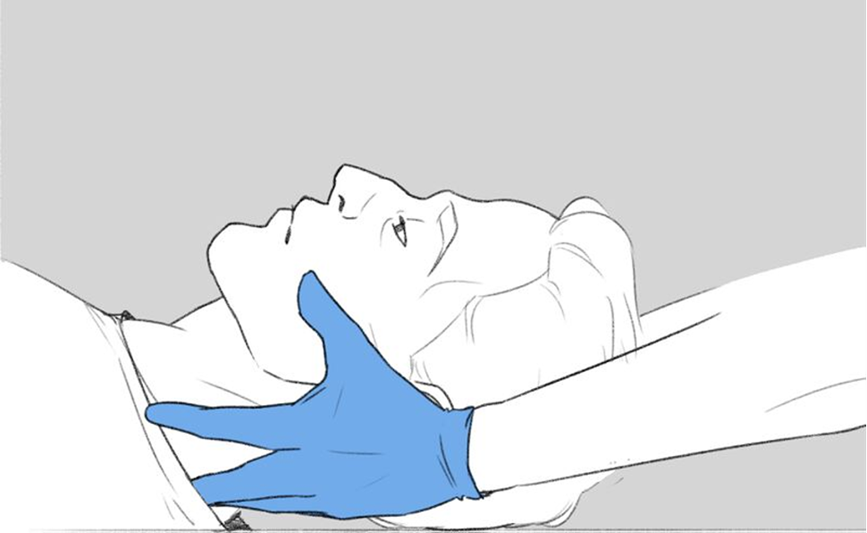
Maintaining the cervical collar in place is crucial for a client with a spinal cord injury at the level of C3-4. This action prevents further damage to the spinal cord by immobilizing the neck and maintaining proper alignment. Any movement could exacerbate the injury, potentially leading to more severe neurological deficits or even paralysis.
Choice B Reason:
Asking the client if they remember any events around the time of the injury is not the priority in this situation. While obtaining a history is important, it should not take precedence over stabilizing the spinal cord to prevent further injury. The primary focus should be on ensuring the client's safety and preventing additional harm.
Choice C Reason:
Explaining to the client that they will never be able to walk again is inappropriate and premature. The prognosis for spinal cord injuries can vary widely, and it is essential to provide accurate information based on a thorough assessment and consultation with specialists. Additionally, delivering such news requires sensitivity and should be done in a supportive manner.
Choice D Reason:
Notifying the client's parents that they are in the ED is important for family communication and support. However, it is not the immediate priority. The primary focus should be on stabilizing the client's condition and preventing further injury. Once the client is stabilized, the nurse can then inform the family.
Whether you are a student looking to ace your exams or a practicing nurse seeking to enhance your expertise , our nursing education contents will empower you with the confidence and competence to make a difference in the lives of patients and become a respected leader in the healthcare field.
Visit Naxlex, invest in your future and unlock endless possibilities with our unparalleled nursing education contents today