
A nurse is teaching a client who has celiac disease about gluten-free foods. Which of the following foods should the nurse recommend?
Tapioca
Barley
Cold cuts
Flavored chips
The Correct Answer is A
Choice A reason: Tapioca is a gluten-free food that can be recommended for a client who has celiac disease. Tapioca is a starch extracted from the cassava root, which is a tuber plant. Tapioca can be used to make puddings, breads, flours, and pearls.
Choice B reason: Barley is not a gluten-free food that can be recommended for a client who has celiac disease. Barley is a cereal grain that contains gluten, which is a protein that can trigger an immune response and damage the small intestine in people who have celiac disease. Barley should be avoided or replaced with gluten-free grains, such as rice, quinoa, or buckwheat.
Choice C reason: Cold cuts are not gluten-free foods that can be recommended for a client who has celiac disease. Cold cuts are sliced meats that are often processed and cured with additives, such as fillers, binders, and preservatives, that may contain gluten. Cold cuts should be avoided or checked for gluten-free labels before consuming.
Choice D reason: Flavored chips are not gluten-free foods that can be recommended for a client who has celiac disease. Flavored chips are snack foods that are often made from potatoes, corn, or rice, which are gluten-free ingredients, but they may also contain seasonings, spices, and sauces that may contain gluten. Flavored chips should be avoided or checked for gluten-free labels before consuming.

Nursing Test Bank
Naxlex Comprehensive Predictor Exams
Related Questions
Correct Answer is D
Explanation
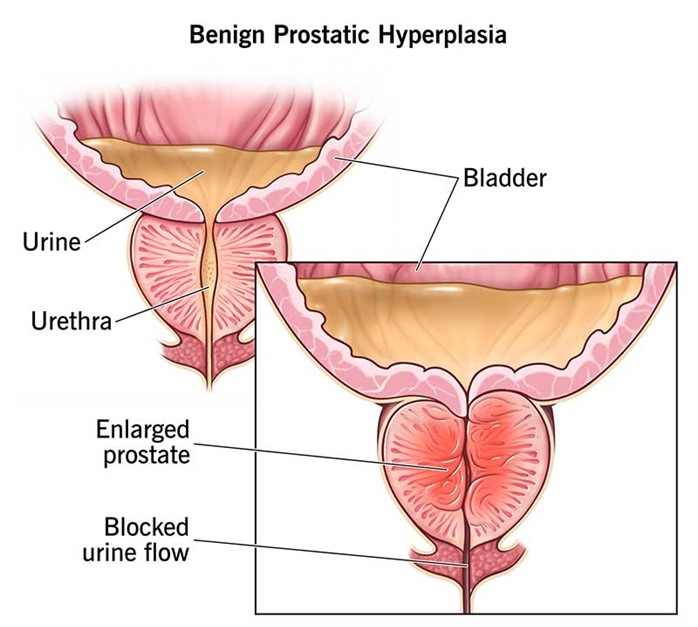
Choice A reason: The client's creatinine level of 1.0 mg/dL is within the normal range, but it does not indicate that the treatment for benign prostatic hyperplasia has been effective. Creatinine is a waste product of muscle metabolism that is filtered by the kidneys and excreted in urine. It reflects the kidney function, not the prostate condition.
Choice B reason: The client's urine output of 35 mL/hr is below the normal range, which is 40 to 60 mL/hr. This indicates that the client may have dehydration, kidney impairment, or urinary retention, which are complications of benign prostatic hyperplasia. A low urine output does not indicate that the treatment has been effective.
Choice C reason: The client's stool color and consistency are not related to the treatment for benign prostatic hyperplasia. Stool characteristics depend on various factors, such as diet, medication, and bowel function. A soft, brown stool does not indicate that the treatment has been effective.
Choice D reason: The client's ability to urinate without straining is a sign that the treatment for benign prostatic hyperplasia has been effective. Benign prostatic hyperplasia is a condition in which the prostate gland enlarges and compresses the urethra, causing difficulty in urination. A treatment that reduces the size of the prostate or relaxes the bladder neck muscles can improve the urine flow and reduce the straining.
Correct Answer is D
Explanation
Choice A reason: The client's creatinine level of 1.0 mg/dL is within the normal range (0.6-1.2), but it does not indicate the effectiveness of the treatment for benign prostatic hyperplasia. Creatinine is a waste product of muscle metabolism that is filtered by the kidneys. High creatinine levels can indicate kidney damage or impaired renal function.
Choice B reason: The client's urine output of 35 mL/hr is below the normal range (40-60), and it indicates the need for further assessment. Low urine output can indicate dehydration, urinary retention, or kidney failure.
Choice C reason: The client's stool consistency and color are not related to the treatment for benign prostatic hyperplasia. Soft, brown stool is normal and does not indicate any problem with the digestive system.
Choice D reason: The client's ability to urinate without straining indicates that the treatment for benign prostatic hyperplasia has been effective. Benign prostatic hyperplasia is a condition in which the prostate gland enlarges and compresses the urethra, causing difficulty in urination. Treatment options include medication, surgery, or minimally invasive procedures to reduce the size of the prostate and relieve urinary obstruction.
Whether you are a student looking to ace your exams or a practicing nurse seeking to enhance your expertise , our nursing education contents will empower you with the confidence and competence to make a difference in the lives of patients and become a respected leader in the healthcare field.
Visit Naxlex, invest in your future and unlock endless possibilities with our unparalleled nursing education contents today