
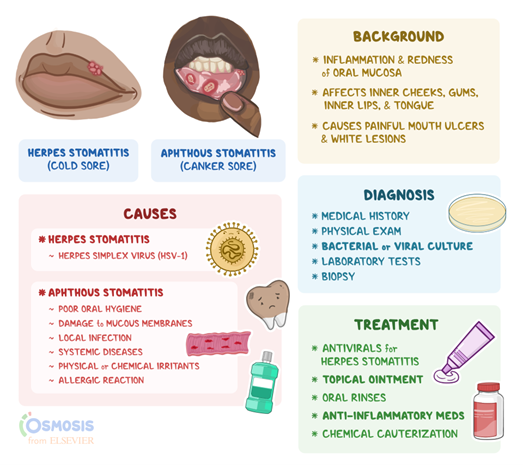
A nurse is caring for a client who has stomatitis following radiation therapy. Which of the following interventions is appropriate for the nurse to take?
Offer the client frozen banana as a snack.
Serve the client hot meals.
Avoid serving sauces or gravies.
Discourage the use of a straw.
The Correct Answer is A
Choice A reason: Offering the client frozen banana as a snack is an appropriate intervention for the nurse to take because it can help soothe and cool the inflamed mucous membranes in the mouth and throat, which are caused by stomatitis. Stomatitis is an inflammation of the oral cavity that can result from radiation therapy or chemotherapy. Frozen banana also provides potassium, vitamin C, and fiber for the client.
Choice B reason: Serving the client hot meals is not an appropriate intervention for the nurse to take because it can worsen nausea and vomiting. Hot meals are aromatic, spicy, and greasy, which are characteristics of emetic foods. Hot meals can also irritate the stomach lining and trigger the gag reflex.
Choice C reason: Avoiding serving sauces or gravies is not an appropriate intervention for the nurse to take because it can cause dehydration and malnutrition. Sauces and gravies are liquid, mild, and moist, which are characteristics of antiemetic foods. Sauces and gravies can also enhance the flavor and texture of bland foods and provide calories and nutrients for the client.
Choice D reason: Discouraging the use of a straw is not an appropriate intervention for the nurse to take because it can prevent adequate fluid intake and hydration. Using a straw can help the client sip small amounts of clear liquids, such as water, ginger ale, or broth, which are antiemetic fluids. Using a straw can also reduce the exposure to odors and tastes that may cause nausea.
Nursing Test Bank
Naxlex Comprehensive Predictor Exams
Related Questions
Correct Answer is B
Explanation
Choice A reason: Consume ten percent of total calories from saturated fat is not a correct instruction for the DASH diet. The DASH diet recommends limiting saturated fat intake to less than six percent of total calories, as saturated fat can raise blood cholesterol and increase the risk of heart disease.
Choice B reason: Consume foods that are high in calcium is a correct instruction for the DASH diet. The DASH diet emphasizes eating foods that are rich in calcium, such as low-fat dairy products, leafy green vegetables, and fortified cereals. Calcium helps regulate blood pressure and prevent osteoporosis.
Choice C reason: Increase intake of refined carbohydrates is not a correct instruction for the DASH diet. The DASH diet advises reducing intake of refined carbohydrates, such as white bread, white rice, and sweets. Refined carbohydrates can increase blood sugar and insulin levels and contribute to obesity and diabetes.
Choice D reason: Limit sodium intake to 3,200 milligrams per day is not a correct instruction for the DASH diet. The DASH diet recommends limiting sodium intake to less than 2,300 milligrams per day, or even lower to 1,500 milligrams per day for some people. Sodium can increase blood pressure and fluid retention and damage the kidneys and blood vessels.
Correct Answer is A
Explanation
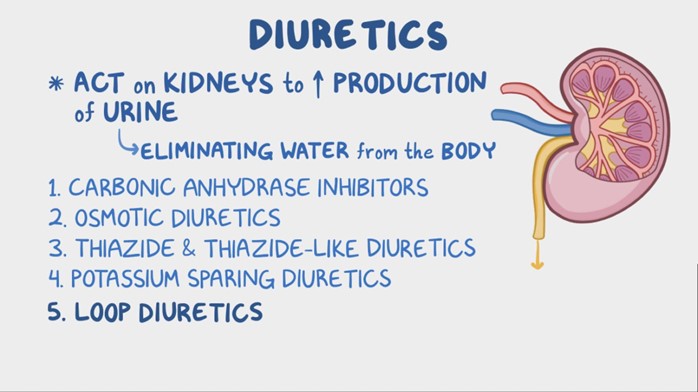
Choice A reason: Navy beans and ham are good sources of potassium, which can help prevent hypokalemia, a common side effect of some diuretics. Hypokalemia can cause muscle weakness, cramps, fatigue, and cardiac arrhythmias.
Choice B reason: Cheddar cheese is high in sodium, which can cause fluid retention and increase blood pressure. Sodium intake should be limited when taking diuretics, as they can also cause hyponatremia, a condition of low sodium levels in the blood.
Choice C reason: Beef broth is also high in sodium, which can have the same effects as cheddar cheese. In addition, beef broth is high in purines, which can increase uric acid levels and cause gout, another possible side effect of some diuretics.
Choice D reason: Baked potato is high in carbohydrates, which can raise blood glucose levels and worsen diabetes, a risk factor for hypertension. Some diuretics can also cause hyperglycemia, a condition of high blood glucose levels in the blood.
Whether you are a student looking to ace your exams or a practicing nurse seeking to enhance your expertise , our nursing education contents will empower you with the confidence and competence to make a difference in the lives of patients and become a respected leader in the healthcare field.
Visit Naxlex, invest in your future and unlock endless possibilities with our unparalleled nursing education contents today