
A nurse is administering continuous enteral feedings for a client through a percutaneous esophageal gastrostomy (PEG) tube. Which of the following actions should the nurse take?
Check gastric residuals every 8 hr.
Return gastric contents if residual is less than 250 mL.
Measure the pH of gastric residual every 24 hr.
Flush the tube with 15 mL of water every 4 hr.
The Correct Answer is D
Choice A reason: Checking gastric residuals every 8 hr is not frequent enough, as it can miss signs of delayed gastric emptying, which can cause aspiration, nausea, vomiting, or abdominal distension. Gastric residuals should be checked every 4 hr.
Choice B reason: Returning gastric contents if residual is less than 250 mL is not advisable, as it can increase the risk of infection, contamination, or electrolyte imbalance. Gastric contents should be discarded if residual is more than 100 mL.
Choice C reason: Measuring the pH of gastric residual every 24 hr is not necessary, as it does not reflect the effectiveness or tolerance of the feeding. The pH of gastric residual should be checked before each feeding or every 6 to 8 hr to confirm tube placement and prevent misconnection.
Choice D reason: Flushing the tube with 15 mL of water every 4 hr is a correct action, as it can prevent clogging, maintain patency, and clear the tube of formula residue. Water should also be used to flush the tube before and after each medication administration.
Nursing Test Bank
Naxlex Comprehensive Predictor Exams
Related Questions
Correct Answer is D
Explanation
Choice A reason: Hemoglobin 16 g/dL is within the normal range for adults and does not indicate an adverse effect of TPN.
Choice B reason: Temperature 36.1°C (97°F) is normal and does not indicate an infection or inflammation, which are possible complications of TPN.
Choice C reason: Blood glucose 98 mg/dL is normal and does not indicate hyperglycemia or hypoglycemia, which are common problems associated with TPN.
Choice D reason: Weight gain of 1.5 kg (3 lB. per day is excessive and indicates fluid overload, which can result from too rapid or too high infusion of TPN. Fluid overload can cause edema, hypertension, heart failure, and pulmonary congestion.
Correct Answer is C
Explanation
Choice A reason: Thawing frozen meat on the counter is not a good practice for food poisoning prevention because it can allow bacteria to grow rapidly on the surface of the meat. Thawing frozen meat should be done in the refrigerator, in cold water, or in the microwave.
Choice B reason: Reusing leftover marinade as sauce is not a good practice for food poisoning prevention because it can contaminate cooked food with raw meat juices that may contain bacteria. Leftover marinade should be discarded or boiled for at least one minute before using as sauce.
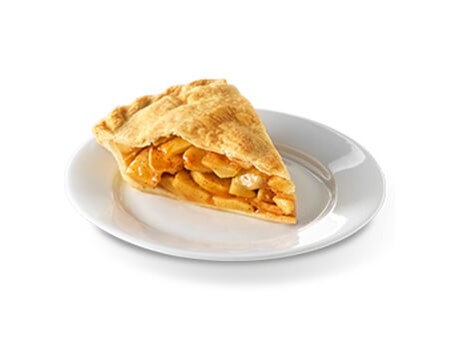
Choice C reason: Apple pie is a good choice for food poisoning prevention because it is unlikely to contain harmful bacteria or toxins. Apple pie is made from cooked apples, sugar, flour, and butter, which are low-risk ingredients for food poisoning. Apple pie should be stored in the refrigerator or freezer after cooling to prevent spoilage.
Choice D reason: Cooked rice is not a good choice for food poisoning prevention because it can harbor a bacterium called Bacillus cereus, which can produce toxins that cause vomiting and diarrhea. Cooked rice should be cooled quickly and stored in the refrigerator for no more than one day or in the freezer for longer periods. Cooked rice should be reheated thoroughly before eating.
Whether you are a student looking to ace your exams or a practicing nurse seeking to enhance your expertise , our nursing education contents will empower you with the confidence and competence to make a difference in the lives of patients and become a respected leader in the healthcare field.
Visit Naxlex, invest in your future and unlock endless possibilities with our unparalleled nursing education contents today