
A nurse is teaching a client who has gout about appropriate food choices related to dietary needs. Which of the following choices by the client demonstrates an understanding of the teaching?
“I will eat more tuna.”
“I will eat more red meat.”
“I will eat blueberries every morning.”
“I will eat bananas for a snack.”
The Correct Answer is C
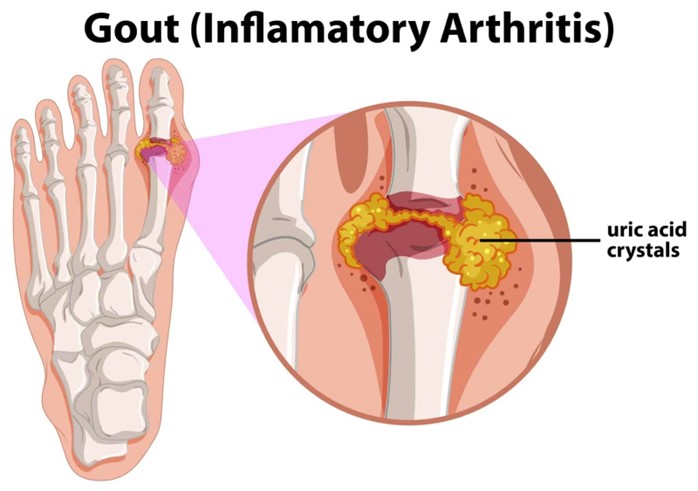
Choice A reason: Eating more tuna is not an appropriate food choice for a client who has gout because it is high in purines, which are substances that break down into uric acid in the body. Uric acid can form crystals in the joints and cause inflammation and pain, which are symptoms of gout. Tuna should be limited or avoided by clients who have gout.
Choice B reason: Eating more red meat is not an appropriate food choice for a client who has gout because it is high in purines, which are substances that break down into uric acid in the body. Uric acid can form crystals in the joints and cause inflammation and pain, which are symptoms of gout. Red meat should be limited or avoided by clients who have gout.
Choice C reason: Eating blueberries every morning is an appropriate food choice for a client who has gout because they are low in purines and high in antioxidants, which are substances that protect the cells from damage caused by free radicals. Antioxidants can help reduce inflammation and pain, which are symptoms of gout. Blueberries also provide vitamin C, fiber, and water for the client.
Choice D reason: Eating bananas for a snack is not an appropriate food choice for a client who has gout because they are high in fructose, which is a type of sugar that can increase uric acid levels in the blood. Fructose can worsen gout attacks by triggering inflammation and pain in the joints. Bananas should be limited or avoided by clients who have gout.
Nursing Test Bank
Naxlex Comprehensive Predictor Exams
Related Questions
Correct Answer is B
Explanation
Choice A reason: Creatinine 1.3 mg/dL is slightly elevated, but it does not indicate fluid volume excess. Creatinine is a waste product of muscle metabolism that is filtered by the kidneys. High creatinine levels can indicate kidney damage or impaired renal function.
Choice B reason: BNP 300 pg/mL is high and indicates fluid volume excess. BNP stands for brain natriuretic peptide, which is a hormone released by the heart when it is stretched by increased blood volume or pressure. High BNP levels can indicate heart failure or fluid overload.
Choice C reason: Potassium 3.5 mEq/L is within the normal range (3.5-5.0), and it does not indicate fluid volume excess. Potassium is an electrolyte that helps regulate nerve and muscle function, especially the heart. Low or high potassium levels can cause cardiac arrhythmias, muscle weakness, or paralysis.
Choice D reason: Sodium 140 mEq/L is within the normal range (135-145), and it does not indicate fluid volume excess. Sodium is an electrolyte that helps maintain fluid balance, blood pressure, and nerve impulses. Low or high sodium levels can cause confusion, seizures, or coma.
Correct Answer is C
Explanation
Choice Areason: Increasing phosphorus intake is not advisable for clients with chronic kidney disease, as they may have hyperphosphatemia, a condition of high phosphorus levels in the blood. Hyperphosphatemia can cause bone loss, calcification of soft tissues, and itching.
Choice Breason: Increasing potassium intake is not advisable for clients with chronic kidney disease, as they may have hyperkalemia, a condition of high potassium levels in the blood. Hyperkalemia can cause muscle weakness, numbness, tingling, and cardiac arrest.
Choice C reason: Limiting protein intake is advisable for clients with chronic kidney disease, as protein metabolism produces urea, which is excreted by the kidneys. High protein intake can increase the workload and damage of the kidneys, and cause uremia, a condition of high urea levels in the blood. Uremia can cause nausea, vomiting, fatigue, and mental confusion.
Choice D reason: Limiting calcium intake is not advisable for clients with chronic kidney disease, as they may have hypocalcemia, a condition of low calcium levels in the blood. Hypocalcemia can cause muscle spasms, seizures, and cardiac arrhythmias.
Whether you are a student looking to ace your exams or a practicing nurse seeking to enhance your expertise , our nursing education contents will empower you with the confidence and competence to make a difference in the lives of patients and become a respected leader in the healthcare field.
Visit Naxlex, invest in your future and unlock endless possibilities with our unparalleled nursing education contents today