
A nurse is providing dietary teaching to a client about sources of protein. The nurse should identify which of the following foods are complete proteins?
Gelatin
Legumes
Almonds
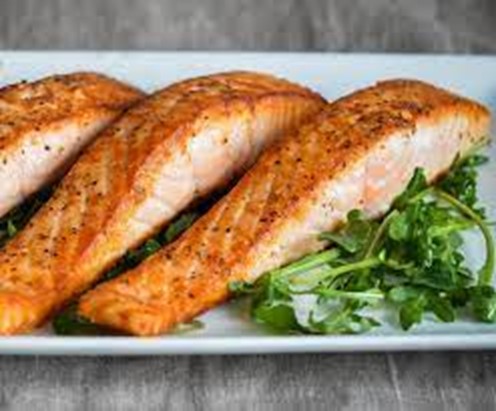
Salmon
The Correct Answer is D
Choice A reason: Gelatin is an incomplete protein, meaning it does not contain all nine essential amino acids that the body cannot synthesize.
Choice B reason: Legumes are incomplete proteins, but they can be combined with grains, nuts, seeds, or dairy products to form complete proteins.
Choice C reason: Almonds are incomplete proteins, but they can be combined with other foods to form complete proteins.
Choice D reason: Salmon is a complete protein, meaning it contains all nine essential amino acids that the body needs.
Nursing Test Bank
Naxlex Comprehensive Predictor Exams
Related Questions
Correct Answer is C
Explanation
Choice A reason: Limiting high-calorie supplements to between meals is not a good strategy for managing anorexia while receiving radiation therapy because it can reduce the appetite and intake of regular meals, which are more nutritious and balanced. High-calorie supplements should be used as an addition to, not a replacement for, regular meals.
Choice B reason: Avoiding overeating during 'good' days is not a good strategy for managing anorexia while receiving radiation therapy because it can cause discomfort, nausea, or vomiting, which can worsen anorexia and affect the tolerance of radiation therapy. Eating should be based on hunger and satiety cues, not on good or bad days.
Choice C reason: Consuming nutrition-dense foods first is a good strategy for managing anorexia while receiving radiation therapy because it can ensure adequate intake of calories, protein, vitamins, and minerals, which are essential for healing and recovery. Nutrition-dense foods are those that provide high amounts of nutrients per serving, such as eggs, cheese, nuts, beans, and meat.
Choice D reason: Eating hot foods rather than cold foods is not a good strategy for managing anorexia while receiving radiation therapy because it can irritate the mouth and throat, which may be inflamed or sore due to radiation therapy. Cold foods are more soothing and refreshing for the mouth and throat, such as ice cream, yogurt, smoothies, and popsicles.
Correct Answer is A
Explanation
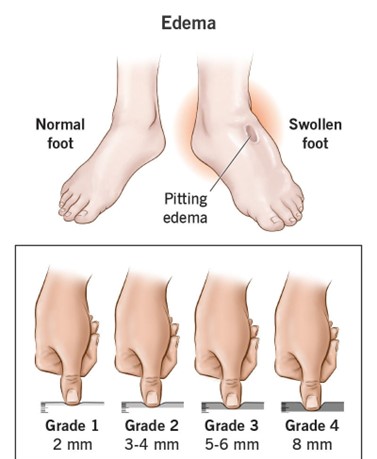
Choice A reason: Reducing the client's sodium intake is an appropriate intervention for the nurse to take because it can help prevent fluid retention and edema, which are complications of heart failure. Sodium intake should be limited to 2 g per day or less for clients who have heart failure.
Choice B reason: Restricting the client's protein intake is not an appropriate intervention for the nurse to take because it can cause malnutrition and muscle wasting, which can worsen heart failure. Protein intake should be adequate to meet the client's nutritional needs and support cardiac function. Protein intake should be about 0.8 to 1.2 g per kg of body weight per day for clients who have heart failure.
Choice C reason: Weighing the client once per week is not an appropriate intervention for the nurse to take because it can delay the detection and treatment of fluid overload, which can worsen heart failure. The client should be weighed daily at the same time and with the same scale and clothing to monitor fluid status and adjust medication dosage.
Choice D reason: Providing the client with three large meals per day is not an appropriate intervention for the nurse to take because it can increase the workload of the heart and cause dyspnea, fatigue, or chest pain, which are symptoms of heart failure. The client should be provided with small, frequent meals that are low in sodium, fat, and cholesterol to reduce cardiac stress and promote digestion.
Whether you are a student looking to ace your exams or a practicing nurse seeking to enhance your expertise , our nursing education contents will empower you with the confidence and competence to make a difference in the lives of patients and become a respected leader in the healthcare field.
Visit Naxlex, invest in your future and unlock endless possibilities with our unparalleled nursing education contents today