
A nurse is reinforcing teaching with a client who has a new Westerly syndrome. Which of the following statements by the client demonstrates an understanding of the teaching?
I can eat broccoli as a snack.
I should avoid bananas in my diet.
I can have mushrooms on my pizza.
I need to limit popcorn intake.
The Correct Answer is B
Choice A reason: Broccoli is a good source of vitamin K, which is essential for blood clotting. However, it also contains vitamin C, which can interfere with the action of warfarin, a medication used to treat Westerly syndrome. Therefore, broccoli should be consumed in moderation and with caution.
Choice B reason: Bananas are high in potassium, which can affect the heart rhythm and cause arrhythmias in people with Westerly syndrome. Therefore, bananas should be avoided or limited in the diet.
Choice C reason: Mushrooms are low in vitamin K and do not interact with warfarin. They are also a good source of protein, fiber, and antioxidants. Therefore, mushrooms can be safely consumed by people with Westerly syndrome.
Choice D reason: Popcorn is high in sodium, which can increase blood pressure and worsen the symptoms of Westerly syndrome. Therefore, popcorn intake should be limited or avoided.
Nursing Test Bank
Naxlex Comprehensive Predictor Exams
Related Questions
Correct Answer is D
Explanation
Choice A reason: Showing the client a video demonstration of peak flow meter use is a helpful teaching strategy, but it is not the first action that the nurse should take. The nurse should first assess the client's baseline knowledge and readiness to learn before providing any information or instruction.
Choice B reason: Observing the client using the peak flow meter is a way to evaluate the client's learning and skill, but it is not the first action that the nurse should take. The nurse should first determine the client's knowledge of the use of the peak flow meter and then teach the client how to use it correctly.
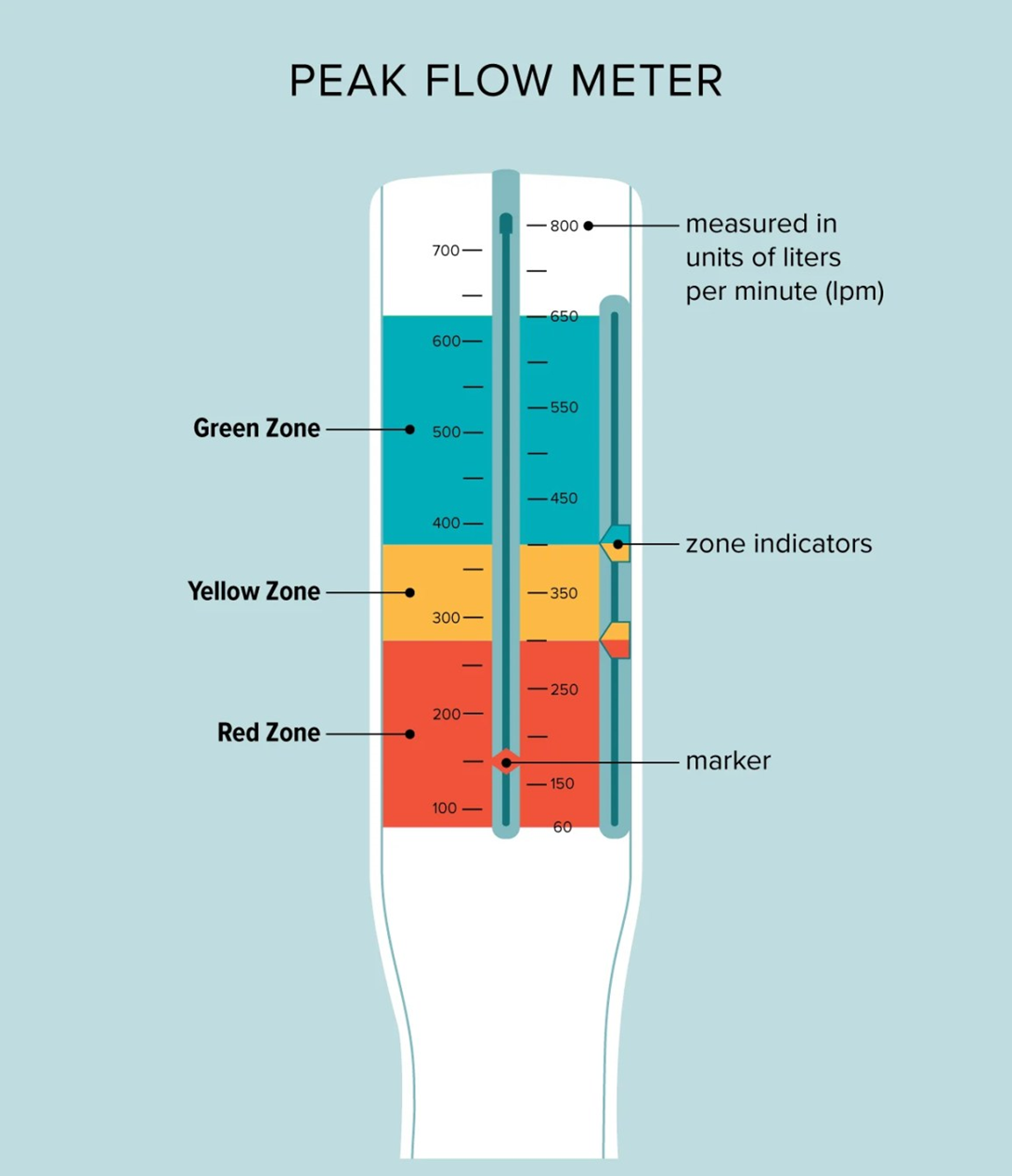
Choice C reason: Emphasizing the importance of the daily use of the peak flow meter is a way to motivate the client to adhere to the treatment plan, but it is not the first action that the nurse should take. The nurse should first assess the client's knowledge of the use of the peak flow meter and then explain the benefits and rationale of using it regularly.
Choice D reason: Determining the client's knowledge of the use of the peak flow meter is the first action that the nurse should take, as it follows the principle of the nursing process. The nurse should start with assessment, then proceed with planning, implementation, and evaluation. By assessing the client's knowledge, the nurse can identify the client's learning needs, gaps, and preferences, and tailor the teaching accordingly.
Correct Answer is C
Explanation
Choice A reason: Standing on the client's stronger side may cause the client to lean or fall toward the weaker side. The nurse should stand on the client's weaker side and support the client's trunk and affected arm.
Choice B reason: Raising the bed to waist level may make it harder for the client to move their legs over the edge of the bed. The nurse should lower the bed to the lowest position and raise the head of the bed to a sitting position.
Choice C reason: Flexing hips and knees helps the client use their stronger leg muscles and maintain balance when standing up. The nurse should also place one arm under the client's axilla and the other arm around the client's waist.
Choice D reason: Pivoting on the foot farthest from the bed may cause the client to lose balance and fall. The nurse should pivot on the foot closest to the bed and guide the client to turn and sit on the chair.
Whether you are a student looking to ace your exams or a practicing nurse seeking to enhance your expertise , our nursing education contents will empower you with the confidence and competence to make a difference in the lives of patients and become a respected leader in the healthcare field.
Visit Naxlex, invest in your future and unlock endless possibilities with our unparalleled nursing education contents today