
A nurse is reinforcing teaching with a client about how to collect a stool specimen. Which of the following instructions should the nurse include?
Urinate after the specimen collection.
Keep the specimen in a warm area.
Place 1.3 cm (0.5 in) of formed stool into a culture tube.
Avoid placing toilet tissue in the bedpan after defecation.
The Correct Answer is D
Choice A reason: This is incorrect because the client should urinate before the specimen collection to avoid contaminating the stool with urine.
Choice B reason: This is incorrect because the specimen should be kept in a cool area to prevent bacterial growth and decomposition.
Choice C reason: This is incorrect because the client should place at least 2.5 cm (1 in) of formed stool or 15 to 30 mL of liquid stool into a culture tube.
Choice D reason: This is correct because the client should avoid placing toilet tissue in the bedpan after defecation to prevent interfering with the laboratory analysis of the stool.
Nursing Test Bank
Naxlex Comprehensive Predictor Exams
Related Questions
Correct Answer is D
Explanation
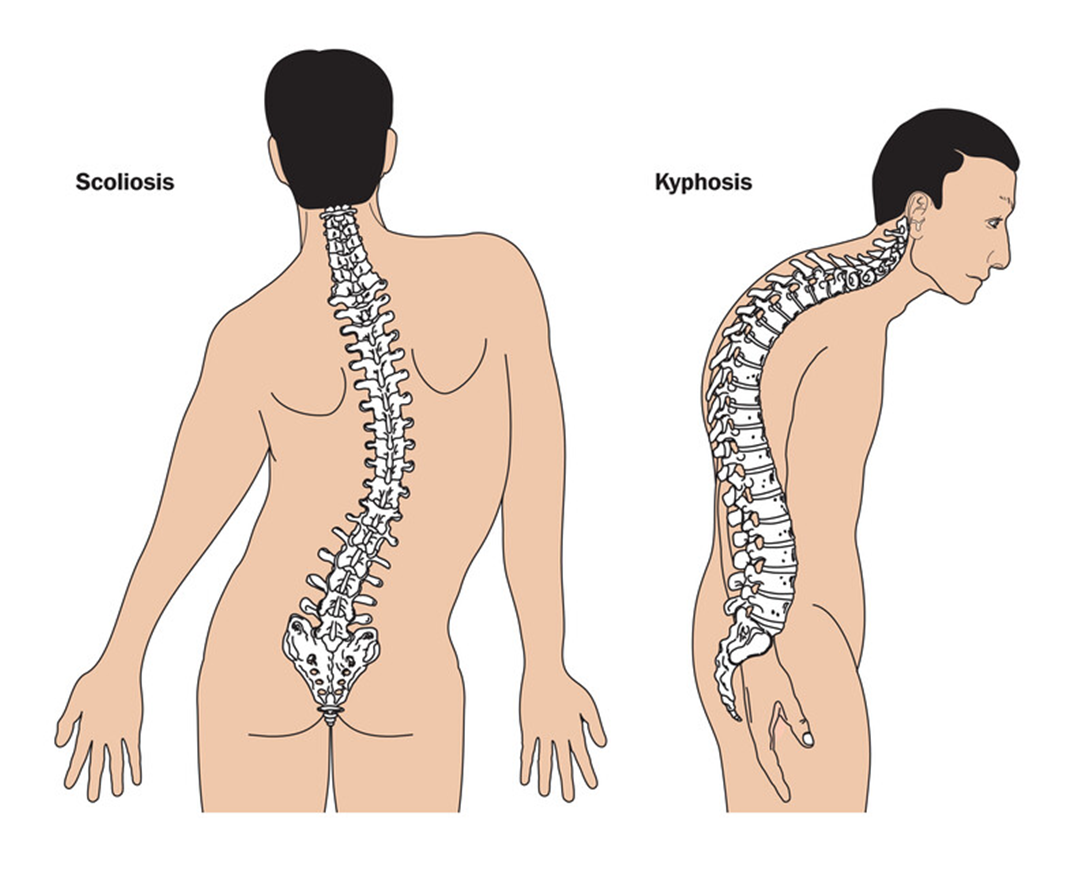
Choice A reason: Increased convex curve of the cervical spine is not an indication of scoliosis, but of kyphosis. Kyphosis is a condition that causes a forward rounding of the upper back, resulting in a hunched posture.
Choice B reason: Increased concave curve of the thoracic spine is not an indication of scoliosis, but of lordosis. Lordosis is a condition that causes an excessive inward curvature of the lower back, resulting in a swayback posture.
Choice C reason: Expansion of the upper intercostal spaces is not an indication of scoliosis, but of emphysema. Emphysema is a lung disease that causes the air sacs to become damaged and enlarged, resulting in difficulty breathing and a barrel chest.
Choice D reason: Unequal height of the shoulders is an indication of scoliosis. Scoliosis is a condition that causes a sideways curvature of the spine, resulting in an asymmetrical appearance of the shoulders, hips, and waist.
Correct Answer is A
Explanation
Choice A reason: Gloves are the first piece of personal protective equipment that the nurse should remove, as they are the most contaminated and can transfer microorganisms to other surfaces. The nurse should remove the gloves by grasping the outside of one glove at the wrist and pulling it off inside out, then holding it in the gloved hand and sliding the fingers of the ungloved hand under the other glove at the wrist and pulling it off inside out over the first glove. The nurse should then discard the gloves in a biohazard container.
Choice B reason: Goggles are the second piece of personal protective equipment that the nurse should remove, as they can protect the eyes from splashes or droplets. The nurse should remove the goggles by grasping the earpieces or headband and lifting them away from the face. The nurse should then discard the goggles in a designated receptacle or place them in a designated area for reprocessing.
Choice C reason: Gown is the third piece of personal protective equipment that the nurse should remove, as it can protect the clothing and skin from contamination. The nurse should remove the gown by untying the neck and waist ties and pulling the gown away from the neck and shoulders, touching only the inside of the gown. The nurse should then turn the gown inside out, fold or roll it into a bundle, and discard it in a biohazard container.
Choice D reason: Mask is the last piece of personal protective equipment that the nurse should remove, as it can protect the nose and mouth from inhalation of microorganisms. The nurse should remove the mask by grasping the bottom ties or elastics and then the top ties or elastics and pulling the mask away from the face. The nurse should then discard the mask in a biohazard container.
Whether you are a student looking to ace your exams or a practicing nurse seeking to enhance your expertise , our nursing education contents will empower you with the confidence and competence to make a difference in the lives of patients and become a respected leader in the healthcare field.
Visit Naxlex, invest in your future and unlock endless possibilities with our unparalleled nursing education contents today