
A nurse is providing health promotion teaching to the parents of a toddler. Which of the following information should the nurse include in the teaching? (Select all that apply.)
Need for increased caloric intake
Management of tantrums
How to establish trust
How to encourage cooperative play
Dental care
Correct Answer : B,E
A. Toddlers experience slowed growth compared to infancy, leading to a natural decrease in appetite (physiologic anorexia). Instead of increasing caloric intake, parents should be encouraged to offer nutrient-dense foods in small, frequent meals and avoid pressuring the child to eat.
B. Tantrums are common in toddlers as they begin to assert independence but struggle with emotional regulation. Parents should use strategies such as remaining calm, setting clear limits, offering choices when appropriate, and using positive reinforcement to help manage tantrums effectively.
C. Establishing trust is a key developmental task of infancy (Erikson’s trust vs. mistrust stage). In toddlerhood (autonomy vs. shame and doubt stage), the focus is on developing independence, so guidance should focus on setting boundaries, providing choices, and allowing safe exploration rather than trust-building alone.
D. Cooperative play is typically aimed at older preschoolers and not toddlers, who are still developing social skills and tend to engage in parallel play rather than cooperative play.
E. Early dental hygiene is crucial for preventing cavities and establishing good oral health habits. Parents should begin brushing their toddler's teeth with a soft toothbrush and a small amount of fluoride toothpaste and schedule the first dental visit by 12 months of age or within 6 months of the first tooth eruption.
Nursing Test Bank
Naxlex Comprehensive Predictor Exams
Related Questions
Correct Answer is A
Explanation
At this age, parallel play is common, where children engage in independent play near each other but do not actively interact or engage in cooperative play. They may observe each other, imitate each other's actions, or occasionally share toys, but they are still developing social skills and may not engage in sustained cooperative play or easily share and trade toys. Each child is likely to focus on their own activities and play with one or two preferred items, ignoring most of the other toys.
Correct Answer is D
Explanation
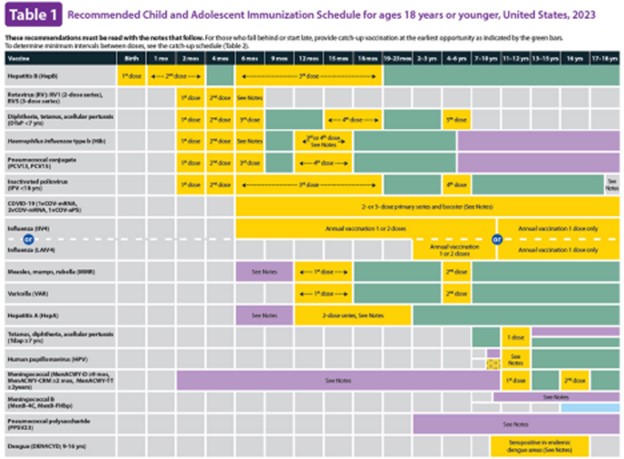
The hepatitis B vaccine is typically administered to newborns shortly after birth, usually within 24 hours.
The measles, mumps, rubella (MMR) vaccine is typically given between 12 and 15 months of age, not at 6 months.
The first dose of the diphtheria, tetanus, pertussis (DTaP) vaccine is usually given at 2 months of age, not at the 2-week visit.
The pneumococcal conjugate vaccine (PCV) is typically given in a series, starting at 2 months of age, and is completed by the age of 12-15 months. It is not given specifically on the first birthday.
Whether you are a student looking to ace your exams or a practicing nurse seeking to enhance your expertise , our nursing education contents will empower you with the confidence and competence to make a difference in the lives of patients and become a respected leader in the healthcare field.
Visit Naxlex, invest in your future and unlock endless possibilities with our unparalleled nursing education contents today