
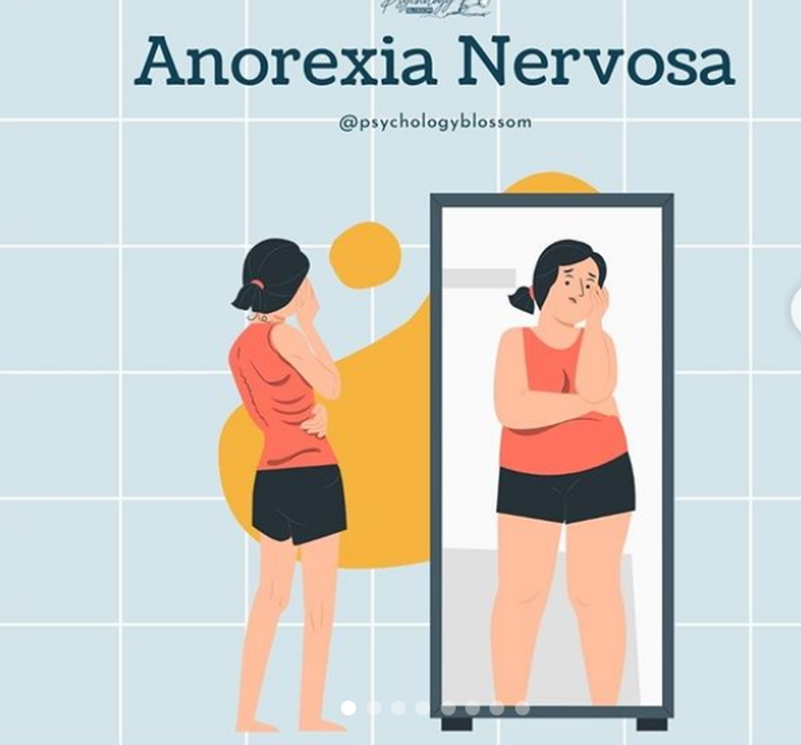
A nurse is educating the family of an adolescent client with anorexia nervosa about the issues surrounding this eating disorder. Which statement made by the parent indicates that the education is effective?
"The behavior our child exhibits, such as not eating, are ways that allow our child to feel control."
"This is a phase our child is going through, and when they get hungry enough, they will eat."
"Our child must be having some problems identifying their sexual identity, and this is how it is expressed."
"We have a codependent relationship with our child and enable the behaviors exhibited."
The Correct Answer is D
Choice A reason: This statement reflects a partial understanding of the control issues associated with anorexia but does not indicate a full understanding of the disorder's complexity or the family's role in recovery.
Choice B reason: This statement suggests a lack of understanding of anorexia nervosa, as it is not a phase but a serious mental health condition that requires professional treatment.
Choice C reason: While issues with sexual identity can be stressful, they are not typically the cause of anorexia nervosa, which is characterized by an intense fear of gaining weight and a distorted body image.
Choice D reason: Recognizing a codependent relationship and the enabling of unhealthy behaviors shows an understanding of the dynamics that can contribute to the maintenance of an eating disorder like anorexia nervosa.
Nursing Test Bank
Naxlex Comprehensive Predictor Exams
Related Questions
Correct Answer is D
Explanation
Choice A reason: Sleeping 12 hours or more each day can be a response to various stressors, but it is not a specific or expected finding in PTSD.
Choice B reason: A constant need to talk about the event may be part of the processing of trauma, but it is not an expected finding as many individuals with PTSD may avoid discussing the traumatic event.
Choice C reason: An increasing sense of attachment to others is not typically associated with PTSD, as individuals may instead experience detachment or estrangement from others.
Choice D reason: Increasing feelings of anger are common in individuals with PTSD as they may have difficulty controlling anger and may be easily irritated.
Correct Answer is ["B","D","E"]
Explanation
Choice A reason: Feeling mildly anxious can be a normal reaction after a traumatic event and does not necessarily indicate PTSD.
Choice B reason: Emotional numbing and detachment from others are common symptoms of PTSD, reflecting an avoidance of reminders of the trauma.
Choice C reason: The timeframe of symptoms occurring specifically 2 weeks after the trauma is more indicative of acute stress disorder rather than PTSD.
Choice D reason: Reexperiencing the trauma through dreams or intrusive thoughts is a hallmark symptom of PTSD, often leading to significant distress.
Choice E reason: Hyperarousal, including being on guard and irritable, is a symptom of PTSD that involves an increased state of anxiety and heightened emotional response.
Whether you are a student looking to ace your exams or a practicing nurse seeking to enhance your expertise , our nursing education contents will empower you with the confidence and competence to make a difference in the lives of patients and become a respected leader in the healthcare field.
Visit Naxlex, invest in your future and unlock endless possibilities with our unparalleled nursing education contents today