
The nurse is leading a family therapy group with a client addicted to alcohol. Which statement made by the spouse indicates the need for additional education regarding alcoholism as a family illness?
"We have separated our finances so that I will not go broke."
"I take my kids with me to Al-Anon meetings every week."
"Last time the client got arrested, I just let the client sit in jail."
"I have to call in sick for the client when the client is too hungover to go to work."
The Correct Answer is D
Choice A reason: Separating finances is a practical step but does not address the underlying issues of alcoholism as a family illness.
Choice B reason: Attending Al-Anon meetings is a positive step towards understanding and coping with the effects of a family member's alcoholism.
Choice C reason: Allowing the client to face the consequences of their actions can be part of setting boundaries, which is important in dealing with alcoholism.
Choice D reason: Calling in sick for the client enables the behavior and prevents the client from facing the natural consequences of their alcoholism, indicating a need for further education on the illness.
Nursing Test Bank
Naxlex Comprehensive Predictor Exams
Related Questions
Correct Answer is D
Explanation
Choice A reason: OCD behaviors are not typically aimed at preventing aggressive and impulsive behaviors but are a response to anxiety-provoking obsessions.
Choice B reason: The repetitive behaviors associated with OCD, such as cleaning, are not intended to manipulate others but are compulsions that the individual feels driven to perform.
Choice C reason: The goal of repetitive cleaning in OCD is not to decrease social interaction time but to alleviate the distress caused by obsessive thoughts, often related to cleanliness or contamination.
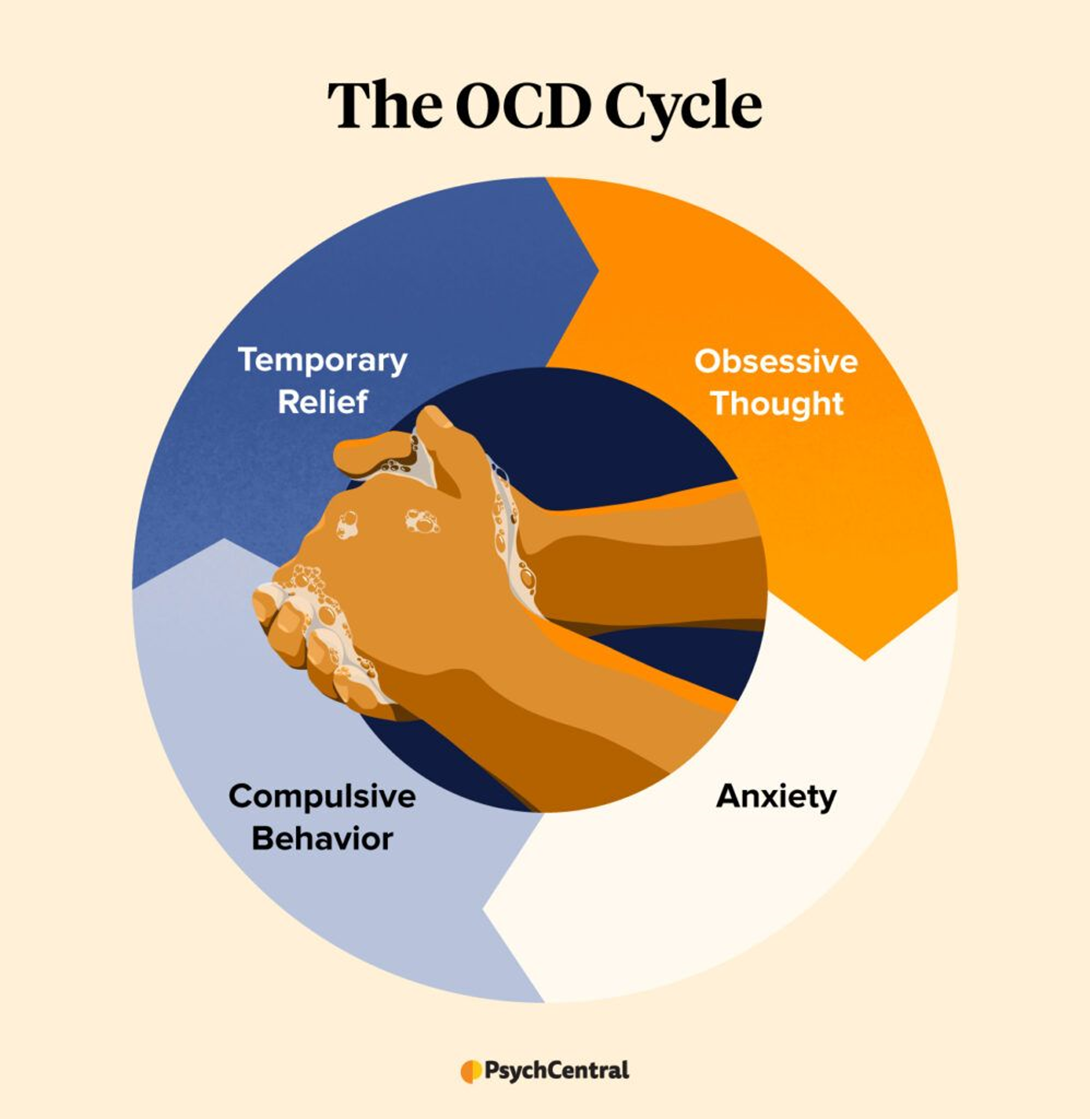
Choice D reason: Repetitive cleaning in OCD is a compulsion that aims to decrease the anxiety caused by obsessive thoughts. It is a way for the individual to manage their anxiety and gain a sense of control over their environment.
Correct Answer is B
Explanation
Choice A reason: Gastric lavage is typically not the first-line treatment for lithium toxicity due to the risk of aspiration and potential complications. It is usually reserved for cases where the ingestion was recent and massive.
Choice B reason: When a client presents with an extremely elevated lithium level, it is crucial to hold further doses to prevent exacerbation of toxicity. The nurse should monitor for early signs of toxicity, which include gastrointestinal symptoms like nausea, vomiting, diarrhea, and neurological symptoms such as tremors, confusion, and ataxia. The normal therapeutic range for lithium is 0.6 to 1.2 mmol/L, and levels above 1.5 mmol/L are considered toxic.
Choice C reason: While it is important to review the medication record, the immediate concern with an extremely elevated lithium level is addressing the toxicity. Checking the medication record can be part of the assessment process but is not the priority action.
Choice D reason: Administering the morning dose of lithium could worsen the client's condition by increasing the lithium level further, which is already extremely elevated. This could lead to severe toxicity or even fatal consequences.
Whether you are a student looking to ace your exams or a practicing nurse seeking to enhance your expertise , our nursing education contents will empower you with the confidence and competence to make a difference in the lives of patients and become a respected leader in the healthcare field.
Visit Naxlex, invest in your future and unlock endless possibilities with our unparalleled nursing education contents today