
A client with cognitive deficits is extremely suicidal and has not responded to antidepressants. The treatment team is considering electroconvulsive therapy (ECT). Which client information would impact the feasibility of this treatment option?
Because of the client's cognitive deficits, a signed consent is waived.
Because informed consent is required for ECT, cognitive deficits could preclude this option.
Because the client is extremely suicidal, ECT is an appropriate option.
Because antidepressant medications have been ineffective, ECT is a good alternative.
The Correct Answer is B
Choice A reason:
Informed consent is a critical component of many medical treatments, including ECT. It involves the patient's understanding and agreement to the procedure after being fully informed of the risks, benefits, and alternatives. Cognitive deficits can impair a patient's ability to provide informed consent, but they do not automatically waive the requirement for such consent. In fact, additional safeguards are often put in place to protect the rights of individuals with cognitive impairments.
Choice B reason:
ECT is a medical procedure that requires informed consent due to the potential risks and side effects associated with it. If a client has cognitive deficits severe enough to impact their decision-making capacity, they may not be able to provide informed consent. In such cases, treatment options would need to be reconsidered, and alternative methods of obtaining consent, such as through a legal guardian or a court order, might be necessary.
Choice C reason:
While it is true that ECT is considered an effective treatment for severe depression and suicidality, the decision to use ECT should not be based solely on these criteria². The ability of the client to understand and consent to the treatment is also a crucial factor. Therefore, the extremity of the client's suicidal ideation alone does not make ECT automatically the appropriate option without considering the consent issue.
Choice D reason:
ECT is indeed an alternative treatment when antidepressant medications have been ineffective, especially in cases of severe depression and suicidality². However, the effectiveness of ECT does not negate the need for informed consent. The client's cognitive ability to provide consent remains a determining factor in the feasibility of ECT as a treatment option.
Nursing Test Bank
Naxlex Comprehensive Predictor Exams
Related Questions
Correct Answer is ["B","D","E"]
Explanation
Choice A reason: Sharing personal feelings openly with the client can blur the professional boundaries necessary for a therapeutic relationship and is not typically encouraged.
Choice B reason: Establishing boundaries is crucial in maintaining a professional and therapeutic relationship, ensuring that both the nurse and client understand the limits and expectations of their interactions.
Choice C reason: While offering advice can be part of the therapeutic process, it is more important for the nurse to guide clients in finding their own solutions rather than providing direct advice.
Choice D reason: A therapeutic relationship should be professional and not based on personal feelings. The nurse's concern should be on the client's well-being rather than being liked.
Choice E reason: Maintaining a client focus at all times ensures that the care provided is centered on the client's needs, which is essential in a therapeutic relationship.
Correct Answer is D
Explanation
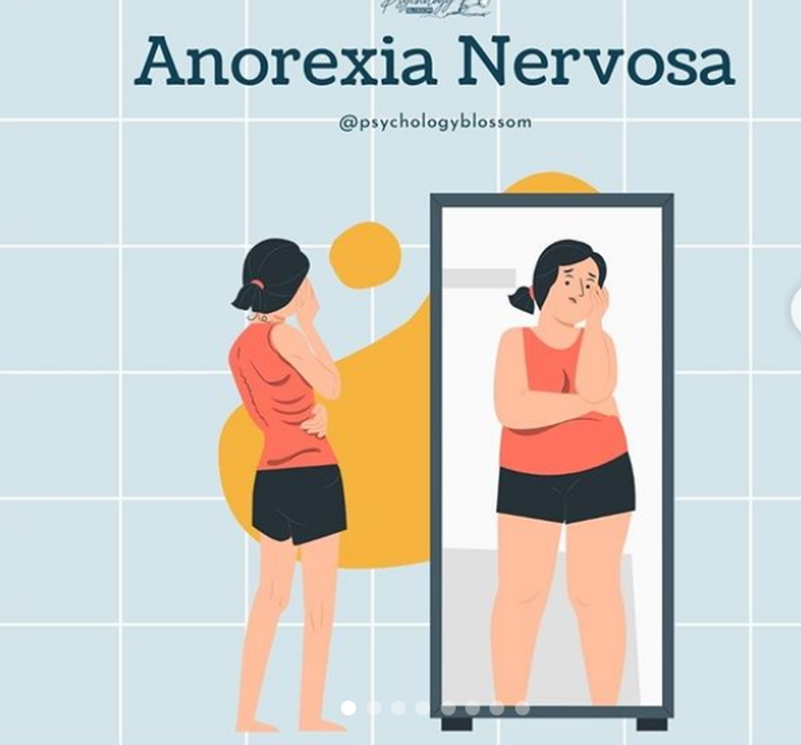
Choice A reason: This statement reflects a partial understanding of the control issues associated with anorexia but does not indicate a full understanding of the disorder's complexity or the family's role in recovery.
Choice B reason: This statement suggests a lack of understanding of anorexia nervosa, as it is not a phase but a serious mental health condition that requires professional treatment.
Choice C reason: While issues with sexual identity can be stressful, they are not typically the cause of anorexia nervosa, which is characterized by an intense fear of gaining weight and a distorted body image.
Choice D reason: Recognizing a codependent relationship and the enabling of unhealthy behaviors shows an understanding of the dynamics that can contribute to the maintenance of an eating disorder like anorexia nervosa.
Whether you are a student looking to ace your exams or a practicing nurse seeking to enhance your expertise , our nursing education contents will empower you with the confidence and competence to make a difference in the lives of patients and become a respected leader in the healthcare field.
Visit Naxlex, invest in your future and unlock endless possibilities with our unparalleled nursing education contents today