
A nurse is caring for a client who is scheduled to have his alanine aminotransferase (ALT) level checked. The client asks the nurse to explain the laboratory test. Which of the following is an appropriate response by the nurse?
"This test is used to check how your kidneys are working."
"This test will indicate if you are at risk for developing blood clots."
"This test will provide information about the function of your liver."
"This test will determine if your heart is performing properly."
The Correct Answer is C
Choice A reason:
ALT is not primarily used to check kidney function. Kidney function is typically assessed through other tests, such as blood urea nitrogen (BUN) and creatinine levels.
Choice B reason:
ALT is not used to assess the risk of blood clots. It is specifically related to liver function.
Choice C reason:
Alanine aminotransferase (ALT) is an enzyme found primarily in the liver. An elevated ALT level in the blood can indicate potential liver damage or disease, so the ALT test is used to assess the function of the liver.
Choice D reason:
ALT is not a test to determine heart performance. Heart function is evaluated using tests such as electrocardiograms (ECGs) or cardiac enzymes.
Nursing Test Bank
Naxlex Comprehensive Predictor Exams
Related Questions
Correct Answer is A
Explanation
Choice A reason:
A. Dilated pupils
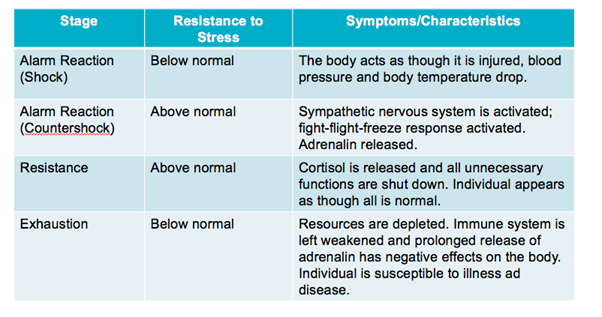
During the alarm reaction stage of the general adaptation syndrome (GAS), the body's initial response to stress triggers the "fight or flight" response. This response is characterized by the release of stress hormones, increased sympathetic nervous system activity, and various physiological changes to prepare the body to respond to the stressor. Dilated pupils are one of the manifestations of the fight or flight response, allowing for improved visual acuity and awareness of the environment.
Choice B reason:
Physical exhaustion is inappropriate. This is typically associated with the exhaustion stage of GAS, which follows the alarm reaction stage.
Choice C reason:
Bradycardia is inappropriate. Bradycardia (slow heart rate) is not a typical manifestation during the alarm reaction stage. Increased heart rate (tachycardia) is more common during this stage.
Choice D reason:
Depression is inappropriate. Depression is not a direct manifestation of the alarm reaction stage. It is a psychological response that may occur during or after prolonged stress and may be associated with the later stages of GAS.
Correct Answer is C
Explanation
Choice A reason:
A blood glucose level of 110 mg/dl: A slightly elevated blood glucose level could be expected in response to enteral feeding.
Choice B reason:
Diarrhea one time in a 24-hour period is incorrect. Diarrhea can occur as a side effect of enteral feeding due to changes in the digestive process.
Choice C reason:
An unexpected finding when a client is receiving continuous enteral feeding via an NG tube is a rapid and significant weight gain of 0.91 kg (2 lb) in just 2 days. This could indicate fluid overload, which might be caused by excessive fluid intake or inadequate fluid removal by the body. Rapid weight gain should be assessed and reported as it could be a sign of underlying issues that need to be addressed.
Choice D reason:
A gastric residual of 300 mL at the end of the shift is incorrect. Gastric residuals can fluctuate during continuous enteral feeding, and a residual of 300 mL may not necessarily be unexpected depending on the client's overall condition and the healthcare provider's guidelines.
Whether you are a student looking to ace your exams or a practicing nurse seeking to enhance your expertise , our nursing education contents will empower you with the confidence and competence to make a difference in the lives of patients and become a respected leader in the healthcare field.
Visit Naxlex, invest in your future and unlock endless possibilities with our unparalleled nursing education contents today