
A nurse is assessing a client at a dermatology clinic. Which of the following findings places the client at risk for developing malignant melanoma?
Dark hair
Female gender
History of chronic skin irritation
Age 19 to 30 years
The Correct Answer is C
Choice A reason:
Dark hair is not a recognized risk factor for developing malignant melanoma. Melanoma is more commonly associated with individuals having fair skin, light hair, and light-colored eyes because they have less melanin to protect their skin from UV radiation.
Choice B reason:
While female gender is not a direct risk factor for malignant melanoma, it is important to note that melanoma rates can vary between genders at different ages. Generally, before age 50, melanoma rates are higher in women, but by age 65, rates are twice as high in men.
Choice C reason:
A history of chronic skin irritation or inflammation can potentially increase the risk of developing skin cancer, including melanoma. Chronic inflammation can lead to DNA damage and contribute to the development of cancerous cells.
Choice D reason:
Age 19 to 30 years is not considered a high-risk age group for malignant melanoma. The risk of melanoma increases with age, and it is most frequently diagnosed in older adults, although it is not uncommon in younger people.
Nursing Test Bank
Naxlex Comprehensive Predictor Exams
Related Questions
Correct Answer is D
Explanation
Choice A reason:
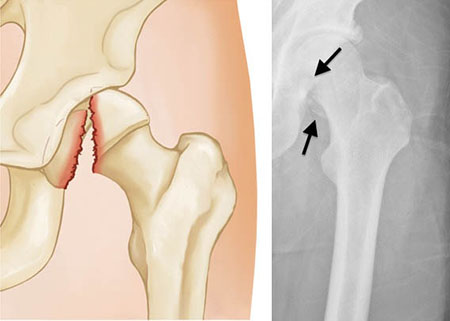
Pneumothorax, a collapsed lung, can indeed cause shortness of breath and dyspnea. However, it is typically associated with a sudden onset of these symptoms following a chest injury or spontaneously in the case of a ruptured air blister. In the context of a femoral head fracture, pneumothorax is less likely unless there was additional trauma to the chest area.
Choice B reason:
Pneumonia is an infection of the lungs that leads to inflammation of the air sacs, causing them to fill with fluid or pus. Symptoms include cough with phlegm, fever, chills, and difficulty breathing. While pneumonia could cause dyspnea, it usually develops due to an infectious process rather than directly from a femoral head fracture.
Choice C reason:
Airway obstruction involves a blockage that prevents air from passing freely to the lungs. It can be caused by foreign objects, swelling due to allergic reactions, or other medical conditions. The symptoms of airway obstruction include difficulty breathing, wheezing, and potential changes in skin color. However, airway obstruction is not commonly a direct complication of a femoral head fracture.
Choice D reason:
Fat embolism syndrome is a serious condition that occurs when fat globules enter the bloodstream and lodge within the pulmonary vasculature, leading to respiratory distress. It is a known complication following long bone fractures, such as the femur, and presents with symptoms like shortness of breath, hypoxemia, and neurological manifestations. Given the recent femoral head fracture and the symptoms reported, fat embolism syndrome is the most likely diagnosis.
Correct Answer is B
Explanation
Choice A reason:
This statement is misleading. While many herbal therapies are generally considered safe, they can have side effects and interact with other medications. It is important to consult with a healthcare provider before starting any new herbal therapy.
Choice B reason:
This statement is accurate. Many herbal products have not been subjected to rigorous long-term testing that is required for conventional medications. Therefore, their long-term safety and efficacy profiles are not always well-established.
Choice C reason:
This statement is incorrect. Some herbal therapies have been found to be beneficial in reducing menopausal discomfort, such as hot flashes and night sweats. However, their effectiveness can vary from person to person.
Choice D reason:
This statement is not advisable without further assessment. While some herbal therapies may help with menopausal symptoms, it is important for the client to discuss with a healthcare provider to consider personal health history, potential side effects, and interactions with other medications.
Whether you are a student looking to ace your exams or a practicing nurse seeking to enhance your expertise , our nursing education contents will empower you with the confidence and competence to make a difference in the lives of patients and become a respected leader in the healthcare field.
Visit Naxlex, invest in your future and unlock endless possibilities with our unparalleled nursing education contents today