
A client needs a test to determine the amount of residual urine. The nurse realizes that this assessment is used for which reason(s)? Select all that apply.
To determine the need for medications
To evaluate fluid volume status
To evaluate the glomerular filtration rate
To determine the amount of retained urine after voiding.
To determine the extent of renal failure
Correct Answer : A,D
A test to determine the amount of residual urine is used to measure the amount of urine that remains in the bladder after voiding. This assessment can be used for several reasons, including to determine the need for medications that can help improve bladder emptying and to evaluate the amount of retained urine after voiding. Retained urine can increase the risk of urinary tract infections and other complications. This test is not typically used to evaluate fluid volume status, glomerular filtration rate, or the extent of renal failure.

Nursing Test Bank
Naxlex Comprehensive Predictor Exams
Related Questions
Correct Answer is D
Explanation
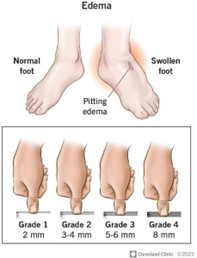
Heart failure is a condition in which the heart is unable to pump blood effectively, leading to a buildup of fluid in the body. This can result in edema (swelling) and fluid accumulation in the lungs, causing coarse crackles when breathing. The term for this condition is fluid volume excess, which refers to an excessive amount of fluid in the body.
Myocardial infarction is a heart attack, atelectasis is a collapse of lung tissue, and fluid volume deficit refers to a lack of fluid in the body.
Correct Answer is B
Explanation
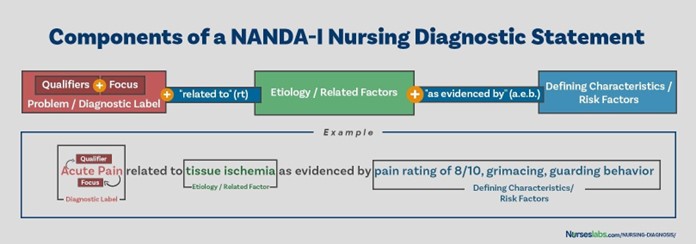
When selecting interventions for a care plan, the nurse should consider several principles. One important principle is that actions should address the underlying cause (etiology) of the nursing diagnosis. By addressing the root cause of the problem, interventions can be more effective in achieving the desired outcomes. There is not necessarily one "best" intervention for each goal or outcome, as different clients may have different needs and respond differently to interventions. Interventions can include both "doing" actions and monitoring, and both independent and collaborative interventions may be appropriate depending on the situation.
Whether you are a student looking to ace your exams or a practicing nurse seeking to enhance your expertise , our nursing education contents will empower you with the confidence and competence to make a difference in the lives of patients and become a respected leader in the healthcare field.
Visit Naxlex, invest in your future and unlock endless possibilities with our unparalleled nursing education contents today