
A client is experiencing a panic atack while in the recreation room. Which intervention(s) would be a priority to promote the client's safety?
Engaging the client in recreational activities.
Requesting a prescription for an anti-anxiety agent.
Offering the client therapy to calm down.
Remaining with the client to assess needs.
The Correct Answer is D
Choice A reason: Engaging in activities might be too demanding during a panic atack and could potentially exacerbate the client's anxiety.
Choice B reason: While medication may be part of the treatment plan, the immediate priority is to ensure the client's safety and comfort, which is best achieved by staying with them.
Choice C reason: Offering therapy in the midst of a panic atack is not practical; the immediate need is to help the client feel safe and manage their acute symptoms.
Choice D reason: Staying with the client to assess their needs is the most appropriate immediate intervention to ensure safety and provide reassurance during a panic atack.
Nursing Test Bank
Naxlex Comprehensive Predictor Exams
Related Questions
Correct Answer is D
Explanation
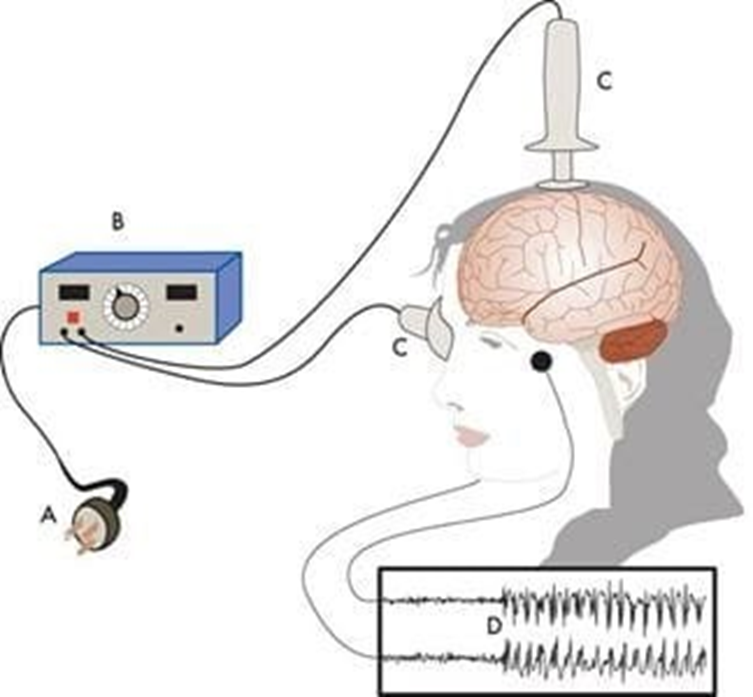
Choice A reason: This choice is incorrect. Non-compliance with blood testing does not typically indicate a need for ECT.
Choice B reason: This choice is incorrect. A recent onset of a manic episode is usually managed with medication adjustments, not ECT.
Choice C reason: This choice is incorrect. Cyclothymic disorder is a milder form of bipolar disorder and is not typically treated with ECT.
Choice D reason: This is the correct choice. ECT is often considered for clients with severe depression that is resistant to medication.
Correct Answer is A
Explanation
Choice A reason: This is the correct choice. Consistent enforcement of rules prevents manipulation and maintains a stable environment for all clients.
Choice B reason: While encouraging questions and discussion is generally positive, it does not directly address manipulative behavior.
Choice C reason: Promoting social ostracism is not therapeutic and can harm the client's mental health and recovery.
Choice D reason: Scheduling one-on-one time could be beneficial, but it does not address the issue of manipulation towards the staff.
Whether you are a student looking to ace your exams or a practicing nurse seeking to enhance your expertise , our nursing education contents will empower you with the confidence and competence to make a difference in the lives of patients and become a respected leader in the healthcare field.
Visit Naxlex, invest in your future and unlock endless possibilities with our unparalleled nursing education contents today