
Which information will the nurse include when teaching a patient with newly diagnosed GERD?
Peppermint tea might be helpful in reducing your symptoms.
You should avoid eating between meals to avoid acid secretion.
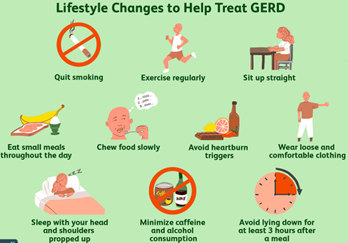
You will need to keep the head of your bed elevated on blocks.
Vigorous physical activities may increase the incidence of reflux.
The Correct Answer is C
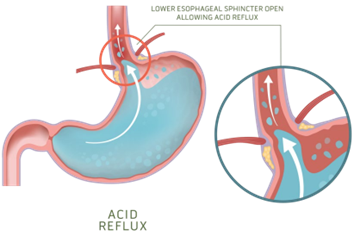
When teaching a patient with newly diagnosed GERD, the nurse will include that they will need to keep the head of their bed elevated on blocks. This helps prevent stomach acid from flowing back into the esophagus while sleeping.
Peppermint tea might not be helpful in reducing GERD symptoms as it can relax the lower esophageal sphincter and worsen reflux.
Eating between meals is not recommended as it can increase acid secretion. Vigorous physical activities may increase the incidence of reflux.
Nursing Test Bank
Naxlex Comprehensive Predictor Exams
Related Questions
Correct Answer is A
Explanation
GERD can increase the risk of aspiration (inhalation of stomach contents into the lungs), which can cause respiratory issues, including abnormal breath sounds. In these cases, monitoring of breath sounds may be more appropriate than monitoring of bowel sounds.
Bowel sounds are not typically monitored for GERD patients as GERD is a condition that affects the esophagus and the stomach, not the intestines. GERD is caused by the reflux of stomach contents into the esophagus, which can cause symptoms such as heartburn and regurgitation.
Abdominal girth is not routinely monitored for GERD patients as it is not typically related to the condition. GERD is a disorder that affects the esophagus and stomach and does not typically cause significant changes in abdominal size or girth. In rare cases, GERD can be complicated by a condition known as a para oesophageal hernia, which can cause a visible bulge in the abdomen. In these cases, monitoring of abdominal size and shape may be necessary.
The apical pulse is not routinely monitored for GERD patients as it is not directly related to the condition. GERD is a disorder that affects the digestive system, specifically the esophagus and stomach and does not typically have an impact on heart rate or rhythm.
Correct Answer is A
Explanation
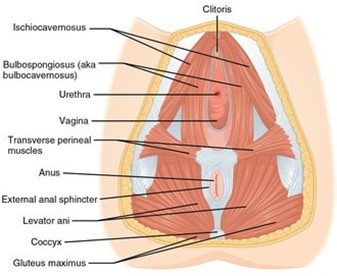
Kegel exercises are designed to strengthen the pelvic floor muscles, which can help improve urinary incontinence. By teaching the patient how to perform Kegel exercises, the nurse can provide a non-invasive, effective intervention that the patient can perform on her own to help manage her urinary incontinence.
Assisting the patient to the bathroom q3hr (b) may help reduce the frequency of incontinence episodes but it does not address the underlying issue of weakened pelvic floor muscles.
Demonstrating how to perform Crede’s maneuver (c) involves applying manual pressure to the bladder to assist with urination and is not appropriate for managing urinary incontinence related to laughing or coughing.
Placing a commode at the patient’s bedside (d) may be appropriate for patients who have difficulty with mobility or accessing the bathroom, but it does not address the underlying issue of weakened pelvic floor muscles causing urinary incontinence.

Whether you are a student looking to ace your exams or a practicing nurse seeking to enhance your expertise , our nursing education contents will empower you with the confidence and competence to make a difference in the lives of patients and become a respected leader in the healthcare field.
Visit Naxlex, invest in your future and unlock endless possibilities with our unparalleled nursing education contents today