
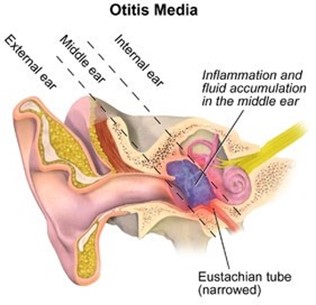
The nurse is providing education to parents about preventing otitis media recurrence in their infant. Which instruction should the nurse include?
Avoid smoke exposure.
Inspect the infant's ears daily.
Position prone after feeding.
Breastfeed frequently.
The Correct Answer is A
To prevent recurrence of otitis media in their infant. Exposure to secondhand smoke has been identified as a risk factor for recurrent otitis media.
B. While it is important to monitor the infant's ears for signs of infection, daily inspection alone is not sufficient to prevent recurrence of otitis media.
C. The prone position after feeding is not recommended for infants due to the risk of choking and aspiration, and it is not a preventive measure for otitis media.
D. While breastfeeding is associated with a reduced risk of otitis media, frequent breastfeeding alone is not sufficient to prevent recurrence of the condition.
Nursing Test Bank
Naxlex Comprehensive Predictor Exams
Related Questions
Correct Answer is C
Explanation
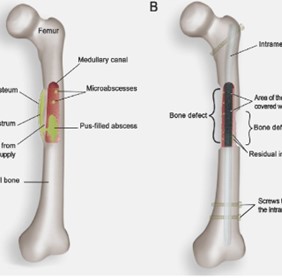
During the initial phase of treatment for osteomyelitis, the nurse should instruct the child and parent to ensure that there is no weight bearing on the affected extremity. This may require the use of assistive devices such as crutches or a wheelchair. Administering topical antibiotic therapy, providing passive range of motion exercises, and scheduling ice pack applications to the infected area are not appropriate interventions during the initial phase of treatment.
Topical antibiotics may be used later in the course of treatment, after the initial phase of intravenous antibiotics has been completed.
Passive range of motion exercises may be appropriate during the later phases of treatment to prevent joint contractures.
Ice pack applications may be appropriate for pain relief, but they are not a primary intervention for osteomyelitis.
Correct Answer is B
Explanation
The client should be instructed to eat a source of sugar if he experiences profuse perspiration, which may indicate hypoglycemia or low blood sugar. Other symptoms of hypoglycemia include shakiness, confusion, dizziness, and weakness.
Eating a source of sugar, such as a glucose tablet, fruit juice, or candy, can quickly raise blood sugar levels and alleviate symptoms of hypoglycemia.
A racing pulse, excessive thirst, and seeing spots are not typically associated with hypoglycemia.
Whether you are a student looking to ace your exams or a practicing nurse seeking to enhance your expertise , our nursing education contents will empower you with the confidence and competence to make a difference in the lives of patients and become a respected leader in the healthcare field.
Visit Naxlex, invest in your future and unlock endless possibilities with our unparalleled nursing education contents today