
The nurse is assessing a child with acute glomerulonephritis who presents with increased fatigue, facial puffiness, decreased appetite. The child's urine sample is dark yellow in color.
Which additional finding should the nurse report to the healthcare provider?
Positive rapid strep test of oropharynx.
Blood pressure 88/50 mmHg.
Maculopapular rash over trunk of body.
Weight loss.
The Correct Answer is A
The nurse should report a positive rapid strep test of the oropharynx to the healthcare provider. Acute glomerulonephritis is often caused by a recent streptococcal infection, and a positive rapid strep test would confirm this as the underlying cause
A blood pressure of 88/50 mmHg is within the normal range for a child and would not need to be reported.
A maculopapular rash over the trunk of the body is not typically associated with acute glomerulonephritis and would not need to be reported.
Weight loss may occur with acute glomerulonephritis due to decreased appetite, but it is not an urgent finding that needs to be reported immediately.

Nursing Test Bank
Naxlex Comprehensive Predictor Exams
Related Questions
Correct Answer is A
Explanation
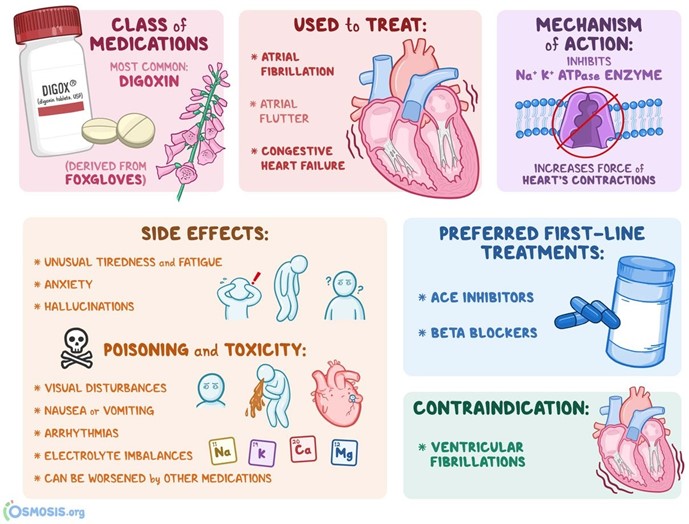
For an eight-month-old infant with heart failure, the nurse should withhold digoxin if the infant's apical pulse is less than 90 beats/minute and notify the healthcare provider. In this case, the infant's apical pulse is 88 beats/minute, so the nurse should withhold the digoxin and notify the healthcare provider.
Furosemide ( B), hydralazine (C), and enalapril (D) do not have specific parameters for withholding based on the infant's vital signs.
Correct Answer is A
Explanation
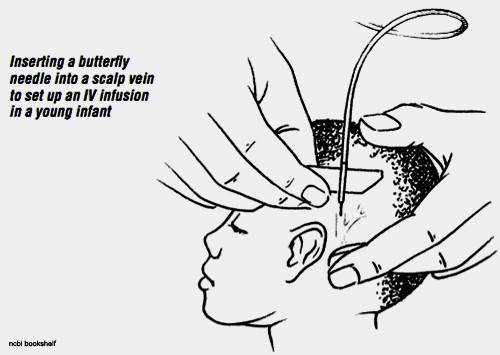
Peripheral intravenous (IV) infusion is a common procedure performed on infants in a hospital setting. The selection of the IV site is critical to ensure proper placement and to prevent complications.
When starting a peripheral IV infusion on an infant, the nurse should select a site that is least restrictive to the infant. This involves selecting a site that will not restrict the infant's movement and cause discomfort. The site should be accessible, visible, and easily palpable, such as the hand, wrist, or antecubital fossa.
Assessing the dorsal surface of the feet for an IV site is not recommended as it is an area of high risk for infiltration and may restrict the infant's movement.
Instructing parents to sing or croon to the infant may provide comfort and distraction, but it is not a critical intervention when starting a peripheral IV infusion.
Applying soft restraints to all four extremities is not recommended as it may cause physical and emotional distress to the infant. It should only be used as a last resort if the infant is at high risk of self-injury or if the procedure cannot be safely performed without restraints.
Therefore, the nurse should implement the intervention of selecting a site that is least restrictive to the infant when starting a peripheral IV infusion.
Whether you are a student looking to ace your exams or a practicing nurse seeking to enhance your expertise , our nursing education contents will empower you with the confidence and competence to make a difference in the lives of patients and become a respected leader in the healthcare field.
Visit Naxlex, invest in your future and unlock endless possibilities with our unparalleled nursing education contents today