
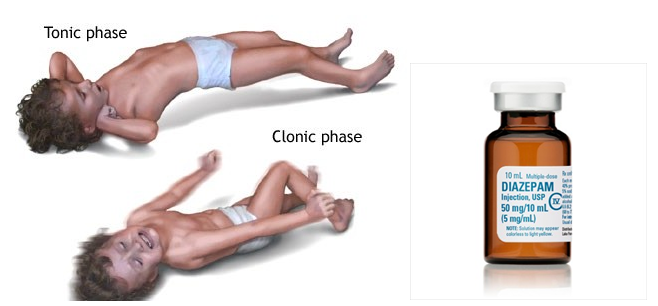
A child who weighs 30 kg is experiencing a grand mal seizure. The healthcare provider prescribes diazepam 0.3 mg/kg/dose intravenous (IV) STAT. The medication is available in 5 mg/mL vials.
How many mL should the nurse administer?
(Enter a numeric value only. If rounding is required, round to the tenth).
The Correct Answer is ["1.8"]
The nurse should administer 1.8 mL of diazepam.
To calculate the volume of diazepam to be administered, you would first calculate the total dose of diazepam for this child by multiplying the child's weight (30 kg) by the prescribed dose (0.3 mg/kg). This calculation gives a total dose of 9 mg (30 kg x 0.3 mg/kg = 9 mg). Next, you would divide the total dose (9 mg) by the concentration of the medication (5 mg/mL) to determine the volume to be administered. This calculation gives a volume of 1.8 mL (9 mg / 5 mg/mL = 1.8 mL).
Nursing Test Bank
Naxlex Comprehensive Predictor Exams
Related Questions
Correct Answer is A
Explanation
Flaring of the nares is a sign of increased respiratory effort, which is a manifestation of acute respiratory distress. This finding occurs when the child is attempting to draw in more air to meet the increased demand for oxygen.
Bilateral bronchial breath sounds can indicate consolidation or a bronchial obstruction, but they are not specific to acute respiratory distress.
Diaphragmatic respirations are a normal finding and may occur in response to respiratory distress, but they do not necessarily indicate acute respiratory distress.
A resting respiratory rate of 35 breaths/min is within the normal range for a 1-year-old child and does not necessarily indicate acute respiratory distress.
Correct Answer is B
Explanation
The adolescent's symptoms suggest that their blood glucose levels may be very high. Obtaining a point-of- care glucose reading is the first step in assessing the adolescent's current blood glucose levels and determining the appropriate course of action.
Reviewing prior insulin prescriptions, assessing urine for ketones, and checking blood pressure are also important interventions but should occur after the blood glucose level has been determined.
Whether you are a student looking to ace your exams or a practicing nurse seeking to enhance your expertise , our nursing education contents will empower you with the confidence and competence to make a difference in the lives of patients and become a respected leader in the healthcare field.
Visit Naxlex, invest in your future and unlock endless possibilities with our unparalleled nursing education contents today