
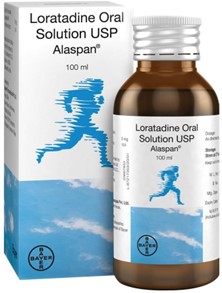
A child receives a prescription for loratadine 5 mg by mouth once day. The botled is labelled "Loratadine for Oral Suspension, USP 5 mg per 5 mL."
How many teaspoons should the nurse instruct the parent to administer with each dose?
(Enter numerical value only.)
The Correct Answer is ["1"]
1 teaspoon.
The child has been prescribed loratadine 5 mg once a day. The botle is labeled "Loratadine for Oral Suspension, USP 5 mg per 5 mL." This means that for every 5 mL of the suspension, there is 5 mg of loratadine. Since 1 teaspoon is equivalent to 5 mL, the nurse should instruct the parent to administer 1 teaspoon with each dose to provide the prescribed 5 mg of loratadine.
Nursing Test Bank
Naxlex Comprehensive Predictor Exams
Related Questions
Correct Answer is ["1"]
Explanation
1 teaspoon.
The child has been prescribed loratadine 5 mg once a day. The botle is labeled "Loratadine for Oral Suspension, USP 5 mg per 5 mL." This means that for every 5 mL of the suspension, there is 5 mg of loratadine. Since 1 teaspoon is equivalent to 5 mL, the nurse should instruct the parent to administer 1 teaspoon with each dose to provide the prescribed 5 mg of loratadine.
Correct Answer is A
Explanation
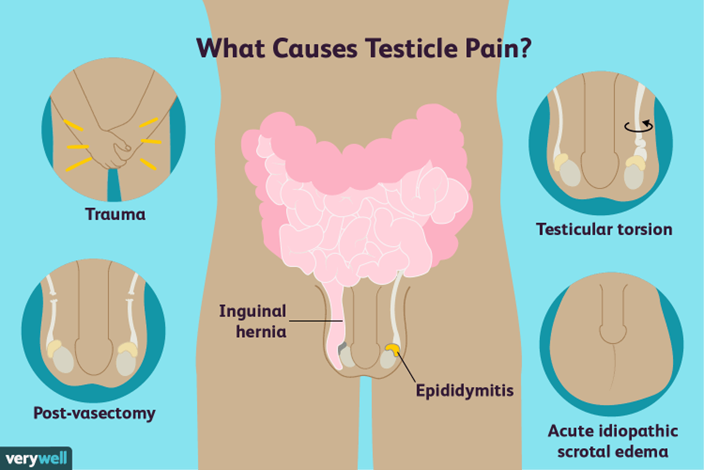
The nurse should report the findings of significant erythema and swelling in the scrotum immediately to the healthcare provider. The adolescent's symptoms may be indicative of testicular torsion, which is a medical emergency and requires prompt treatment to prevent loss of the testicle. Obtaining a swab of secretions from the penis and urethra or collecting a sterile urine sample for culture and sensitivity are not appropriate actions for this presentation. Providing a urinal for urinary hesitancy may be appropriate if the adolescent is experiencing difficulty urinating, but this should not take precedence over reporting the findings to the healthcare provider.
Whether you are a student looking to ace your exams or a practicing nurse seeking to enhance your expertise , our nursing education contents will empower you with the confidence and competence to make a difference in the lives of patients and become a respected leader in the healthcare field.
Visit Naxlex, invest in your future and unlock endless possibilities with our unparalleled nursing education contents today