
The nurse is preparing to discuss safety with a group of parents of infants. When planning the program, which topics would be most important to include: (Select Al That Apply)
Bicycle safety
Drug and gun safety
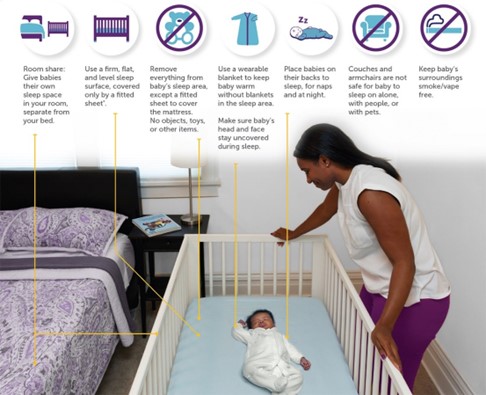
Use of blankets, pillows, and stuffed animals in the crib
Correct placement of car seats
Never leaving infant unatended in the bathtub
Correct Answer : C,D,E
- Use of blankets, pillows, and stuffed animals in the crib: It is important to educate parents about the risk of suffocation associated with soft objects in the crib. Infants should always sleep on their back in a crib with a firm matress and no loose bedding or soft objects.
- Correct placement of car seats: Properly installed car seats can help prevent serious injury or death in the event of a car accident. It is important to teach parents how to properly install car seats and use them correctly.
- Never leaving infant unatended in the bathtub: Drowning is a leading cause of death in young children, and infants can drown in just a few inches of water. It is important to remind parents to never leave their infant unatended in the bathtub, even for a moment.
Therefore, options c, d, and e are the most important topics to include when discussing safety with parents of infants. Options a and b may be important topics to discuss with older children, but they are not relevant to infants.
Nursing Test Bank
Naxlex Comprehensive Predictor Exams
Related Questions
Correct Answer is B
Explanation
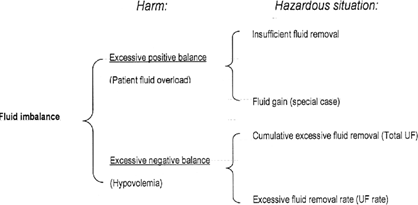
Renal failure can cause a buildup of fluid in the body. When kidneys lose their filtering ability, dangerous levels of wastes may accumulate, and your blood’s chemical makeup may get out of balance. This can lead to fluid retention, causing swelling in your legs, ankles or feet.
Correct Answer is D
Explanation
Explanation: The normal range of sodium (Na+) in the blood is 135-145 mEq/L. The patient's sodium level of 121 mEq/L is below the normal range, indicating a low sodium level, which is called hyponatremia.
Hyponatremia is a common electrolyte imbalance that can be caused by a variety of factors, including excessive sweating, vomiting, diarrhea, certain medications, kidney disease, and hormonal imbalances. It can cause symptoms such as nausea, headache, confusion, seizures, and coma, and it can be a medical emergency if the sodium level drops rapidly or severely.
Whether you are a student looking to ace your exams or a practicing nurse seeking to enhance your expertise , our nursing education contents will empower you with the confidence and competence to make a difference in the lives of patients and become a respected leader in the healthcare field.
Visit Naxlex, invest in your future and unlock endless possibilities with our unparalleled nursing education contents today