
The nurse is performing a physical assessment of a 10-year-old boy. The nurse notes that during last year's check-up, the child weighed 80 lb. According to average growth for this age group, what would be his expected current weight?
87 lb
81 lb
89 lb
85 lb
The Correct Answer is A
A. 87 lb is a reasonable weight for a 10-year-old boy who was 80 lb the previous year, considering the average weight gain is about 10 pounds a year at this age.
B. 81 lb would be a below-average weight gain for a year for a child of this age. C. 89 lb would be an above-average weight gain for a year for a child of this age.
D. 85 lb is within the range but slightly below the average expected weight gain for a year for a child of this age.
Nursing Test Bank
Naxlex Comprehensive Predictor Exams
Related Questions
Correct Answer is D
Explanation
A. Controls impulsive feelings: Preschoolers are still developing their ability to control impulses. While they may begin to understand the concept of rules and consequences, complete control over impulsive feelings is not typically expected at this stage.
B. Expresses need for privacy: Preschoolers may begin to show a growing awareness of privacy but may not consistently express this need or fully understand its implications. This is more commonly seen in older children and adolescents.
C. Builds a collection of cards: Building a collection of cards is not a typical developmental task for preschoolers. While they may engage in collecting objects, the items they collect are often related to their interests and may vary widely.
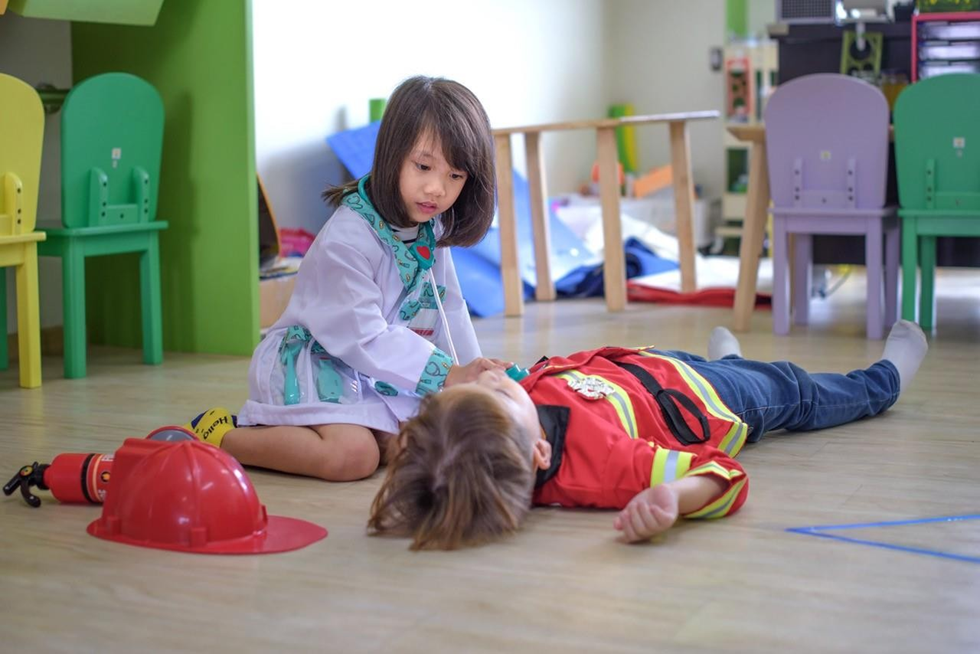
D. Participates in imaginary play: Imaginary play is a significant aspect of preschoolers' development. They often engage in make-believe scenarios, role-playing, and using objects symbolically to represent other objects. This type of play fosters creativity, social skills, and cognitive development in preschool-aged children.
Correct Answer is D
Explanation
A. Set of building blocks: While building blocks can be engaging toys for children, they may not effectively address the emotional needs of a child experiencing distress or separation anxiety. Building blocks are more suitable for activities that promote creativity and fine motor skills.
B. Toy hammer and pounding boarD. Toys that involve physical activity, such as a toy hammer and pounding board, may not be appropriate for a child experiencing emotional distress. These toys may require energy and concentration that the child may not be able to focus on during a tantrum.
C. Picture book about hospitals: While a picture book about hospitals may help familiarize the child with the hospital environment, it may not provide immediate comfort during a tantrum. This type of resource may be more beneficial for preparing the child for medical procedures or explaining what to expect during hospitalization.
D. Stuffed animal: Providing a stuffed animal can offer comfort and reassurance to a child experiencing stress or separation anxiety. A soft and cuddly toy like a stuffed animal can serve as a transitional object, providing emotional support and security when the parent is not present. Children often form attachments to stuffed animals, which can help them cope with unfamiliar or challenging situations.
Whether you are a student looking to ace your exams or a practicing nurse seeking to enhance your expertise , our nursing education contents will empower you with the confidence and competence to make a difference in the lives of patients and become a respected leader in the healthcare field.
Visit Naxlex, invest in your future and unlock endless possibilities with our unparalleled nursing education contents today