
The nurse is identifying outcomes for a client with the nursing diagnosis of Stress Urinary Incontinence. Which outcome would be related to sphincter incompetence?
The client will perform four to five isometric squeezes for 5 to 10 seconds.
The client will empty her bladder completely each time she voids.
The client will improve her incontinence within one month.
The client will stop the flow of urine when voiding.
The Correct Answer is A
Stress urinary incontinence is the involuntary loss of urine during physical activity such as coughing, sneezing, or exercising. It is often caused by weakness of the pelvic floor muscles and/or the urethral sphincter. An appropriate outcome for a client with this condition would be to improve the strength of these muscles. Performing isometric squeezes, also known as Kegel exercises, can help strengthen the pelvic floor muscles and improve sphincter competence. This can help reduce or prevent episodes of incontinence.

Nursing Test Bank
Naxlex Comprehensive Predictor Exams
Related Questions
Correct Answer is B
Explanation
This statement demonstrates that the nurse appropriately evaluated the goal because it shows that the client was able to meet the goal of stating two positive aspects of rehab therapy by the end of the week. The other statements indicate that the outcome was either not met, incomplete, or only partially met.
Correct Answer is C
Explanation
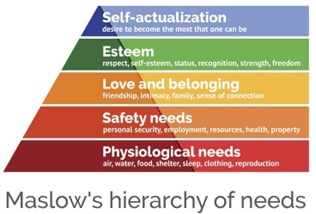
According to Maslow's hierarchy of needs model, physiological needs such as food, water, and shelter are the most basic and fundamental needs that must be met before higher-level needs can be addressed. In this scenario, the nursing diagnosis of Altered Nutrition, Less Than Body Requirements related to inability to absorb nutrients addresses a fundamental physiological need and should be identified as the highest priority for this client. The other nursing diagnoses listed address important needs related to safety, self-care, and psychological well-being, but these needs are considered higher-level needs according to Maslow's hierarchy and should be addressed after the client's basic physiological needs have been met.
Whether you are a student looking to ace your exams or a practicing nurse seeking to enhance your expertise , our nursing education contents will empower you with the confidence and competence to make a difference in the lives of patients and become a respected leader in the healthcare field.
Visit Naxlex, invest in your future and unlock endless possibilities with our unparalleled nursing education contents today