
The nurse is explaining to parents that the preschooler's developmental task is focused on the development of initiative rather than guilt. What is a priority intervention the nurse might recommend for parents of preschoolers to stimulate initiative?
Change the routine of the preschooler often to stimulate initiative.
Reward the child for initiative in order to build self-esteem.
As a parent, decide how and with whom the child will play
Do not set limits on the preschooler's behavior as this results in low self-esteem.
The Correct Answer is B
A. Changing routines frequently might confuse the child rather than stimulate initiative.
B. Rewarding the child for showing initiative positively reinforces the behavior and encourages further development.
C. Allowing the child to make choices about playmates can foster independence but may not directly stimulate initiative.
D. Setting appropriate limits is important for a child's development, but not setting any limits can lead to behavioral issues rather than promoting initiative.
Nursing Test Bank
Naxlex Comprehensive Predictor Exams
Related Questions
Correct Answer is A
Explanation
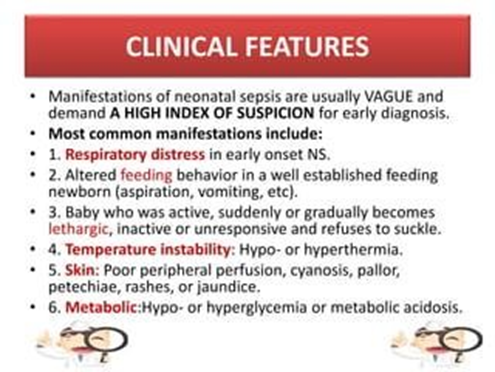
A. Correct. Temperature instability, including fever or hypothermia, can be a sign of sepsis in newborns, as it reflects the body's response to infection.
B. Increased urinary output is not typically associated with sepsis in newborns and may have other causes, such as adequate fluid intake or renal function.
C. Wakefulness is a normal behavior in newborns and is not specific to sepsis.
D. Interest in feeding is a positive sign and indicates the newborn's responsiveness to hunger cues, but it is not specific to sepsis.
Correct Answer is ["A","B","E","F"]
Explanation
A. Health supervision includes optimizing the child's physical, emotional, and developmental well-being to ensure the child reaches their maximum level of functioning.
B. This involves evaluating the effectiveness and safety of the care delivered by the healthcare team and ensuring that it meets the standards and guidelines of evidence- based practice.
C. Making referrals for all healthcare needs may not be feasible or necessary for every child in a healthcare provider's office.
D. Monitoring disease incidence is part of public health surveillance but may not be a primary focus of health supervision within a healthcare provider's office.
E. Teaching parents to prevent injury is an important aspect of health supervision, promoting safety and well-being for children.
F. Providing care developed from national guidelines ensures evidence-based practice and standardization of care across healthcare settings.
Whether you are a student looking to ace your exams or a practicing nurse seeking to enhance your expertise , our nursing education contents will empower you with the confidence and competence to make a difference in the lives of patients and become a respected leader in the healthcare field.
Visit Naxlex, invest in your future and unlock endless possibilities with our unparalleled nursing education contents today