
The nurse is assisting with nutrition teaching for a patient who voices concern over adjusting to a diabetic diet. Which response by the nurse about medical nutrition therapy is correct?
The diet stresses high-protein and low-carbohydrate intake, but people adapt to the restrictions.
You will require special foods, but stores now stock a variety of choices for people with diabetes.
Your diet will be a well-balanced, individualized meal plan that is healthy for your whole family.
Sugars and fats need to be avoided, but the dietitian will help you find acceptable alternatives.
The Correct Answer is C
C. Medical nutrition therapy for diabetes involves creating a well-balanced, individualized meal plan that meets the patient's nutritional needs while helping to manage blood glucose levels. This approach can be healthy for the entire family and does not require separate meals or special foods. It promotes overall healthy eating habits that everyone can benefit from.
A. Low-carbohydrate diets may be considered for some patients but the emphasis of a diabetic diet is not necessarily on high-protein intake. Instead, the focus is on balanced meals that include appropriate amounts of carbohydrates, proteins, and fats.
B. People with diabetes do not require special foods; rather, they need to make healthier choices from the foods available. The emphasis is on a balanced diet that can include regular foods, with modifications to portion sizes and meal timing to manage blood glucose levels effectively.
D. It is not necessary to completely avoid sugars and fats; rather, the focus should be on moderating intake and choosing healthier options. For example, limiting added sugars and unhealthy fats (like trans fats and saturated fats) is important, but healthy fats (such as those from nuts, seeds, and avocados) can be part of a balanced diet.
Nursing Test Bank
Naxlex Comprehensive Predictor Exams
Related Questions
Correct Answer is C
Explanation
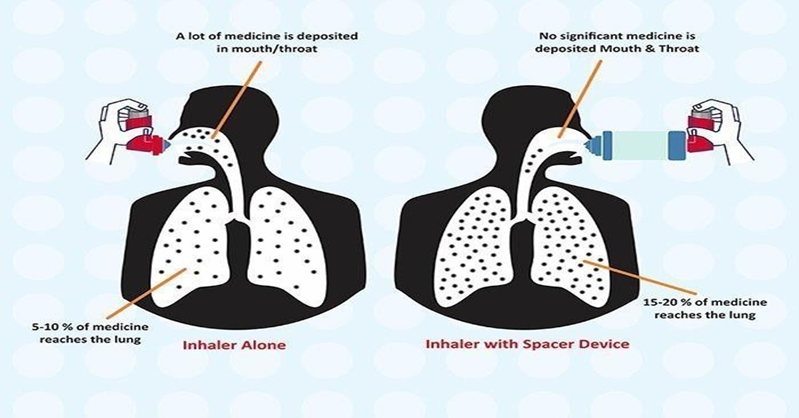
C. The spacer helps to deliver more medication to the lungs by holding the medication in the chamber, allowing the patient to inhale it more slowly and deeply. This results in better deposition of the medication in the lower airways and reduces the amount of medication that is deposited in the mouth and throat.
A. The primary purpose of the spacer is to increase the amount of medication that reaches the lungs and to reduce the amount deposited in the oropharynx (throat). The spacer helps to ensure that more medication is delivered directly to the airways where it is needed, thereby enhancing the effectiveness of the treatment and reducing side effects.
B. The exhalation slots or vents on a spacer are designed to allow the patient to exhale easily without removing the device from the mouth. The lips should form a tight seal around the mouthpiece of the spacer to ensure effective inhalation, but the exhalation slots should not be intentionally covered.
D. When using a spacer with an MDI, the patient should inhale slowly and deeply. Rapid inhalation can cause the medication to be deposited in the upper airways rather than reaching the lungs. A slow and deep inhalation allows for better medication delivery to the lower airways.
Correct Answer is B
Explanation
B. A decrease in the respiratory rate from 32 breaths/minute to 20 breaths/minute indicates improved respiratory status and effectiveness of nursing care. A lower respiratory rate suggests that the patient's breathing is becoming less labored, and oxygenation may be improving.
A. A lower heart rate may suggest a reduction in pain, improved oxygenation, or decreased stress on the cardiovascular system. However, other factors such as medications, rest, and hydration can also influence heart rate. Overall, a decrease in heart rate is a favorable finding.
C. A slight decrease in blood pressure from 140/80 mm Hg to 130/78 mm Hg may indicate a positive response to nursing care. However, blood pressure fluctuations can be influenced by various factors, including hydration status, medications, and underlying medical conditions.
D. Pain management is an essential aspect of nursing care, particularly for patients with lower respiratory infections who may experience discomfort due to coughing, chest congestion, and inflammation. However, pain levels can fluctuate over time and may require ongoing assessment and intervention.
Whether you are a student looking to ace your exams or a practicing nurse seeking to enhance your expertise , our nursing education contents will empower you with the confidence and competence to make a difference in the lives of patients and become a respected leader in the healthcare field.
Visit Naxlex, invest in your future and unlock endless possibilities with our unparalleled nursing education contents today