
A patient is admitted to a respiratory unit with a diagnosis of bacterial pneumonia. Findings include a fever and a weak, congested-sounding cough with moist crackles throughout the lung fields. How should the nurse prioritize care?
Difficulty with breathing
Inability to clear the airway
Confusion from fever
Inadequate oxygen level
The Correct Answer is B
B. The inability to clear the airway is a critical issue. This patient has a weak, congested-sounding cough and moist crackles, indicating that secretions are present and not being effectively cleared. This can lead to airway obstruction, decreased oxygenation, and further respiratory complications. Clearing the airway is a top priority to ensure the patient can breathe properly and prevent further deterioration.
A. Difficulty breathing (dyspnea) is a serious concern as it can indicate respiratory distress or failure. However, it is often a symptom rather than a primary issue, and its underlying causes (such as an inability to clear the airway or inadequate oxygen levels) must be addressed first.
C. Confusion can result from high fever, infection, or hypoxia. While it is important to address the fever and its underlying cause, confusion itself is usually a secondary issue. Addressing the primary respiratory issues will often improve the patient's mental status as well.
D. Hypoxia can result from severe pneumonia, and resolving it involves ensuring the patient has a clear airway and adequate ventilation. Measuring and correcting oxygen levels (e.g., with supplemental oxygen) is crucial, but the underlying cause (such as airway obstruction) must also be managed.
Nursing Test Bank
Naxlex Comprehensive Predictor Exams
Related Questions
Correct Answer is B
Explanation
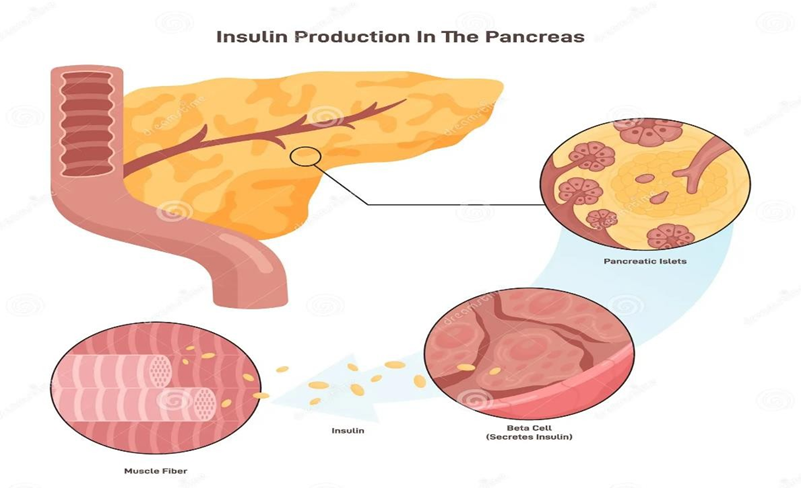
B. Beta cells are the pancreatic cells responsible for secreting insulin. Insulin acts to lower blood sugar levels by facilitating the uptake of glucose into cells for energy or storage. In individuals with diabetes mellitus, dysfunction of beta cells can lead to inadequate insulin secretion, resulting in high blood sugar levels.
A. Alpha cells are another type of cell in the pancreas, but they secrete glucagon, not insulin. Glucagon has the opposite effect of insulin, increasing blood sugar levels by stimulating the breakdown of glycogen in the liver.
C. Acinar cells are exocrine cells found in the pancreas that secrete digestive enzymes into the pancreatic ducts. These enzymes aid in the digestion of food in the small intestine. Acinar cells are not involved in the production of insulin.
D. Plasma cells are a type of white blood cell that produces antibodies as part of the immune response. They are not involved in the production of insulin.
Correct Answer is {"A":{"answers":"A"},"B":{"answers":"B"},"C":{"answers":"A"},"D":{"answers":"B"},"E":{"answers":"B"},"F":{"answers":"A"},"G":{"answers":"B"},"H":{"answers":"A"}}
Explanation
Hypoglycemia
Tremor is a common symptom of hypoglycemia, as low blood sugar levels can lead to shaky hands and trembling.
Seizures can occur in severe cases of hypoglycemia when the brain is deprived of glucose, leading to abnormal electrical activity and convulsions.
Sweating, particularly cold and clammy skin, is a common symptom of hypoglycemia as the body responds to low blood sugar levels.
Hunger or sudden feelings of extreme hunger are common symptoms of hypoglycemia as the body seeks additional fuel to raise blood sugar levels.
Hyperglycemia
Lethargy, or extreme fatigue and drowsiness, is more commonly associated with hyperglycemia, as elevated blood sugar levels can affect energy levels and lead to feelings of sluggishness.
Polydipsia is a classic symptom of hyperglycemia, as high blood sugar levels can cause dehydration and trigger the body's thirst response.
Abdominal pain is more commonly associated with hyperglycemia, particularly in conditions like diabetic ketoacidosis (DKA), where abdominal discomfort can be a sign of metabolic disturbances.
Polyuria is a classic symptom of hyperglycemia, as high blood sugar levels can lead to increased urine production as the kidneys work to remove excess glucose from the bloodstream.
Whether you are a student looking to ace your exams or a practicing nurse seeking to enhance your expertise , our nursing education contents will empower you with the confidence and competence to make a difference in the lives of patients and become a respected leader in the healthcare field.
Visit Naxlex, invest in your future and unlock endless possibilities with our unparalleled nursing education contents today