
What type of cells secrete insulin?
Alpha cells
Beta cells
Acinar cells
Plasma cells
The Correct Answer is B
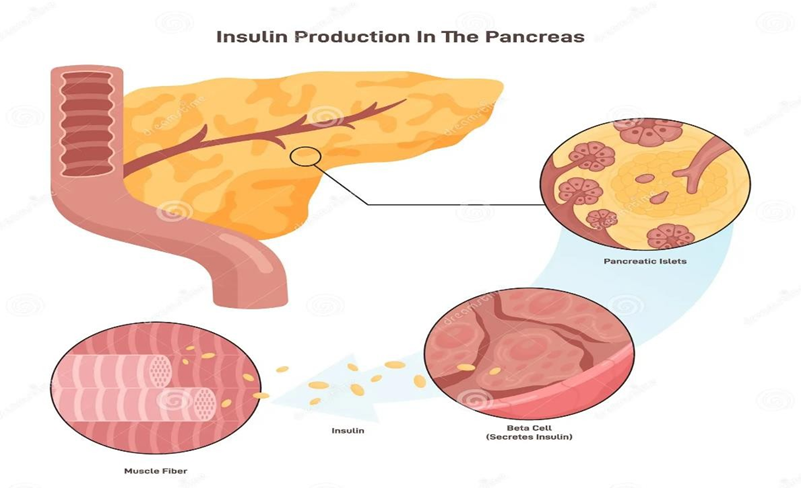
B. Beta cells are the pancreatic cells responsible for secreting insulin. Insulin acts to lower blood sugar levels by facilitating the uptake of glucose into cells for energy or storage. In individuals with diabetes mellitus, dysfunction of beta cells can lead to inadequate insulin secretion, resulting in high blood sugar levels.
A. Alpha cells are another type of cell in the pancreas, but they secrete glucagon, not insulin. Glucagon has the opposite effect of insulin, increasing blood sugar levels by stimulating the breakdown of glycogen in the liver.
C. Acinar cells are exocrine cells found in the pancreas that secrete digestive enzymes into the pancreatic ducts. These enzymes aid in the digestion of food in the small intestine. Acinar cells are not involved in the production of insulin.
D. Plasma cells are a type of white blood cell that produces antibodies as part of the immune response. They are not involved in the production of insulin.
Nursing Test Bank
Naxlex Comprehensive Predictor Exams
Related Questions
Correct Answer is B
Explanation
B. Orange juice is highly acidic and can irritate the esophagus, leading to increased heartburn symptoms. Regular consumption of acidic beverages like orange juice can exacerbate GERD symptoms, making this a likely contributing factor to the client's heartburn.
A. Consuming low-fat meats is generally not a contributing factor to heartburn. Low-fat meats are less likely to cause reflux compared to high-fat foods, which can relax the lower esophageal sphincter and increase the risk of acid reflux.
C. Eating dinner early in the evening is generally recommended for managing GERD. This practice allows more time for the stomach to empty before lying down to sleep, reducing the likelihood of acid reflux during the night.
D. Sleeping on a large wedge-style pillow is also generally recommended for managing GERD. Elevating the head and upper body during sleep can help prevent acid from flowing back into the esophagus.
Correct Answer is ["B","C","D","E"]
Explanation
B. Beta-blocking medications, such as propranolol and metoprolol, can worsen asthma symptoms in some individuals by constricting the airways. Patients with asthma should avoid or use caution with beta-blockers, especially non-selective ones, as they can trigger or exacerbate asthma attacks.
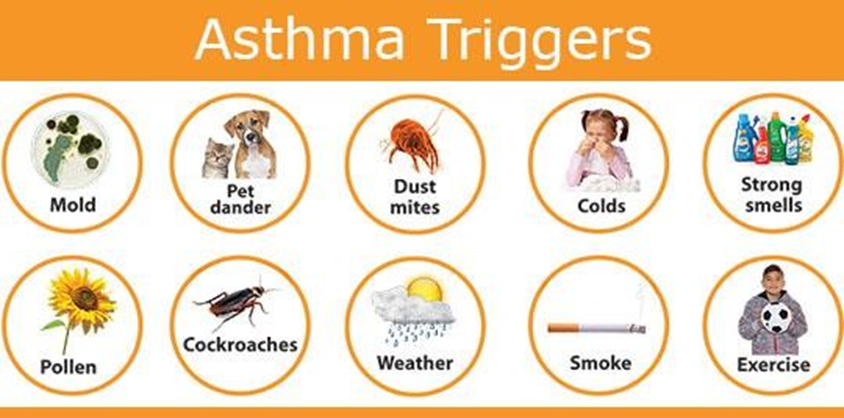
C. Exposure to secondhand smoke is a well-established trigger for asthma symptoms and can exacerbate respiratory inflammation and airway hyperresponsiveness. Patients with asthma should avoid exposure to secondhand smoke whenever possible to reduce the risk of asthma exacerbations.
D. Carpeting and drapes can harbor dust mites, pet dander, and other allergens that can trigger asthma symptoms in susceptible individuals. Patients with asthma may benefit from removing carpeting and minimizing soft furnishings in the bedroom to reduce exposure to allergens and improve air quality.
E. Pets, particularly those with fur or feathers, can be potent allergens for individuals with asthma. Patients with asthma should consider removing pets from the home or at least keeping them out of the bedroom to minimize exposure to pet dander.
A. Cardiovascular exercise can trigger asthma symptoms in some individuals but it is not typically recommended to eliminate exercise altogether. Instead, patients with asthma should be encouraged to engage in physical activities that are well-tolerated and to use appropriate preventive measures, such as pre-exercise bronchodilator therapy and warm-up exercises, to minimize symptoms.
Whether you are a student looking to ace your exams or a practicing nurse seeking to enhance your expertise , our nursing education contents will empower you with the confidence and competence to make a difference in the lives of patients and become a respected leader in the healthcare field.
Visit Naxlex, invest in your future and unlock endless possibilities with our unparalleled nursing education contents today