
The nurse is caring for a patient with pneumonia. Which lab abnormality is most concerning?
decreased serum creatinine
elevated white blood cell count
protein in urinalysis
decreased serum potassium
The Correct Answer is B
B. An elevated white blood cell (WBC) count, specifically an elevation in the neutrophil count (neutrophilia), is commonly seen in pneumonia. It indicates an inflammatory response to the infection and is a typical finding in bacterial pneumonia.
A. A decreased serum creatinine level is not typically associated with pneumonia and may not be directly related to the condition. In fact, it may suggest impaired kidney function or dehydration, but it is not a concerning lab abnormality specifically related to pneumonia.
C. Protein in the urine (proteinuria) may be present in various conditions, including kidney disease, urinary tract infections, and certain systemic illnesses. While it can sometimes be seen in severe cases of pneumonia, it is not a specific or common finding associated with the condition.
D. Decreased serum potassium levels are not typically associated with pneumonia itself. However, certain factors related to pneumonia treatment or complications, such as the use of diuretics or vomiting, could lead to hypokalemia. While hypokalemia can have serious consequences, it is not directly related to the severity of pneumonia.
Nursing Test Bank
Naxlex Comprehensive Predictor Exams
Related Questions
Correct Answer is A
Explanation
A. Diabetes can lead to damage of blood vessels throughout the body, both large and small. Complications can affect various organs and systems, including the heart, kidneys, eyes, and nerves. Damage to both large vessels (macrovascular complications) and tiny vessels (microvascular complications) contributes to the diverse range of complications associated with diabetes.
B. Both type 1 and type 2 diabetes increase the risk of long-term complications, but the specific risks and patterns of complications may differ between the two types. While individuals with type 1 diabetes may face challenges in achieving tight glycemic control due to the complete absence of endogenous insulin production, tight control can significantly reduce the risk of complications in both type 1 and type 2 diabetes.
C. Lower HbA1c levels indicate better overall glycemic control and are associated with reduced risk of long-term complications. However, achieving tight glycemic control should be balanced with the risk of hypoglycemia and individual patient factors.
D. Hypoglycemia can also lead to increased risk of cardiovascular events and mortality in individuals with diabetes. Therefore, it is important to balance glycemic control to minimize the risk of hypoglycemia while also reducing the risk of hyperglycemia-related complications.
Correct Answer is ["B","C","D","E"]
Explanation
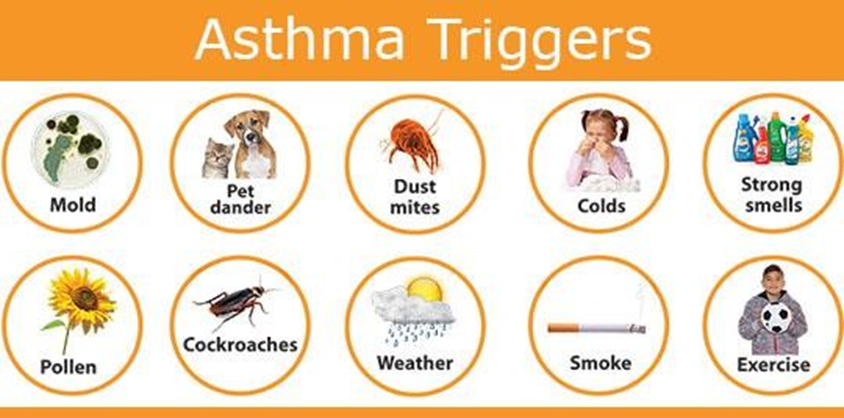
B. Beta-blocking medications, such as propranolol and metoprolol, can worsen asthma symptoms in some individuals by constricting the airways. Patients with asthma should avoid or use caution with beta-blockers, especially non-selective ones, as they can trigger or exacerbate asthma attacks.
C. Exposure to secondhand smoke is a well-established trigger for asthma symptoms and can exacerbate respiratory inflammation and airway hyperresponsiveness. Patients with asthma should avoid exposure to secondhand smoke whenever possible to reduce the risk of asthma exacerbations.
D. Carpeting and drapes can harbor dust mites, pet dander, and other allergens that can trigger asthma symptoms in susceptible individuals. Patients with asthma may benefit from removing carpeting and minimizing soft furnishings in the bedroom to reduce exposure to allergens and improve air quality.
E. Pets, particularly those with fur or feathers, can be potent allergens for individuals with asthma. Patients with asthma should consider removing pets from the home or at least keeping them out of the bedroom to minimize exposure to pet dander.
A. Cardiovascular exercise can trigger asthma symptoms in some individuals but it is not typically recommended to eliminate exercise altogether. Instead, patients with asthma should be encouraged to engage in physical activities that are well-tolerated and to use appropriate preventive measures, such as pre-exercise bronchodilator therapy and warm-up exercises, to minimize symptoms.
Whether you are a student looking to ace your exams or a practicing nurse seeking to enhance your expertise , our nursing education contents will empower you with the confidence and competence to make a difference in the lives of patients and become a respected leader in the healthcare field.
Visit Naxlex, invest in your future and unlock endless possibilities with our unparalleled nursing education contents today