
A patient with newly diagnosed diabetes asks the nurse what to take for low blood sugar. Which of the following would be most appropriate for the nurse to suggest?
Cheese
Beef jerky
Raisins
Chocolate
The Correct Answer is C
C. Raisins are a source of carbohydrates, particularly simple sugars like glucose and fructose, which can quickly raise blood sugar levels during an episode of hypoglycemia. However, they do not contain protein, which can help sustain blood sugar levels over time. Raisins may provide a rapid increase in blood sugar but may not be as effective at preventing subsequent episodes of hypoglycemia.
A. Cheese is a source of protein and contains very little carbohydrate. While protein can help stabilize blood sugar levels, it may not provide a rapid increase in blood sugar during an episode of hypoglycemia. Cheese alone may not be the most effective choice for treating low blood sugar promptly.
B. Beef jerky is primarily a source of protein and may not contain enough carbohydrates to quickly raise blood sugar levels during an episode of hypoglycemia. While protein can help stabilize blood sugar over time, it may not provide the rapid increase in blood sugar needed to address acute hypoglycemia.
D. Chocolate, especially dark chocolate with a high cocoa content, contains carbohydrates in the form of sugar and fat. While it can quickly raise blood sugar levels due to its sugar content, it may not provide sustained energy due to its low protein content.
Nursing Test Bank
Naxlex Comprehensive Predictor Exams
Related Questions
Correct Answer is B
Explanation
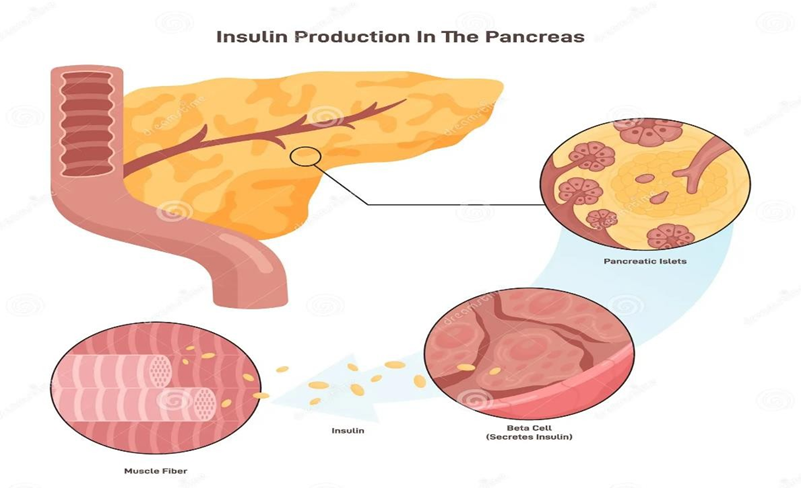
B. Beta cells are the pancreatic cells responsible for secreting insulin. Insulin acts to lower blood sugar levels by facilitating the uptake of glucose into cells for energy or storage. In individuals with diabetes mellitus, dysfunction of beta cells can lead to inadequate insulin secretion, resulting in high blood sugar levels.
A. Alpha cells are another type of cell in the pancreas, but they secrete glucagon, not insulin. Glucagon has the opposite effect of insulin, increasing blood sugar levels by stimulating the breakdown of glycogen in the liver.
C. Acinar cells are exocrine cells found in the pancreas that secrete digestive enzymes into the pancreatic ducts. These enzymes aid in the digestion of food in the small intestine. Acinar cells are not involved in the production of insulin.
D. Plasma cells are a type of white blood cell that produces antibodies as part of the immune response. They are not involved in the production of insulin.
Correct Answer is D
Explanation
D. Patients who have had a stroke are at high risk for aspiration pneumonia due to potential impairment of their swallowing mechanisms and decreased gag reflex, which can occur if the stroke affects the parts of the brain that control these functions. Dysphagia is a common complication of strokes and significantly increases the risk of aspiration.
A. Migraines can cause significant discomfort and sometimes nausea and vomiting, they do not typically impair swallowing or protective airway reflexes. Thus, this patient is not at high risk for aspiration pneumonia.
B. Leukemia itself does not directly increase the risk of aspiration pneumonia. However, if the patient has complications such as severe weakness, altered mental status, or treatment side effects (like mucositis or infections), their risk could be increased, but it is not the primary concern in most leukemia cases.
C. Asthma affects the airways and causes difficulty breathing but does not typically impair swallowing or increase the risk of aspiration. While severe asthma attacks can cause coughing and choking, the primary issue is airway inflammation, not the risk of inhaling food or liquid.
Whether you are a student looking to ace your exams or a practicing nurse seeking to enhance your expertise , our nursing education contents will empower you with the confidence and competence to make a difference in the lives of patients and become a respected leader in the healthcare field.
Visit Naxlex, invest in your future and unlock endless possibilities with our unparalleled nursing education contents today