
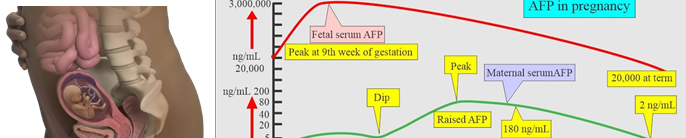
Following the prenatal clinic's screening protocol, the practical nurse (PN) is preparing laboratory prescriptions for clients who are scheduled to be seen today. Which screening test should be scheduled for a client who is gravida 4 para 3 at 16-weeks gestation?
Maternal serum alpha-feto protein (MSAFP).
Repeat indirect Coombs' test.
Glucose tolerance test (GTT).
Group B Streptococcus culture.
The Correct Answer is A
The screening test that should be scheduled for a client who is gravida 4 para 3 at 16-weeks gestation is **Maternal serum alpha-feto protein (MSAFP)**. Second trimester prenatal screening may include several blood tests, called multiple markers. These markers provide information about a woman's risk of having a baby with certain genetic conditions or birth defects. Screening is usually done by taking a sample of the mother's blood between the 15th and 20th weeks of pregnancy (16th to 18th is ideal)².
Nursing Test Bank
Naxlex Comprehensive Predictor Exams
Related Questions
Correct Answer is D
Explanation
Feeling sad or having a depressed mood is a common symptom of depression. Asking the client if they often feel sad can help the practical nurse (PN) assess for depression.
While recent stresses (A), sleep changes (B), and dietary habits (C) may also be relevant to the client's situation, asking if the client often feels sad is the most important question for the PN to ask in order to further assess for depression.
Correct Answer is B
Explanation
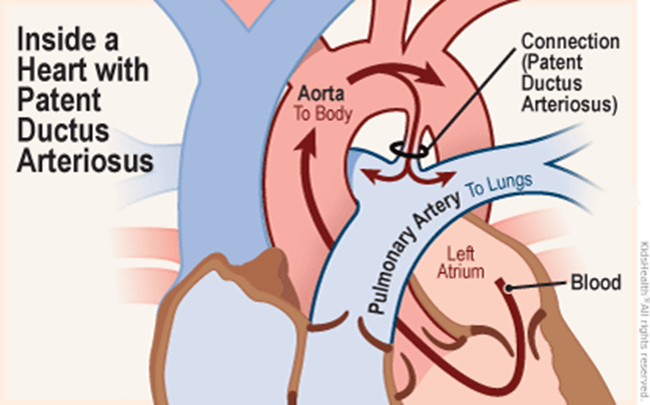
The practical nurse (PN) should recognize that a newborn whose mother has poorly controlled type 1 diabetes mellitus and is exhibiting grunting with mild sternal retractions is exhibiting signs of patent ductus arteriosus. Patent ductus arteriosus is a condition in which the ductus arteriosus, a blood vessel that connects the pulmonary artery to the aorta, fails to close after birth. This can result in abnormal blood flow between the aorta and pulmonary artery, leading to respiratory distress.
Hypothyroidism (Option A) and hyperinsulinemia (Option C) are conditions that can occur in newborns, but they do not typically present with grunting and sternal retractions.
Ventral septal defect (Option D) is a congenital heart defect that can cause respiratory distress, but it is not specifically associated with maternal diabetes.
Whether you are a student looking to ace your exams or a practicing nurse seeking to enhance your expertise , our nursing education contents will empower you with the confidence and competence to make a difference in the lives of patients and become a respected leader in the healthcare field.
Visit Naxlex, invest in your future and unlock endless possibilities with our unparalleled nursing education contents today